Follow Me On Social Media!

Prime rib is the most expensive leftover in the kitchen, and it is the one most often ruined on the second day. The mistake is always the same: the cook treats it like a steak that needs reheating, microwaves a thick slice until it is grey all the way through, and turns a hundred-dollar roast into dry beef. The fix is not a better reheating method — it is not reheating the roast at all. Prime rib’s second life is as an ingredient: sliced thin, cut small, and added at the end of a dish that is already hot, so the meat warms through without ever cooking a second time.
That single rule — thin pieces, added last — is what all five ideas below have in common. A thick slice reheated to the centre is a thick slice cooked twice; a thin slice folded into a hot sauce, a hot sandwich, or a hot pan of rice reaches eating temperature in a minute or two, stays pink in the middle, and keeps the flavour that made the roast worth cooking in the first place. The ideas run from fastest to slowest, and the first two need no recipe at all.
The Short Answer: Slice It Thin, Add It Last
Prime rib leftovers keep three to four days in the fridge, counted from the day the roast was cooked, and two to three months in the freezer for best quality. Slice the cold roast thin — a quarter-inch or less — and use the slices in dishes where the meat is added at the end: sandwiches, hash, stroganoff, fried rice, and soup. Warm the meat through, to 165°F, but do not cook it again: the moment the pink centre turns grey, the second life is over.
Start by deciding how much you have and what shape it is in. A roast with a bone still in it gives you two ingredients: the meat for the ideas below, and the bone for stock — simmered with the trimmings, it makes a beef broth that turns the barley soup in idea five into something far better than water-based. A boneless roast gives you slices and chunks only, and that is fine: the ideas work either way. Cut the meat cold, straight from the fridge — cold beef slices cleanly, warm beef tears.
1. French Dip Sandwiches: The Fifteen-Minute Classic
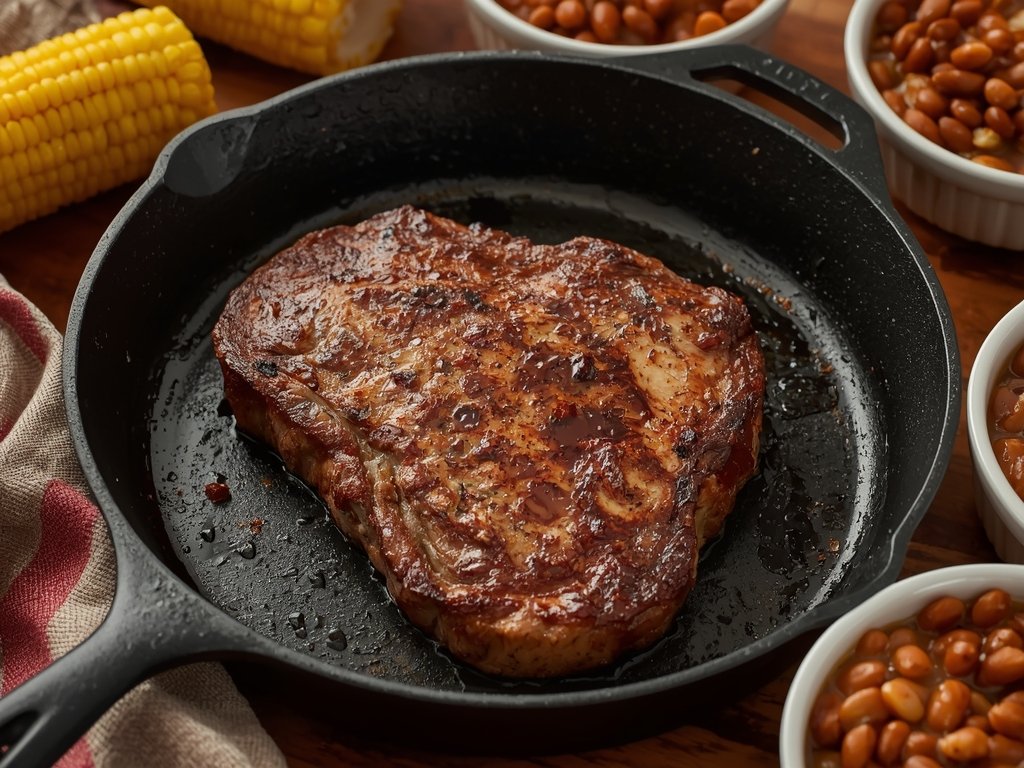
The French dip is the best thing to do with leftover prime rib, and it is the fastest: thin slices warmed in hot beef broth, piled on a crusty roll, with the broth served alongside for dipping. Heat a cup of beef broth — homemade from the bone if you have it, low-sodium store-bought if you do not — until it is just simmering, then slide in the thin slices and turn off the heat. Two minutes in the hot broth is enough: the meat warms through, the broth picks up the beef flavour, and the slices stay pink. Pile them on a split baguette or hoagie roll with caramelised onions and a smear of horseradish, and pour the broth into a small bowl for dipping.
The details are what make it work. The roll should be crusty enough to hold the dipping without falling apart — a soft sandwich roll goes soggy in seconds, while a baguette holds up. Toast the cut sides of the roll first, so the bread has a barrier against the broth. Do not boil the meat in the broth: a simmer that is too hot tightens the slices and squeezes out the juices. Two minutes, off the heat, is the whole technique — the same gentle logic as our guide to reheating steak without drying it out.
2. Steak and Egg Hash: Breakfast for Dinner
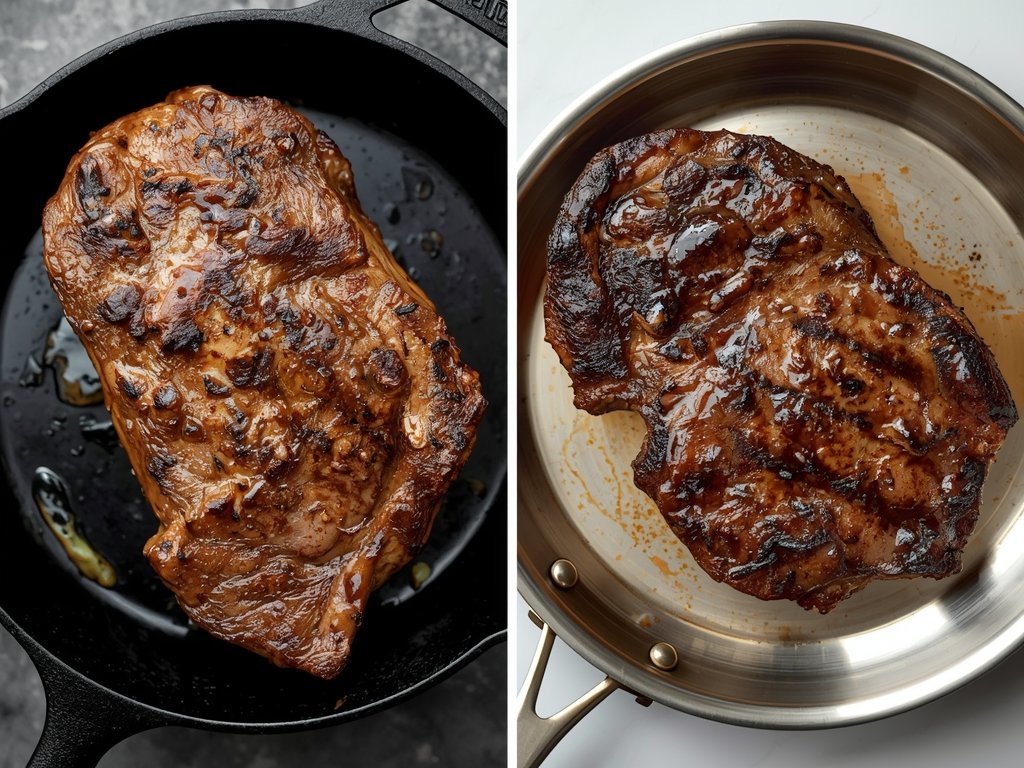
Hash is the best use for the chunks and the end pieces — the bits too small or too ragged to slice neatly for a sandwich. Dice the beef into half-inch cubes, dice a potato and half an onion the same size, and fry the potato and onion in a cast-iron skillet with a tablespoon of oil over medium-high heat until the potatoes are crisp at the edges, about ten minutes. Then add the beef cubes, toss them through the hot potatoes for two to three minutes until they are warm, and push everything to the sides of the pan to make wells for two eggs. Crack the eggs in, cover the pan, and cook for three to five minutes until the whites are set and the yolks are still runny.
The order matters: the potatoes need the full ten minutes, the beef needs two. Add the beef too early and it cooks twice — grey, dry, and wasted. The hash also takes the roast’s trimmings well: the fatty end pieces crisp up beautifully in the pan, and a spoonful of the roast’s pan juices, if you saved them, poured over the potatoes at the start, seasons the whole dish. Serve it straight from the skillet, with hot sauce or horseradish on the side.
3. Beef Stroganoff: The Comfort-Dinner Upgrade

Stroganoff is the idea for the night when you want a real dinner, not a sandwich: tender strips of prime rib folded into a creamy mushroom sauce and served over egg noodles. Slice the beef into thin strips, about the width of a finger. Sauté sliced mushrooms and a diced onion in butter until the mushrooms give up their water and start to brown — about eight minutes — then add a clove of minced garlic, a splash of beef broth, and a teaspoon of Dijon mustard. Lower the heat, stir in half a cup of sour cream, and fold in the beef strips. Two minutes, off the boil, is enough: the sauce should be hot and the beef warm, and the sour cream should never boil, or it splits.
The beef goes in last, always. Stroganoff sauce is hot enough to warm thin strips in two minutes, and any longer turns prime rib into stew beef — edible, but no longer prime rib. Serve it over buttered egg noodles or mashed potatoes, with chopped parsley on top, and the dish tastes like it took hours. It took twenty-five minutes, and the only skill is patience with the mushrooms: they need the full eight minutes to brown, and a cook who rushes them gets a grey sauce instead of a golden one. Our guide to what to do with leftover roast beef covers the same ground for the cheaper cut.
4. Beef Fried Rice: Twelve Minutes, One Pan

Fried rice is the fastest hot dinner in this list, and it is the best use for cold rice — which is the point, because day-old rice fries better than fresh. Dice the beef into small cubes, about half an inch. Heat a tablespoon of oil in a large skillet or wok over high heat, scramble two eggs and set them aside, then fry the cold rice — two cups, broken up with your hands first so there are no clumps — for three to four minutes until some grains start to crisp. Add a diced spring onion and a handful of frozen peas, then the beef cubes, then a tablespoon of soy sauce and a teaspoon of sesame oil, and toss everything for two minutes until the beef is warm.
Two rules govern fried rice. First, the rice must be cold and dry: fresh, warm rice steams into a sticky mass, while cold rice fries into separate grains. Second, the beef goes in near the end, with the sauce — two minutes of tossing is enough to warm it through, and any longer dries it. The dish is done when the beef is hot and the rice has crisped edges in places, about twelve minutes from the first egg to the table. The same pan takes leftover vegetables or a fried egg on top, and our guide to leftover roast beef tacos uses the same thin-slice logic.
5. Beef and Barley Soup: The Slow One That Uses the Bone

Soup is the idea for the bone and the last of the meat — the pieces too small for anything else, plus the bone that most cooks throw away. If you have the bone, simmer it first: cover it with water in a pot, add an onion, two carrots, and two celery stalks, and simmer gently for an hour. Strain it, and you have a beef broth that tastes like the roast. Then make the soup: sauté the vegetables, add the broth and half a cup of pearl barley, and simmer for forty minutes until the barley is tender. Add the diced beef and any leftover vegetables in the last five minutes, season, and serve.
The barley needs the full forty minutes — it is a slow grain, and adding it late leaves it hard. The beef needs five. That gap is the whole technique, and it is why the soup is listed last: it takes fifty minutes, but only ten of them are active, and the result is a soup that uses every part of the roast, including the bone. The soup keeps three to four days in the fridge and freezes for three months — and the FoodSafety.gov cold food storage chart gives the same windows for the roast itself.
How Long It Keeps: Fridge, Freezer, and the Bone

Prime rib keeps three to four days in the refrigerator, counted from the day the roast was cooked, and the clock does not reset when you turn it into a sandwich or a soup — a French dip made on day four is eaten on day four. Store the roast whole, not sliced: a whole piece dries out more slowly than slices, and you slice what you need, when you need it. Wrap it tightly in foil or plastic wrap, or put it in an airtight container, and keep it in the coldest part of the fridge, not the door.
For the freezer, slice first and freeze in meal-sized portions — a pound per bag is about two sandwiches’ worth — with the air pressed out, and label each bag with the date. Best quality is two to three months; the meat stays safe indefinitely at 0°F, but the texture fades. Thaw overnight in the fridge, use within a day, and never refreeze: thawed meat comes back grainy and dry. Our guide to how long leftovers last in the fridge covers the same windows for every leftover, and prime rib follows them exactly.
The Reheat Rule: Warm It, Do Not Cook It

Every idea above follows one rule, and it is worth stating plainly: warm the meat, do not cook it. Prime rib was cooked once, to the temperature the cook chose — rare, medium-rare, medium — and any second cooking moves it past that point. The microwave is the worst offender, because it heats unevenly and overshoots in seconds: a slice that was pink in the middle comes out grey and dry. The oven is kinder but still risky for the same reason, and the right answer is always the same: thin slices, hot liquid or a hot pan, two minutes, and a thermometer if you are unsure — 165°F is the safe target, and the meat should be hot through, not cooked through. Wellstockd’s guide to leftover prime rib puts the same rule plainly: warm it through to 165°F, and never freeze it again after defrosting.
The rule has one exception, and it is the soup: soup simmers, and simmering cooks. That is why the beef goes in last in the soup, for five minutes only, and why the soup is the idea for the last of the meat rather than the best of it. The best slices go to the sandwich, where two minutes in hot broth leaves them pink. The chunks go to the hash and the fried rice, where two minutes in a hot pan leaves them warm. The bone goes to the soup, where an hour of simmering is exactly what it needs. Five ideas, one rule, and none of the roast wasted.
Frequently Asked Questions
How long does leftover prime rib last in the fridge? Three to four days, counted from the day the roast was cooked. Store it whole and wrapped, slice what you need, and do not let a dish made on day four pretend the clock restarted.
Can you freeze leftover prime rib? Yes — sliced, in meal-sized portions, for two to three months at best quality. Thaw overnight in the fridge and use within a day; do not refreeze.
What is the best way to reheat prime rib without overcooking it? Do not reheat it as a roast. Slice it thin and warm the slices in hot broth or a hot pan for about two minutes, until hot through at 165°F, with the pink centre intact.
Can I use the prime rib bone? Yes — simmer it with onion, carrot, and celery for an hour and you have a beef broth that makes the barley soup in idea five far better than store-bought.
Ghani is the founder of TwiceTasty and a passionate home cook who believes no meal should go to waste. What started as a personal mission to transform leftovers into exciting new dishes has grown into a community of food lovers who share the same philosophy.

← Previous
Leftover Turkey Soup: Easy Recipe from Thanksgiving Leftovers
Next →
What to Do With Leftover Sweet Potatoes: 6 Ideas