Follow Me On Social Media!

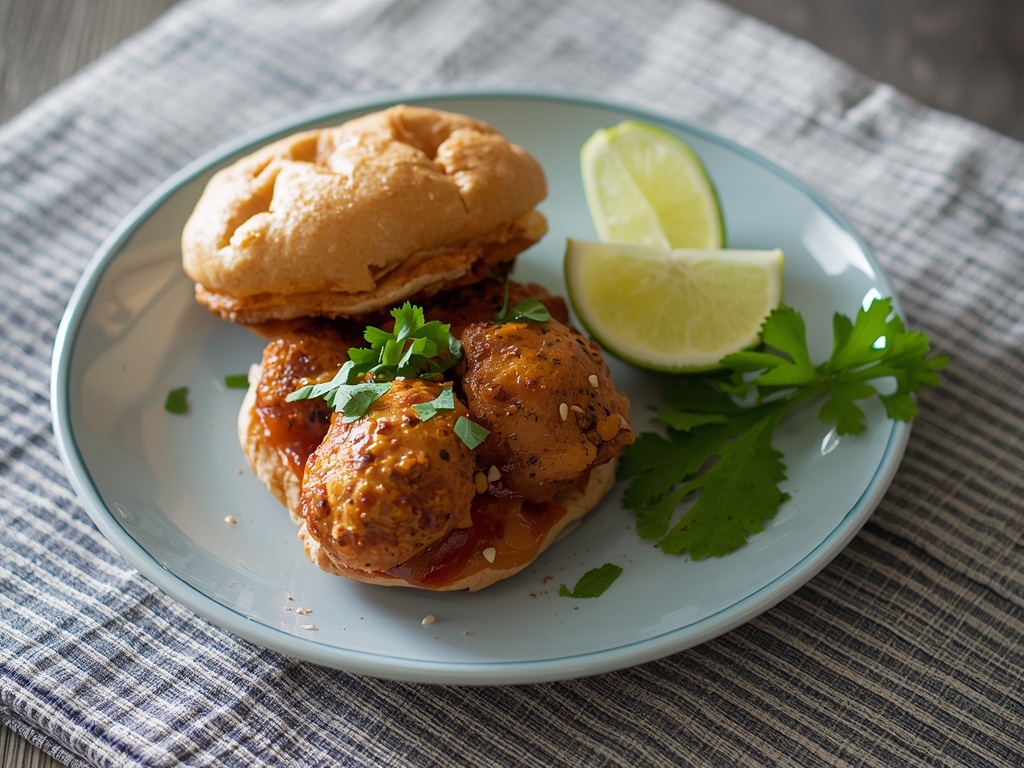
There is a specific kind of weekend regret that involves the bottom of a fast-food bag. You reach in, expecting that glorious, greasy residue of a good time, and you pull out a cold, limp drumstick. It’s wrapped in a napkin that has fused to the skin like cling wrap. The crust, which was once a shattering golden armor, is now soft, pale, and sad. It feels damp against your fingers. We’ve all been there. You try to microwave it, hoping for a miracle, and what you get is a rubbery, chewy nightmare that smells like stale oil and disappointment.
But what if I told you that that sad, cold piece of chicken is actually just one half of a perfect marriage? The other half is sitting in your freezer or the Asian aisle of your grocery store: Bao buns. Those soft, pillowy, white steamed buns. By taking that dry, leftover fried chicken and giving it a quick crunch revival, then tucking it into a warm, fluffy bun with some spicy, tangy condiments, you aren’t just reheating leftovers. You’re creating a fusion dish that hits every texture note a human being craves. It’s soft, it’s crunchy, it’s spicy, and it’s savory. It’s better than the original meal.
The Soggy Crust Science
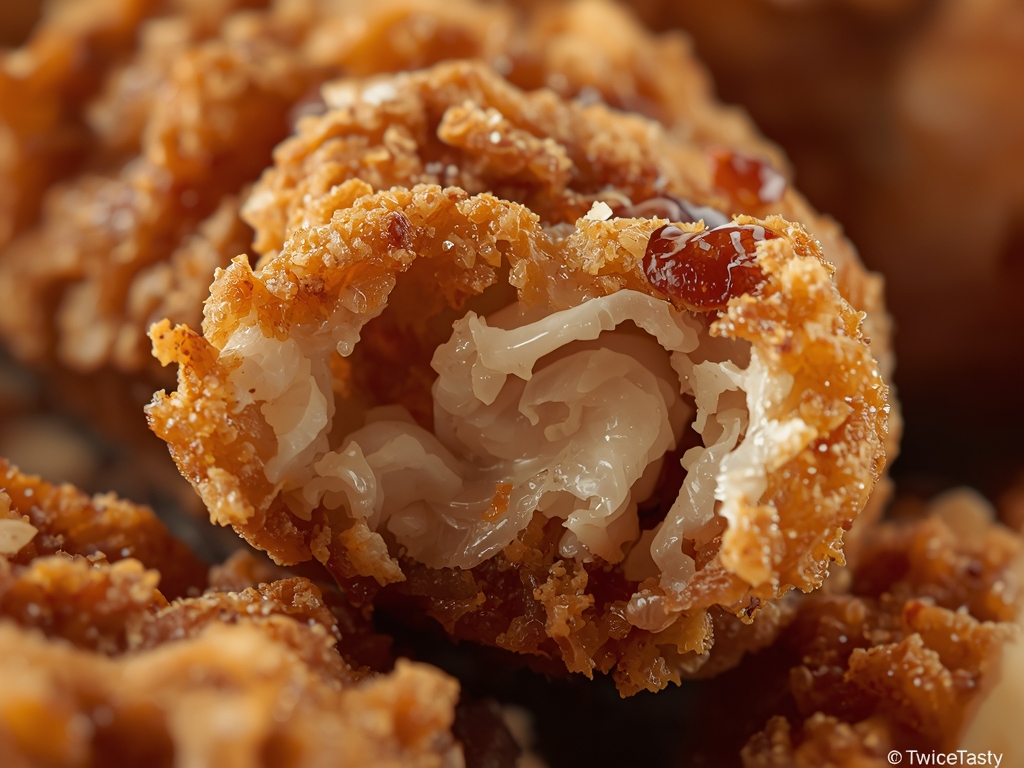
To understand how to fix this, we have to look at what happened to that crust overnight. Fried chicken is a battle between a dry, starchy outside and a moist, fatty inside. When it comes out of the fryer, the crust is crisp because the water has been driven out and the fat is hot. But flour is hygroscopic—it loves water. As the chicken sits in the fridge (or worse, in a steamy bag), the humidity in the air and the moisture migrating from the meat inside get absorbed by the flour.
The crust rehydrates. It turns into a soft, doughy shell. Simultaneously, the oils in the breading oxidize and solidify, turning waxy. If you throw this in the microwave, you are adding more water (steam) to a system that is already too wet. You boil the flour inside the crust, turning it into a glue, while the rubbery meat tightens up. To save it, we have to drive that moisture back out. We need to re-evaporate the water that ruined the crunch. We need to restore the Maillard reaction without turning the meat into jerky.
The Two-Track Rescue Plan
This is a two-part operation because the chicken and the buns need totally different kinds of heat. The chicken needs dry, aggressive heat to crisp up. The buns need moist, gentle heat to soften.
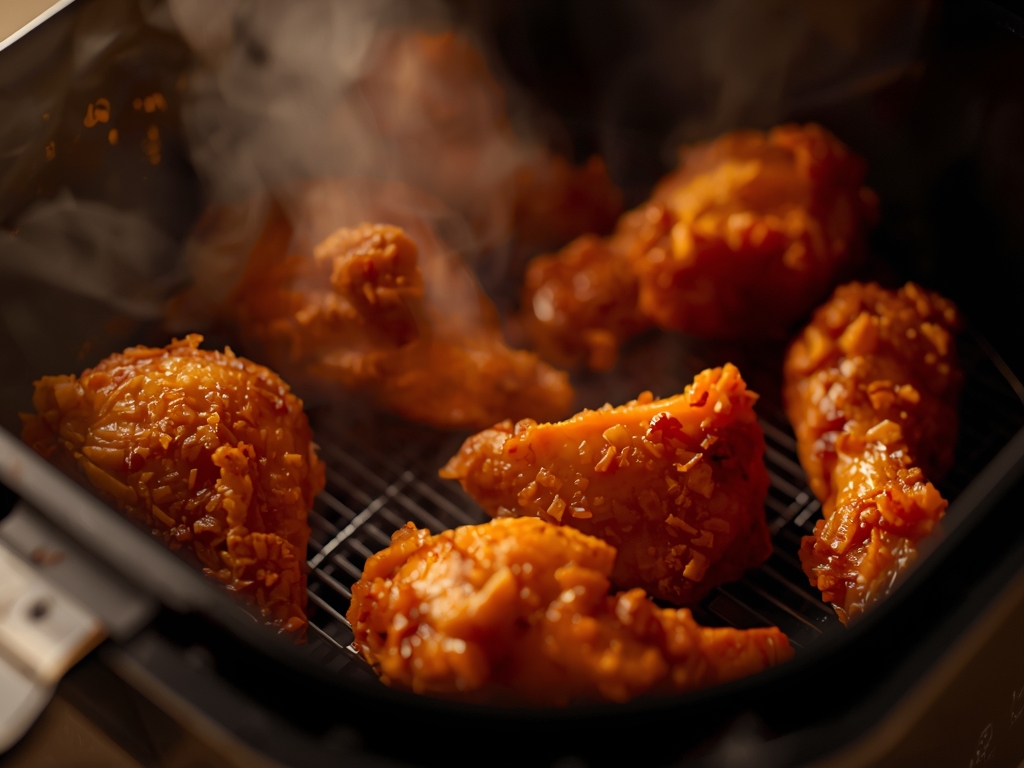
Start with the chicken. Preheat your air fryer to 375°F. This is your best friend here. The convection air is a dehydrator. Lay the leftover pieces in the basket—don’t crowd them. You want the hot air to hit every square inch of that soggy crust. Let them cook for about 4 to 5 minutes. You aren’t cooking the meat; you’re toasting the breading.
Listen to the sound. It will start as a soft sizzle and turn into a rapid crackle. That is the water leaving the building. The skin will tighten up, the flour will harden, and the fat will render out slightly. You want that crust to look golden and sound crunchy when you tap it. Pull them out and let them rest for a minute. You now have the crunch of fresh fried chicken without the mess of a deep fryer.
While the chicken is crisping, deal with the buns. If you’re using frozen bao, steam them. If you don’t have a bamboo steamer, the microwave works fine for this part. Wrap the buns in a damp paper towel and zap them for 20 seconds. The water in the towel turns to steam, relaxing the gluten in the dough and making them soft and pillowy again. They should feel like warm clouds.
The Spicy Glaze and the Crunch
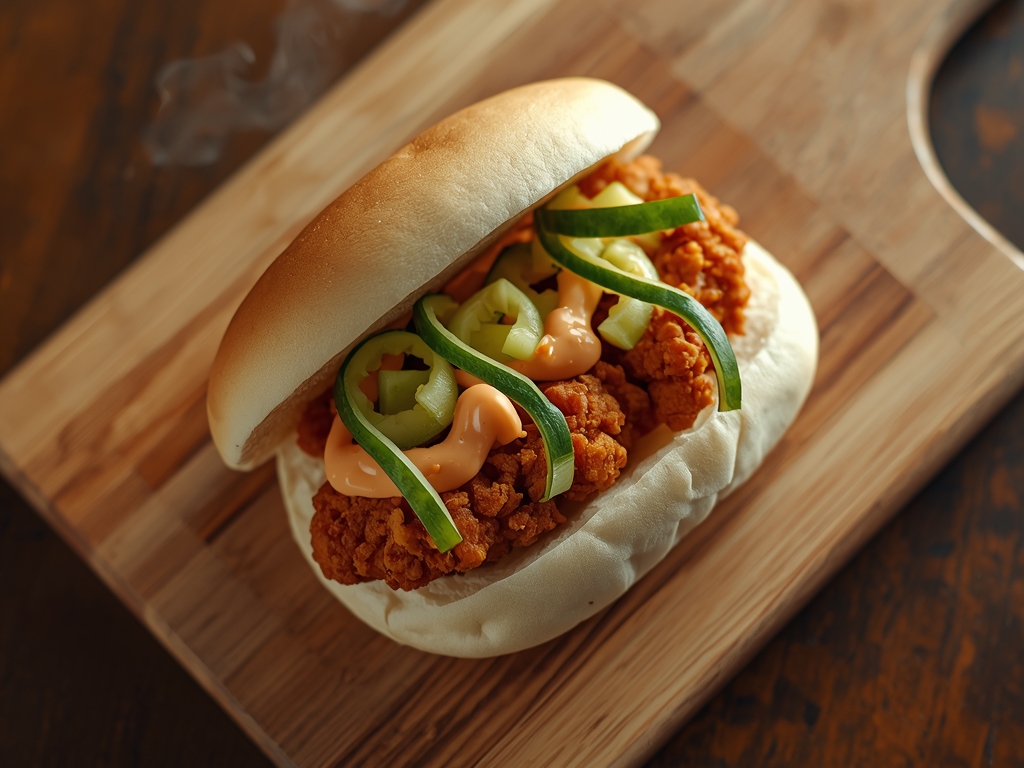
Now, we build the fusion delight. Open up that warm, fluffy bao. You need a sauce to bridge the gap between the rich chicken and the plain bun. This isn’t the time for ketchup. We need heat and creaminess. Mix mayonnaise with a generous amount of Sriracha or, if you want to get serious, a tablespoon of Chili Crisp. That crunchy garlic and chili sediment in the jar is pure gold.
Slather that spicy sauce on the bottom of the bun. Shred the chicken if it’s a big piece, or if it’s a wing or nugget, just place it right on top. But here is the upgrade that makes this restaurant-quality: texture contrast.
The chicken is crunchy, the bun is soft. You need something fresh and sharp to cut through the grease. Quick-pickled cucumbers are the answer. If you don’t have them pre-made, just slice a Persian cucumber into thin ribbons and toss them with a pinch of sugar and rice vinegar. Let them sit for the two minutes it takes to crisp the chicken.
Pile those tangy, crunchy cucumbers on top of the chicken. Maybe add a few slices of fresh jalapeño if you’re feeling brave. Top with the other half of the bun.
When you bite into it, you get the soft, yeasty texture of the warm bao, then the aggressive crunch of the re-crisped fried chicken, then the creamy heat of the sauce, and finally the sharp, cool snap of the cucumber. It’s a symphony. It transforms that sad, cold leftover into a handheld explosion of flavor that feels entirely new. You didn’t just reheat dinner; you created a fusion masterpiece.
Frequently Asked Questions
Can I use leftover boneless wings for this?
Yes, actually boneless chunks or even popcorn chicken work even better because they are bite-sized and fit perfectly inside the bun without making a mess. Just keep a close eye on them in the air fryer because smaller pieces dry out faster—2 or 3 minutes is usually enough.
What if I don’t have an air fryer? Can I use the oven? You can, but it takes longer. Set your oven to 400°F and place the chicken on a wire rack over a baking sheet (to let air circulate). Bake for about 10-12 minutes. It won’t be quite as shatteringly crisp as the air fryer, but it’s infinitely better than the microwave.
Can I make these ahead of time for lunch? They are best eaten immediately. If you make them ahead, the steam from the chicken will make the bun soggy, and the crispy coating will soften. If you must pack them, pack the components separately: the bun, the sauce, the chicken, and the veggies. Assemble right before you eat to keep that crucial crunch.

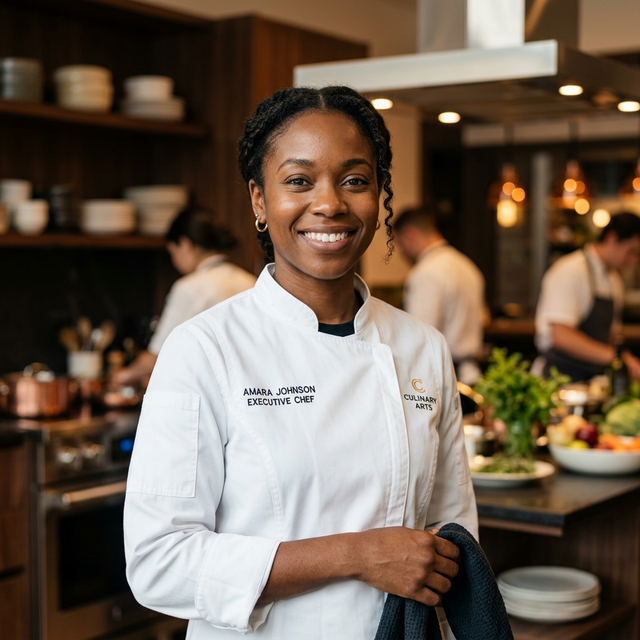
Amara writes for the Tasty Remakes category, turning everyday leftovers into creative new dishes. Her recipes focus on practical transformations that save time and reduce food waste — proving that yesterday’s dinner can become today’s best meal.
← Previous
How to Use Leftover Naan for Quick Margherita Pizzas
Next →
Turning Leftover Cornbread into Sweet & Savory Bread Pudding