Follow Me On Social Media!

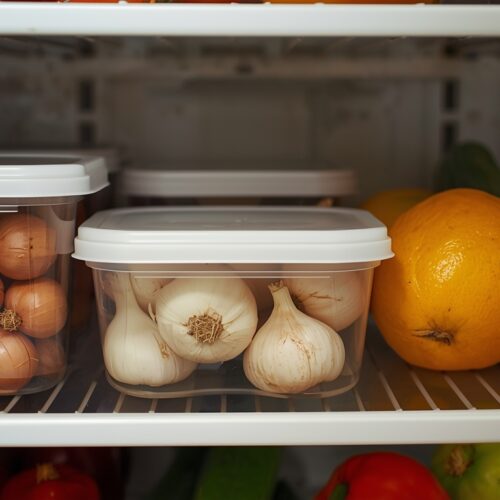
How Long Do Leftovers Last in the Fridge?
How long do leftovers last in the fridge? Most cooked food keeps 3-4 days. See the fridge and freezer chart, the 2-hour rule, and how to reheat safely.
Instructions
- Refrigerate leftovers within 2 hours of cooking — 1 hour if the temperature is above 90°F.
- Eat refrigerated leftovers within 3 to 4 days; after day four, throw them out even if they look and smell fine.
- Freeze what you will not eat in time — cooked leftovers frozen within the window keep 3 to 4 months at best quality.
- Reheat leftovers to 165°F internal temperature, measured with a food thermometer in the thickest part; bring sauces, soups and gravies to a rolling boil.
- Rice is the exception: cool cooked rice within 1 hour, refrigerate and eat within 24 hours, and reheat only once.
Notes
Keep the fridge at 40°F or below and the freezer at 0°F or below. Bacteria grow fastest between 40°F and 140°F — the danger zone. When in doubt, throw it out.
Every fridge has a container at the back nobody wants to claim — three days old, maybe a week. Is it still safe to eat, or should it go in the bin? Guessing wrong costs you either way: eat something turned and you risk food poisoning; throw away food that was fine and you waste money and a meal.
This is the hub article for that question. It brings together the USDA and FoodSafety.gov rules into one chart you can check in seconds, plus the rules behind it: fridge timing, the danger zone, safe reheating, and the one food — rice — that plays by different rules.
The Short Answer: 3–4 Days in the Fridge

Most cooked leftovers last 3 to 4 days in the fridge. That is the USDA’s headline rule, covering most of what we actually store: cooked meat and poultry, casseroles, stews, pizza, and chicken nuggets and patties. After day four, the risk of bacterial growth climbs past the point where the food can be called safe, even if it still looks and smells fine.
That “even if it looks fine” part matters: the bacteria that cause food poisoning do not always change how food looks, smells, or tastes. Leftover chicken can smell perfectly normal on day six and still carry enough bacteria to make you ill. This is why the rule is a number of days, not a sniff test — and why the chart below is worth bookmarking.
The freezer is the escape valve: cooked leftovers frozen within that window keep for 3 to 4 months at best quality, and the USDA notes that food kept continuously at 0°F or below stays safe indefinitely — it is quality, not safety, that declines. So the real decision is not “eat it or bin it” on day four, but “eat it or freeze it” on day three. Freeze what you will not get to while it is still fresh.
One exception: raw meat differs from cooked leftovers. Raw ground meat keeps only 1 to 2 days in the fridge, raw chicken or turkey pieces the same, and fresh steaks, chops, and roasts a little longer at 3 to 5 days. The chart below separates raw from cooked.
The Fridge and Freezer Storage Chart

Quick reference: fridge temperatures assume 40°F (4°C) or below; freezer temperatures assume 0°F (-18°C) or below.
| Food | Fridge (40°F / 4°C or below) | Freezer (0°F / -18°C or below) |
|---|---|---|
| Cooked meat or poultry (leftovers) | 3 to 4 days | 2 to 6 months |
| Soups and stews | 3 to 4 days | 2 to 3 months |
| Ground meat (raw) | 1 to 2 days | 3 to 4 months |
| Steaks, chops, and roasts (fresh) | 3 to 5 days | 4 to 12 months |
| Cooked ham | 3 to 4 days | 3 to 4 months |
| Chicken or turkey, whole (raw) | 1 to 2 days | 1 year |
| Egg, chicken, ham, tuna, and macaroni salads | 3 to 4 days | Does not freeze well |
| Luncheon meat (opened package or deli sliced) | 3 to 5 days | 1 to 2 months |
| Pizza (cooked) | 3 to 4 days | 1 to 2 months |
| Raw eggs in shell | 3 to 5 weeks | Do not freeze in shell |
| Hard-cooked eggs | 1 week | Do not freeze |
| Sausage, raw | 1 to 2 days | 1 to 2 months |
A few rows deserve a closer look. Cooked chicken is the leftover most people ask about — our guide to how long cooked chicken is actually safe in the fridge goes deeper. Cooked steak is similar, and our guide to whether cooked steak has gone bad covers the three signs to watch for. Seafood is the most time-sensitive of all: our cooked seafood shelf life visual guide walks through it food by food, and our piece on whether you can reheat seafood twice answers the question everyone asks about last night’s fish.
The full official chart, with more foods, is on FoodSafety.gov’s cold food storage chart page, and the USDA’s leftovers and food safety guidance is the source for the rules in the rest of this article.
The 2-Hour Rule (and the 1-Hour Rule)
The clock starts the moment food comes off the heat, not when it goes into the fridge. The USDA’s rule: refrigerate leftovers within 2 hours of cooking. Perishable food left out for more than 2 hours should be thrown away.
On hot days the window is shorter: above 90°F — a summer picnic, a barbecue, a kitchen with no air conditioning on a heatwave day — the limit drops to 1 hour, because bacteria multiply faster in warm conditions.
The practical version is about routine, not stopwatches: pack the leftovers away while you are clearing the table — not after the film ends, and not in the morning. The food does not need to be cold before it goes in the fridge; hot food can go straight in, or be chilled quickly in an ice or cold water bath first. Waiting for a big pot to cool on the counter is the mistake: the middle stays warm for hours, and that warm middle is exactly where bacteria grow fastest.
For large amounts, divide and conquer: split a big pot of soup or stew into shallow containers so it cools quickly, and cut large items into smaller portions — slice a roast, cut a turkey into pieces, and refrigerate the pieces rather than the bird. Cooling speed is one of the biggest factors in whether leftovers stay safe.
The Danger Zone: 40–140°F

Bacteria grow rapidly between 40°F and 140°F — the danger zone — and every rule here exists to keep food out of it. Below 40°F they grow slowly enough that food stays safe for days; above 140°F heat kills them or holds them in check. Between those numbers, they multiply fast.
Your fridge is the first line of defence, and it only works if it is cold enough. Keep it at 40°F (4°C) or below. Many fridges run warmer than their owners think, especially older or over-packed ones, because a crowded fridge cannot circulate cold air properly. A cheap fridge thermometer will tell you the truth in a day, and it is the most useful food-safety purchase a home cook can make.
Serving follows the same logic: keep hot food at 140°F or warmer, cold food at 40°F or below by nesting dishes in bowls of ice. Afterwards, discard cold leftovers left out for more than 2 hours, or 1 hour above 90°F.
How to Reheat Leftovers Safely

Reheating is not just about making food hot, but hot enough all the way through to kill the bacteria that grew during storage. The USDA’s rule: reheat all leftovers to 165°F internal temperature, measured with a food thermometer in the thickest part. Not “until it feels hot” — 165°F, measured.
Sauces, soups, and gravies have their own instruction: bring them to a rolling boil. A simmer is not enough — the surface can look hot while the middle lags behind. A rolling boil guarantees the whole pot has reached the temperature that kills bacteria.
Cover leftovers while you reheat them: the cover traps moisture and helps heat spread evenly, so food warms all the way through instead of drying on the edges and staying cool in the middle. In the microwave this matters more, because microwaves have cold spots where food barely warms. Cover the dish, rotate it if there is no turntable, add a splash of liquid if the food looks dry, and check the temperature in several places. Let it stand a minute first — cooking continues in dense foods after the microwave stops.
Two mistakes catch people out: reheating only part of a container, which leaves the rest sitting in the danger zone, and reheating the same leftovers again and again across several days. Each cycle adds danger-zone time. Reheat what you are going to eat, and eat it.
The Rice Rule: Cool Fast, Eat Within 24 Hours, Reheat Once
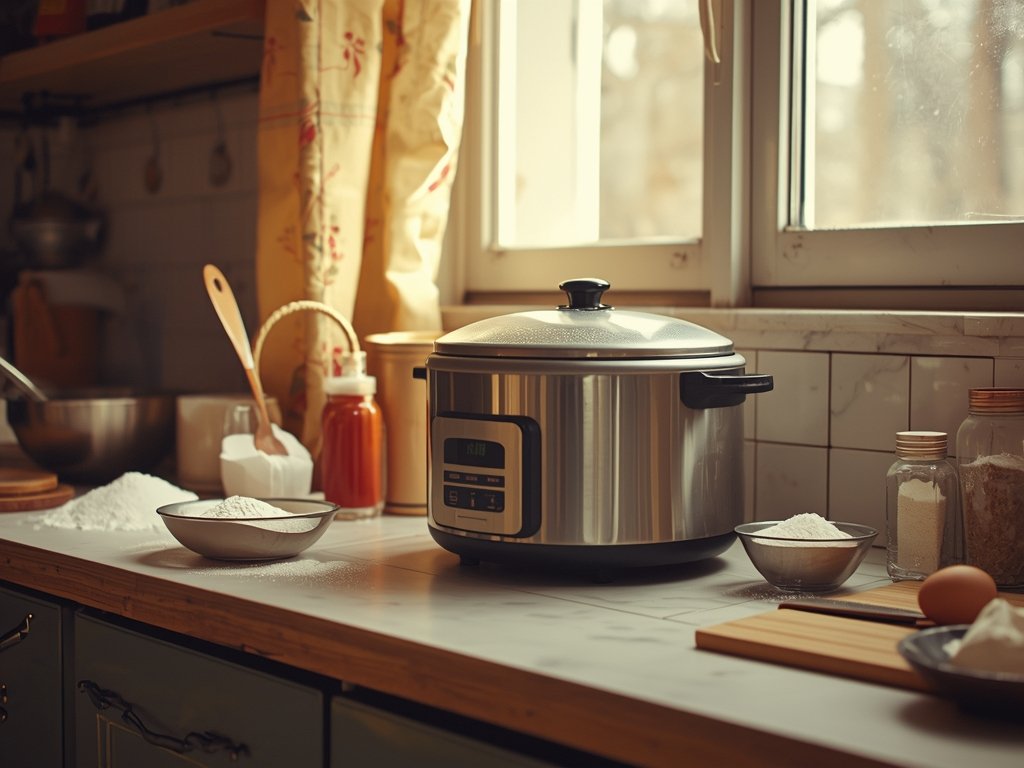
Rice is the exception to almost everything here, and the food most people get wrong. Cooked rice does not follow the 3-to-4-day rule — it follows a stricter one, because of a bacterium called Bacillus cereus.
Bacillus cereus forms spores that survive cooking. Cooking kills the bacteria, but the spores ride out the heat and wake up as the rice cools, and as they grow they can produce a heat-stable toxin that reheating cannot destroy. If rice has sat out too long, no amount of reheating makes it safe. That is the key difference from other leftovers, where reheating to 165°F is the fix. With rice, the fix has to happen before it cools, not after.
The Food Standards Agency rule is straightforward: cool cooked rice within 1 hour. Do not leave it cooling in the rice cooker, steamer, or pan — spread it out or transfer it to a shallow container so it cools fast. Refrigerate and eat within 24 hours. Reheat only once, until steaming hot all the way through.
The most common way people break this rule is the rice cooker: rice left sitting in a warm cooker for hours — or overnight — is the textbook case. The cooker holds it in the danger zone, the spores wake up, and the toxin builds. The same applies to rice left in the pan after dinner, and to takeaway rice left in its container on the counter. Cool it fast, fridge it, and eat it the next day — or freeze it.
Signs Your Leftovers Have Gone Bad

The chart gives you the days; your senses are the backup check. If the food is past its chart date, throw it out even if it seems fine. If it is within the date but shows any of these signs, throw it out too.
A sour or off smell. Fresh leftovers smell like the dish they came from; food that has turned smells sour, sharp, or simply wrong, usually obviously the moment you lift the lid. If you open a container and hesitate, that hesitation is the answer.
Slimy or sticky texture. Cooked meat that has gone bad often develops a slimy film, and vegetables in a stew can turn soft and slippery. If food feels tacky or slimy when it should feel firm, it has gone.
Visible mould. Mould on cooked food means the food is done — do not scrape it off and eat the rest. On leftovers, soups, and soft foods, the mould’s roots spread where you cannot see them. The whole container goes.
Colour changes, or a bloated container. Meat that has turned grey or green, or a sauce that has separated and changed shade, both mean the food has passed its safest point. A swollen container, or a lid that pops when opened, means gas has built up inside — gas means microbial activity. Do not taste food from a bloated container. Throw it away.
The hard truth is that their absence proves nothing: food can be unsafe and still look, smell, and taste normal, which is why the day limits matter more than any sniff test. The signs are a second safety net, not a replacement for the numbers. When in doubt, throw it out.
How to Store Leftovers So They Last

Good storage is what makes the 3-to-4-day rule work. Food stored badly will not last the full window; food stored well sometimes tastes better on day two than fresh.
Wrap leftovers well: cover them, or seal them in airtight containers. Good wrapping keeps bacteria out, holds moisture in, and stops leftovers picking up odours from the rest of the fridge. Use see-through containers, so you know what is inside without opening them — every opening lets warm air in and shortens their life.
Label everything with the date — a strip of masking tape and a pen is enough. Without a label, every container is a mystery, and mysteries get thrown away or eaten past their date. With one, you can see at a glance what needs eating today and what can wait.
Store in shallow containers, not deep ones: they cool faster, reheat more evenly, and stack better. A deep tub of stew cools slowly in the middle and reheats unevenly, so the centre spends longer in the danger zone twice — once cooling, once reheating. Two shallow containers beat one deep one every time.
Keep the fridge organised: leftovers on the upper shelves, away from raw meat on the bottom shelf, so nothing drips onto them. Soups and stews are the leftovers people store most often and get wrong most often — our guide to how to store leftover soup for maximum freshness covers the details.
Finally, freeze what you will not eat — on day one or two, while it is still fresh, labelled with contents and date. Thaw safely: in the fridge overnight, in cold water in a leak-proof bag, or in the microwave followed by heating to 165°F. Food thawed in the fridge should be used within 3 to 4 days. The whole system in one sentence: cool it fast, date it, eat it within 3 to 4 days or freeze it, and reheat it to 165°F.

Ghani is the founder of TwiceTasty and a passionate home cook who believes no meal should go to waste. What started as a personal mission to transform leftovers into exciting new dishes has grown into a community of food lovers who share the same philosophy.

← Previous
Fruit Smoothie Bowls with Crunchy Toppings – No Soggy Salad!
Next →
How Long Do Thanksgiving Leftovers Last?
Rate This Recipe
Tried this recipe? Share your experience and help others!