Follow Me On Social Media!

Thanksgiving dinner ends, the table is cleared, and the fridge is full — and then comes the question that decides whether any of it gets eaten: how long do Thanksgiving leftovers last? The answer is short enough to memorise and specific enough to use: three to four days in the fridge, counted from the day the food was cooked, and Monday is the deadline. Thanksgiving 2026 falls on Thursday, November 26, so the fourth day is Monday, November 30 — finish the leftovers by then, or freeze what is left before then.
This guide covers the short answer, the two-hour rule that comes before it, the chart for every dish on the table, why stuffing and gravy get the shortest window, what to freeze on Monday, the Monday test for food you are unsure about, and the reheating rule that applies to every dish. The numbers come from the USDA Food Safety and Inspection Service and FoodSafety.gov, and where their publications disagree — they do, on the freezer months and on gravy — the guide says so.
The Short Answer: Monday Is the Deadline
Cooked Thanksgiving leftovers last three to four days in the refrigerator, at 40°F or below, counted from the day they were cooked. For a Thursday dinner, that means the last good day is Monday — and FoodSafety.gov calls that Monday the use-or-freeze deadline, because it is the day to finish the leftovers or put them in the freezer. A dish cooked on Friday, like a fresh pot of soup or a second tray of rolls, counts from Friday, not from Thursday.

The rule is the same for almost every dish on the table, with two exceptions that matter: stuffing and gravy get a shorter window, and cranberry sauce gets a longer one. The freezer is the escape hatch: most leftovers keep their best quality for two to six months frozen, depending on the dish and the publication — the USDA’s food safety service puts frozen leftovers at three to four months, and FoodSafety.gov’s Thanksgiving guidance says two to six months — and food kept continuously frozen at 0°F stays safe indefinitely, with only quality declining. The difference between the two freezer figures is packaging and dish, not safety, and the planning number to use is three to four months. For the general version of the same rule, our guide to how long leftovers last in the fridge covers the three-to-four-day window for every kind of leftover, not just Thanksgiving.
The 2-Hour Rule: Into the Fridge, Hot
Before the three-to-four-day clock starts, there is a two-hour clock, and it is the one most people get wrong. Perishable food must go into the refrigerator within two hours of cooking — one hour if the room is above 90°F — and food that sits out longer than that is food to throw away, not food to refrigerate late. Bacteria grow fastest between 40°F and 140°F, which is exactly where a cooling table sits, and the two hours on the table are the most dangerous two hours the food will ever spend.

The mistake most people make is waiting for the food to cool before refrigerating it. A USDA survey found that 76 percent of people said they let leftovers cool to room temperature before putting them in the fridge — and that waiting is the problem, not the solution. Hot food goes into shallow containers and straight into the fridge, while it is still hot: the shallow container cools fast, the fridge can handle the heat, and the food spends minutes in the danger zone instead of hours. Carve the turkey, divide the sides into shallow containers, and get everything into the fridge before the plates are washed — that is the routine, and it is the one that makes the three-to-four-day window real. Consumer Reports puts it the same way: follow the two-hour rule, keep the fridge at 40°F or below, and know how long leftovers last — three to four days, no week-old turkey sandwiches.
The Chart: How Long Each Dish Keeps
Every dish on the Thanksgiving table has its own window, and the table below gives them all at a glance. The fridge column is the number to plan around; the freezer column is the best-quality window, not a safety deadline. The numbers are the USDA’s and FoodSafety.gov’s, and where two of their publications disagree, the table gives the shorter number and the text below explains why.
| Dish | Fridge (40°F or below) | Freezer (0°F), best quality |
|---|---|---|
| Cooked turkey, sliced | 3 to 4 days | 3 to 4 months |
| Turkey in broth or gravy | 3 to 4 days | 6 months |
| Stuffing / dressing | 1 to 2 days* | About 1 month |
| Gravy | 1 to 2 days* | 4 to 6 months |
| Mashed potatoes | 3 to 4 days | 2 to 3 months |
| Sweet potatoes | 3 to 4 days | 10 to 12 months |
| Green bean casserole | 3 to 4 days | 2 to 3 months |
| Cranberry sauce, homemade | 7 to 10 days | 1 to 2 months |
| Cranberry sauce, canned (opened) | Up to 2 weeks | 1 to 2 months |
| Dinner rolls | 3 to 4 days | 2 to 3 months |
*Stuffing and gravy carry an asterisk because the sources disagree: some USDA publications give them three to four days like other cooked dishes, and others — including university extension services — give them one to two days, because they are moist, dense, and slow to cool. The table gives the shorter number, because the shorter number is the safe one to plan around, and the section below explains why.
Why Stuffing and Gravy Get the Shortest Window
Stuffing and gravy are the two dishes that spoil fastest, and the reason is the same for both: they are moist, dense, and slow to cool. A slice of turkey cools in minutes; a deep dish of stuffing holds heat in its centre for an hour, and that hour is spent in the danger zone, where bacteria multiply fastest. Gravy is the same: a jug of hot gravy cools slowly, and the surface cools while the middle stays warm, which is the worst combination for food safety.
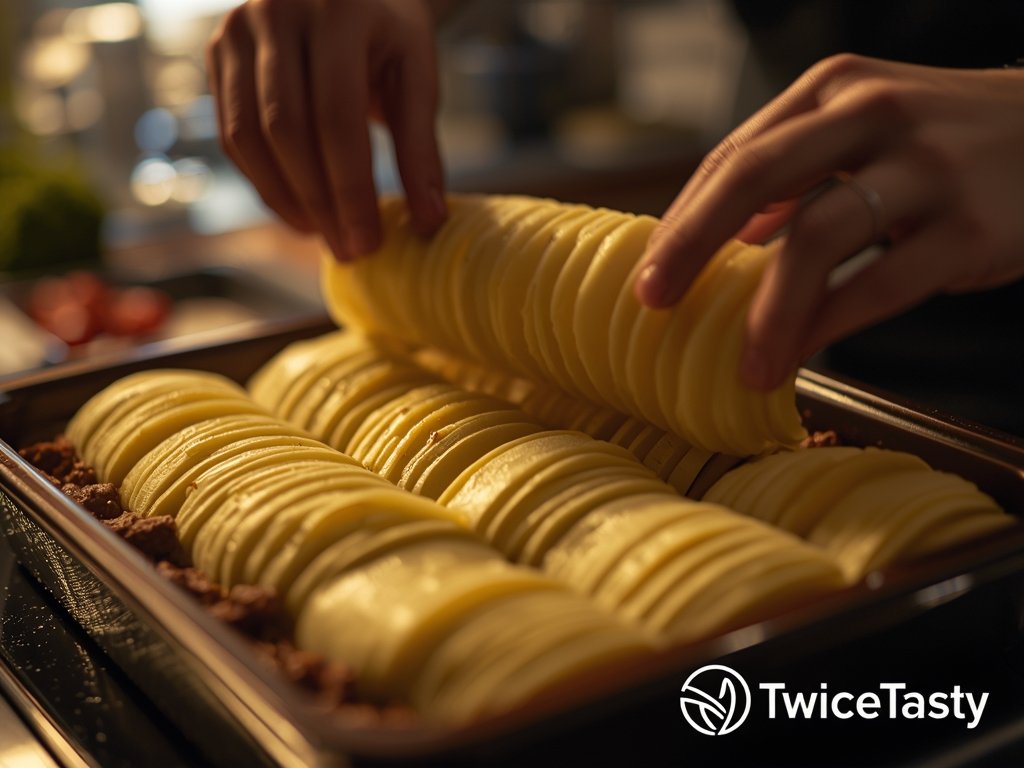
The practical fix is the shallow container. Spread stuffing in a container no more than two inches deep, and pour gravy into a wide, flat container rather than a tall jug — the shallow shape cools in minutes instead of an hour, and the food spends almost no time in the danger zone. Take stuffing out of the bird as soon as the turkey is carved: stuffing cooked inside the bird is the slowest part of the meal to cool, and it is the riskiest leftover on the table. And use the shorter window: if the stuffing or the gravy is more than two days old and you are not sure it was cooled properly, throw it away. The cost of a container of stuffing is nothing next to the cost of a food-poisoning weekend, and November and December are the peak months for the bacteria that cause it.
The Freezer: What to Freeze on Monday
Monday is the decision day, and the decision is simple: eat it, freeze it, or throw it away. Anything you will not eat by Monday goes into the freezer before Monday, not after — freezing does not reset the clock, and food frozen on day five is food that was already past its window. Freeze in meal-sized portions, in shallow containers or flat freezer bags, labelled with the contents and the date: “turkey slices, Nov 26” is worth more than any memory of what is in the freezer.

Freeze the turkey first, because it is the largest amount and the most useful frozen: sliced turkey for sandwiches, shredded turkey for soup, turkey in gravy for the longest window of all — six months, because the liquid keeps air off the meat. Freeze the soup and the mashed potatoes next, in portions, and freeze the gravy in an ice-cube tray, where it thaws a cube at a time. Do not freeze the cranberry sauce in a large container: it keeps a week or two in the fridge already, and it freezes best in small portions. And do not freeze the dinner rolls whole: freeze them in a bag with the air pressed out, and reheat them from frozen in the oven. For the freezing method in detail, our guide to freezing cooked chicken covers the same portioning and labelling system, and it applies to turkey piece for piece, and our guide to freezing mashed potatoes covers the side dishes.
The Monday Test: Smell, Look, and the 4-Day Count
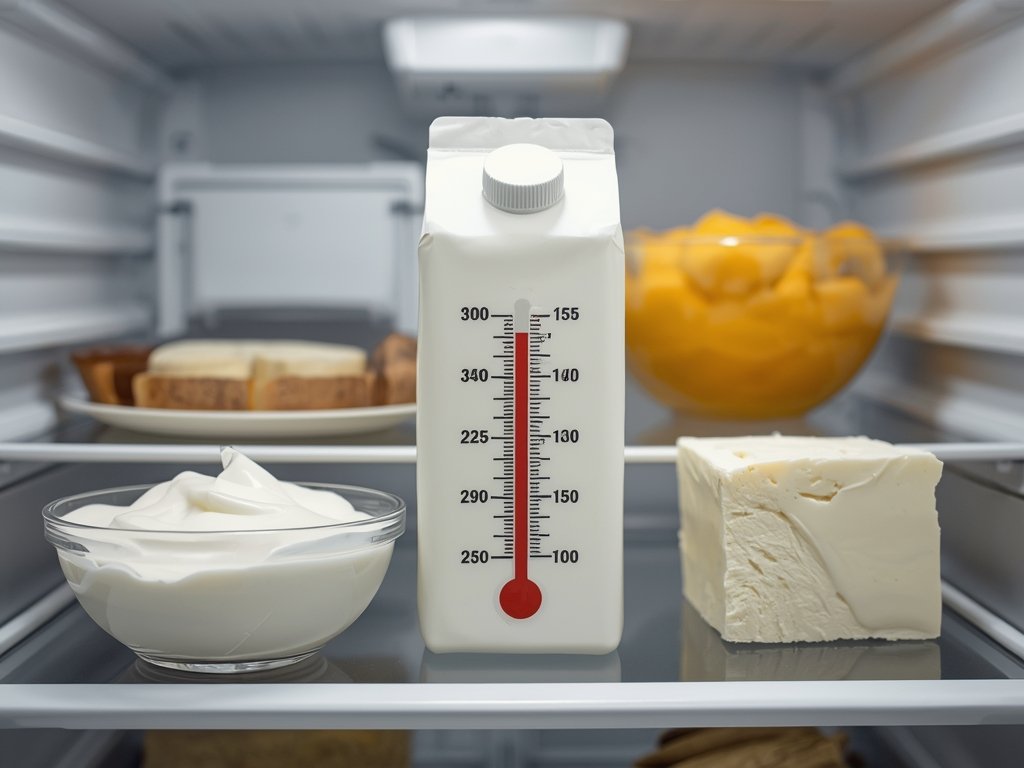
On Monday, test what is left before you eat it. The count comes first: if it was cooked on Thursday and it is Monday, it is on its last day — eat it today or freeze it today, and do not carry it to Tuesday. The look comes second: mould, sliminess, or a colour change — greying meat, darkened vegetables, a film on the surface — is a hard stop, and the food goes in the bin. The smell comes third: a sour, off, or unusually pungent smell is a hard stop too, and it is the sense to trust when the food looks fine.
What the test cannot do is guarantee safety. Bacteria that cause food poisoning do not always change the smell, the look, or the taste of food, and a container that smells fine on day five can still make you ill — which is why the count matters more than the senses, and why the four-day window is a rule rather than a suggestion. The USDA’s guidance is blunt about this: when in doubt, throw it out. A container of leftovers costs a few dollars; a weekend of food poisoning costs far more, and the leftovers that are most likely to be the problem are the ones that were left out too long on Thursday, not the ones that were stored properly and eaten on Monday.
Reheating: 165°F, Every Time
Every leftover reheats to the same number: 165°F, measured with a food thermometer in the thickest part of the meat or the centre of the casserole. That is the USDA’s safe minimum for reheated leftovers, and it applies to turkey, to stuffing, to casseroles, and to soup — and to gravy, which should be brought to a rolling boil rather than just warmed. Reheat once only, and eat it: turkey that has been reheated, cooled, and reheated again is dry and unsafe, and the second cycle is the one that gets people ill.

The method matters as much as the temperature. Low heat and added moisture keep the food from drying out while it warms: turkey slices in the oven at 300 to 325°F with a splash of broth, covered with foil; casseroles covered until the centre is hot, then uncovered for a few minutes to crisp the top; soup brought to a rolling boil and stirred. The microwave works for single servings at half power, in one-minute intervals, with a damp paper towel over the dish. For the turkey itself, our guide to what to do with leftover turkey covers the second lives that start from a reheated bird, and the FoodSafety.gov cold food storage chart gives the storage times for the foods around the turkey.
Frequently Asked Questions
Thanksgiving is Thursday, November 26, 2026 — what day is the deadline? Monday, November 30. Three to four days from Thursday lands on Sunday to Monday, and Monday is the last good day: finish the leftovers or freeze them by then. A dish cooked on Friday counts from Friday, so its deadline is Tuesday.
Can I freeze leftovers on Monday if they are still good? Yes — Monday is the day to freeze them. Food frozen within its fridge window keeps its best quality for months; food frozen after its window has passed is food that was already past its best, and freezing does not fix that.
How long does turkey last in the freezer? Three to four months for best quality as plain slices, up to six months covered in broth or gravy. It stays safe indefinitely at 0°F, but the quality declines — drier, flatter, more freezer burn — the longer it stays in.
Is it safe to eat leftovers on day five if they smell fine? No. The four-day window is a rule, not a suggestion, and bacteria that cause food poisoning do not always change the smell or the look of food. When in doubt, throw it out.

Ghani is the founder of TwiceTasty and a passionate home cook who believes no meal should go to waste. What started as a personal mission to transform leftovers into exciting new dishes has grown into a community of food lovers who share the same philosophy.

← Previous
How Long Do Leftovers Last in the Fridge? (The Chart + the Rules)
Next →
How Long Does Cooked Rice Last in the Fridge?