Follow Me On Social Media!

Cooked rice looks like the safest leftover in the fridge. It is plain, it is dry, it smells fine on day five, and it goes into fried rice without a second thought. It is also the leftover most likely to make you ill, and the reason is a bacterium that other leftovers do not carry in the same way: Bacillus cereus, whose spores survive boiling, grow in the danger zone, and produce a toxin that no amount of reheating destroys. Rice is not dangerous because it spoils fast — it is dangerous because it can look and smell perfectly fine while carrying a toxin that reheating cannot fix.
That is why the answer to this question is not just a number of days. The number matters — three to four days, with the details below — but the cooling window matters more: rice that was cooled fast and sealed promptly is a different food from rice that sat on the counter for three hours, even if both are on day two. This guide gives the number, explains the bacterium, and then works through the cooling, the storing, the signs, and the freezing — because with rice, the storage is the safety.
The Short Answer: 3 to 4 Days — and Cool It Fast
Cooked rice lasts three to four days in the refrigerator, at or below 40°F, in an airtight container, counted from the moment it came off the heat. That is the USDA’s general rule for cooked leftovers, and it is the number to plan around. Two other numbers exist and you will see them quoted: the USDA’s own FoodKeeper lists plain cooked rice at four to six days, and the UK’s Food Standards Agency advises one day. They are not three different facts about the same rice — they are three different scopes. FoodKeeper’s four-to-six-day figure is for plain rice only, cooled quickly and held cold the whole time; the FSA’s one day is the most cautious reading of the same risk; and the three-to-four-day rule covers all cooked rice, including rice mixed with meat, egg, or dairy.
Use three to four days unless you can vouch for all three conditions: the rice was cooled within an hour, sealed airtight, and held at 40°F or below without interruption. If any of those is uncertain — the rice sat out after dinner, the container was opened and closed, the fridge is full and warm — use three days, and freeze the rice on day two if you will not eat it. Rice mixed with meat, egg, or dairy follows the three-to-four-day rule either way, because the additions spoil faster than the rice. And the clock starts when the rice comes off the heat, not when it goes into the fridge — the hours on the counter count.
Why Rice Is Riskier: Bacillus Cereus
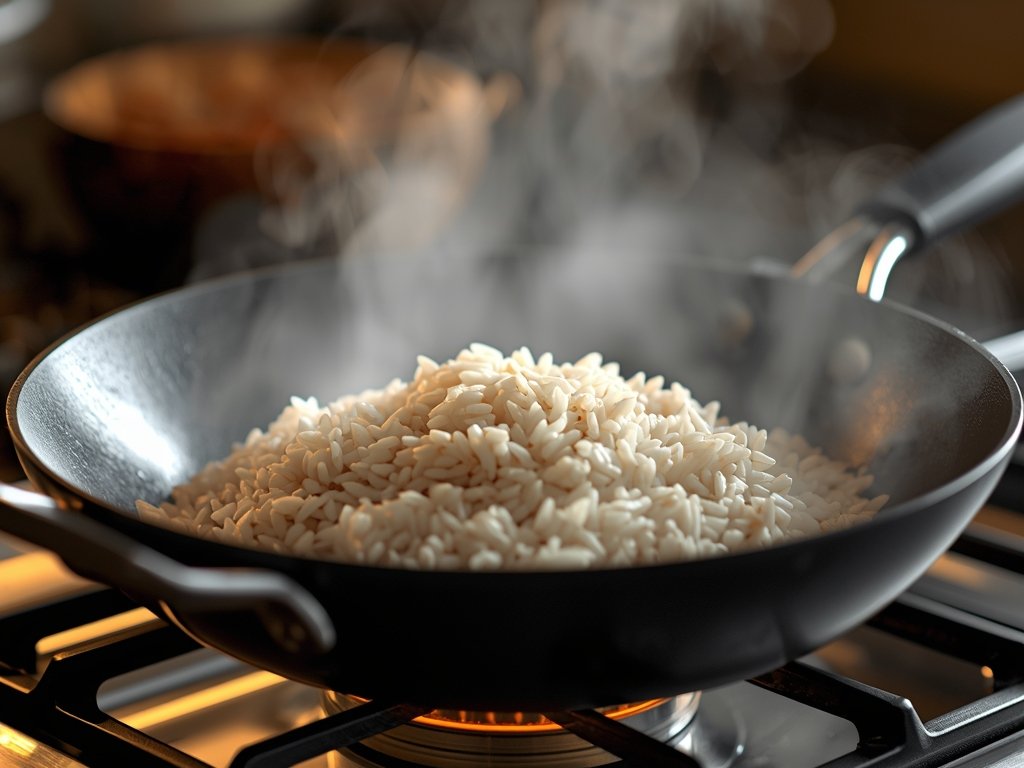
Raw rice carries spores of Bacillus cereus, a bacterium that lives in soil and therefore on most raw grains. Cooking kills the growing bacteria but not the spores: the spores survive boiling, and when the cooked rice cools into the danger zone — between 40°F and 140°F — the spores germinate, the bacteria multiply, and some strains produce a toxin called cereulide. The toxin is the problem, not the bacteria: it is heat-stable, which means reheating the rice to 165°F kills the bacteria but does not destroy the toxin that is already there. A bowl of rice that was left warm too long can be reheated until it is steaming and still make you ill.
That is what makes rice different from, say, cooked chicken. Chicken left warm too long grows bacteria that reheating kills; rice left warm too long grows bacteria that leave a poison behind. The symptoms — vomiting within one to five hours, sometimes with cramps — are the classic fried-rice syndrome: rice cooked in the morning, left out all day, and fried in the evening. The frying does not save it, because the toxin survives it. The only defence is the cooling window: get the rice cold before the spores have time to germinate, and the toxin never forms.
The Cooling Window: 1 Hour, Not 2
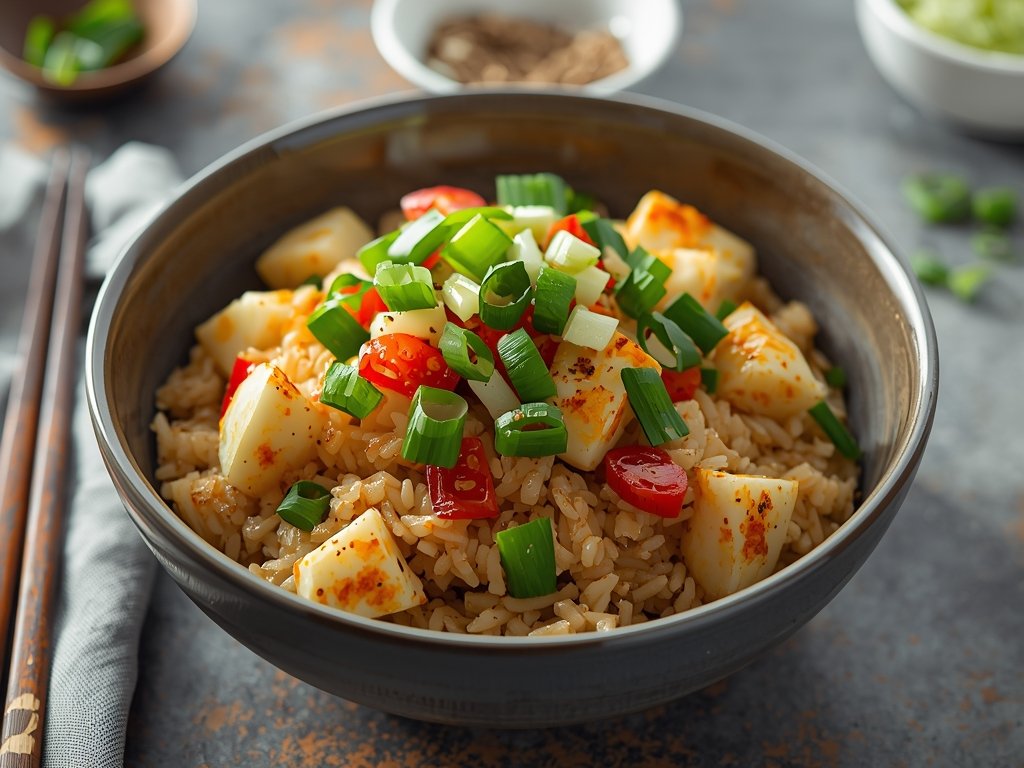
The two-hour rule — perishable food into the fridge within two hours — is the general rule, and it applies to rice. But for rice, one hour is the better target, and the reason is the spore: Bacillus cereus germinates fast in warm rice, and every hour in the danger zone is an hour of growth. Spread the rice out to cool rather than leaving it in the pot: a thin layer on a baking sheet cools in twenty minutes, while a deep pot of rice holds heat in its centre for an hour or more. Divide it into shallow containers, not one deep bowl, and put the containers in the fridge while the rice is still slightly warm — a shallow container cools fast enough that going in warm is safer than waiting on the counter.
How to Store It: Containers, Portions, and the Fridge Shelf

Store cooked rice in airtight containers, in meal-sized portions, on a fridge shelf — not in the door, where the temperature swings every time the door opens. A quart container holds about two servings; a pint holds one. Label each container with the contents and the day it was cooked, because rice on day two and rice on day four look identical, and the label is the only difference between them. Press a piece of plastic wrap directly onto the surface of the rice before closing the lid if the container is more than half empty — the wrap stops the top layer drying into hard grains.
The fridge temperature matters as much as the container: the fridge must hold at or below 40°F, and a fridge thermometer is worth the few dollars it costs, because a fridge that reads 45°F is a fridge that is quietly shortening every leftover’s life. And keep the portions small: a container you open once and finish is safer than a large container opened four times, because every opening lets warm air in and every serving spoon carries bacteria back.
The Chart: Rice by Type

Not all rice keeps the same, and the differences are worth knowing. White rice — jasmine, basmati, long-grain — follows the standard three to four days, and it is the rice the FoodKeeper four-to-six-day figure applies to, when it is plain and cooled fast. Brown rice keeps three days, a day less, because its bran layer carries oils that go rancid faster than white rice’s starch — brown rice that smells sharp or paint-like is past it, even if it is only on day three. Wild rice, which is a grass seed rather than a true rice, keeps four days and is less prone to bacterial growth, but it should still be checked for mould.
Rice mixed with other food follows the shorter window of its additions. Fried rice with egg and vegetables is a three-to-four-day leftover, because the egg is the limiting factor. Rice with chicken or meat is three to four days, because the meat is. Rice pudding, made with milk and sugar, is two to three days, because the dairy is. The chart is a guide, not a guarantee: when in doubt, the earlier number wins, and freezing on day two beats guessing on day four.
When to Throw It Out: The Signs — and Their Limits

Rice that has gone off does not always announce itself. The signs, when they appear, are a sour or sharp smell, a slimy texture, grains that clump and feel wet rather than separate, discolouration, or visible mould — white, green, or black spots on the surface. Any one of those means the rice goes in the bin, regardless of the day count: a container on day two with mould is worse than a container on day four without it, and the calendar never overrules what you can see and smell.
But the limits matter more than the signs. Bacillus cereus toxin is odourless and invisible: rice can look and smell completely normal while carrying enough toxin to make you ill, and that is why the day count is the real rule and the signs are only a backup. If the rice is past four days, throw it away even if it looks fine. If it sat out for more than two hours, throw it away even if it is on day one. The cost of a cup of rice is nothing against a night of food poisoning, and the bin is the right place for rice you cannot vouch for.
Reheating: 165°F, and Only Once

Reheat rice to 165°F all the way through, and reheat it only once. The best method is the microwave with a splash of water: put the rice in a microwave-safe dish, sprinkle a tablespoon of water over each cup, cover with a damp paper towel or a lid, and heat in one-minute intervals, stirring between each, until the rice is steaming and the thermometer reads 165°F. The water is not optional — reheated rice without added moisture comes out hard and dry, because the fridge has taken water the grains need back. The steamer is the second-best method, and the skillet is the third: a splash of water in the pan, a lid on, medium heat, five minutes, stirring once.
Two warnings. First, reheating does not fix bad storage: if the rice sat warm too long before it was refrigerated, the toxin is already there, and 165°F will not remove it. Second, do not reheat the whole container three nights running — reheat only the portion you will eat, and throw away what is left of a reheated portion rather than putting it back. Each cycle dries the rice further and gives bacteria another window, and the safe rule is one reheat, to 165°F, eaten at once. For the best use of day-old rice, our guide to fried rice from leftover white rice uses rice that is a day old on purpose — day-old rice fries better than fresh, because it is drier and the grains stay separate.
Freezing Instead: The Better Plan After Day Two
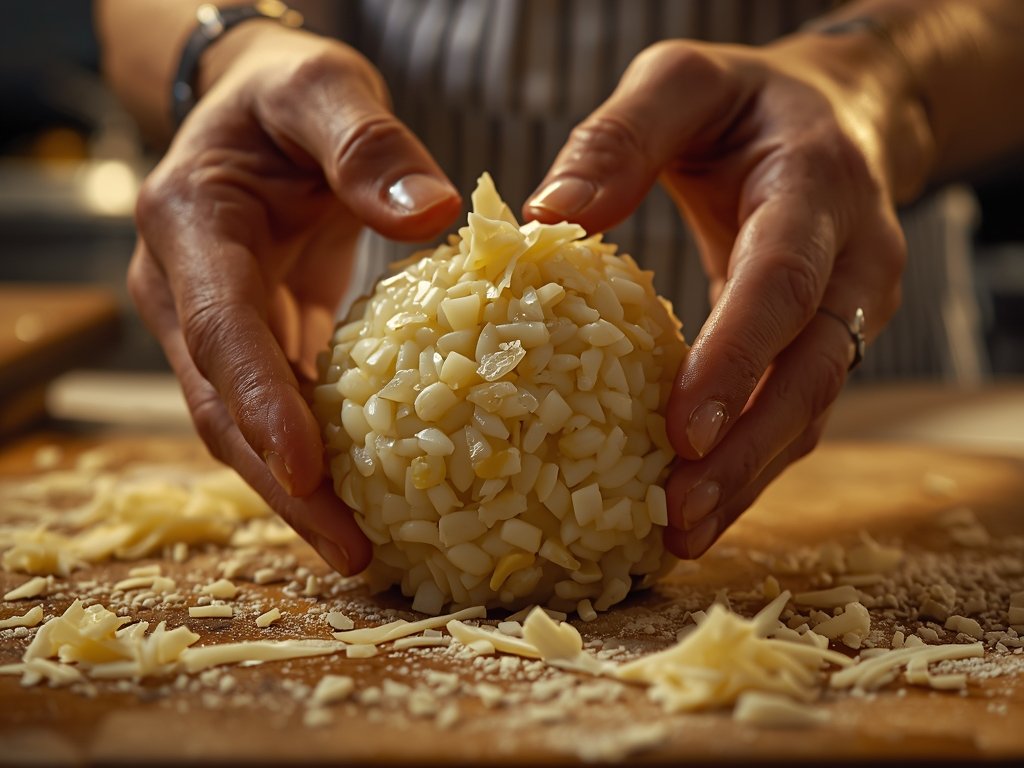
If the rice will not be eaten within three to four days, freeze it on day one or day two, not on day four when the decision is already late. Spread the cooled rice on a baking sheet in a thin layer and freeze it for an hour, then tip it into freezer bags, press the air out, and label them — the flat-freeze stops the grains clumping into a solid block, and the bags stack flat in the freezer. Frozen rice keeps six months for best quality, and it stays safe indefinitely at 0°F; the limit is texture, not safety. Thaw overnight in the fridge, or reheat straight from frozen in the microwave with a splash of water, in one-minute intervals, to 165°F.
Freezing is the right answer to the rice problem in a way that refrigerating longer is not: the freezer stops bacterial growth entirely, while the fridge only slows it. Frozen rice is as good in fried rice as fresh-cooled rice — better, in fact, because freezing dries the grains slightly, which is exactly what fried rice wants. Our guide to leftover rice ideas covers the five ways to use the rice once it is saved, and the freezer is what makes the fifth idea possible on a busy weeknight.
Frequently Asked Questions
How long does cooked rice last in the fridge? Three to four days, at or below 40°F, in an airtight container. The USDA’s FoodKeeper lists plain rice at four to six days, but only when it was cooled fast and held cold throughout — use three to four days unless you can vouch for that.
Can you eat rice after 5 days in the fridge? No. After four days, throw it away even if it looks and smells fine — Bacillus cereus toxin is odourless and invisible, and reheating does not destroy it.
How long can cooked rice sit out? Two hours at most, one hour if the room is above 90°F. Rice left out longer should be thrown away, not refrigerated — the toxin may already have formed.
Can you freeze cooked rice? Yes — flat-freeze it on a baking sheet, then bag it. Best quality six months, safe indefinitely at 0°F. Thaw in the fridge or reheat from frozen to 165°F.

Ghani is the founder of TwiceTasty and a passionate home cook who believes no meal should go to waste. What started as a personal mission to transform leftovers into exciting new dishes has grown into a community of food lovers who share the same philosophy.
