Follow Me On Social Media!

Cooked rice is the leftover almost every kitchen produces and almost nobody plans for. You make a pot for dinner, and by the next morning half of it is a cold, clumped block in the fridge that looks like nothing you want to eat. Most of it gets thrown away, which is a waste, because leftover rice is not a lesser version of fresh rice. For the dishes that matter, it is the better ingredient: cold, day-old rice fries better, holds its shape, and absorbs flavour in a way that fresh, soft rice simply cannot match.
This is a roundup of five ideas that use leftover rice properly, each one a real dish rather than a dressed-up side. One of them, arancini, is a full recipe on this site; the others are methods you can adapt to whatever rice and leftovers you already have. Every idea assumes rice that was cooled and stored correctly — the safety section at the end is the one part you should not skip.
Why Day-Old Rice Beats Fresh Rice
The reason is simple: cooked rice keeps losing moisture as it sits in the fridge. The grains firm up and the rice stops clumping together. Fresh rice is soft and wet, so it steams in a hot pan instead of frying, and turns to paste in a mixture. Day-old rice does the opposite. The grains stay separate, they crisp at the edges in hot oil, and they hold together in a ball or a patty without turning to mush.
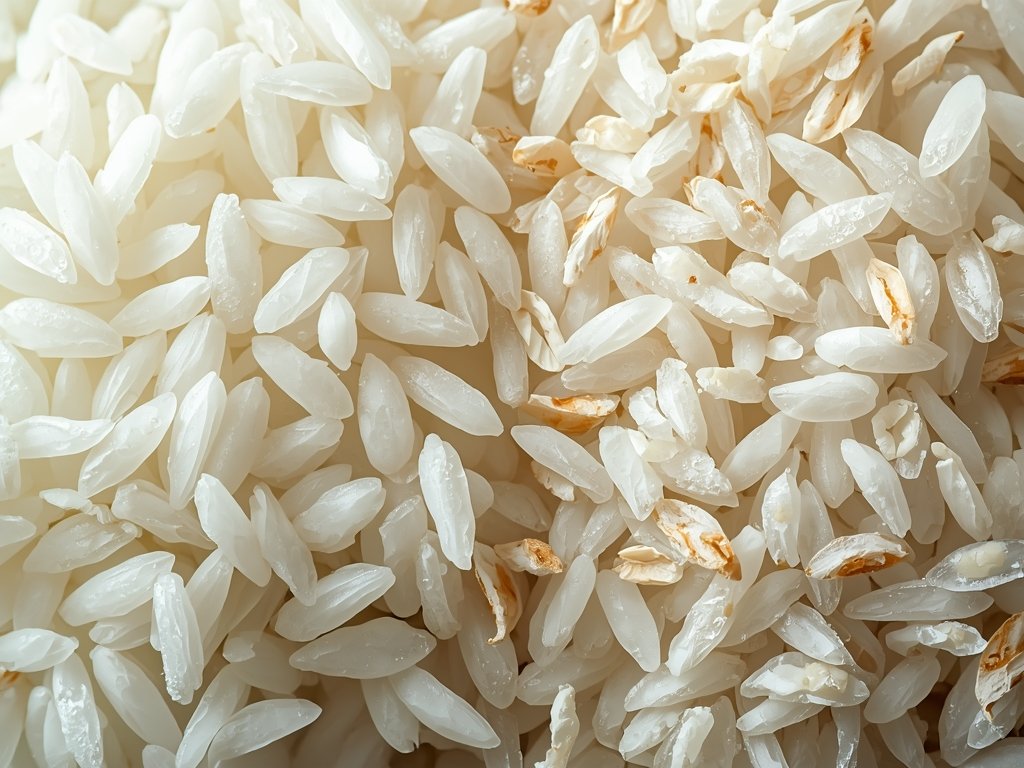
It is the reason professional kitchens want yesterday’s rice for fried rice, and why every good arancini recipe starts with cold risotto. The same change that makes leftover rice look unappetising on its own — firm, dry grains — is exactly what makes it work in a pan, in a fryer, and in a stuffing. So the first step in all five ideas below is the same: use the rice cold, straight from the fridge, and break up any clumps with your fingers or a fork before you start cooking with it.
One note applies to all five ideas: taste the rice first. Plain rice is a blank canvas; rice that was already heavily seasoned needs less seasoning in the new dish, or the flavours will stack up and overpower it. And if the rice smells off, feels slimy, or has sat past the safety window in the last section, throw it away — no idea in this roundup is worth eating rice that has turned.
1. Fried Rice: The Classic, Done Properly
Fried rice is the first idea for a reason: it is the dish day-old rice was made for, and it is the fastest way to turn a fridge container into a meal. Heat a wide pan or wok until it is properly hot, add a little oil, and fry the cold rice in a single layer without stirring it for the first minute, so the grains touching the pan crisp. Then toss it, push it aside, scramble an egg in the space, and mix in whatever you have — vegetables, leftover chicken, peas, spring onions.

The tips that separate good fried rice from a soggy scramble are all small. Use cold rice, not warm rice, and do not crowd the pan: too much rice at once drops the temperature and the whole batch steams. Add the sauce at the end, not the beginning, and use less than you think — a tablespoon of soy sauce is usually enough for two cups of rice, and you can always add more at the table. Finish with a drizzle of sesame oil off the heat, so its flavour survives.
Fried rice is also the most flexible idea here, because it takes whatever leftovers you already have. The shredded chicken from a leftover rotisserie bird is a natural fit — dice it small, fry it with the rice, and you have two leftovers solved in one pan. Leftover vegetables, a single sausage, a handful of prawns: all of them work.
2. Arancini: Crispy Rice Balls With a Melting Centre
Arancini are Sicilian rice balls, and they are the best answer to the question of what to do with leftover risotto. A ball of cold risotto, pressed around a cube of mozzarella, rolled in breadcrumbs and fried until golden, is a genuinely impressive dish — crisp outside, creamy inside, with the cheese pulling apart when you break one open. Our full recipe, leftover rice arancini balls, walks through the whole method, including how to shape the balls so they hold together in the oil.

Risotto rice is sticky by design, and that stickiness lets a cold ball hold its shape without egg or flour to bind it. Plain long-grain rice needs a beaten egg mixed through it to bind, and even then the balls are more fragile. So if your leftover rice is risotto, arancini is the first idea to reach for; if it is plain rice, fried rice is the better call.
Keep the rice cold until you shape it, and let the shaped balls chill for thirty minutes before frying — warm rice will not hold a shape. Fry in hot oil, in small batches, and drain the balls on a rack rather than paper towels, so the bottoms stay crisp. Serve them hot as a starter or a snack.
3. Rice Pudding: The Sweet Second Life
Not every leftover rice idea has to be savoury. Rice pudding made from cooked rice is faster and gentler than the version that starts from raw grains, because the rice is already cooked — you are only warming it through in sweetened milk until it turns thick and creamy. Simmer two cups of cooked rice in two cups of milk with a spoonful of sugar, a pinch of salt, and a strip of lemon zest or a cinnamon stick, stirring often, for about fifteen minutes, until the milk thickens around the rice.

Keep the heat low: milk scalds easily, and a pudding that has caught on the bottom tastes of it no matter what you add afterwards. Stir often but gently, so the rice does not break down into porridge, and do not over-sweeten at the start — the rice absorbs sweetness as it stands. Finish with nutmeg or a spoonful of jam, and serve warm or cold.
Rice pudding is the best idea for rice that is a day or two old and has started to dry out, because the milk puts the moisture back. It works with any plain white rice, and it is one of the few dishes here where the rice does not need to be cold first — warm leftovers go straight into the pot. If you have leftover rice and a bit of milk, you have dessert.
4. Stuffed Peppers: Rice as the Filling
Stuffed peppers turn leftover rice into a main course with almost no extra cooking. Cut the tops off bell peppers, scoop out the seeds, and fill them with a mixture of cold rice, cooked mince or beans, chopped tomato, onion, garlic, and herbs. Top with grated cheese, stand them in a baking dish with a splash of water, cover with foil, and bake about forty minutes until the peppers are tender, then uncover for the last ten so the cheese browns.
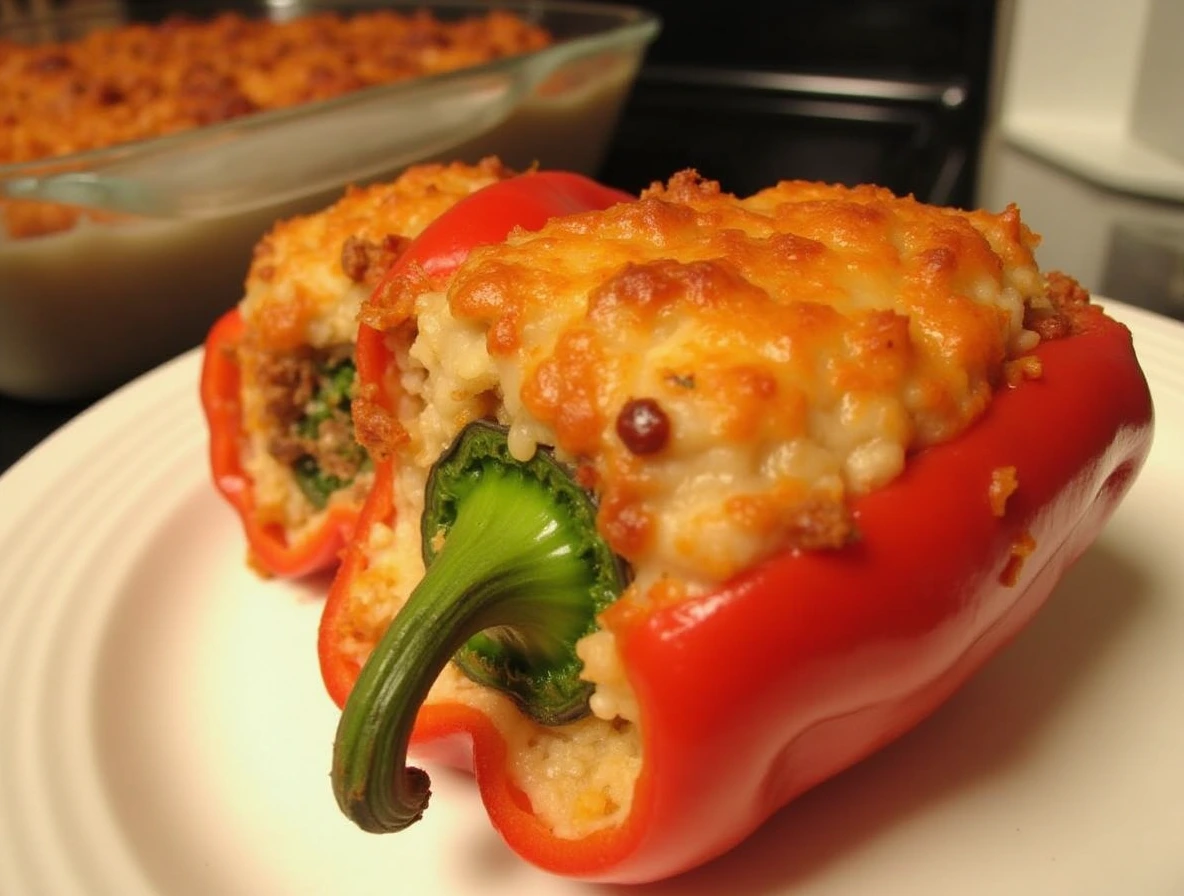
The trick is the filling, not the pepper. Season the rice mixture generously before it goes in, because the pepper adds no flavour of its own and the heat of the oven will not fix an under-seasoned filling. Taste it before you stuff: it should taste a little too strong, because the pepper and the cooking will soften it. If you are using beans instead of mince, add a squeeze of lemon at the end — it lifts the whole dish.
This is the most forgiving idea here, because the filling can be anything you have — leftover chicken, sausage, or just beans and cheese — and the peppers can be any colour. It is also a good way to use rice that is slightly too wet for fried rice: the oven dries the filling as the peppers bake. One pepper per person is a light lunch; two with a salad is dinner.
5. Rice Soup and Congee: The Comfort Option
The last idea is the gentlest one: cook the leftover rice in stock until it breaks down into a thick, comforting soup. Congee, the rice porridge found across Asia, is the classic version — rice simmered in stock or water for forty minutes or more, until the grains soften and the liquid turns silky. It needs little more than rice, stock, and salt; the toppings do the rest: a soft egg, shredded chicken, spring onions, chilli oil, soy sauce.
Congee is worth knowing about because it uses rice that would be past its best for any other purpose. Grains that have gone dry or slightly hard in the fridge are no problem here — the long simmer softens them completely, and a little extra stock fixes any thickness. Use about eight cups of stock to two cups of cooked rice, keep the heat low enough that it barely bubbles, and stir every ten minutes so nothing catches. Add more stock as it thickens.
The simpler version is a rice soup: add the cold rice to any soup you are already making in the last ten minutes of cooking, and it will absorb the flavour of the broth while adding body. It works in a chicken soup, a tomato soup, or a vegetable soup, and it turns a thin soup into a filling meal without extra shopping. If you have leftover risotto, this is another place it shines — the rice gives the broth a richness that plain stock cannot match.
Which Rice Types Work Best for Each Idea
Not all rice behaves the same way the day after cooking, and matching the rice to the idea saves disappointment. Long-grain rice — jasmine, basmati, and ordinary long-grain white rice — is the best choice for fried rice, because the grains stay separate and firm, which is exactly what a hot pan rewards. Medium-grain rice is the best all-rounder for stuffed peppers and rice pudding, where a little stickiness helps.
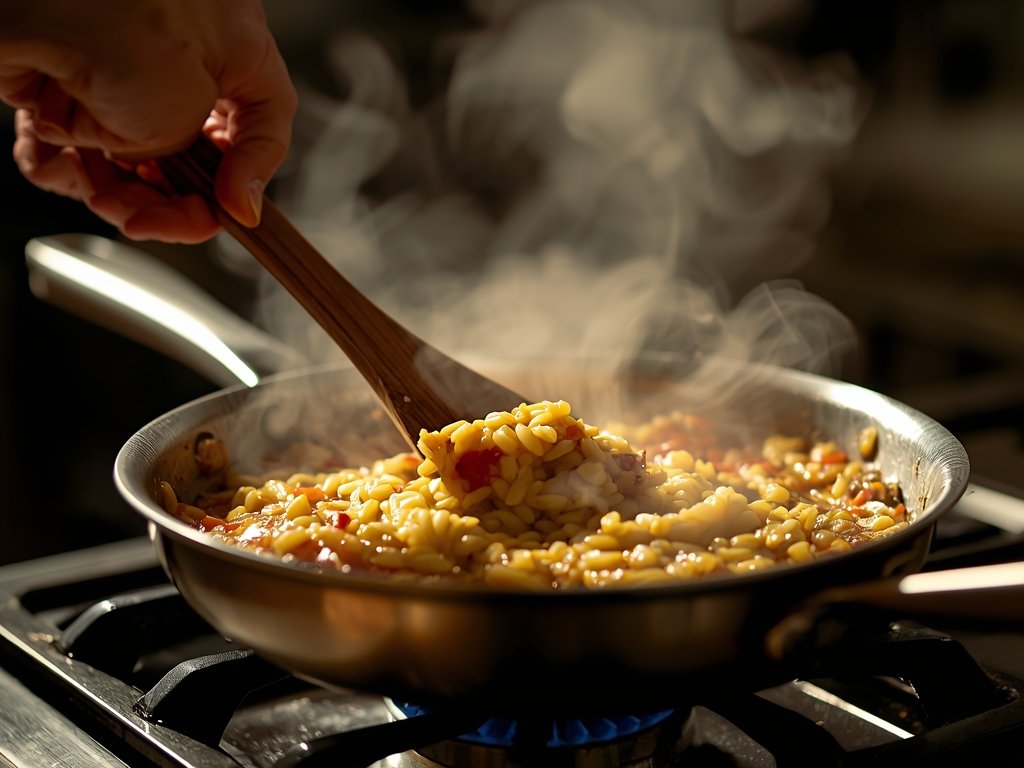
Risotto rice, usually arborio or carnaroli, is sticky by design and should be used where that stickiness helps: arancini, where it holds the ball together, and rice soup, where it thickens the broth. Do not use it for fried rice — the grains will clump in the pan and steam instead of crisping, and the result will be a sticky mass rather than separate fried grains. Brown rice, which keeps its bran layer, holds up well in fried rice and stuffed peppers, and its firmer texture means it can stand an extra day in the fridge without turning soft. Short-grain sushi rice is the stickiest of all, and is best kept for rice pudding, where the creaminess is the point.
Whatever type you have, the rule is the same: cold rice, broken up before cooking, matched to an idea that plays to its texture rather than fighting it. If you are not sure which rice you have, fried rice is the safe test: if the grains separate in the pan, it is long-grain; if they clump, switch to arancini or congee.
The Rice Safety Rule: Cool Fast, Eat Within 24 Hours, Reheat Once
Before any of these ideas, the safety rule. Cooked rice does not follow the usual 3-to-4-day leftover window from our guide to how long leftovers last in the fridge — it has its own, stricter one, because of a bacterium called Bacillus cereus. Its spores survive cooking, wake up as the rice cools, and can produce a toxin reheating cannot destroy, so the protection has to happen when the rice cools, not when you reheat it.

The Food Standards Agency rule is short: cool cooked rice within 1 hour, refrigerate and eat within 24 hours, reheat only once until steaming hot all the way through. Do not leave rice cooling in the rice cooker or pan — spread it out or transfer it to a shallow container so it cools fast, and never leave it sitting out overnight. Rice that has been left out too long cannot be saved by reheating, so if you are not sure how long it has been out, throw it away. The full rule is in our leftovers guide — but the one-line version is all you need here: cool it fast, eat it tomorrow, reheat it once.
The USDA’s leftovers and food safety guidance and FoodSafety.gov’s cold food storage chart are the official sources for the storage times used in this article.
That rule sets the planning window for these five ideas. They are best cooked the day after the rice was made, when it is at its firmest and still within the 24-hour window. Make the rice on Monday, cook one of these on Tuesday, and you have turned a leftover into a meal at its best.

Ghani is the founder of TwiceTasty and a passionate home cook who believes no meal should go to waste. What started as a personal mission to transform leftovers into exciting new dishes has grown into a community of food lovers who share the same philosophy.

← Previous
Classic Egg Salad Recipe (Creamy, No-Watery, Make-Ahead)
Next →
Roasted Pepper Antipasto Platter: How to Build It in 20 Minutes