Follow Me On Social Media!

A whole ham is a generous centrepiece and a stubborn leftover. You cook it for a holiday table, everyone eats their fill, and the next morning there is still a slab of it in the fridge the size of a small roast — too much for sandwiches, too good to throw away. The sandwich is the obvious answer, and after two days of it the obvious answer stops feeling like an answer at all. The ham is not the problem. The problem is treating it as one ingredient with one job, when it is really three: lean slices for quick dishes, scraps and dice for cooking, and a bone that is worth a pot of soup on its own. With Thanksgiving 2026 falling on 26 November, a lot of fridges are about to hold a lot of ham.
This roundup gives leftover ham seven jobs, and only one of them involves bread in the ordinary sense. A ham bone becomes split pea soup. Diced ham becomes fried rice and bean soup. Sliced ham becomes sliders and a croque monsieur. Eggs turn the scraps into quiche. And the last idea bakes ham into scones, which is the furthest a leftover can travel from a sandwich.
Why Leftover Ham Piles Up After the Holidays
A ham is bought by the half or the whole, and it is bought for a crowd; nobody buys a ham sized to one family dinner. What is left afterwards is a mix: thick slices from the centre, thinner end pieces, fatty edges, and a bone with meat still clinging to it. Thick centre slices are for sandwiches and sliders; the end pieces and scraps are for dicing into rice and soup, where their saltiness seasons the whole pot; and the bone is for stock. Every idea below pairs the ham with something plain — peas, rice, bread, eggs, beans — that absorbs the salt and spreads the flavour over a whole meal.

1. Split Pea Soup With the Ham Bone
The ham bone is the best part of the leftover, and split pea soup is the dish it was made for. Do not throw the bone away after carving: wrap it, refrigerate it, and use it within the same 3-to-4-day window as the meat. Rinse a pound of dried split peas, put them in a large pot with the ham bone, a chopped onion, two carrots, two celery stalks, and enough water to cover everything by a couple of inches. Simmer gently for about an hour and a half, skimming occasionally, until the peas have broken down into a thick purée and the meat is falling off the bone. Pull the bone out, pick off whatever meat is still attached, and stir the meat back into the pot. Season at the very end, and taste before you reach for the salt: the bone has already seasoned the soup, and a splash of vinegar or lemon juice at the end lifts the richness.
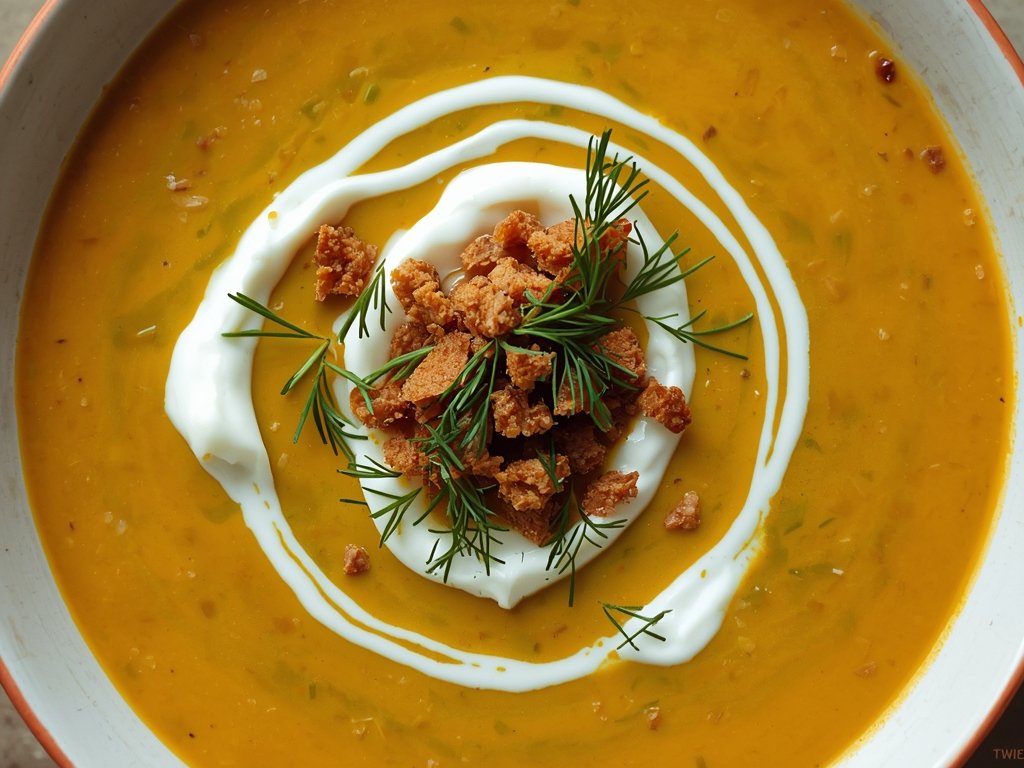
2. Ham Fried Rice
Fried rice is the fastest way to use up diced ham, and it works because ham is already cooked, already salty, and already cut into the small pieces a wok wants. Start with cold, day-old rice, and dice the ham small, about the size of a pea, so it fries evenly and distributes through the rice. Heat a wide pan or wok until it is properly hot, add a little oil, fry the ham first for a minute or two so its edges crisp, then push it aside and fry the cold rice in a single layer without stirring for the first minute. Add an egg, scrambled in the space you cleared, and whatever vegetables are in the fridge: peas, spring onions, diced carrot, sweetcorn. Season with soy sauce at the end, and use less than you think — the ham has already salted the pan, and a tablespoon of soy sauce for two cups of rice is usually plenty. Finish with sesame oil off the heat.

3. Ham and Swiss Sliders
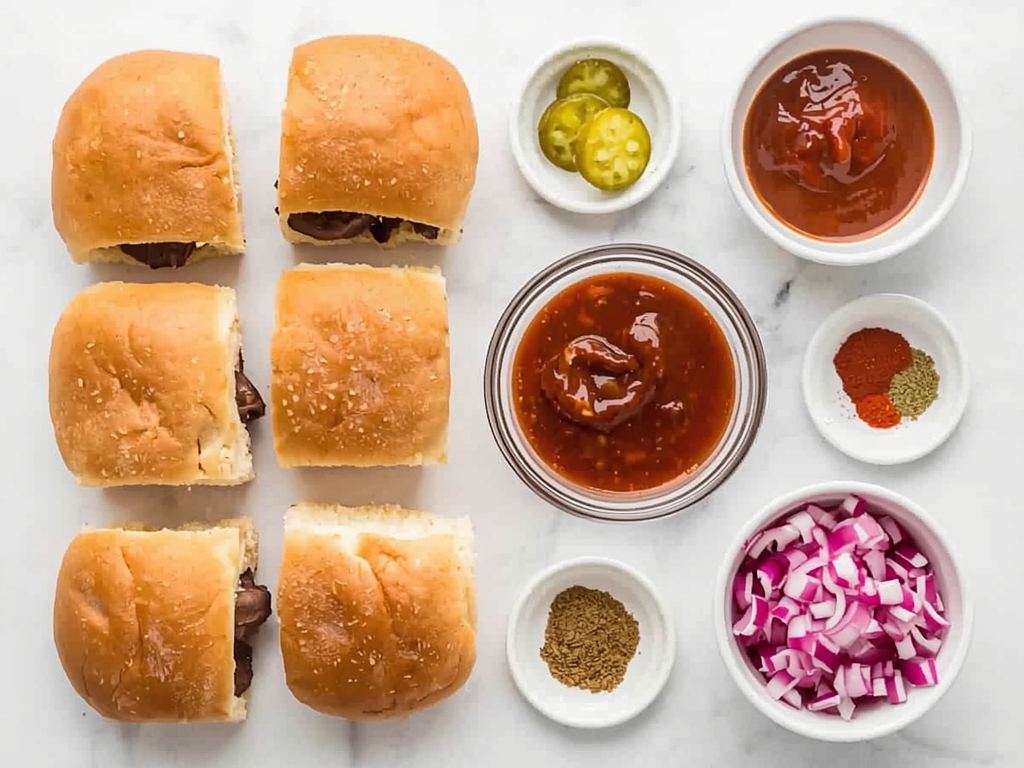
Sliders are the sandwich, done properly, and they are the idea to reach for when you have thick, good slices of ham and people to feed. Slice dinner rolls in half, lay the bottoms in a baking dish, and layer ham and Swiss cheese on each one — two folds of ham per roll, one slice of cheese. Brush the tops with melted butter mixed with a spoonful of Dijon mustard and a pinch of poppy seeds if you have them, and bake, covered, for about fifteen minutes until the cheese has melted, uncovering for the last five minutes so the tops crisp. The reason sliders beat a cold sandwich is the heat: warm ham, melted Swiss, and a buttered roll taste like a new dish, not a repeat of yesterday. Swiss is the classic pairing because it is mild and nutty and melts cleanly, but Gruyère or provolone work just as well.

4. Quiche or Frittata
Eggs are the best vehicle for ham scraps, and a quiche or a frittata is the dish that takes them. The difference is the crust: a quiche has one, a frittata does not, and the frittata is faster and more forgiving, so it is the better choice for a weeknight leftover. Beat six eggs with a splash of cream or milk, season lightly — the ham will do most of the seasoning — and stir in a cup of diced ham, a handful of grated cheese, and whatever vegetables need using: spinach, mushrooms, spring onions, leftover roast vegetables. For a frittata, cook it in an ovenproof pan on the hob until the edges set, then finish under the grill until the top is just set and lightly golden. For a quiche, pour the same mixture into a blind-baked pastry case and bake until the centre barely wobbles — about thirty-five to forty minutes. Either way, let it rest for ten minutes before cutting, so the filling sets and the slices hold. Serve it warm for dinner or cold for lunch; a single one takes a generous cup or more of diced ham, and it keeps two to three days in the fridge.
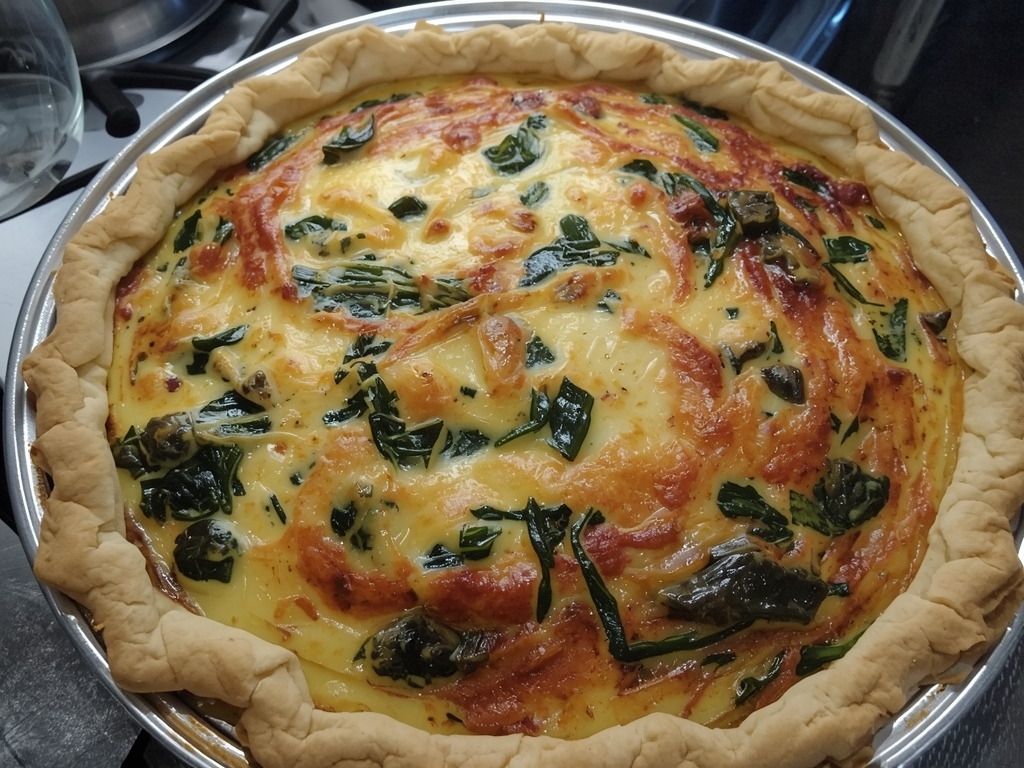
5. Ham and Bean Soup
If the bone has already gone into split pea soup, the diced ham still has a pot of its own to make: ham and bean soup. This is the cousin of the split pea soup, but it starts with canned or cooked beans instead of dried peas, so it is a thirty-minute dinner rather than a two-hour project. Sauté onion, carrot, and celery in a little oil, add garlic for the last minute, then add the beans, a couple of cups of diced ham, and enough stock to cover. Simmer for twenty minutes, season at the end, and finish with a squeeze of lemon and a handful of chopped parsley. White beans — cannellini or navy — are the classic choice, because they are creamy and mild and let the ham do the talking; chickpeas hold their shape better and give the soup more bite. If you have leftover mashed potatoes, a spoonful stirred in at the end thickens the soup without flour.
6. Croque Monsieur
The croque monsieur is the sandwich taken as far as it can go: white bread, ham, Gruyère, a thin layer of béchamel, and a hot grill. Butter two slices of bread on the outside, spread a thin layer of Dijon inside one, and layer ham and Gruyère in the middle. Fry or griddle the sandwich in a pan until the bread is golden and the cheese is melting, then spread a spoonful of béchamel on top, add more grated Gruyère, and put it under the grill until the top is bubbling and browned. The béchamel is the part that separates a croque from a toasted sandwich: melt a knob of butter, stir in a spoonful of flour, cook it for a minute, then whisk in milk a little at a time until it thickens into a sauce that coats a spoon. Season it with a pinch of nutmeg and a little salt — taste it, because the ham and the cheese are already salty, and the sauce should be the mild part.

7. Ham and Cheese Scones
The final idea is the furthest from the sandwich: bake the ham into scones. Our full recipe, leftover ham and cheese scones, walks through the method — diced ham and grated cheese folded into a scone dough, shaped into rounds or triangles, baked until golden. They come out of the oven in under half an hour, they are best eaten warm with butter, and they freeze beautifully, which makes them the most practical idea in the roundup for a large amount of ham: bake a batch, eat some now, freeze the rest. Scones work because the ham is inside the dough, not beside it, so the salt seasons the whole scone and the cheese melts into pockets around the ham. Handle the dough lightly — mix it until it just comes together, pat it out rather than rolling it hard, and keep everything cold before it goes in the oven, because a cold dough rises better. Cut the ham small, about pea-sized, so it distributes evenly.
Which Ham Works for Which Idea
Not all ham is the same, and matching the ham to the idea saves a disappointing result. A mild, honey-glazed or baked ham is the most versatile: gentle enough for sliders and croque monsieur, and sweet enough that the mustard and the cheese balance it. A saltier ham — a country ham or a heavily cured one — is better in the soups and the fried rice, where starch and vegetables absorb the salt, and it should be used in smaller quantities in the quiche, where the eggs cannot absorb it. Spiral-sliced ham gives you thin, even slices for sliders and sandwiches, and the bone that comes with it is still good for soup; a boneless ham gives you more usable meat per kilo but nothing for the stockpot.
How Long Leftover Ham Keeps (and How to Freeze It)
The storage numbers come from FoodSafety.gov’s cold food storage chart, and they depend on what kind of ham you have. Cooked ham that is store-wrapped in slices, halves, or a spiral cut — which is what most leftover holiday ham is — keeps 3–4 days in the fridge and 1 to 2 months in the freezer at best quality. Fresh ham that you cooked yourself keeps 3 to 4 days in the fridge. A fully cooked ham still in its unopened vacuum-sealed pack keeps about 2 weeks in the fridge. The safe approach is to use the shorter number: plan on 3 to 4 days in the fridge for carved ham, and cook or freeze it by then. The USDA’s rule for leftovers in general is the same 3 to 4 days in the fridge, and it adds the number that matters for cooking: reheat leftovers to 165°F, measured with a food thermometer.
Frozen ham is safe indefinitely at 0°F — what declines after 1 to 2 months is quality, not safety, because the texture dries out and the flavour fades. The practical rule is to freeze ham while it is still fresh, on day one or two, not on day four when it is already near the end of its fridge window; freezing pauses the clock, it does not rewind it. Slice or dice the ham before freezing, so you can thaw one portion at a time, wrap it tightly in foil and then in a freezer bag with the air pressed out, and label it with the contents and the date. For the full chart, the FoodSafety.gov cold food storage chart and the USDA’s leftovers and food safety page are the sources for these numbers, and our guide to how long leftovers last in the fridge sets them out for the whole fridge. For the other holiday leftover that fills the fridge at the same time, our guide on what to do with leftover turkey covers the same ground for the bird.

Ghani is the founder of TwiceTasty and a passionate home cook who believes no meal should go to waste. What started as a personal mission to transform leftovers into exciting new dishes has grown into a community of food lovers who share the same philosophy.

← Previous
What to Do With Leftover Roast Beef: 7 Ideas
Next →
Leftover Mashed Potatoes: 5 Ways to Use Them Up