Follow Me On Social Media!

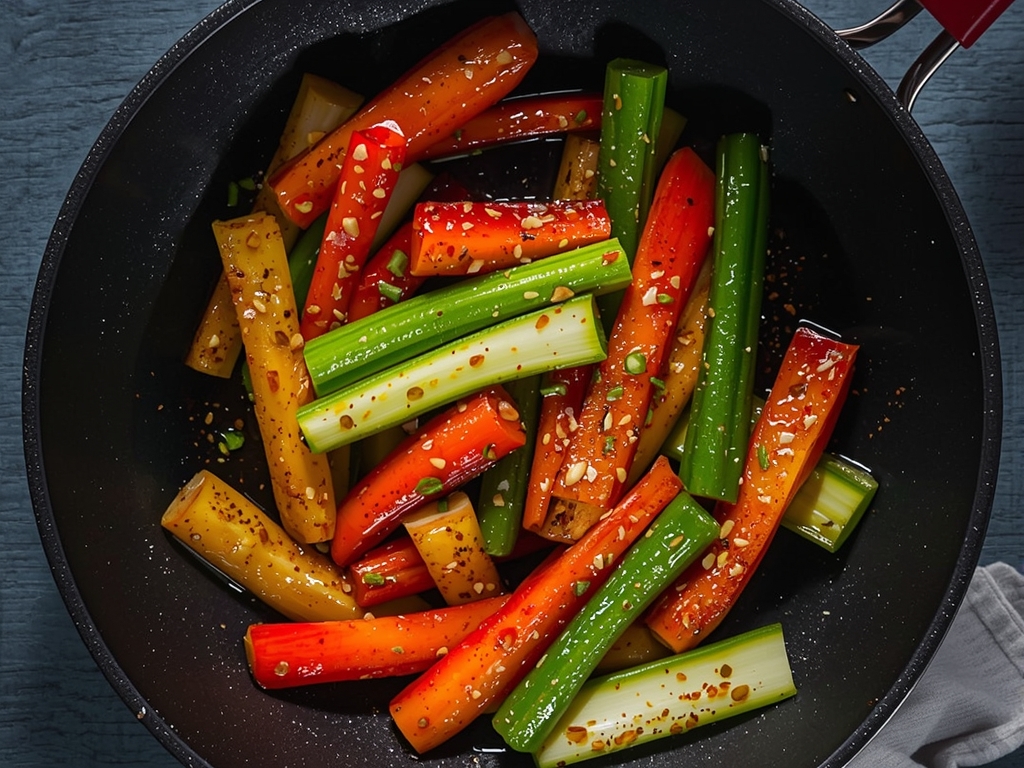
There is a specific kind of “morning after” guilt that comes with hosting. You stumble into the kitchen, eyes half-open, and there it is: the vegetable platter. It’s sitting on the counter or shoved into the fridge, looking tragic. The carrot sticks have gone limp and white at the ends, curling over the edge of the plastic tray like dying flowers. The celery ribs are bent and tired, their strings fraying. The broccoli florets look a little yellow and sad, and the ranch dip container has that dangerous “double-dip” swirl that makes you question your life choices.
Most people look at this pile of vegetation and feel a sense of obligation. You should eat it because it’s healthy. But chewing on a cold, rubbery carrot stick is a joyless experience. It feels like a chore. You scrape it into the compost or the trash, counting it as a loss. But stop right there. Those veggies aren’t bad; they are just dehydrated. And they are actually sitting on a goldmine of flavor potential. By taking those sad, raw sticks and hitting them with high heat and bold aromatics, we can transform them from a boring snack into a vibrant, zesty stir-fry that tastes like it came from a restaurant, not a rescue mission.
The Science of the Wilted Stick
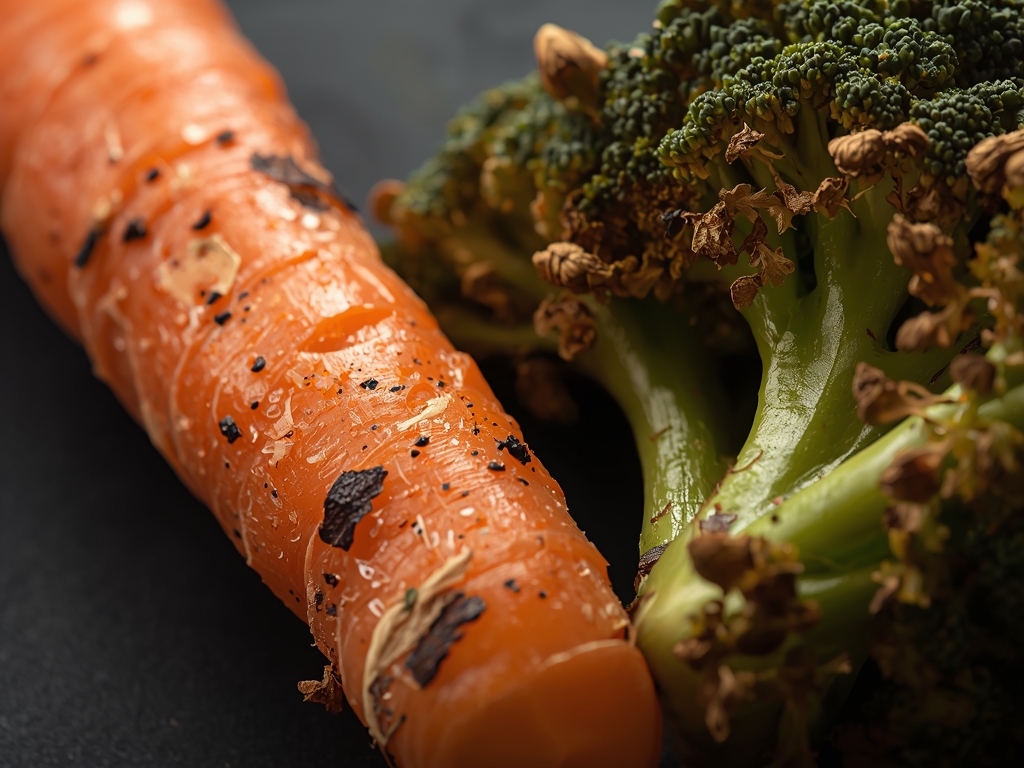
To understand how to fix this, we have to look at what happened to those carrots and cucumbers overnight. Raw vegetables are essentially water balloons held together by cellulose. When they are cut from the root or the stalk, they lose their pressure source. In the dry air of the fridge, they start to transpire—they lose water to the atmosphere. That’s why the carrots go limp; the internal pressure has dropped and the cell walls have collapsed.
But here is the secret: the flavor is still there. In fact, sometimes it’s even more concentrated because the water volume has decreased slightly. The problem is the texture. Raw, crisp veggies need that “snap” to be enjoyable. When they are limp, the mouthfeel is unappealing. However, limp veggies are actually perfect for stir-frying. Fresh, crisp veggies can sometimes release too much water in the wok, turning the sauce into a soup. Because our crudités have already lost a significant amount of moisture, they are primed to caramelize. They are ready to absorb flavor without making a mess. We aren’t trying to bring back the raw crunch; we are going to create a new kind of crunch—a charred, tender-crisp bite that sings with garlic and acid.
The High-Heat Resurrection
The strategy here is aggression. You don’t want to steam these; you want to shock them. Get your wok or a large skillet ripping hot—almost smoking. We are talking high heat. Add a neutral oil with a high smoke point, like avocado or grapeseed oil.
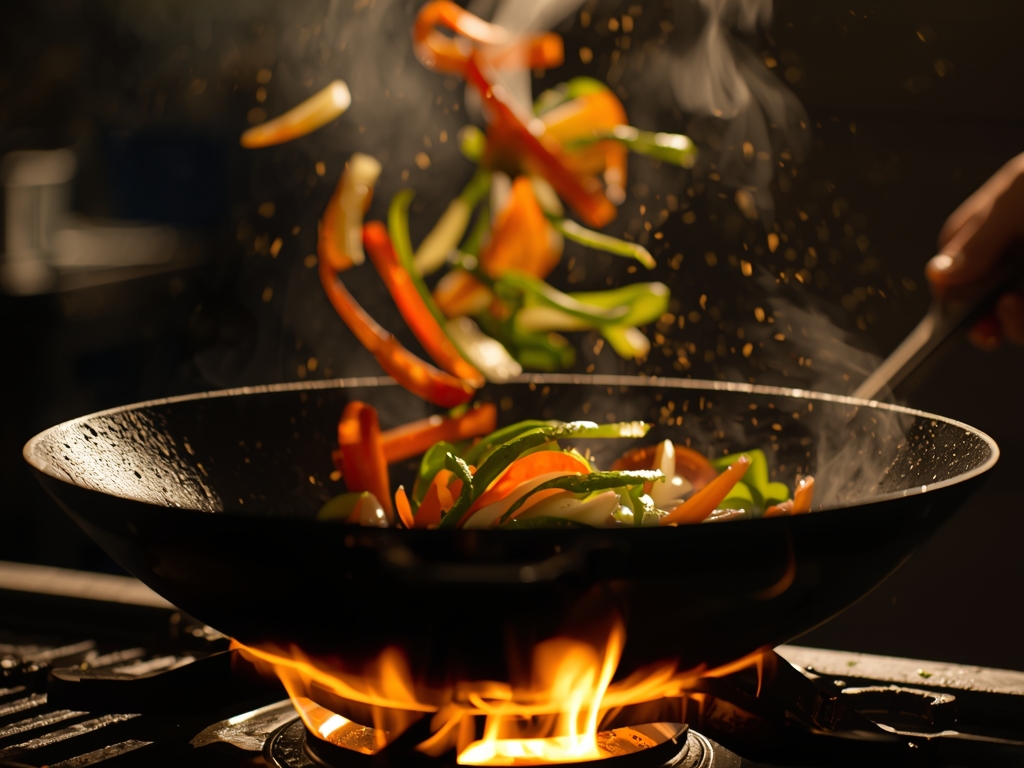
Now, grab a knife and attack that platter. Cut those carrots into coins, not sticks. Slice the celery on a bias. Break the broccoli into tiny florets. We are increasing the surface area so they cook fast. Toss them into the hot oil.
Listen to the sound. It shouldn’t be a gentle simmer; it should be a roar. The water remaining in the veggies will hit the oil and instantly turn to steam, puffing the cell walls back up slightly—a little like a popcorn kernel. We are essentially flash-frying them.
We need to build the flavor base immediately because these veggies have been sitting in a fridge absorbing off-flavors. Toss in minced ginger and garlic. Lots of it. The hot oil will fry the garlic, turning it golden and fragrant. This masks any “fridge” taste. Add some dried red pepper flakes for heat. The high heat will toast the spices, releasing their oils into the vegetables.
Stir-fry hard. Toss the pan constantly. You want the edges of the carrots and broccoli to take on some color. You want a few char spots. That char is flavor. It provides a bitter, smoky note that contrasts with the natural sweetness of the vegetables. Because they started out limp, they will become tender faster than fresh veggies, so keep an eye on them. You want them to retain a little bite, not turn into mush.
The Zesty Glaze Upgrade
We have the texture—tender-crisp with charred edges. Now we need the “Zesty” part of the title. A simple soy sauce wash is fine, but we want to wake up the palate. We need acid and sweetness to balance the savory heat of the garlic and ginger.
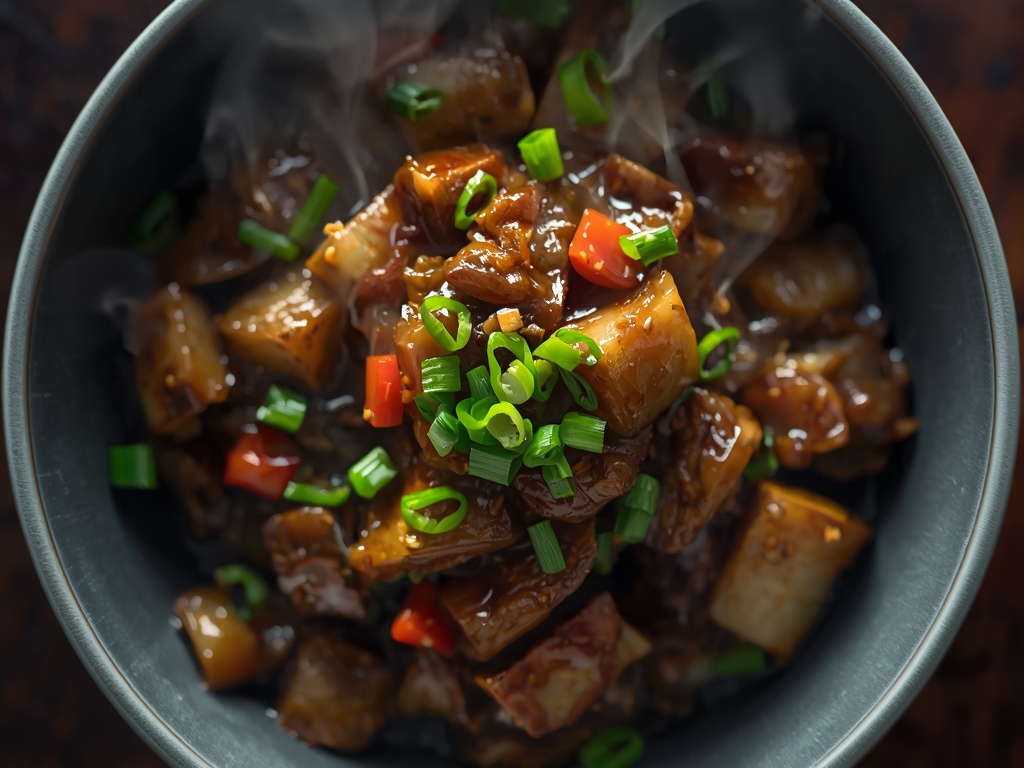
In a small bowl, mix together soy sauce, a spoonful of brown sugar (or honey), and a generous squeeze of fresh lime juice. This is your glaze. The sugar helps caramelize the veggies in the final seconds of cooking, creating a sticky, glossy coating. The lime juice is the game-changer. It cuts through the oil and adds a bright, high note that makes the vegetables taste fresh again, masking the fact that they were leftovers.
Pour this glaze over the vegetables right at the very end. Toss the pan to coat everything. The sauce will bubble and thicken rapidly, clinging to the charred edges of the carrots and celery. It will turn into a sticky, savory-sour lacquer.
Turn off the heat. This is the moment that separates dinner from “dinner.” Throw in a handful of fresh scallions or cilantro. Toss them once so they wilt slightly in the residual heat. The green color pops against the dark, glossy sauce. The fresh aroma hits your nose before you even take a bite.
You’ve taken a tray of sad, cold rabbit food and turned it into a hot, savory, spicy, and sweet side dish that stands on its own. The texture is vibrant, the sauce is complex, and best of all, you didn’t have to chop a single fresh vegetable. You rescued the crunch and elevated the flavor.
Frequently Asked Questions
Can I use the leftover ranch or onion dip in the stir-fry?
It sounds weird, but it actually works! If the dip is thick, you can thin it out with a little broth or water and toss it in at the end instead of the soy glaze. It creates a creamy, savory stir-fry that tastes like a savory dip. Just be careful because dairy-based dips can separate if boiled, so add it off the heat.
What if my veggies were originally served with a heavy veggie dip? Rinse them. Just give them a quick rinse under cold water and pat them dry with a paper towel. You don’t want the herbs and spices from the clumpy dip interfering with the Asian flavors of the garlic, ginger, and soy. A clean slate is better for this transformation.
Can I add protein to this? Absolutely. This stir-fry is a great base for leftover chicken, shrimp, or tofu. Since the veggies cook fast, if you’re adding raw protein, cook that first and set it aside. If you’re using leftover cooked protein, toss it in at the very end just to warm it through so it doesn’t get tough.

Amara writes for the Tasty Remakes category, turning everyday leftovers into creative new dishes. Her recipes focus on practical transformations that save time and reduce food waste — proving that yesterday’s dinner can become today’s best meal.

← Previous
Leftover Mashed Sweet Potatoes: The Secret to Fluffy Morning Pancakes
Next →
Leftover Brisket Mac and Cheese: The High-Protein Comfort Meal