Follow Me On Social Media!

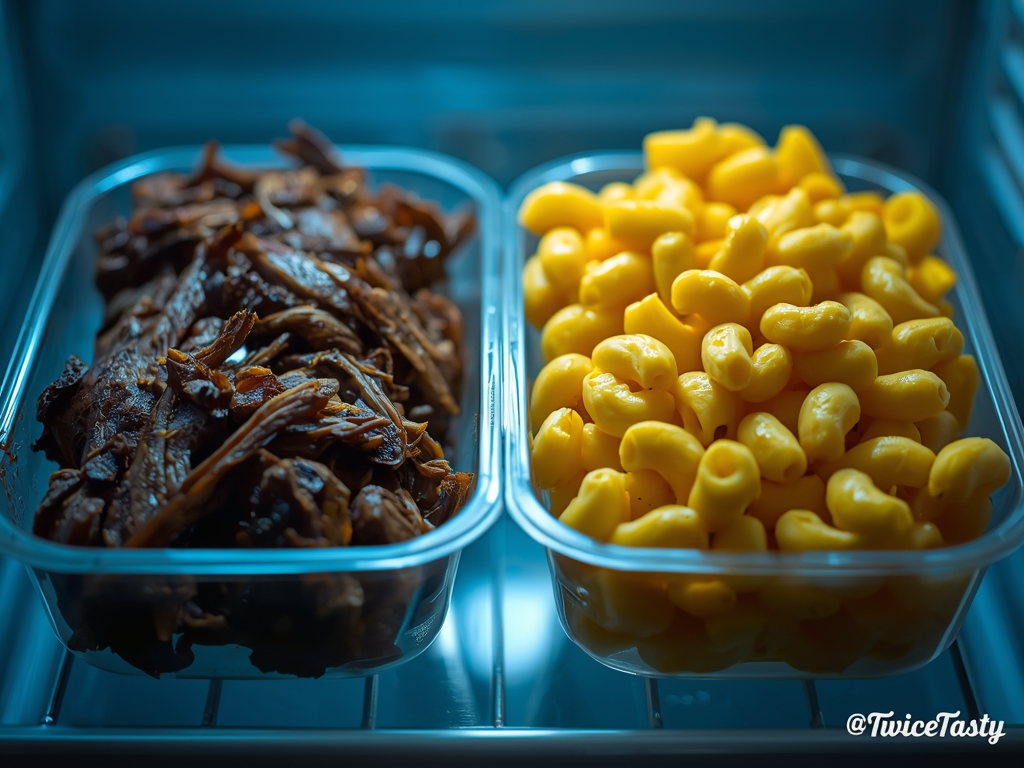
There is a specific kind of “food coma” that hits two days after a big brisket cook. You open the fridge and you are staring at two heavy hitters: a Tupperware container of chopped brisket that looks like a pile of brown leather, and a separate block of mac and cheese that has settled into a dense, yellow brick. On their own, they are daunting. The brisket is dry and the fat has congealed into white wax. The mac and cheese has lost its creaminess; the pasta has absorbed all the sauce and turned into a gummy, solid mass.
The thought of eating them separately is unappealing. But if you put them together, you’re not just making “leftovers for lunch.” You are creating the ultimate high-protein comfort meal. Think about it. You have the smoky, savory, beefy depth of the brisket and the rich, cheesy, carb-heavy softness of the mac. They are essentially begging to be married.
We aren’t just going to mix them in a bowl and microwave them into a rubbery blob. We are going to re-engineer them into a casserole that rivals anything you could order at a BBQ joint. going to use the starch of the pasta to hold the juices of the meat, creating a texture that is dense, creamy, and incredibly satisfying.
The “Meat Sponge” Dynamic
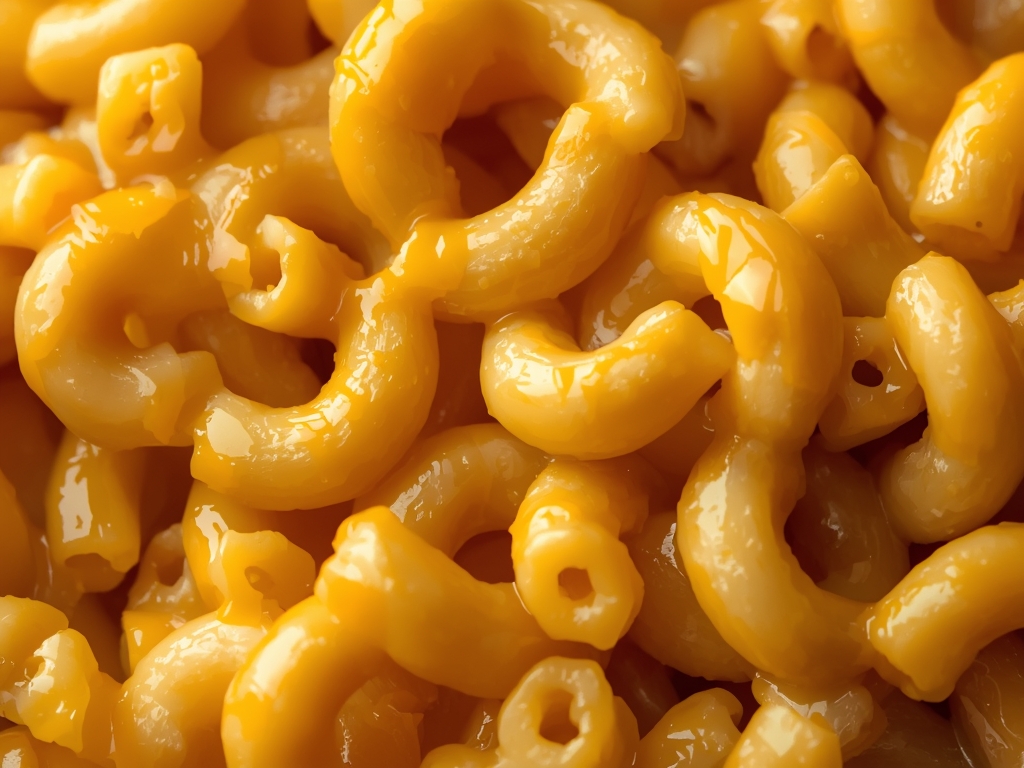
To understand why this works, we have to look at what happened to both components in the fridge. The brisket is dry because the muscle fibers have tightened and squeezed out their moisture as they cooled. The fat has solidified. It needs fat and liquid to become tender again. The mac and cheese is the opposite. It’s a sponge. The pasta has been sitting in that cheese sauce, absorbing every drop of moisture until it swelled up and the sauce disappeared.
If you try to reheat the brisket alone, you have to add fat back in, or it dries out further. If you try to reheat the mac alone, it’s just soft and starchy. But when you combine them, something magical happens. The brisket acts as a flavor bomb, and the mac and cheese acts as the vehicle to carry that flavor. The starch in the pasta helps bind the juices released by the brisket as it reheats.
However, there is a risk. If the mac is too dry, it will steal even more moisture from the brisket, resulting in cement. We need to fix the pasta first. .and loosen up that starch prison before we introduce the meat. We need to create an environment where the meat can relax and the pasta can get creamy again. It’s about balancing the hydration levels so they meet in the middle.
The Chop and the Cream
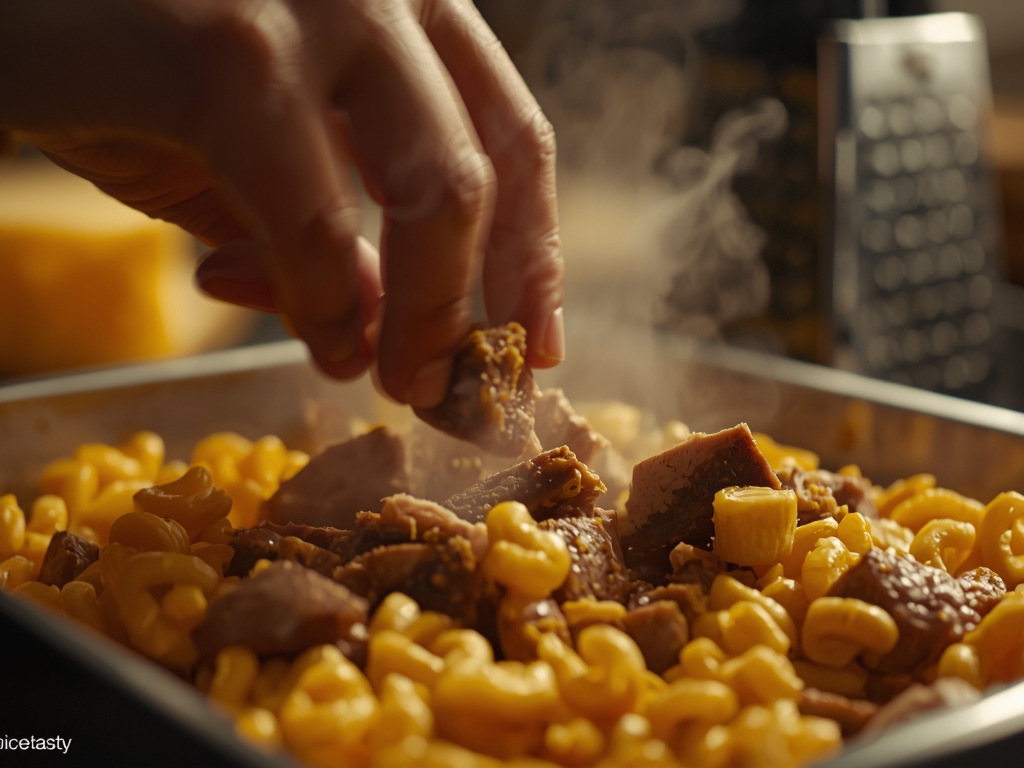
The strategy here is surface area and lubrication. Don’t leave the brisket in big chunks. If you do, you’ll get a mouthful of dry meat and then a mouthful of pasta. We want integration. Take your cold brisket and chop it into small, bite-sized cubes. Some of it will shred, some will stay in chunks—that’s good. You want a mix of textures.
Now, deal with the mac. Dump the block into a baking dish. It’s going to look like a brick. Splash in a little whole milk, cream, or even beef broth. You don’t want to drown it; you just want to add enough liquid to loosen the bonds between the noodles. Use a fork to break it up. You want to separate the noodles so the sauce can flow again.
Toss the chopped brisket into the mac. Mix it thoroughly. At this stage, it might still look a little dry. That’s where the cheese comes in. Grate some fresh sharp cheddar over the top. The sharp cheddar provides a “cheese glue” that will melt and bind the meat and pasta together. You can also stir in a spoonful of sour cream or Greek yogurt if you want to add a tangy protein kick that also cuts through the heaviness of the beef.
The Bake: The Maillard Reunion
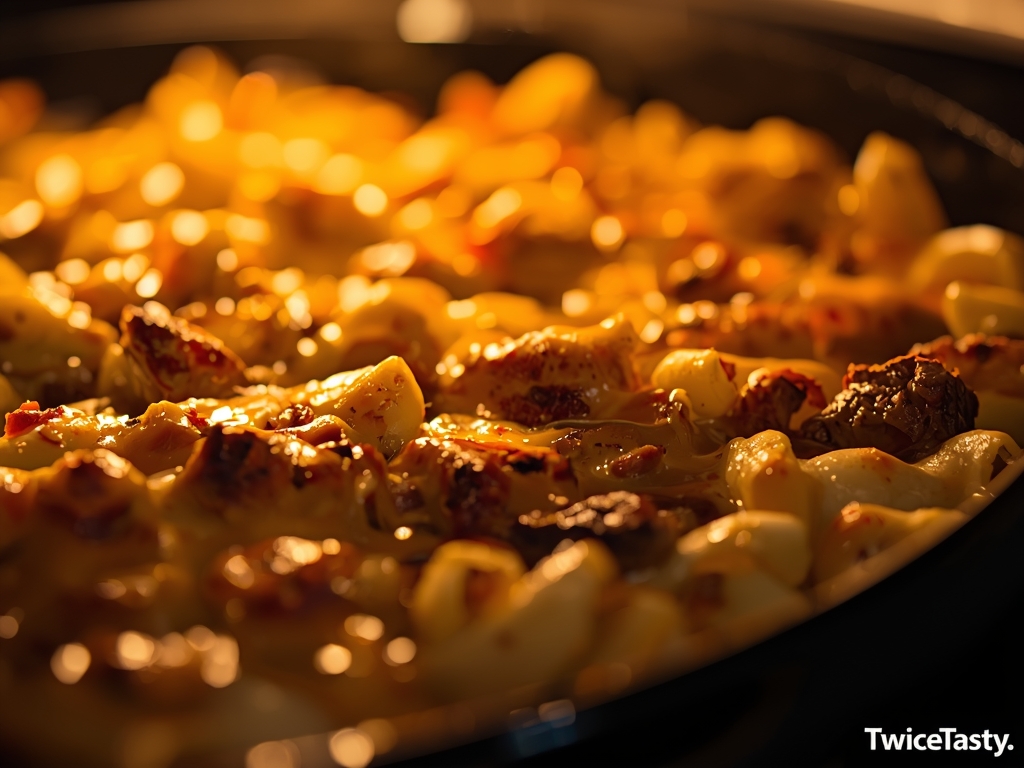
Slide the dish into a 375°F oven. We aren’t just warming this up; we are baking it to create a crust. As the dish heats up, the fat in the brisket starts to render and melt. Instead of running off into the bottom of the pan, that melted beef fat mingles with the cheese sauce and the milk we added. It permeates the pasta.
The pasta, which was tight and gummy, softens as it absorbs the beef fat and cheese. The brisket, which was tight and dry, relaxes as it is bathed in the creamy starch. The flavors start to marry. The smoke from the meat infuses the cheese, and the richness of the cheese mellows the beef.
Let it bake until you see the edges bubbling aggressively. You want the cheese on top to turn a deep golden brown. You want the smell of toasted dairy to mix with the aroma of roasted beef. This usually takes about 20 to 25 minutes. When you pull it out, the top should have a slight crust, but when you stick a spoon in, the underneath should be gooey and lava-like. It’s a study in textures: the crispy top, the soft noodle, the chewy meat. It’s hearty, it’s filling, and it feels like a hug for your insides.
The Smoky Crunch Upgrade
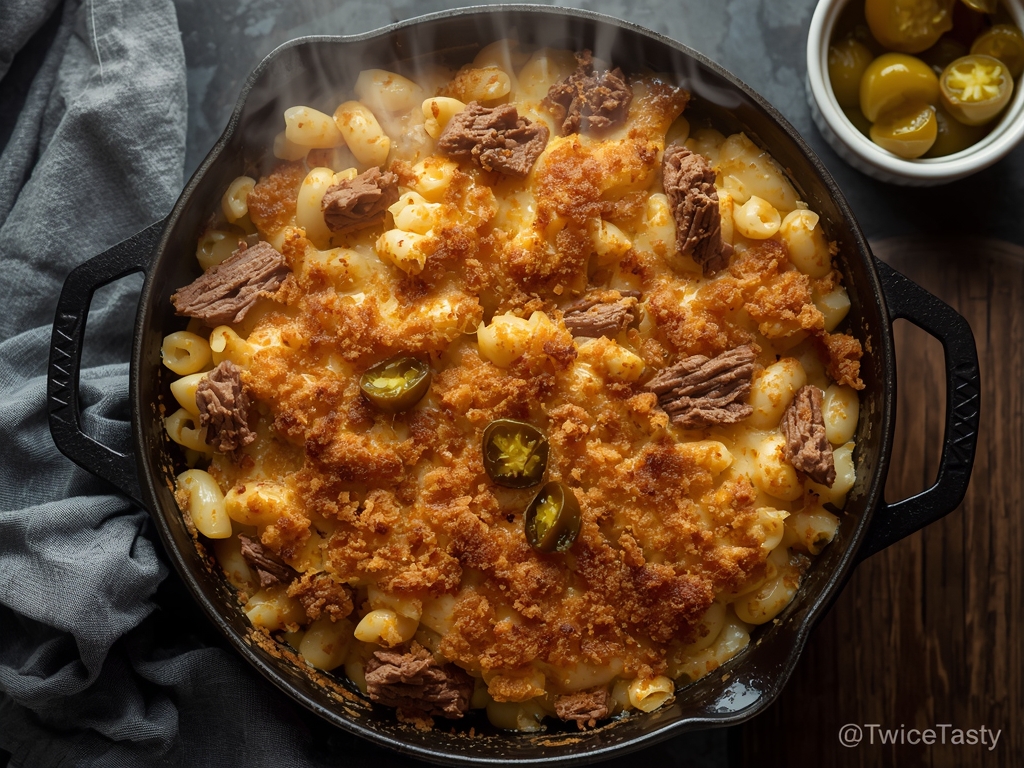
We have soft, we have chewy, and we have creamy. What we are missing is crunch and acid. This dish is heavy. It’s protein and starch. It needs a counterpoint to wake up the palate. This is where we turn a “good” casserole into a “gourmet” one.
While the casserole is baking, make a crust. Mix Panko breadcrumbs with a little melted butter, smoked paprika, and a pinch of brown sugar. The smoked paprika echoes the BBQ flavor of the brisket, and the brown sugar helps it caramelize. Sprinkle this mixture over the top of the casserole for the last 5 minutes of baking.
And the finish? Pickled red onions or jalapeños. The vinegar in the pickles cuts right through the rich cheese and the beef fat. It cleanses the palate between bites. Serve a spoonful of the mac and cheese with a few pickled peppers on the side. The heat of the spice and the acid of the vinegar make every bite of the heavy, creamy, beefy pasta taste fresh. It’s the difference between feeling “stuffed” and feeling “satisfied.” You didn’t just use up leftovers; you built a flavor fortress.
Frequently Asked Questions
Can I use leftover barbecue sauce in this?
Yes, absolutely. If your brisket was heavily sauced, you can mix a little extra BBQ sauce into the mac before baking. Just be careful—bottled BBQ sauce has a lot of sugar and can burn easily. If you add extra sauce to the top, mix it into the layers rather than putting it on the very top crust, or it will blacken in the oven.
What if I don’t have leftover mac and cheese, just plain pasta? You can still make this work, but you need to make a quick cheese sauce. Melt butter, whisk in flour, add milk, and melt in cheese. Then toss your plain pasta and chopped brisket in that sauce before baking. It adds an extra step, but the result is the same: a creamy, beefy casserole.
Can I freeze this casserole? It freezes surprisingly well. Assemble the whole thing in a freezer-safe dish, but hold off on the breadcrumb topping if you’re freezing it for more than a few days (breadcrumbs can get soggy in the freezer). Wrap it tight. When you’re ready to eat, thaw it overnight in the fridge, add the fresh breadcrumbs, and bake as directed. The texture holds up beautifully because the pasta rehydrates as it bakes.

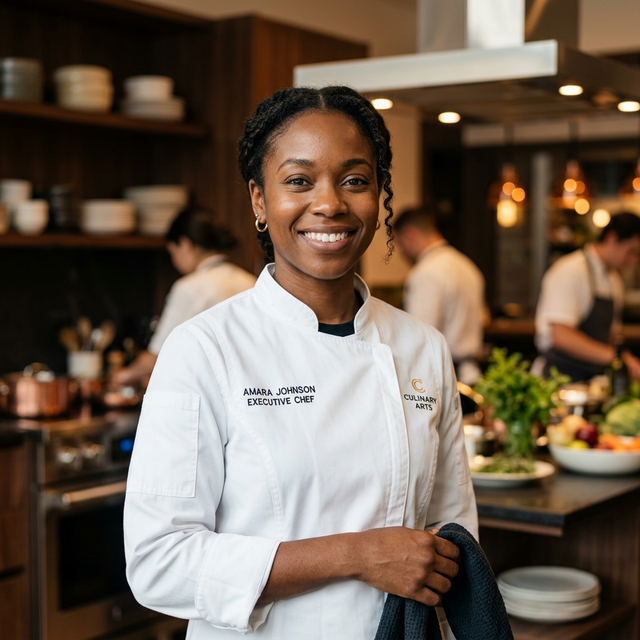
Amara writes for the Tasty Remakes category, turning everyday leftovers into creative new dishes. Her recipes focus on practical transformations that save time and reduce food waste — proving that yesterday’s dinner can become today’s best meal.
← Previous
How to Turn Leftover Crudités into a Zesty Stir-Fry
Next →
Turning Leftover Fruit Salad into a Quick Summer Cobbler