Follow Me On Social Media!

Sweet potatoes are the side dish that outlasts the meal. The casserole is finished, the roast is carved, and the fridge still holds a container of sweet potatoes — mashed, roasted, or whole — that nobody wants to reheat plain, because reheated sweet potatoes are just warm sweet potatoes, and the first serving was better. The waste is a shame, because sweet potatoes are the most versatile leftover in the kitchen: they are sweet enough for baking, savoury enough for a hash, soft enough for a soup, and firm enough for a fritter. Six ideas below, and none of them is “reheat and serve.”
The ideas split by what shape the leftovers are in, and that is the first thing to check. Mashed sweet potatoes go to pancakes, biscuits, and smoothies — dishes where a soft purée is the point. Roasted cubes go to hash, soup, and croquettes — dishes where a firm piece holds its shape. Whole baked sweet potatoes can be mashed for the first group or cubed for the second, so they go either way. Candied sweet potatoes, the kind with brown sugar and marshmallows, go to the baking ideas only — the sugar makes them too sweet for a hash or a soup, and a spoonful of lemon juice or apple cider vinegar in the batter balances the sweetness.
The Short Answer: Mash Goes to Baking, Cubes Go to the Pan

Mashed sweet potatoes become pancakes, biscuits, and smoothies. Roasted cubes become hash, soup, and croquettes. Whole baked sweet potatoes can be mashed or cubed, so they go either way. Candied sweet potatoes go to baking only. All six use the leftovers within three to four days of cooking, and all six are assembly and browning, not cooking from raw.
Before any of them, check the container. Sweet potatoes that smell sharp or sour, feel slimy, or show mould go in the bin regardless of the day count — three to four days is the window for potatoes stored properly, in an airtight container, at or below 40°F, and a container that was left open or sat out after dinner is on a shorter clock. And separate the candied from the plain before you start — a hash made with candied sweet potatoes is a mistake you will taste once and never repeat.
1. Sweet Potato Pancakes: The Breakfast That Uses the Most
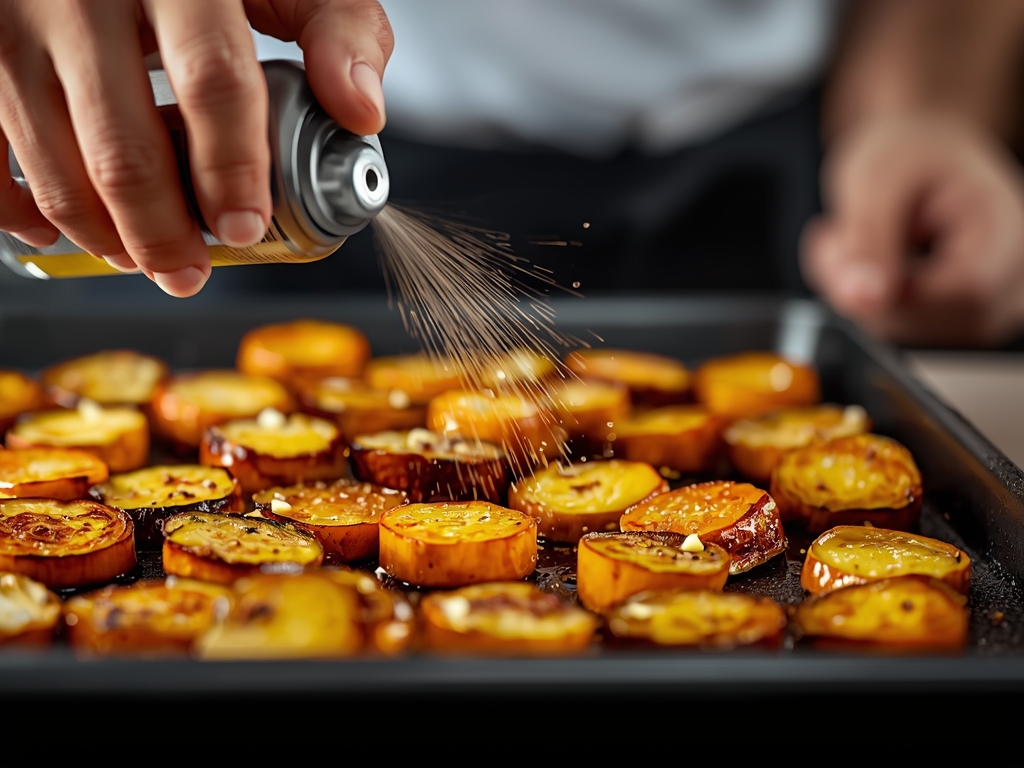
Pancakes are the idea that uses the most mashed sweet potato at once, and they are the best reason to keep the mash. Mix one cup of mashed sweet potato into your usual pancake batter — flour, an egg, milk, baking powder, a pinch of cinnamon — and cook the pancakes as normal, two to three minutes a side, until they are golden and set. The mash makes the pancakes moist and tender in a way plain batter is not, and the orange colour is the giveaway: these are not ordinary pancakes, and the cinnamon and a spoonful of maple syrup on top make them taste like a holiday breakfast rather than a leftover. Our guide to leftover mashed sweet potato pancakes covers the same idea in full.
The ratio is the whole technique: one cup of mash to one cup of flour, with one egg and about three-quarters of a cup of milk. Too much mash and the pancakes will not hold together; too little and they are just orange pancakes. If the mash is candied — brown sugar and marshmallows — cut the sugar in the batter to nothing and add a teaspoon of lemon juice, which balances the sweetness the way acid balances any sweet dish. Serve them with butter and maple syrup, or with a fried egg on top for a savoury version.
2. Breakfast Hash: Cubes, Eggs, and Fifteen Minutes

Hash is the idea for roasted cubes, and it is the fastest hot dinner in this list. Dice the leftover sweet potatoes into half-inch cubes — if they are already cubed, leave them — and heat a tablespoon of olive oil in a cast-iron skillet over medium-high heat. Add the cubes in a single layer and cook undisturbed for four minutes, until the cut sides crisp and brown, then stir and cook for three minutes more. Push the hash to the sides of the pan, crack two eggs into the wells, cover the pan, and cook for three to five minutes until the whites are set and the yolks are still runny. Finish with chopped parsley and a squeeze of lime.
The single layer is the rule: cubes piled on top of each other steam instead of crisping, and a hash that steams is just warm sweet potatoes in a pan. Work in batches if the pan is small — two thin layers beat one thick one. Smoked paprika, a quarter teaspoon, is the seasoning that makes it taste deliberate rather than accidental — it is the smoky note that sweet potatoes need, and it is what separates a hash from a pile of reheated cubes. Our guide to batch-baked sweet potatoes starts from the same roasted cubes, and the hash is where the second batch goes.
3. Silky Soup: Twenty Minutes, One Pot

Soup is the idea for the potatoes that are too soft for a hash and too much for pancakes: two cups of leftover sweet potatoes, mashed or cubed, become a velvety soup in under twenty minutes. Put the potatoes in a saucepan with one and a half cups of vegetable broth, half a cup of coconut milk, one minced garlic clove, and a quarter teaspoon of ground ginger. Simmer for ten minutes, then blend until smooth with an immersion blender — or in batches in a standing blender, with the lid vented and a towel over it, because hot soup in a sealed blender is a burn waiting to happen. Season with salt, and finish with a drizzle of coconut milk and a sprinkle of cinnamon.
The soup’s character comes from the ginger and the coconut milk, which balance the sweetness the way acid does in the pancakes — sweet potato soup without an acid or a spice tastes flat and one-note, and the ginger is the cheapest fix. If the potatoes are candied, leave the coconut milk out and use broth only, with a teaspoon of lemon juice instead: the sugar in the candied potatoes is already enough sweetness for a soup. It keeps three days in the fridge and freezes for three months — and the freezer is the right call if the soup is made on day four of the potatoes’ life.
4. Croquettes and Patties: Crisp Outside, Soft Inside
Croquettes are the idea for mashed sweet potatoes that need a second texture: soft inside, crisp outside, and portable. Mix two cups of mashed sweet potato with half a cup of breadcrumbs, one beaten egg, a quarter teaspoon of smoked paprika, and salt. Form the mixture into small patties, about the size of a golf ball flattened, roll each one in more breadcrumbs, and fry in a shallow pan of hot oil for two to three minutes a side, until the coating is golden and crisp. Drain on paper towels and serve with a yoghurt dip or a spoonful of harissa.
The mixture must hold together, and the test is the squeeze: a ball of the mixture squeezed in your palm should hold its shape without cracking. If it cracks, add another tablespoon of breadcrumbs; if it is too dry to form, add a tablespoon of milk. The frying oil should be hot enough that a breadcrumb dropped in sizzles at once — oil that is too cool soaks into the coating instead of crisping it, and the croquettes come out greasy. Our guide to leftover mashed potatoes ideas uses the same patty logic for white potatoes, and the sweet potato version follows it exactly, with the paprika doing the work the butter does there.
5. Biscuits and Bread: The Baking Idea

Biscuits are the idea for mashed sweet potatoes that want to become baking: the mash makes a biscuit moist and tender in a way plain flour cannot. Mix one cup of mashed sweet potato into a standard biscuit dough — two cups of flour, a tablespoon of baking powder, half a teaspoon of salt, six tablespoons of cold butter cut in, and about half a cup of milk — and the mash replaces some of the milk and all of the sweetness. Pat the dough out, cut it into rounds, and bake at 425°F for twelve to fifteen minutes, until the tops are golden. The biscuits are soft, orange-tinted, and good with butter and jam, or split and filled with ham and cheese.
The same mash goes into bread, with a different ratio: a cup of mash in a loaf dough makes a soft, orange sandwich bread that stays fresh a day longer than a plain loaf, because the mash holds moisture. The rule for both is the same: the mash is a wet ingredient, so cut the milk or the water in the recipe by about a quarter cup for every cup of mash, or the dough will be too wet to hold its shape. FoodPrint’s sweet potato leftover guide covers the same baking uses, and notes that raw sweet potatoes keep for weeks in a cool, dry place — never in the fridge, where the cold and moisture spoil them faster.
6. The Smoothie: The Five-Minute Use
The smoothie is the idea for the smallest amount of leftover — half a cup of mash, too little for pancakes and too soft for a hash — and it takes five minutes. Blend half a cup of mashed sweet potato with a frozen banana, half a cup of milk, a spoonful of peanut butter or almond butter, a pinch of cinnamon, and a handful of ice. The result tastes like pie in a glass: sweet, creamy, and spiced, with the sweet potato doing the work that pumpkin does in a pumpkin smoothie. Add a scoop of protein powder if it is a breakfast, or a spoonful of cocoa if it is a dessert, and the smoothie is a meal rather than a snack.
The smoothie is also the idea for the potatoes that are slightly past their best for other uses: a mash that is a day too soft for pancakes is fine in a blender, where texture does not matter and the banana and the milk cover any flatness. Do not use potatoes that smell sour or show mould — the blender does not fix spoilage, and a smoothie made with turned potatoes is a bad idea at any speed. It is the fastest idea in this list, and the one that saves the smallest leftovers from the bin.
How Long They Keep: Fridge, Freezer, and the Raw Ones

Cooked sweet potatoes keep three to four days in the refrigerator, in an airtight container, at or below 40°F. Mashed sweet potatoes keep three to four days; roasted cubes keep four to five; whole baked sweet potatoes keep five, because the skin protects them. The FoodSafety.gov cold food storage chart gives the same three-to-four-day window for cooked leftovers generally, and sweet potatoes sit at the long end of it — but the long end is not an excuse to stretch it, and a container on day five should be used that day or frozen.
For the freezer, mashed sweet potatoes freeze best: portion them into bags, press them flat, and they keep six months at best quality. Roasted cubes freeze well too, spread on a baking sheet first so they do not clump, then bagged. Thaw overnight in the fridge, and use the thawed potatoes in the ideas above. And the raw sweet potatoes, the ones still in the pantry, keep for weeks in a cool, dry, dark place — never in the fridge, where the cold turns their starch to sugar unevenly and spoils their texture. Our air fryer reheat chart covers the reheating times for the cubes that are simply being warmed, and the ideas above are for the cubes that deserve better than warming.
Frequently Asked Questions
How long do leftover sweet potatoes last in the fridge? Three to four days, in an airtight container at or below 40°F. Mashed keeps three to four days; roasted cubes and whole baked potatoes keep four to five.
Can you freeze leftover sweet potatoes? Yes — mashed freezes best, in flat bags, for six months at best quality. Roasted cubes freeze well if spread on a sheet first so they do not clump.
What is the best use for leftover mashed sweet potatoes? Pancakes use the most at once and taste the best: one cup of mash to one cup of flour, with cinnamon and maple syrup. Biscuits and smoothies are the next best uses.
Can I use candied sweet potatoes in these ideas? In the baking ideas only, with the sugar in the batter cut to nothing and a teaspoon of lemon juice to balance it. Never in hash or soup.

Ghani is the founder of TwiceTasty and a passionate home cook who believes no meal should go to waste. What started as a personal mission to transform leftovers into exciting new dishes has grown into a community of food lovers who share the same philosophy.

← Previous
What to Do With Leftover Prime Rib: 5 Ideas
Next →
What to Do With Leftover Dinner Rolls: 6 Ideas