Follow Me On Social Media!


Leftover Turkey Soup
Ingredients
- 3 cups cooked turkey, shredded
- 6 cups chicken or turkey stock
- 1 cup orzo
- 1 onion, diced
- 2 carrots, sliced
- 2 celery stalks, sliced
- 2 cloves garlic, minced
- 1 tbsp olive oil
- 1 tbsp fresh thyme (or 1 tsp dried)
- 2 tbsp chopped parsley
- salt and black pepper
Instructions
- Heat the oil: put a large pot or Dutch oven over medium heat, add one tablespoon of olive oil, and let it shimmer — about a minute.
- Sauté the vegetables: add the diced onion, sliced carrots, and sliced celery, and cook for five to seven minutes, stirring now and then, until the onion is soft and translucent and the carrots have started to give at the edges.
- Add the garlic: stir in the minced garlic and cook for one minute only — garlic burns fast, and burnt garlic makes the whole pot bitter.
- Add the stock and bring it up: pour in six cups of stock, scraping the bottom of the pot as you pour. Add the thyme, raise the heat to medium-high, and bring the pot to a gentle boil, not a rolling one.
- Add the turkey and the orzo: stir in the three cups of shredded turkey and the cup of orzo, lower the heat so the soup simmers gently, and cook for ten to twelve minutes, uncovered, stirring once or twice so the orzo does not settle and stick. Taste a piece of orzo at ten minutes: it should be tender with the smallest bite left in the centre, because it keeps cooking off the heat.
- Season and serve: turn off the heat, stir in the chopped parsley, and season with salt and black pepper — taste first, because the stock may already be salty enough. Let the pot rest for five minutes with the lid on, then ladle into bowls and serve with bread.
Notes
Keeps 3–4 days in the fridge, counted from the day the turkey was cooked. Freeze for up to 3 months without the orzo — add a fresh cup of orzo when reheating.
The turkey is carved, the plates are cleared, and the fridge holds a container of sliced turkey that nobody is excited about any more. This is the moment turkey soup earns its reputation: it takes the meat that is drying out by the day and turns it into a dinner people actually ask for, in one pot, in about forty minutes, with ingredients that are already in the kitchen. No special shopping, no technique beyond sautéing vegetables and waiting. If you have stock, an onion, two carrots, and a handful of pasta, you have soup.
Soup works where plain reheated turkey fails because the broth does the rescuing. Sliced turkey reheated on its own dries out further with every minute of heat; turkey simmered in broth rehydrates, and the vegetables and pasta give the bowl the substance that plain slices lack. It is also the most forgiving of the turkey leftovers: it takes light meat and dark meat together, it takes the scraps too small for a sandwich, and it takes the turkey that is already on day three and needs using today. The rule that governs all of it is the same one that governs every leftover: the clock counts from the day the turkey was cooked, and soup does not restart it.
The Short Answer: One Pot, 40 Minutes, 6 Servings

Sauté one diced onion, two sliced carrots, and two sliced celery stalks in a tablespoon of olive oil for five to seven minutes, add two minced garlic cloves for one minute more, then pour in six cups of chicken or turkey stock and bring it to a gentle boil. Stir in three cups of shredded leftover turkey and one cup of orzo, simmer for ten to twelve minutes until the pasta is tender, season with salt, pepper, and fresh thyme, and serve. That is the whole recipe: six servings, one pot, forty minutes from chopping board to table, and one pot to wash.
The quantities matter more than the technique. Three cups of turkey to six cups of stock is the ratio that makes a soup rather than a stew with too little liquid or a broth with too little meat — about a pound of cooked turkey, which is roughly what a generous carving session leaves behind. One cup of orzo is enough to give the soup body without turning it into a pasta dish: the orzo drinks broth as it sits, so serve it at once for a brothy soup or let it rest ten minutes for a heartier one.
What You Need: Ingredients for 6 People

The ingredient list is short on purpose: everything on it is either a Thanksgiving leftover or a pantry staple. The turkey is three cups of cooked turkey, light and dark meat mixed, shredded or cut into bite-sized pieces — the scraps and the small end pieces are fine here, because the broth evens out the dry edges. The stock is six cups of chicken or turkey stock, homemade or store-bought; a homemade stock made from the carcass is the best version, and our guide to freezing cooked turkey covers the same carcass-to-stock logic for the freezer.
The vegetables are one onion, two carrots, and two celery stalks — the classic mirepoix trio, diced small so they soften fast — plus two cloves of garlic, minced. The pasta is one cup of orzo, the small rice-shaped pasta that cooks in ten minutes and fits on a soup spoon; any small shape works, and the section below covers the swaps. The fat is one tablespoon of olive oil for sautéing. The seasoning is one tablespoon of fresh thyme leaves (or one teaspoon dried), two tablespoons of chopped parsley stirred in at the end, and salt and black pepper to taste. That is the whole list — and if you have no thyme, a bay leaf dropped in with the stock is a fair substitute.
The Method, Step by Step
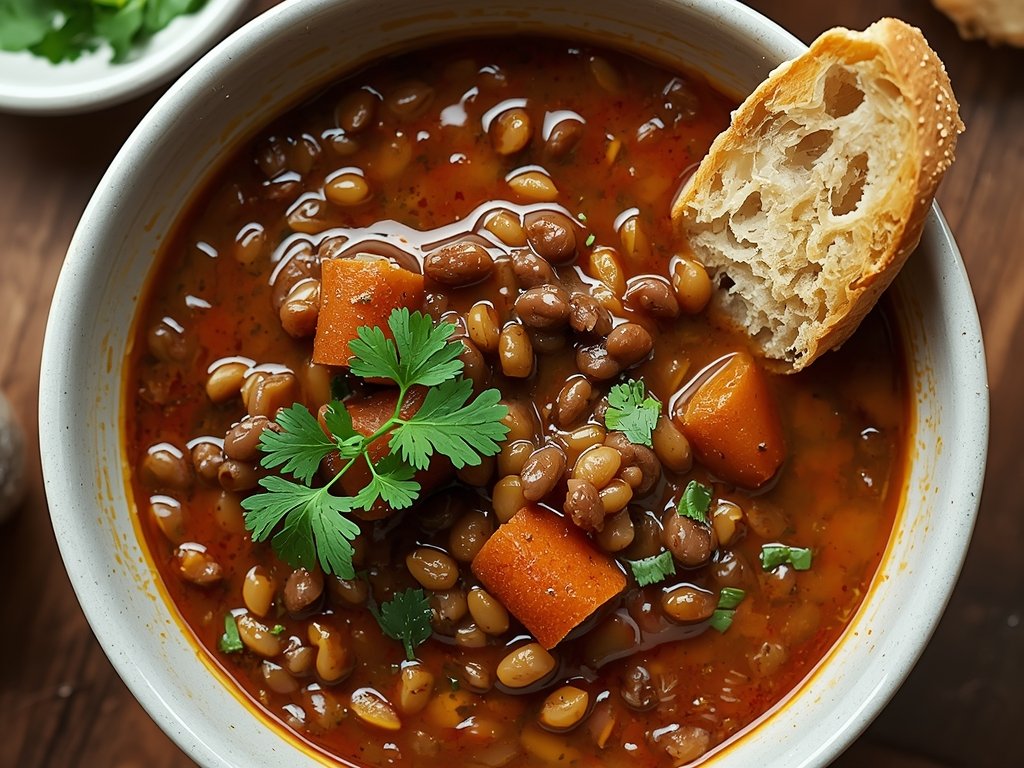
Step one: heat the oil. Put a large pot or Dutch oven over medium heat, add one tablespoon of olive oil, and let it shimmer — about a minute. Step two: sauté the vegetables. Add the diced onion, sliced carrots, and sliced celery, and cook for five to seven minutes, stirring now and then, until the onion is soft and translucent and the carrots have started to give at the edges. Step three: add the garlic. Stir in the minced garlic and cook for one minute only — garlic burns fast, and burnt garlic makes the whole pot bitter.
Step four: add the stock and bring it up. Pour in six cups of stock, scraping the bottom of the pot as you pour — the browned bits on the bottom are flavour, and the stock lifts them. Add the thyme, raise the heat to medium-high, and bring the pot to a gentle boil, not a rolling one. Step five: add the turkey and the orzo. Stir in the three cups of shredded turkey and the cup of orzo, lower the heat so the soup simmers gently, and cook for ten to twelve minutes, uncovered, stirring once or twice so the orzo does not settle and stick. Taste a piece of orzo at ten minutes: it should be tender with the smallest bite left in the centre, because it keeps cooking off the heat.
Step six: season and serve. Turn off the heat, stir in the chopped parsley, and season with salt and black pepper — taste first, because the stock may already be salty enough. Let the pot rest for five minutes with the lid on: the flavours settle, the orzo finishes, and the soup stops being hot enough to burn a tongue. Ladle into bowls and serve with bread.
Which Turkey Works Best: Light, Dark, and the Scraps

Use all of it. Breast meat alone makes a clean, light soup, but the dark meat — legs and thighs — is where the flavour lives, because it has more fat and more connective tissue, and both melt into the broth as the soup simmers. The best pot has a mix: about two cups of breast and one cup of dark meat, roughly the proportion a carved bird leaves behind. The scraps belong in the pot too — in soup, size does not matter and dryness disappears into the broth.
One thing does not belong in the pot: the skin. Turkey skin goes soft and rubbery in soup — pull it off before the meat goes in. The carcass, on the other hand, is the soup’s best friend if you have time: simmer it in the stock for an hour before you start, and the broth will taste like it cooked all day. If the turkey is already on its third or fourth day in the fridge, soup is the right call and the clock still counts from the day it was cooked — the FoodSafety.gov cold food storage chart gives cooked turkey three to four days in the fridge.
The Pasta Question: Orzo, Rice, or Noodles
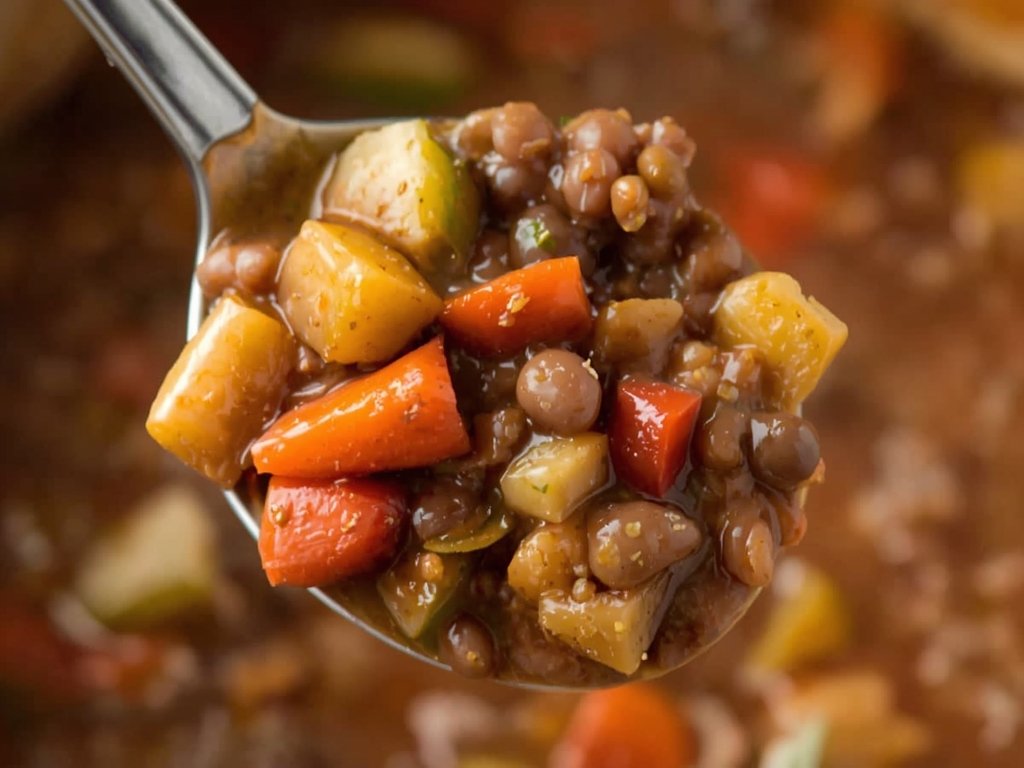
Orzo is the default because it cooks fast, fits on a spoon, and drinks just enough broth to thicken the soup without turning it into a casserole. Erren’s Kitchen’s one-pot turkey soup follows the same ratio — three cups of turkey to six cups of stock, with the orzo stirred in at the end. But orzo is not the only answer, and the choice changes the soup. Cooked rice — a cup of leftover rice stirred in at the end — makes a heartier, more filling soup and needs no extra cooking time, which is useful when the rice is already in the fridge. Egg noodles, broken into short lengths, give a more traditional chicken-noodle character and cook in about eight minutes. Small shapes like ditalini or acini di pepe behave like orzo and are a straight swap.
What matters is the timing: orzo goes from tender to soft in about three minutes past done, so taste it at ten minutes and pull the pot off the heat the moment it is ready. Pasta also keeps absorbing broth as the soup sits, which is why a soup that was perfect at dinner can be thick as porridge by lunch the next day: that is not a failure, it is the pasta doing its job, and a splash of stock or water when reheating brings it back. If you are freezing the soup, leave the pasta out entirely and add it fresh when you reheat — frozen pasta turns to mush on thawing, and the section below covers the freezing rules.
The Stock Question: Homemade or Store-Bought
Homemade stock made from the carcass is the better soup, and it is not close: a carcass simmered for three to four hours gives a broth with body and depth that no carton matches, and it costs nothing but time. But store-bought stock makes a good soup too, and the difference is smaller than the recipes claim — most of the flavour in this soup comes from the turkey, the vegetables, and the thyme, and a decent low-sodium chicken stock carries them fine.
Two rules if you use store-bought. First, buy low-sodium: regular stock is salty enough that seasoning the soup becomes guesswork, and you cannot take salt out once it is in. Second, taste before you season — a salty stock plus a salty turkey can make a soup that needs no salt at all, and the parsley and thyme at the end do more for the flavour than another pinch of salt. If you have the carcass and a free afternoon, make the stock first and the soup second: the carcass that would otherwise go in the bin becomes the best ingredient in the pot, and our guide to leftover turkey tetrazzini uses the same carcass-to-stock thinking for its sauce.
Make It Ahead and Freezing
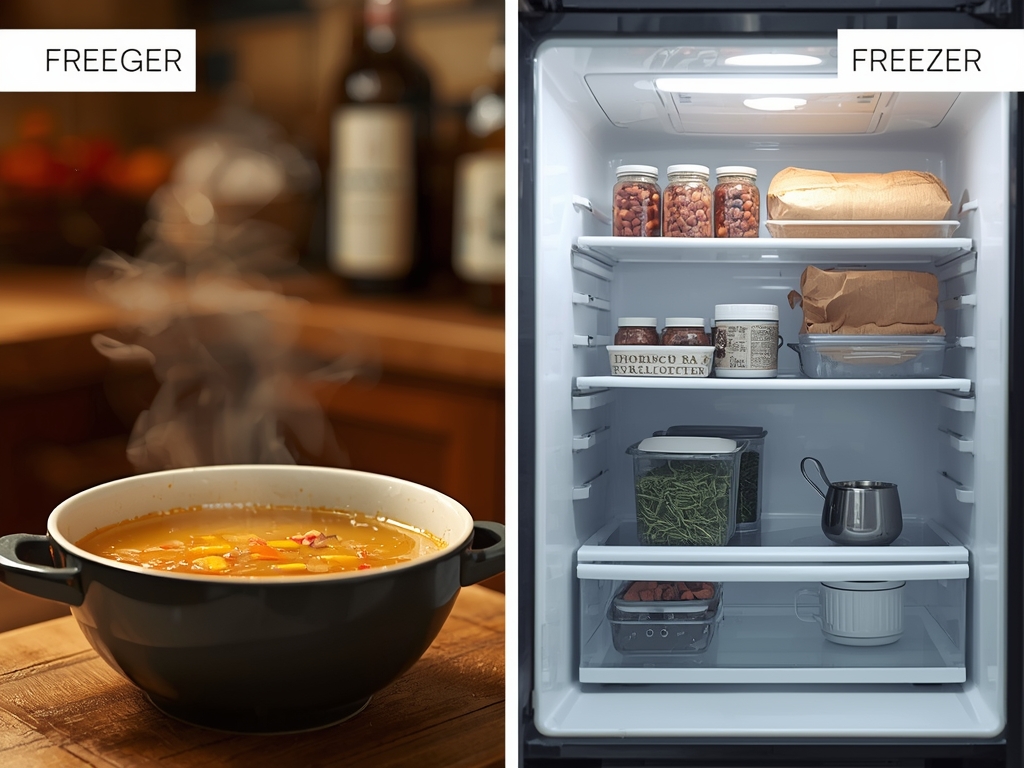
The soup keeps three to four days in the fridge in airtight containers, counted from the day the turkey was cooked — not from the day the soup was made. Cool it fast: divide it into shallow containers rather than leaving the whole pot on the counter, and get it into the fridge within two hours of cooking. Reheat only the portion you will eat, to a rolling boil or 165°F, and do not reheat the whole pot three nights running — each cycle dries the turkey further and gives bacteria another window. Our guide to storing leftover soup covers the same cooling and container rules in detail.
For the freezer, the rule is simple: freeze the soup without the pasta. The broth, turkey, and vegetables freeze well for up to three months; the orzo does not, and thawed orzo turns to mush. Make the soup, leave the orzo out, cool it, and freeze it in meal-sized portions — a quart per container is about two servings. When you want it, thaw overnight in the fridge, bring to a simmer, and add a fresh cup of orzo for the last ten minutes. Our guide to freezing soup covers the same portioning and the two-hour cooling rule.
What to Serve With It
Soup needs bread, and the bread is already in the kitchen: leftover dinner rolls, split and buttered, or a slice of sourdough toasted and rubbed with garlic. A salad on the side makes it a dinner rather than a lunch — something green and sharp, like a simple salad with a lemon vinaigrette, cuts the richness of the broth. A grating of Parmesan over the top is not traditional for turkey soup, but it works: the salt and the umami sharpen a broth that tastes flat, and a Parmesan rind dropped into the pot while it simmers does the same job more quietly.
The soup also scales in both directions. Halve it for two people — a quart of stock, a cup and a half of turkey, half a cup of orzo — and it is a weeknight dinner with no leftovers of its own. Double it for a crowd, but use a bigger pot rather than a fuller one: a pot filled past two-thirds boils over and simmers unevenly.
Frequently Asked Questions
How long does leftover turkey soup last in the fridge? Three to four days, counted from the day the turkey was cooked — making soup does not restart the clock. Cool it in shallow containers within two hours and reheat only what you will eat, to 165°F.
Can I freeze turkey soup? Yes, for up to three months — but freeze it without the pasta. Orzo turns mushy when frozen and thawed, so add a fresh cup when you reheat the thawed soup.
Can I use chicken instead of turkey? Yes, cup for cup. Leftover roast chicken or rotisserie chicken works exactly the same way, and the recipe is the same in every other respect.
Why did my soup go thick overnight? The orzo kept absorbing broth in the fridge. It is normal — stir in a splash of stock or water when reheating and it comes back to soup.

Ghani is the founder of TwiceTasty and a passionate home cook who believes no meal should go to waste. What started as a personal mission to transform leftovers into exciting new dishes has grown into a community of food lovers who share the same philosophy.

← Previous
Leftover Turkey Tetrazzini: Creamy Pasta Bake
Next →
What to Do With Leftover Prime Rib: 5 Ideas
Rate This Recipe
Tried this recipe? Share your experience and help others!