Follow Me On Social Media!

Can you freeze cooked turkey? Yes — and after Thanksgiving it is the single most useful thing you can do with the bird. A cooked turkey keeps three to four days in the fridge, and then it is done; in the freezer it keeps its best quality for three to four months, which turns one holiday meal into soups, sandwiches, and casseroles all winter. The catch is that freezing only preserves what you put in: turkey frozen late, frozen warm, or frozen in a bag full of air comes out dry and tired, and no thawing method fixes that.
This guide covers the short answer, the two-hour rule that comes first, how to freeze cooked turkey step by step, whether to freeze slices, pieces, or the whole bird, why turkey frozen in broth or gravy lasts longer, how to thaw it safely, how to reheat it after thawing, and the one case where freezing is a bad idea. The numbers come from the USDA’s food safety guidance, and where sources disagree — they do, on the exact month count — the guide says so.
The Short Answer: Yes, 3 to 4 Months
Cooked turkey freezes well for three to four months for best quality, according to the USDA’s guidance on cooked poultry. That is a quality window, not a safety deadline: food held continuously at 0°F or below stays safe indefinitely, because bacteria cannot grow at that temperature. What declines after three or four months is flavour and texture — the meat gets drier, the edges get freezer burn, and the turkey that comes out tastes flatter than the turkey that went in. A package frozen for six months is not unsafe; it is just less good, and you will notice it most in plain slices eaten cold, and least in a soup or a casserole where the sauce does the work.

Some guides give a wider range — two to six months, or up to six months for turkey covered in broth or gravy — and the difference is packaging. Turkey frozen in a vacuum-sealed bag, or submerged in broth, is protected from the air that causes freezer burn, and it lasts longer; turkey frozen loose in a bag with air in it does not. The three-to-four-month figure is the safe planning number for ordinary freezer bags and containers, and it is the one to write on the label. The FoodSafety.gov cold food storage chart gives the same shape of answer, and the fridge side of the same question — three to four days — is in our guide to how long leftovers last in the fridge.
The 2-Hour Rule Comes First
Freezing does not make unsafe food safe. It stops bacteria from growing, but it does not kill the bacteria that are already there, and it does not destroy the toxins some of them produce. That is why the clock starts at the table, not at the freezer: cooked turkey must go into the fridge or the freezer within two hours of cooking — one hour if the room is above 90°F — and turkey that sat out all afternoon is turkey to throw away, not turkey to freeze.
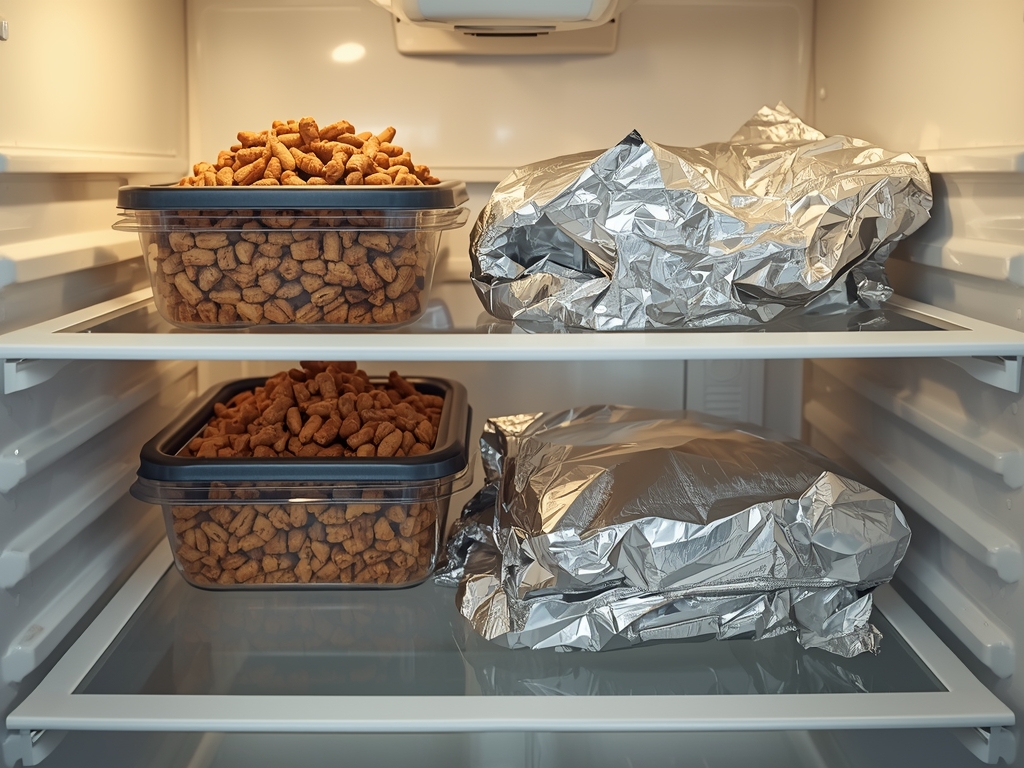
The practical version is to start portioning while the meal is still being cleared. Carve the bird, put what you will eat in the next three days in the fridge, and put the rest in the freezer the same evening. Do not leave the bird on the counter to cool first: the USDA’s own surveys found that most people wait for food to cool before refrigerating it, and that waiting is exactly what puts the food in the danger zone — between 40°F and 140°F — where bacteria multiply fastest. Hot food goes into shallow containers and straight into the fridge or freezer; the fridge can handle it, and the shallow container cools fast enough that the rest of the fridge stays cold.
How to Freeze Cooked Turkey, Step by Step
Cool it fast. Spread the carved meat in a single layer on a baking sheet and put the sheet in the fridge for thirty minutes, or divide it into shallow containers. The goal is to get the meat below 40°F quickly, before it goes into the freezer — warm meat raises the freezer’s temperature and thaws the food around it, and it also freezes slowly, which makes large ice crystals that damage the meat’s texture.

Portion it by meal, not by bird. A bag that holds one dinner’s worth of turkey — about a pound, or three to four cups of sliced or shredded meat — is the right size, because you thaw the whole bag at once and you never refreeze what is left. Label every bag with the contents and the date, in marker, on the outside: “turkey slices, Nov 26” is worth more than any memory of what is in the freezer. Wrap tightly: foil or plastic wrap pressed against the meat first, then into a freezer bag with the air pressed out, or into a rigid container with as little headspace as possible. Air is what causes freezer burn, and the second layer is what keeps it out. Lay bags flat so they freeze fast and stack neatly, and use the freezer’s quick-freeze function if it has one.
Slices, Pieces, or Whole Bird?
Slices are the most useful form. Sliced breast meat, portioned by meal, thaws in hours and goes straight into sandwiches, salads, and casseroles without further work. Shredded or cubed meat is the next best: it thaws even faster and it is the form most second-life dishes want anyway — soup, pot pie, tetrazzini, and fried rice all start from shredded turkey. Bone-in pieces — legs, thighs, wings — freeze fine too, but they take up more space and thaw more slowly, and they are best kept for dishes where the bone adds flavour, like soup.

The whole bird is the one form not to freeze. A whole cooked turkey takes up an enormous amount of freezer space, takes days to thaw, and thaws unevenly — the outside spends too long in the danger zone while the centre is still frozen. It is also impossible to portion: you thaw the whole bird to use any of it. Carve the bird first, freeze the pieces, and freeze the carcass separately if you want stock later — a picked-clean carcass, wrapped tight, makes the best soup base you will ever have, and it takes up a fraction of the space. Our guide to what to do with leftover turkey covers the dishes that start from each of these forms.
Turkey in Broth or Gravy Freezes Longer
Turkey frozen covered in broth or gravy keeps its best quality for up to six months, against three to four months for plain slices — and the reason is simple: the liquid keeps air off the meat. A slice of turkey in a bag has one surface exposed to freezer air; a slice submerged in gravy has none, and the gravy also replaces the moisture the meat loses in the freezer, so the turkey thaws juicier than it would have frozen dry.
The practical version is to freeze the saucy dishes, not just the plain meat. Turkey in gravy, turkey in soup, turkey in a casserole sauce — all of them freeze better than plain slices, and they thaw into a finished meal rather than an ingredient that still needs cooking. The same rule applies to the carcass stock: freeze stock in flat bags or ice-cube trays, and you have the base for soup all winter. For the soup side of the same question, our guide to freezing soup covers the portioning and the thawing, and the same flat-bag method applies.
How to Thaw Frozen Turkey Safely
There are three safe ways to thaw frozen turkey, and they are the same three the USDA lists for all frozen meat. The best is the fridge: move the bag from the freezer to the fridge the night before you need it, and let it thaw slowly at 40°F or below. A one-pound bag of slices thaws overnight; a larger bag of bone-in pieces takes a full day. The second is cold water: put the sealed bag in a bowl of cold tap water, change the water every thirty minutes, and cook the turkey as soon as it thaws — this is the method for when you forgot to move the bag last night. The third is the microwave, on the defrost setting, with the turkey cooked immediately afterwards.

Never thaw turkey on the kitchen counter or in a sink full of warm water. The outer layers enter the danger zone — 40°F to 140°F — while the inside is still frozen, and bacteria grow fastest exactly there. And never refreeze turkey that was thawed on the counter or in warm water. Turkey that was thawed in the fridge, kept cold the whole time, and never sat out can be refrozen — but only once, and only if it stayed at 40°F or below after thawing. In practice, refreezing is rarely worth it: the second freeze costs more texture than the first, and the turkey that comes out of it is soup meat, not sandwich meat.
How to Reheat It After Thawing
Thawed turkey reheats exactly like fresh leftover turkey, with one difference: it is usually a little drier, because freezing costs some moisture even when it is done well. The fix is the same as for any leftover turkey — low heat, added liquid, and a thermometer. Slice it if it is not sliced already, add a few tablespoons of broth or stock, cover it, and heat it gently in the oven at 300 to 325°F until the thickest piece reads 165°F. The skillet works too, for small batches: broth in the pan, lid on, five to six minutes.
The best use of thawed turkey is often not reheating it plain at all, but cooking it into something where the sauce does the work — soup, pot pie, tetrazzini, curry, or fried rice. In those dishes the turkey only needs to warm through, not to be reheated as a centrepiece, and the sauce replaces the moisture the freezer took. That is the honest answer to the question most people actually ask: frozen turkey is at its best as an ingredient, not as a reheated slice.
What Not to Freeze
Do not freeze turkey that sat out too long. If the bird was on the table for more than two hours — one hour in a hot room — the bacteria that grew during that time will not be killed by freezing, and the toxins some of them produce survive freezing too. Throw it away. Do not freeze turkey that is already past its fridge window: turkey that has been in the fridge for four days and smells fine is still turkey to eat now or throw away, not turkey to freeze for later — freezing does not reset the clock.

Do not freeze the skin. It goes rubbery in the freezer and worse on thawing, and it is not worth the space. Pull it off before portioning, and either crisp it separately for a garnish or discard it. And do not freeze turkey in the container it was served in: a deep, uncovered bowl freezes slowly, thaws unevenly, and collects freezer burn on the top layer. Shallow containers, tight wrapping, and a label with the date — that is the whole system, and it is the difference between turkey you are glad to find in January and turkey you throw away in January.
Frequently Asked Questions
Can I freeze a turkey that was frozen raw, then cooked? Yes. A turkey that was bought frozen, thawed properly in the fridge, and cooked to 165°F can be frozen again as cooked leftovers, as long as it was handled safely throughout. The rule against refreezing applies to raw meat thawed and refrozen without cooking, not to cooked leftovers.
How long does frozen turkey last? Three to four months for best quality as plain slices or pieces, up to six months covered in broth or gravy. It stays safe indefinitely at 0°F, but the quality declines — drier, flatter, more freezer burn — the longer it stays in. For the same rules applied to a different bird, our guide to freezing cooked chicken gives the same windows, and chicken and turkey freeze identically.
Can I freeze turkey with the stuffing still in it? No — take the stuffing out first. Stuffing frozen inside the bird thaws slowly and unevenly, and the centre of the stuffing spends too long in the danger zone. Freeze the stuffing separately, in its own container, and use it within about a month — it is the shortest-lived leftover on the table.
Does freezing kill bacteria? No. Freezing stops bacteria from growing, but it does not kill them, and it does not destroy toxins. That is why the two-hour rule comes before the freezer, and why turkey that sat out too long is turkey to throw away, not turkey to freeze.

Ghani is the founder of TwiceTasty and a passionate home cook who believes no meal should go to waste. What started as a personal mission to transform leftovers into exciting new dishes has grown into a community of food lovers who share the same philosophy.

← Previous
Can You Freeze Cheese? Which Cheeses Freeze Well (and Which Don’t)
Next →
Can You Freeze Gravy? How Long It Keeps