Follow Me On Social Media!

Can you freeze gravy? Yes — and gravy is one of the best things in the freezer, because it freezes better than almost any other leftover. A container of frozen gravy is a finished sauce waiting for a meal: thaw it, bring it to a boil, and it is ready to pour over turkey, mashed potatoes, or a sandwich, months after the day it was made. The USDA’s food safety guidance gives cooked dishes, stuffing, and gravy four to six months in the freezer for best quality, which is longer than plain turkey gets, and the reason is simple — gravy is mostly liquid, and liquid freezes without the texture damage that meat suffers.
This guide covers the short answer, the two-hour rule and the fridge first, how to freeze gravy step by step, the ice-cube-tray portion trick, which gravies freeze well and which separate, how to thaw and reheat frozen gravy, how to fix gravy that split on thawing, and the bonus: freezing turkey IN gravy, which lasts longer than either one alone. The numbers come from the USDA’s guidance, and where sources disagree on the fridge window — they do, and it matters — the guide says so.
The Short Answer: Yes, 4 to 6 Months
Gravy freezes well for four to six months for best quality, according to the USDA Food Safety and Inspection Service’s guidance on cooked dishes and leftovers. That is a quality window, not a safety deadline: food held continuously at 0°F or below stays safe indefinitely, because bacteria cannot grow at that temperature. What declines after four to six months is flavour and texture — the gravy gets flatter, the fat can go stale, and the sauce loses the brightness it had on the day it was made. A container frozen for eight months is not unsafe; it is just less good, and you will notice it most in a plain gravy poured over turkey, and least in a gravy used as the sauce in a casserole or a pot pie.

The fridge window is where the disagreement lives, and it is worth stating plainly. The USDA’s guidance puts prepared gravy — jarred gravy, or gravy from a mix — at one to two days in the fridge, and homemade gravy made from pan drippings is generally given three to four days, the same as other cooked dishes. The shorter number is the safe one to plan around: if the gravy is more than two days old and you are not sure which kind it is, freeze it or throw it away. The FoodSafety.gov cold food storage chart gives the same shape of answer, and our guide to how long leftovers last in the fridge covers the two-hour rule that all of these windows assume.
The 2-Hour Rule and the Fridge First
Freezing does not make unsafe gravy safe. It stops bacteria from growing, but it does not kill the bacteria that are already there, and it does not destroy toxins. That is why the clock starts at the table: gravy must go into the fridge or the freezer within two hours of cooking — one hour if the room is above 90°F — and gravy that sat out on the table all afternoon is gravy to throw away, not gravy to freeze.
Cool it before you freeze it, and cool it fast. Pour the gravy into a shallow container — a wide, flat one cools far faster than a deep jug — and put it in the fridge uncovered for thirty minutes, then cover it. Warm gravy in the freezer raises the freezer’s temperature, thaws the food around it, and freezes slowly, which makes large ice crystals that damage the sauce’s texture. The fridge-first step costs thirty minutes and saves the gravy: a gravy that went into the freezer cold freezes in a thin, even sheet, and thaws back to a smooth sauce. Skim the fat off the top before freezing if you like — the fat layer goes stale fastest, and the gravy underneath keeps better without it — but keep a little fat in the sauce, because it carries the flavour.
How to Freeze Gravy, Step by Step
Start with cold gravy in a shallow container, skimmed if you want it lean. Choose the container by the meal: a one-cup container is the right size for a family dinner’s gravy, a half-cup for two people, and a freezer bag laid flat is the best of all, because it freezes fast, stacks flat, and thaws in minutes in a bowl of warm water. Pour the gravy in, leaving about an inch of headspace — liquid expands as it freezes, and a container filled to the brim will crack or push its lid off.

Label every container with the contents and the date, in marker: “turkey gravy, Nov 26” is worth more than any memory of what is in the freezer. Press the air out of bags before sealing them, and lay them flat on a baking sheet in the freezer until they are solid — flat bags stack like books and thaw in a fraction of the time a tub takes. And freeze the gravy the same day it was made, not on day three: gravy frozen fresh keeps four to six months, and gravy frozen on its last fridge day keeps the quality of a three-day-old sauce.
Ice-Cube Trays: The Portion Trick
The best way to freeze gravy is in an ice-cube tray. Pour cold gravy into the tray, freeze it solid, pop the cubes into a labelled freezer bag, and you have gravy in one-ounce portions that thaw in a minute and let you use exactly what you need. Two cubes over a plate of turkey, four cubes into a pan sauce, six cubes into a soup — no thawing a whole container for a spoonful, and no refreezing what is left.
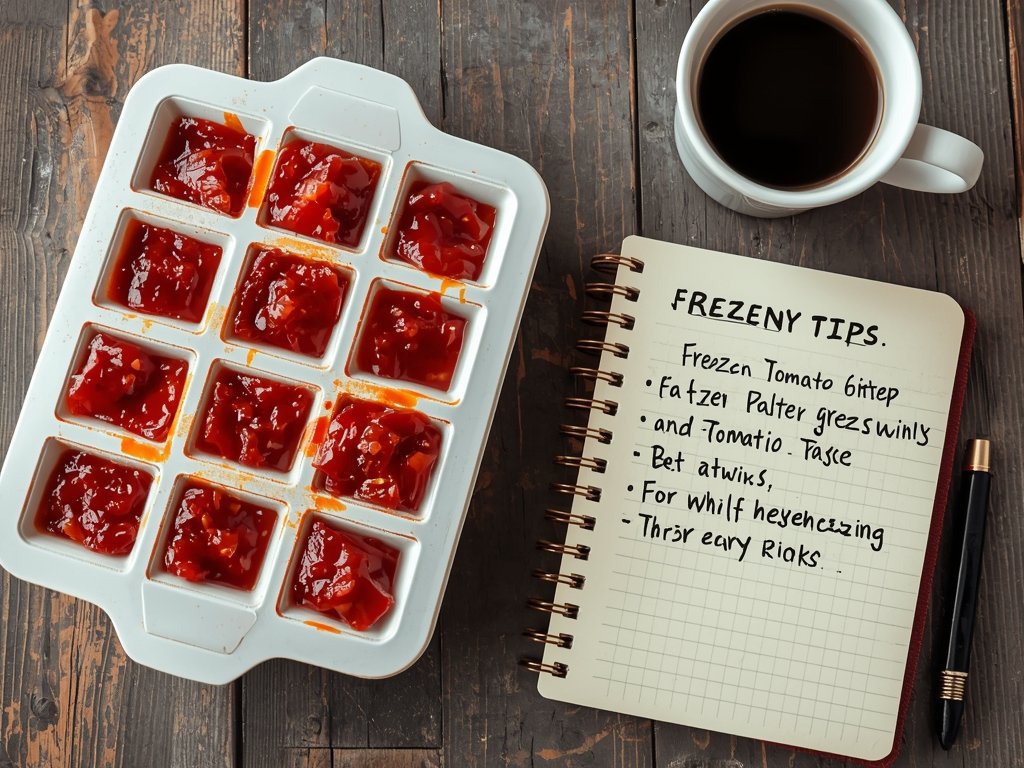
The tray method also solves the two problems that make people throw gravy away: the half-container that is too much for one meal and too little for two, and the container that gets thawed, used once, and refrozen, which is the cycle that ruins gravy fastest. Cubes never need refreezing, because you only thaw the cubes you need. Use a silicone tray if you have one — the cubes pop out cleanly — and run the tray under warm water for a few seconds if they stick. Label the bag with the date and the kind: turkey gravy, beef gravy, and mushroom gravy all look the same frozen, and they do not taste the same.
Which Gravies Freeze Well and Which Separate
Flour-thickened gravy freezes best. A classic roux gravy — drippings, flour, stock — is an emulsion of fat and water held together by starch, and the starch is what keeps it stable through freezing and thawing: it comes back smooth with a whisk and a gentle reheat. Cornstarch-thickened gravy is the next best, though it can go slightly thinner on thawing, and a spoonful of fresh cornstarch slurry stirred in during reheating fixes it.

Cream-based and butter-rich gravies are the ones that separate. A gravy made with a lot of cream or butter can split on thawing — the fat rises, the water sinks, and the sauce looks broken — and although whisking and gentle reheating usually brings it back, it is never quite as smooth as it was. The fix is to freeze the gravy before the cream goes in, if the recipe allows it: freeze the base, and add the cream fresh when you reheat it. Gravy made from a mix or a jar freezes fine, and so does mushroom gravy, onion gravy, and giblet gravy — the rule is the thickener, not the flavour. If the gravy has chunks in it — mushrooms, giblets, onions — expect them to soften on thawing, and plan to use the gravy as a sauce rather than a showcase.
How to Thaw and Reheat Frozen Gravy
Thaw gravy in the fridge overnight, or in a bowl of cold water for an hour, or straight from frozen in a saucepan over low heat — gravy is one of the few leftovers that thaws well by all three methods, because it is a liquid and it heats evenly. The fridge is the best for a whole container; cold water is the best for a flat bag; the saucepan is the best for cubes, which melt in minutes. Never thaw gravy on the counter: the outside of the container enters the danger zone while the centre is still frozen.

Reheat it to a rolling boil, not just to warm. Gravy is a sauce, and the USDA’s guidance is to bring it to a full boil when reheating — a boil is the temperature that kills the bacteria that may have grown during cooling, and it is also the temperature that re-emulsifies the sauce. Heat it gently, whisking constantly, and let it boil for a full minute before serving. If it is too thick, thin it with a splash of stock or water; if it is too thin, simmer it for a few minutes to reduce it, or whisk in a teaspoon of cornstarch mixed with cold water. For the lumps that sometimes survive freezing, our guide to reheating gravy and fixing lumpy sauce covers the strainer and the whisk, and both work on thawed gravy too.
How to Fix Gravy That Split
Split gravy looks ruined and usually is not. The fat has separated from the water, and the sauce has two layers instead of one — but the ingredients are all still there, and the fix is mechanical, not chemical. Take the gravy off the heat, let it cool for a minute so it is warm rather than boiling, and whisk it hard, or blitz it for ten seconds with an immersion blender. The blender is the reliable fix: it re-emulsifies the fat and the water in seconds, and the gravy comes back smooth.
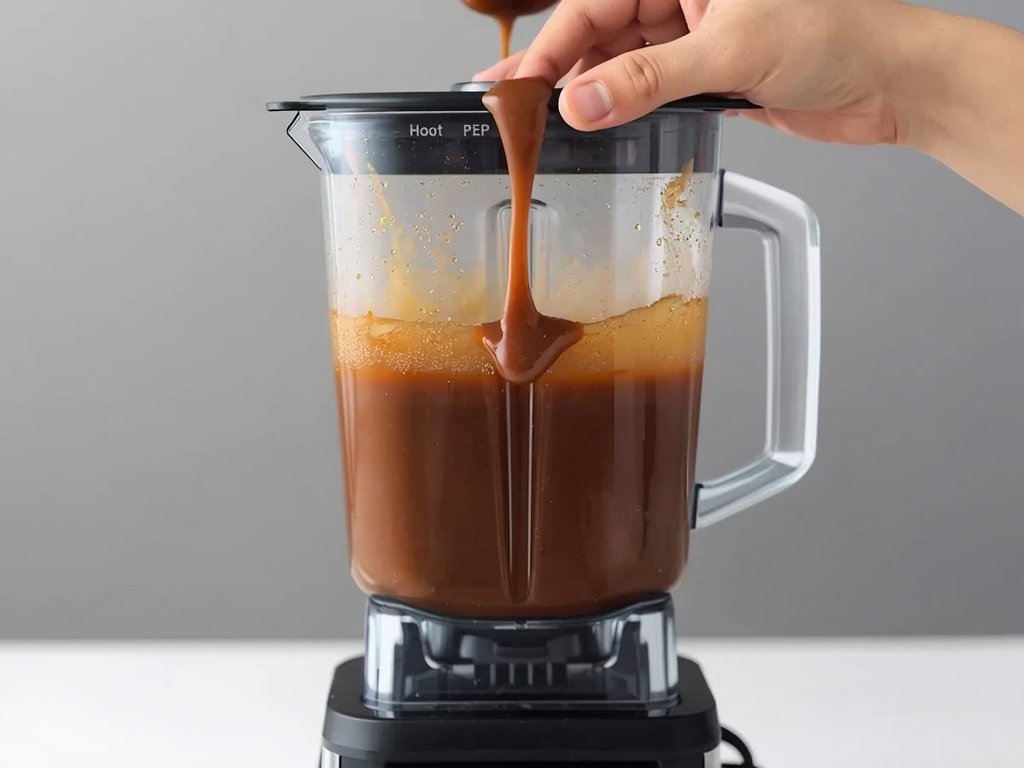
If whisking does not work, add an emulsifier: a teaspoon of Dijon mustard whisked in, or a tablespoon of cold butter whisked in a piece at a time off the heat, will pull a split sauce back together. If the gravy is grainy rather than split, the flour did not fully hydrate — strain it through a fine sieve, and the graininess stays in the sieve while the smooth sauce goes through. And if the gravy tastes flat after thawing, the fix is seasoning, not technique: a splash of soy sauce, a squeeze of lemon, or a pinch of salt will bring back the depth the freezer dulled. Taste it after reheating, every time, before you serve it — frozen gravy almost always needs a little more salt than fresh gravy did.
Freezing Turkey IN Gravy
The best way to freeze turkey is in gravy, and the best way to freeze gravy is with turkey in it. Turkey covered in broth or gravy keeps its best quality for up to six months, against three to four months for plain slices, because the liquid keeps air off the meat and replaces the moisture the freezer takes. A container of sliced turkey submerged in gravy thaws into a finished dish — hot turkey and gravy, ready to serve over mashed potatoes — with no further cooking and no dry edges.

Freeze them together in meal-sized portions: a pound of sliced turkey in a container, covered with gravy, labelled and dated. Thaw it in the fridge overnight, reheat it gently in a saucepan until the gravy boils and the turkey reads 165°F, and serve it. The same method works for chicken, for beef, and for meatballs in sauce — any meat that dries out in the freezer stays moist when it is frozen in its sauce. For the meat side of the same system, our guide to freezing cooked chicken covers the portioning, and our guide to freezing soup covers the flat-bag method, and both apply here.
Frequently Asked Questions
Can you freeze gravy made from a packet mix? Yes. Mix gravy freezes the same as homemade, and it is often more stable, because the thickeners in the mix are designed to survive heating and cooling. Make it, cool it, freeze it in portions, and reheat it to a boil.
How long does gravy last in the fridge? Prepared gravy — jarred or from a mix — lasts one to two days; homemade gravy made from drippings lasts three to four days. When in doubt, use the shorter number, and freeze it on day one rather than day three.
Can I refreeze gravy? No, not well. Gravy that has been thawed and reheated should be eaten or thrown away, not frozen again — each cycle costs texture and flavour, and the sauce splits more easily the second time. Freeze it in portions small enough that you never need to refreeze, and the ice-cube tray is the tool for that.
Does freezing change the taste of gravy? Slightly. Freezing dulls flavour — salt, acid, and fat all read a little flatter after thawing — which is why the last step is always to taste and adjust: a pinch of salt, a squeeze of lemon, or a splash of soy sauce after reheating brings the gravy back to where it was.

Ghani is the founder of TwiceTasty and a passionate home cook who believes no meal should go to waste. What started as a personal mission to transform leftovers into exciting new dishes has grown into a community of food lovers who share the same philosophy.

← Previous
Can You Freeze Cooked Turkey? How Long It Keeps
Next →
Can You Freeze Cooked Pasta? How Long It Keeps