Follow Me On Social Media!


Sheet Pan Veggie Blast: Roasting 5 Colors for 5 Different Lunches
This vibrant sheet pan recipe roasts red bell peppers, carrots, yellow squash, zucchini, and eggplant to perfection, creating a versatile base for five unique lunches. Seasoned with garlic powder, paprika, and olive oil, these veggies are packed with flavor and nutrients. Perfect for meal prep, they can be transformed into Buddha bowls, wraps, pasta dishes, salads, or taco fillings. Easy to store and reheat, this recipe is a time-saving, healthy solution for busy weekdays.
Ingredients
- 2 red bell peppers, sliced
- 3 l arge carrots, cut into sticks
- 2 yellow squash, sliced
- 2 zucchini, sliced
- 1 medium eggplant, cubed
- 3 tablespoons olive oil
- 1 teaspoon garlic powder
- 1 teaspoon paprika
- 1 teaspoon salt
- 1/2 teaspoon black pepper
- Parchment paper for lining
Instructions
- Preheat the oven to 425°F (220°C).
- Wash and dry all vegetables. Cut the red bell peppers into strips, carrots into sticks, yellow squash and zucchini into half-moons, and eggplant into cubes.
- In a large bowl, toss the veggies with olive oil, garlic powder, paprika, salt, and pepper until evenly coated.
- Spread the veggies in a single layer on a parchment-lined sheet pan.
- Roast for 25-30 minutes, stirring halfway through, until tender and slightly charred.
- Let cool before serving or storing.
Sheet Pan Veggie Blast: Roasting 5 Colors for 5 Different Lunches

Looking for a versatile, healthy, and vibrant way to meal prep? This Sheet Pan Veggie Blast is your answer! By roasting five colorful vegetables—red bell peppers, orange carrots, yellow squash, green zucchini, and purple eggplant—you’ll create a foundation for five unique lunches. Each veggie brings its own texture and flavor, and with a simple seasoning blend, they transform into a delicious, nutrient-packed base. Here’s how to make it:
Key Ingredients Guide

Each ingredient in this recipe serves a purpose, from adding sweetness to providing crunch. Here’s why they’re essential:
- Red Bell Peppers: Sweet and slightly smoky when roasted, they add a pop of color and vitamin C.
- Carrots: Naturally sweet and rich in beta-carotene, they hold their shape well during roasting.
- Yellow Squash: Mild and tender, it absorbs flavors beautifully and cooks quickly.
- Zucchini: A versatile veggie that becomes slightly caramelized and tender when roasted.
- Eggplant: Creamy and meaty, it adds depth and texture to the mix.
- Olive Oil: Helps vegetables caramelize and prevents sticking.
- Garlic Powder, Paprika, Salt, and Pepper: A simple seasoning blend that enhances natural flavors without overpowering them.
Step-by-Step Preparation

Prepping these veggies is straightforward but requires attention to detail for even cooking.
- Preheat Oven: Start by preheating your oven to 425°F (220°C). This high heat ensures caramelization without drying out the veggies.
- Prep Veggies: Wash and dry all vegetables. Cut the red bell peppers into strips, carrots into sticks, yellow squash and zucchini into half-moons, and eggplant into cubes. Aim for uniform sizes for even cooking.
- Season: In a large bowl, toss the veggies with olive oil, garlic powder, paprika, salt, and pepper until evenly coated.
- Arrange: Spread the veggies in a single layer on a parchment-lined sheet pan. Avoid overcrowding to ensure they roast, not steam.
Cooking Process

Roasting brings out the natural sweetness and deepens the flavors of these vegetables.
- Roast: Place the sheet pan in the preheated oven and roast for 25-30 minutes, stirring halfway through. The veggies are done when they’re tender and slightly charred at the edges.
- Check Doneness: Insert a fork into the thickest piece of carrot or eggplant. If it goes in easily, they’re ready.
Variations
This recipe is incredibly adaptable. Here are some ideas to switch it up:
- Mediterranean Twist: Add a sprinkle of za’atar and a drizzle of lemon juice before serving.
- Spicy Kick: Toss in some red pepper flakes or a dash of cayenne pepper with the seasoning blend.
- Herby Freshness: Stir in chopped fresh herbs like parsley, basil, or cilantro after roasting.
Serving Suggestions

These roasted veggies are a blank canvas for endless lunch ideas. Here are five ways to enjoy them:
- Buddha Bowl: Serve over quinoa or brown rice with tahini dressing and a sprinkle of sesame seeds.
- Wrap It Up: Tuck the veggies into a whole-grain wrap with hummus, spinach, and avocado.
- Pasta Toss: Mix with cooked pasta, olive oil, and grated Parmesan for a quick veggie pasta.
- Salad Boost: Add to a green salad with a tangy vinaigrette for extra texture and flavor.
- Taco Filling: Use as a colorful, plant-based filling for tacos or quesadillas.
Storage & Reheating

Proper storage ensures these veggies stay fresh and flavorful throughout the week.
- Fridge: Store in an airtight container for up to 4 days. Reheat in a skillet or oven to retain crispness.
- Freezer: Freeze in portion-sized bags for up to 3 months. Thaw overnight in the fridge before reheating.
The Reheat Rules: Which Colours Survive a Second Heating
Roasted vegetables do not all reheat the same way, and the colour is a surprisingly good guide to which ones survive. Red and orange vegetables — sweet potatoes, carrots, beets, red peppers — reheat well, because their dense flesh and natural sugars hold up to a second heating. The yellow and green ones — courgettes, green beans, asparagus, broccoli — are the fragile ones: they were tender when they came out of the oven, and a second heating takes them past tender into soft. The purple vegetables sit in the middle: they hold their shape, but they lose colour if steamed rather than roasted again.
The method follows the vegetable, not the lunch. For the dense ones — sweet potato cubes, carrot coins, beet wedges — the oven or the air fryer is the best second heating: spread them in a single layer, 400°F in the oven for eight to ten minutes, or 375°F in the air fryer for five to six, and the edges crisp again. A splash of oil before they go in helps the crisping and replaces the moisture the fridge took away. For the tender ones — green beans, asparagus, courgette — the microwave is the kinder method, and the time is short: one to two minutes at 50% power, covered with a damp paper towel, just until they are hot through. The wrong method does the opposite: tender vegetables dry out in a hot oven, dense ones steam soft in the microwave.
Three rules cover every colour. First, reheat only the portion you will eat, and reheat it once — vegetables reheated twice go soft and lose both texture and flavour, and the roasted batch keeps three to four days in the fridge. Second, spread them out: a crowded tray or a crowded basket steams instead of crisping, and a single layer is the rule for all three. Third, season after reheating, not before — salt drawn out by the fridge needs replacing, and a pinch of flaky salt and a squeeze of lemon over the hot vegetables does more than salt added before the reheat.
The lunches in this post reheat differently, and that is worth knowing before the week starts. The grain-bowl lunch, with its dense roasted vegetables over rice, reheats best in the oven — the vegetables crisp while the rice warms. The salad lunch should not be reheated at all: the vegetables go on the salad cold or at room temperature, and reheating them only wilts the leaves they sit on. The soup lunch — roasted vegetables blended into soup — reheats on the stove, simmered for five minutes, because the soup is the one case where softness is the point. And the pasta lunch reheats in a skillet with a splash of water, tossed for three minutes. Our air fryer reheat chart covers the same method across every leftover, and the roasted-vegetable rows follow the same numbers — 375°F, five to six minutes, single layer.
One last rule, and it is the one that saves the most food: if a vegetable has gone soft in the fridge, do not try to crisp it back — turn it into something else. Soft roasted sweet potatoes become soup, peppers become a sauce, courgettes a pasta filling. The FoodSafety.gov cold food storage chart gives the same three-to-four-day window for all of them, and a vegetable that cannot be crisped can still be eaten.
Pro Tips
Maximize flavor and efficiency with these tested tips:
- Uniform Cuts: Keep veggie pieces similar in size to ensure even cooking.
- Parchment Paper: Use it to prevent sticking and make cleanup a breeze.
- Stir Midway: Flipping the veggies halfway through roasting ensures even browning.
- Cool Before Storing: Let the veggies cool to room temperature before refrigerating to prevent sogginess.
FAQ
Can I use other vegetables?
Absolutely! Feel free to swap in broccoli, cauliflower, or sweet potatoes. Just adjust cooking times as needed.
How do I prevent the veggies from getting mushy?
Avoid overcrowding the pan and ensure your oven is fully preheated before roasting.
Can I prep the veggies the night before?
Yes, you can chop and store them in the fridge overnight. Toss with oil and seasonings just before roasting.
What’s the best way to reheat these veggies?
Reheat in a 375°F (190°C) oven for 10-15 minutes or in a skillet over medium heat until warmed through.

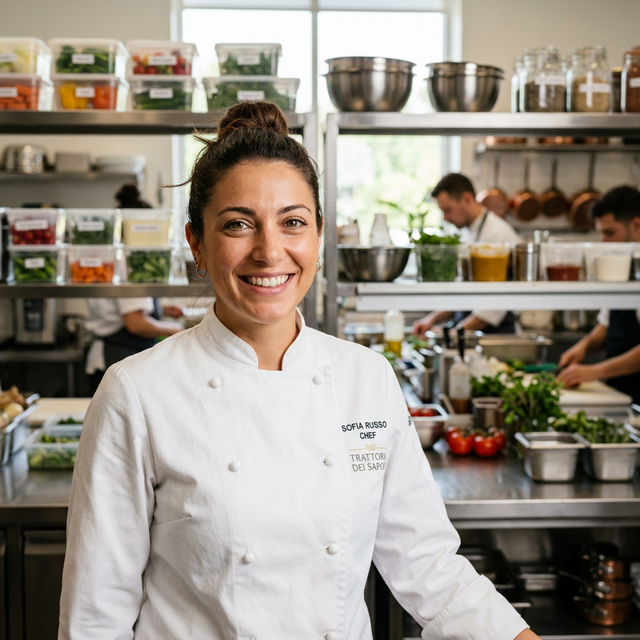
Sofia writes for the Smart Prep category, covering meal planning strategies, batch cooking techniques, and weekly prep guides. Her articles help busy families organize their cooking to save time and money.
← Previous
Perfect Boiled Eggs & Classic Egg Salad Recipe
Next →
Crispy Korean Fried Chicken Wings Recipe – Sweet & Spicy
Rate This Recipe
Tried this recipe? Share your experience and help others!