Follow Me On Social Media!

Fresh herbs are the shortest-lived ingredient in most kitchens. You buy a bunch of cilantro on Monday, use a handful in dinner, and by Thursday the rest is a blackened, slimy bundle at the back of the fridge. Most herbs die early because they were stored the wrong way for their type, washed before they were stored, or left in a bag that trapped the very moisture that rots them.
The fix is not a gadget or a special container. It is one decision, made at the shop door: is this a tender herb or a woody herb? Answer that, store it the right way, and a bunch of parsley lasts two weeks instead of three days. Get the decision wrong — put basil in the fridge, or wrap cilantro in a dry towel — and no amount of care afterwards will save it.
The Short Answer
Tender herbs — parsley, cilantro, dill, mint, chives, tarragon — stand upright in a jar of water like cut flowers, with a plastic bag tented loosely over the leaves, in the fridge. Woody herbs — rosemary, thyme, oregano, sage — wrap in a damp kitchen towel or paper towel inside a sealed container or bag, in the fridge. Basil is the exception: it never goes in the fridge, because cold injures it, so it stands in water on the kitchen counter at room temperature. Do not wash herbs before storing them, change the water every two to three days, and use the herbs within about a week to two weeks for tender types and two to three weeks for woody types.
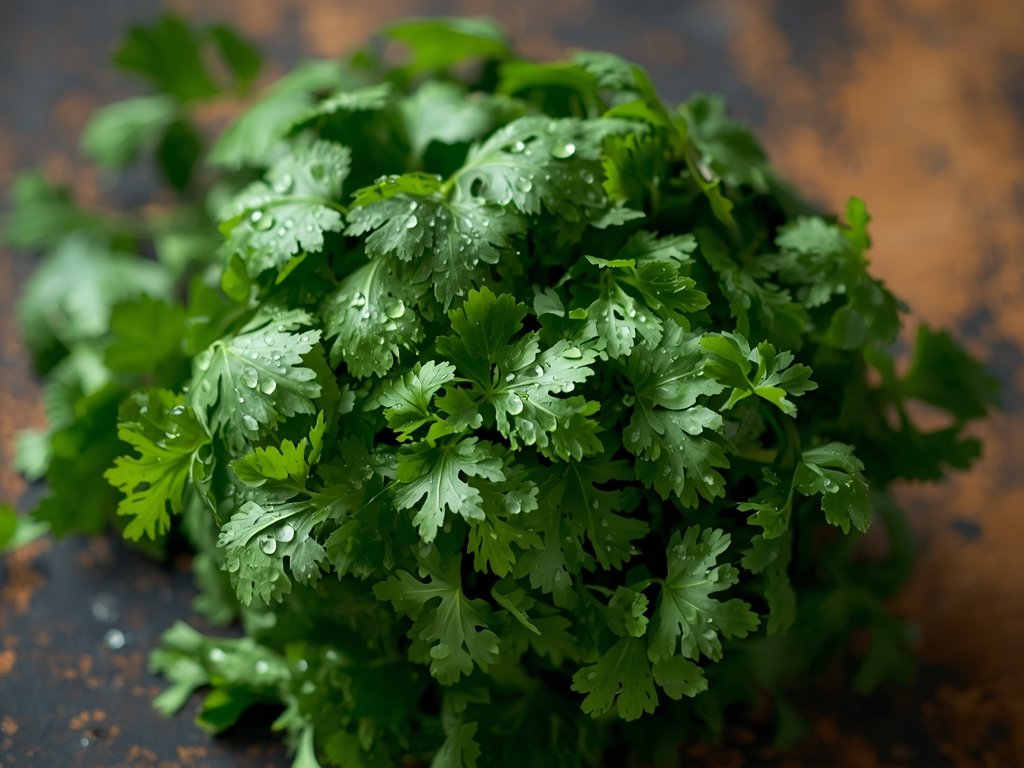
Tender vs Woody: The One Decision That Decides Everything
Tender herbs have soft, thin stems you can eat and leaves that wilt within hours at room temperature. Parsley, cilantro, dill, mint, chives, and tarragon are the usual ones. Their stems are mostly water, their leaves are thin and broad, and they lose moisture fast. They need a constant supply of water — which is why they stand in a jar — and cold air around the leaves to slow them down.
Woody herbs have stiff stems you would never eat and small, tough leaves with a waxy surface. Rosemary, thyme, oregano, and sage are the usual ones. Their leaves lose water slowly, so they do not need to drink, and standing them in water actually hurts them — the stems rot where they sit in the water, and the leaves go soft. What they need is steady, gentle humidity: enough moisture in the air to stop them drying out, not enough to make them wet.
If you are unsure which type you are holding, bend a stem. If it bends easily and snaps with a soft, green break, it is tender. If it is stiff, woody, and hard to bend, it is woody. And if it is basil, it belongs in a third category of its own — tender in shape, tropical in nature, and injured by the cold that the other tender herbs need.
Tender Herbs in Water, Like Flowers
This is the method our cilantro storage tip is built on, and it works for parsley, dill, mint, chives, and tarragon as well. Trim about a centimetre off the bottom of the stems — a clean cut drinks water better than a crushed one. Fill a jar with about three centimetres of cold water, stand the bunch upright in it, and cover the leaves loosely with a plastic bag, tented so it does not press on them. The bag is a humidity tent: it slows water loss from the leaves while the stems drink from below.

Put the jar in the fridge, on a shelf where it will not be knocked over. Change the water every two to three days, and re-trim the stem ends when you do. Pick off any leaves that turn yellow or slimy as soon as you see them, because one rotting leaf spreads fast in a damp bunch. With this method, parsley and cilantro commonly keep for about one to two weeks, and mint often longer.
Woody Herbs in a Damp Towel
Woody herbs want a different setup entirely. Lay out a clean kitchen towel or a sheet of kitchen paper, dampen it until it is moist but not dripping — wring it out well, then wring it again — and lay the rosemary, thyme, oregano, or sage sprigs in a single layer on it. Roll the towel up loosely around the herbs and put the roll in a sealed container or a zip-top bag, squeezing out most of the air before you close it. Store it in the fridge.
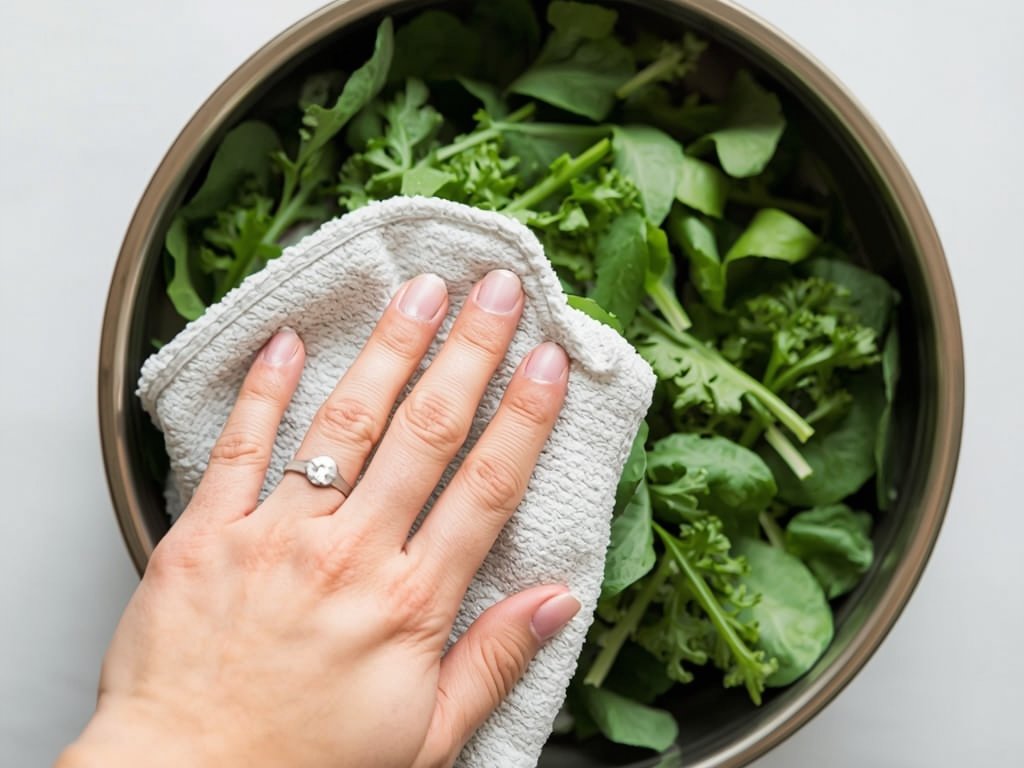
Stored this way, woody herbs commonly keep for two to three weeks in a home fridge, and rosemary — the toughest of them — sometimes longer. The University of California, Davis, notes that most fresh culinary herbs keep for about three weeks at 0°C (32°F), which is colder than a home fridge runs, so treat that as the ceiling for commercial cold storage, not a promise for your crisper drawer.
Do not stand woody herbs in water. The stems rot, the leaves turn dark, and the bunch smells swampy within days. Do not store them loose in a bag either — the dry fridge air pulls the moisture out of the leaves, and thyme in particular sheds its leaves within a week.
Basil Is the Exception: Never in the Fridge
Basil breaks the tender-herb rule, and the reason is cold injury. Basil is a tropical plant, and it is the only common culinary herb — along with shiso — that is chilling sensitive. The University of California, Davis, Postharvest Research and Extension Center states that basil and shiso should be stored above 10°C (50°F), and that their leaves suffer chilling injury below that: browning of the leaves and growing tip, bronzing of the veins, and loss of the glossy look of fresh leaves. Cold storage greatly reduces basil’s aroma as well, so a refrigerated bunch loses its scent before it even looks damaged.
That is why basil goes black in the fridge. It is not rot — it is the cold itself injuring the leaves. A bunch left in a fridge drawer at a typical 3 to 4°C will start to darken within a day or two, and the flavour goes with it. So store basil like a cut flower on the counter: trim the stems, stand the bunch in a jar with a few centimetres of room-temperature water, and cover the leaves loosely with a plastic bag. Keep it away from direct sun and away from fruit, which gives off ethylene. Change the water every day or two, and use the basil within about a week to ten days.
Freezing Herbs: The Ice-Cube Tray Method
When you have more herbs than you can use fresh, freezing is the rescue that works — for cooking, not for garnish. Frozen herbs lose their crisp texture and go dark, so they will never look right scattered over a finished dish. But their flavour survives well in a soup, a stew, a sauce, or a roast, where they go in during cooking.

Chop the herbs, pack them loosely into an ice-cube tray, and cover with water or olive oil. Water is the neutral choice; oil suits herbs you will use in cooking, and it keeps the flavour a little better. Freeze until solid, then pop the cubes into a labelled bag and return them to the freezer. Drop a cube straight into a pan or pot — do not thaw it first. This works well for parsley, cilantro, dill, mint, thyme, and rosemary. Basil is better frozen as pesto, or blended with a little oil, because plain frozen basil leaves go black.
Freezing is also a good way to think about amounts. A standard ice-cube tray holds about one tablespoon of chopped herbs per cube, so one cube is roughly the herbs for one dish. Our freeze-and-grate ginger guide uses the same logic — freeze the ingredient in a form you can use straight from the freezer, in the amount one dish needs.
Drying Woody Herbs
Drying works for woody herbs and barely at all for tender ones — rosemary, thyme, oregano, and sage dry well because their tough leaves hold oils that survive drying, while parsley and cilantro lose most of their flavour. Tie small bundles and hang them upside down in a warm, dry place with good airflow, out of direct sun, until the leaves crumble easily, usually in one to two weeks. Strip the leaves into a sealed jar away from light and use within six months; dried herbs are stronger than fresh, so use about a third of the amount.

What Kills Herbs: The Five Mistakes
First, washing before storing. Wet leaves in a closed container are the fastest route to mould. Wash only the herbs you are about to use, and dry them well — our salad spinner hack shows how to dry herbs and berries without bruising them. Second, ethylene from fruit. Apples, bananas, tomatoes, and avocados give off ethylene gas as they ripen, and it yellows herb leaves and speeds up decay. UC Davis notes that several herbs, including marjoram, mint, parsley, and oregano, are very sensitive to ethylene, so keep herbs away from the fruit bowl and away from ripening fruit in the fridge.
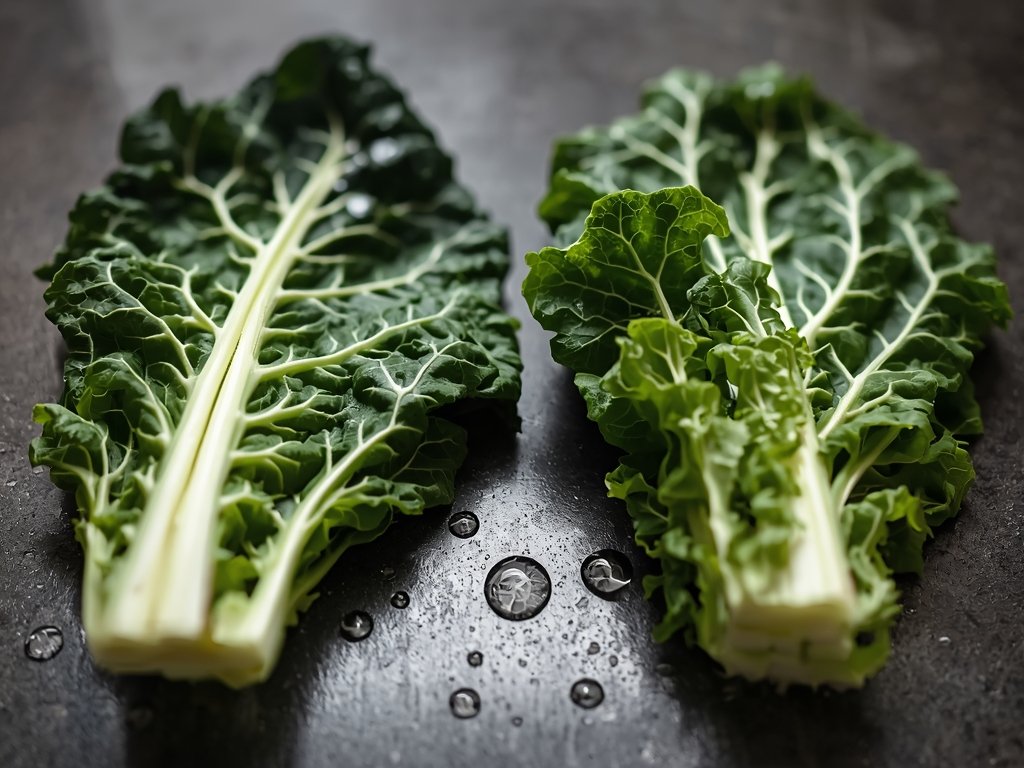
Third, airtight bags with no airflow. A sealed bag with wet leaves inside traps humidity and ethylene and turns the contents slimy within days. The bag over a water jar works because it is tented, not tied, and the air can move. Fourth, the wrong temperature — basil in the fridge, as above, or tender herbs left on the counter where they wilt in hours. And fifth, forgetting the bunch exists. Check the jar every couple of days, pick out the dying leaves, and cook with the herbs while they are still good.
How Long Each Herb Keeps: A Guide
The table below gives typical home-fridge keeping times for herbs stored by the right method. These are practical guide ranges, not official safety limits — fridges vary, and the freshness of the bunch at purchase varies too.
| Herb | Type | Method | Typical keeping time |
|---|---|---|---|
| Parsley | Tender | Water jar, bag tented, fridge | 1–2 weeks |
| Cilantro | Tender | Water jar, bag tented, fridge | 1–2 weeks |
| Dill | Tender | Water jar, bag tented, fridge | 1–2 weeks |
| Mint | Tender | Water jar, bag tented, fridge | 2–3 weeks |
| Chives | Tender | Water jar, bag tented, fridge | 1–2 weeks |
| Tarragon | Tender | Water jar, bag tented, fridge | 1–2 weeks |
| Basil | Tender, chilling sensitive | Water jar, counter, room temp | About 1 week |
| Rosemary | Woody | Damp towel, sealed container, fridge | 2–3 weeks |
| Thyme | Woody | Damp towel, sealed container, fridge | 2–3 weeks |
| Oregano | Woody | Damp towel, sealed container, fridge | 2–3 weeks |
| Sage | Woody | Damp towel, sealed container, fridge | 2–3 weeks |
Keep your fridge at 40°F (4°C) or below — the figure on the FoodSafety.gov cold food storage chart — and the herbs will keep at the long end of those ranges. A warm fridge shortens everything, and a bunch of herbs is the first thing to show it.
Using the Herbs Up Before They Go
The real point of storing herbs well is to have them ready when you cook, and to use them before they go. Plan the herb-heavy meals first — a bunch of parsley bought on Monday should be the garnish on Monday’s dinner and the base of a sauce by Thursday. Our pre-cut mirepoix storage guide follows the same rhythm: prepare the aromatics once, store them properly, and cook with them across the week. When a bunch is on its last day, use it all at once — a herb sauce, a dressing, or the freezer as cubes.

Frequently Asked Questions
Should I wash herbs before storing them? No. Wash only what you are about to use. Wet leaves stored damp are where mould starts, and washing removes the surface dryness that protects the leaves.
Why did my basil turn black in the fridge? Chilling injury. Basil is a tropical herb and is injured by cold: UC Davis says it should be stored above 10°C (50°F), and a fridge runs at about 3 to 4°C. The leaves brown, the veins bronze, and the aroma fades. Store basil in water on the counter instead, and never in the fridge.
How do I know when herbs have gone bad? Slime, blackening, a sour or musty smell, or leaves that fall apart when you touch them. A few yellow leaves can be picked off and the rest used; a bunch that smells off or feels slimy all the way through should be thrown away.

Ghani is the founder of TwiceTasty and a passionate home cook who believes no meal should go to waste. What started as a personal mission to transform leftovers into exciting new dishes has grown into a community of food lovers who share the same philosophy.

← Previous
How to Sanitize Refrigerator Shelves Without Harsh Chemicals
Next →
Can You Freeze Cheese? Which Cheeses Freeze Well (and Which Don’t)