Follow Me On Social Media!

Can you freeze cheese? Yes — but the kind of cheese decides whether you should. A block of cheddar that survives three months in the freezer and melts into a sauce is a genuine win; a wheel of brie that comes out grainy and weeping is a waste of good cheese. The difference is not the freezer, and it is not your technique. It is the moisture inside the cheese, and that one rule predicts almost every result on this page: the drier and firmer the cheese, the better it freezes; the softer and wetter the cheese, the worse it thaws.
This guide covers the short answer, the moisture rule, which cheeses freeze well and which do not, how to wrap cheese for the freezer, how long it keeps, how to thaw it, and the one case where you should never freeze it at all. It does not re-teach general freezing: for the wider rules, our freezing guides cover them, including can you freeze cooked chicken.
The Short Answer: Yes — But the Type of Cheese Decides
Freezing does not make cheese unsafe. It changes its texture, and that is the whole story. When cheese freezes, small ice crystals form inside it, and when it thaws, the water they release makes the cheese drier, crumblier, and sometimes mealy, and it can become less meltable the longer it has been frozen. Healthline’s review of the research puts it plainly: freezing changes the structure of cheese, and thawed cheese is rarely as good as fresh cheese. Nothing about that is dangerous — it is a quality question, and quality questions have practical answers.
The practical answer is to freeze cheese only when the cheese is the kind that survives the process, and only for dishes where the texture change will not be noticed. A block of cheddar that comes out a little crumbly is no problem in a macaroni cheese, a cheese sauce, or a pizza topping, because the cheese is melted and mixed into something else. The same block served on a cheese board, sliced and eaten cold, will show every fault the freezer left in it.
The Moisture Rule: Drier Cheese Freezes Better
The single rule that predicts freezing results is moisture. Cheese with a lower water content forms fewer ice crystals, and fewer crystals mean less structural damage when the cheese thaws. Hard cheeses like Parmesan and aged cheddar are low in moisture and high in fat, and they come out of the freezer with their flavour largely intact and their texture only slightly changed. Semi-hard cheeses like Swiss and Gouda have a little more moisture, and they come out a little more changed — crumblier, a little drier — but still perfectly usable in cooking.
Soft cheeses are the opposite end of the scale. Brie, Camembert, fresh mozzarella, ricotta, cottage cheese, and cream cheese are all high in moisture, and the ice crystals that form inside them disrupt their structure badly. When they thaw, the water separates from the fat and the protein, and what comes out is grainy, watery, or both. Healthline’s guide is direct about the two worst cases: fresh curd cheeses like cottage cheese, ricotta, and quark are not recommended for freezing because of their high moisture content, and soft ripened cheeses like brie and Camembert are best eaten fresh.
Which Cheeses Freeze Well
Hard cheeses are the best candidates. Cheddar, Swiss, Gouda, and Parmesan freeze well for months, and they are the ones to reach for when you have a block that is too big to finish in the fridge. Low-moisture mozzarella — the firm block kind, not the fresh balls in water — also freezes well, and it gains the most from being frozen in shredded form, because shredded mozzarella can go straight from the freezer bag into a pizza topping or a pasta bake without thawing first. Healthline’s guide also notes that some semi-soft cheeses, like Stilton and soft goat cheese, freeze reasonably well — but the key there is that they are going into cooked dishes afterwards, not onto a board.

Shredded cheese is the most practical form to freeze. A bag of shredded cheddar or mozzarella, bought on offer or left over from a recipe that needed half a bag, freezes in the bag it came in or in a freezer bag, and you can pour out what you need without thawing the rest. Block cheese freezes best when it is portioned first: Healthline recommends freezing no more than a pound — about 500 grams — per portion for a large block like cheddar, and grating or slicing it before freezing if that is how you will use it. Wrapped and frozen properly, hard and semi-hard cheeses keep their best quality for 6 to 9 months, according to Healthline.
Which Cheeses Freeze Badly (and Why)
Soft ripened cheeses are the worst candidates. Brie and Camembert rely on a living rind and a creamy interior that freezing destroys: the rind stops ripening, the interior turns grainy, and the cheese that comes out is a shadow of the one that went in. Healthline’s guide notes that freezing damages the live mould and bacteria populations that give these cheeses their character, and can stop them ripening properly when they thaw. The same applies to blue cheese, in a different way: it can technically be frozen, but the low temperature damages the moulds that are essential to its flavour, so it is better eaten fresh.

Fresh cheeses are the next group to keep out of the freezer. Fresh mozzarella, ricotta, cottage cheese, and quark all have very high moisture content, and they come out watery and grainy. Cream cheese is a special case: it can be frozen, but it separates on thawing, and although whipping it afterwards can improve the texture, it will never be the smooth, spreadable cheese it was. Processed cheeses and cheese spreads are the last group, and Healthline lists them as unsuitable for freezing outright.
How to Wrap Cheese for the Freezer
The wrapping matters more than most people expect, because freezer burn is the second thing that damages cheese after the ice crystals themselves. Dry freezer air is what causes it, and the fix is to keep the air out. Portion the cheese first, into the amounts you will actually use in one go — a pound of cheddar, a cup of shredded mozzarella, a few slices separated with parchment paper. Wrap each portion tightly: foil or cheese paper first, then into an airtight freezer bag or container with the air pressed out. For the finer points of wrapping, our guide cheese wrapping 101: why plastic wrap is killing your cheddar covers the materials and the method in detail.
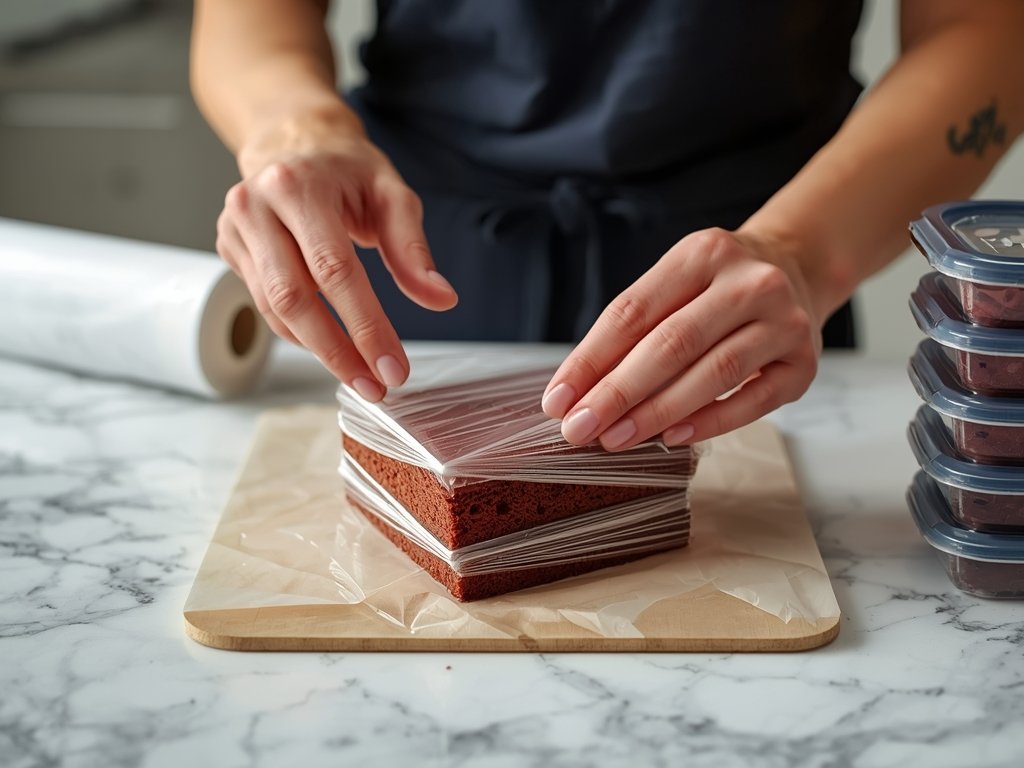
Freeze the cheese as quickly as you can, because fast freezing makes smaller ice crystals and smaller crystals mean less damage. Use the quick-freeze function on your freezer if it has one, lay bags flat so they freeze fast and stack neatly, and do not put a warm bag of cheese into the freezer — cool it in the fridge first. If you are freezing cheese sticks for a later snack, the same wrapping applies, and our guide on how to freeze leftover cheese sticks for future melting walks through the portioning and the thawing for that specific shape.
How Long Does Frozen Cheese Keep?
Healthline puts the best-quality window for hard and semi-hard cheese at 6 to 9 months, and that is the most useful single number on this page. It is a quality window, not a safety deadline, and the USDA’s freezing guidance is the reason why: food held continuously at 0°F or below stays safe indefinitely, because bacteria cannot grow at that temperature. What declines after 6 to 9 months is flavour and texture — the cheese gets drier, crumblier, and less meltable, and the longer it stays in, the more of that it loses. A block of cheddar frozen for ten months is not unsafe; it is just flatter, and you will notice it if you try to slice it, though you may not notice it at all in a cheese sauce.
Other kinds of cheese have shorter windows, where they have a window at all. Soft cheeses that freeze badly should be treated as a few weeks at most, and only for cooking, not for eating cold. The practical rule is to freeze cheese while it is still fresh, to use the oldest portions first, and to treat the 6-to-9-month figure as a target for hard cheese. The fridge side of the same question — how long cheese and other leftovers last once they are out of the freezer — is in our guide to how long leftovers last in the fridge, and the FoodSafety.gov cold food storage chart gives the storage times for the foods around the cheese.
How to Thaw Frozen Cheese
Thaw cheese in the fridge, and only in the fridge. Never thaw it on the counter or at room temperature — the outside will spend hours in the danger zone while the centre is still frozen, and the texture will suffer too, because uneven thawing makes the separation worse. Healthline gives a useful rule of thumb: allow 7 to 8 hours per pound — about 500 grams — of cheese in the refrigerator. A block of cheddar needs an overnight thaw; shredded cheese needs much less, and can go straight from the freezer bag into a pizza topping or a cooking pot without thawing at all.

Once the cheese has thawed, use it in cooked dishes. That is where thawed cheese does its best work: sauces, pasta bakes, gratins, pizzas, and grilled cheese sandwiches, where the cheese is melted and mixed into something else and the small changes in texture disappear. Healthline’s guide to freezing cheese makes the same point twice, and it is worth repeating: frozen cheese is best used in cooked dishes, because the places where its texture has changed are the places where cooking hides them. Keep the fridge at 40°F or below and the freezer at 0°F or below; the USDA’s freezing and food safety page explains the 0°F rule.
When NOT to Freeze Cheese
The one case where you should never freeze cheese is the cheese board. A cheese board is a display of texture and flavour, and freezing damages both: a brie that comes out grainy, a cheddar that crumbles when you slice it, a blue cheese whose mould has stopped developing — none of these belongs on a board. If you bought cheese for a gathering and there is too much of it, the answer is not the freezer. It is to cook with the excess, or to give it away, or to serve it the next day. The freezer is for cheese you plan to cook with later, and it should never be used as a way to rescue cheese that was bought to be eaten fresh.
Freezing these is not a preservation strategy; it is a way of turning a good cheese into an ordinary one. Buy these in the amount you will eat, eat them fresh, and save the freezing for the workhorse cheeses — cheddar, Swiss, Gouda, and low-moisture mozzarella — that are going into a cooked dish anyway.
The Bottom Line: Freeze the Workhorse Cheeses, Eat the Delicate Ones Fresh
Can you freeze cheese? Yes — hard and semi-hard cheeses freeze well for 6 to 9 months at best quality, and they are worth freezing when you have too much to finish in the fridge. Portion them first, wrap them tightly in foil and a freezer bag, label them with the date, freeze them fast, thaw them in the fridge overnight, and use them in cooked dishes where the texture change will not be noticed.

Ghani is the founder of TwiceTasty and a passionate home cook who believes no meal should go to waste. What started as a personal mission to transform leftovers into exciting new dishes has grown into a community of food lovers who share the same philosophy.

← Previous
How to Store Fresh Herbs So They Last Longer
Next →
Can You Freeze Cooked Turkey? How Long It Keeps