Follow Me On Social Media!

Can you freeze soup? Yes — and for most soups, the freezer is the best place a leftover pot can go. A pot of soup that would only last 3 to 4 days in the fridge keeps for 2 to 3 months in the freezer at best quality, according to FoodSafety.gov’s cold food storage chart. One Sunday cooking session becomes ready lunches and quick dinners for weeks.
There is one catch, and it is the whole secret of freezing soup well: freeze the base, not the finish. Dairy, cream, pasta, potatoes and rice do not survive freezing the way broth, beans and vegetables do, so they go in after, when you reheat the soup — not before you freeze it. One honest note first: there is no GSC demand evidence for this query in the site’s export. This article is cluster support for the freezing hub, not a fast win.
The Short Answer: Yes — Freeze the Base, Not the Finish
Most soups freeze well. The broth, the beans, the lentils, the cooked vegetables and the meat in the pot all hold up in the freezer, because there is very little in them that freezing can damage. Water expands as it freezes and ice crystals form, but in a liquid base that does not matter much: the soup is liquid again when you heat it, and the flavours have had time to settle together.
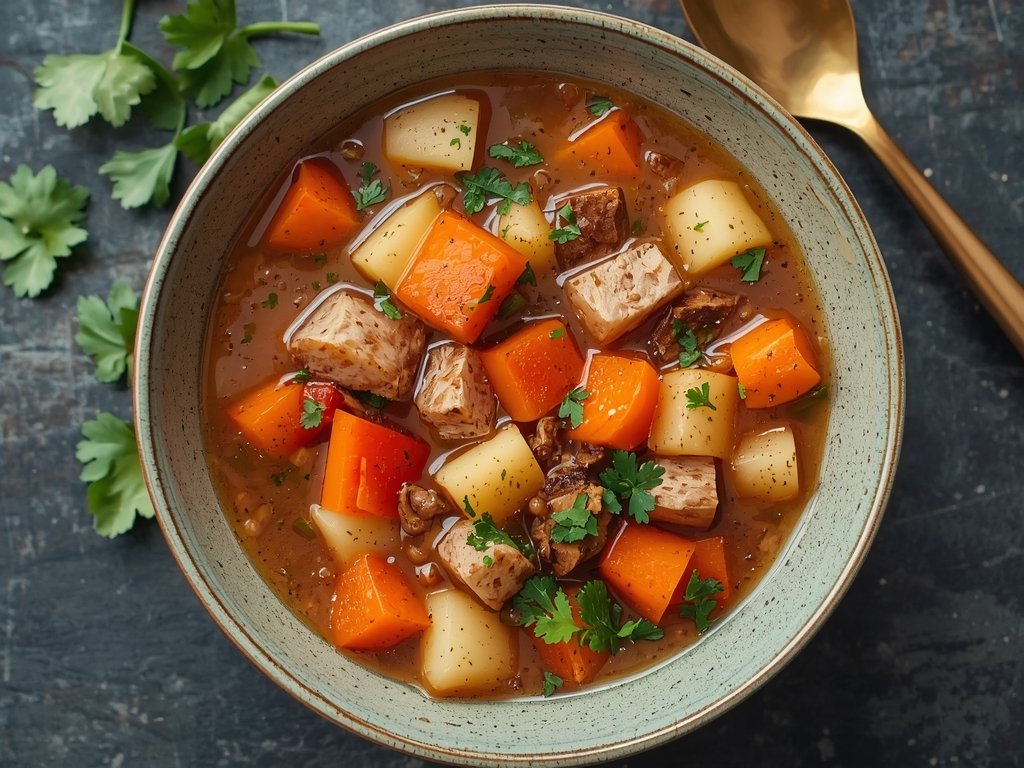
What freezing damages is the texture of the fragile parts. Cream and milk split apart as their fat and water separate. Pasta soaks up liquid and collapses into soft strands when it thaws. Potatoes turn grainy and mealy. Rice swells and loses its shape. None of that makes the soup unsafe, but it makes it unpleasant to eat, which is the same result in practice. Cook the soup, leave out the cream, pasta, potatoes and rice, cool the base, and freeze it plain — then add the fragile parts back when you reheat it.
Which Soups Freeze Best
Broth-based soups are the easiest win in the freezer. Chicken noodle soup frozen without the noodles, beef and barley soup, vegetable soup, minestrone frozen without the pasta, and plain chicken or vegetable broth all freeze and reheat with almost nothing lost. The broth may look a little cloudy after thawing, but once it is hot and seasoned, that cloudiness disappears into the flavour of the pot.

Bean and lentil soups are just as reliable: lentil, black bean, white bean and kale, split pea and chickpea soups all hold their shape, because beans and lentils are sturdy and their starch helps the soup stay smooth. They may thicken in the freezer, so add a splash of water or stock when reheating. Tomato soups freeze well too, especially smooth ones, and pureed vegetable soups — butternut squash, carrot and ginger, cauliflower — reheat into a smooth, thick bowl when blended before freezing, without cream.
Meat in soup freezes well too, when it is already cooked and cut into pieces: chicken, beef, turkey and sausage in a broth-based soup all survive freezing, as long as the soup itself is the thing being frozen rather than a delicate sauce around the meat. Chunky vegetable soups with pieces of carrot, celery, onion and pepper also freeze well, though very soft vegetables will be softer still after thawing. That is the normal texture of a reheated soup, and it suits most of these dishes — a soup that was chunky when it went in will still be recognisably chunky when it comes out.
Which Soups Freeze Badly (and Why)
Cream soups are the classic failure. A cream of mushroom, cream of tomato, chowder or bisque frozen with the cream already in it will very often split as it thaws: the fat separates from the water, the soup looks curdled, and the mouthfeel turns thin and grainy. Freeze the base before the cream goes in, and the problem never appears.
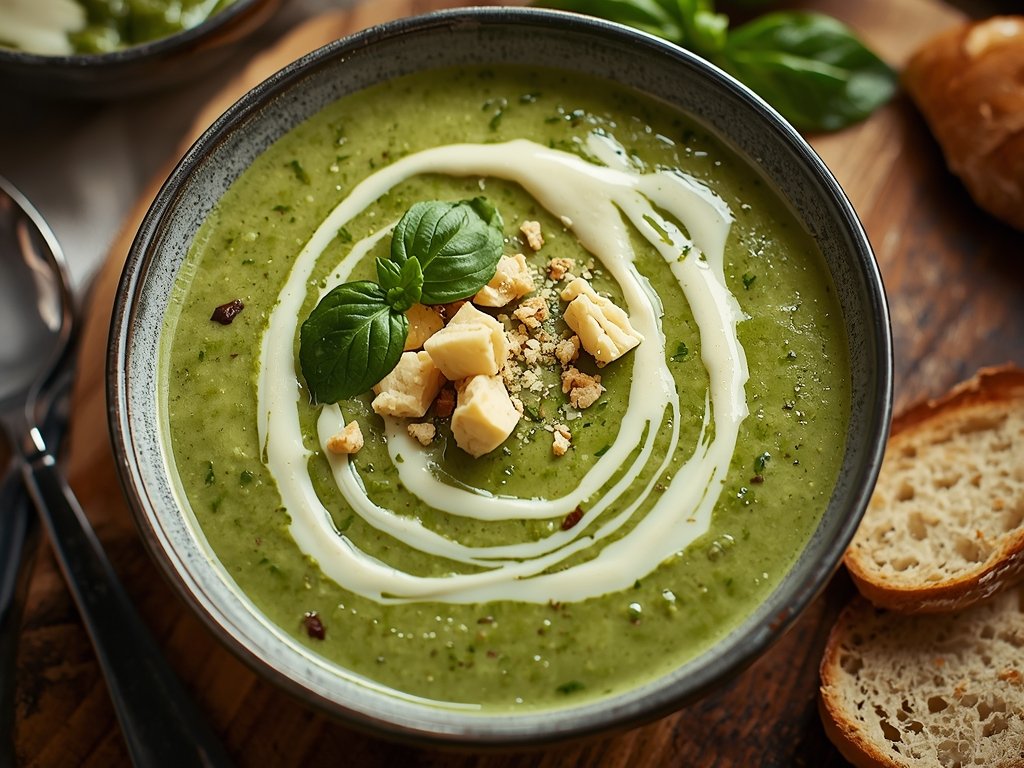
Potato soup is the next trouble spot, because potatoes turn grainy, watery and mealy in the freezer — the same problem that affects freezing mashed potatoes. Pasta keeps absorbing liquid while it freezes and thaws, so noodles turn soft and mushy; rice swells and splits the same way. Soups thickened with eggs or cheese carry the same separation risk as cream soups, and delicate seafood can turn rubbery. None of this is dangerous — it is disappointing, which is why the fragile parts stay out of the freezer.
How to Freeze Soup, Step by Step
Cool the soup fast, and do it within 2 hours. Food should not sit in the danger zone — 40°F to 140°F, the range in which bacteria grow rapidly — any longer than that, and a big pot cools slowly on the counter. Divide it into shallow containers, set them in cold water or an ice bath, and stir so the centre cools as fast as the edges.
-
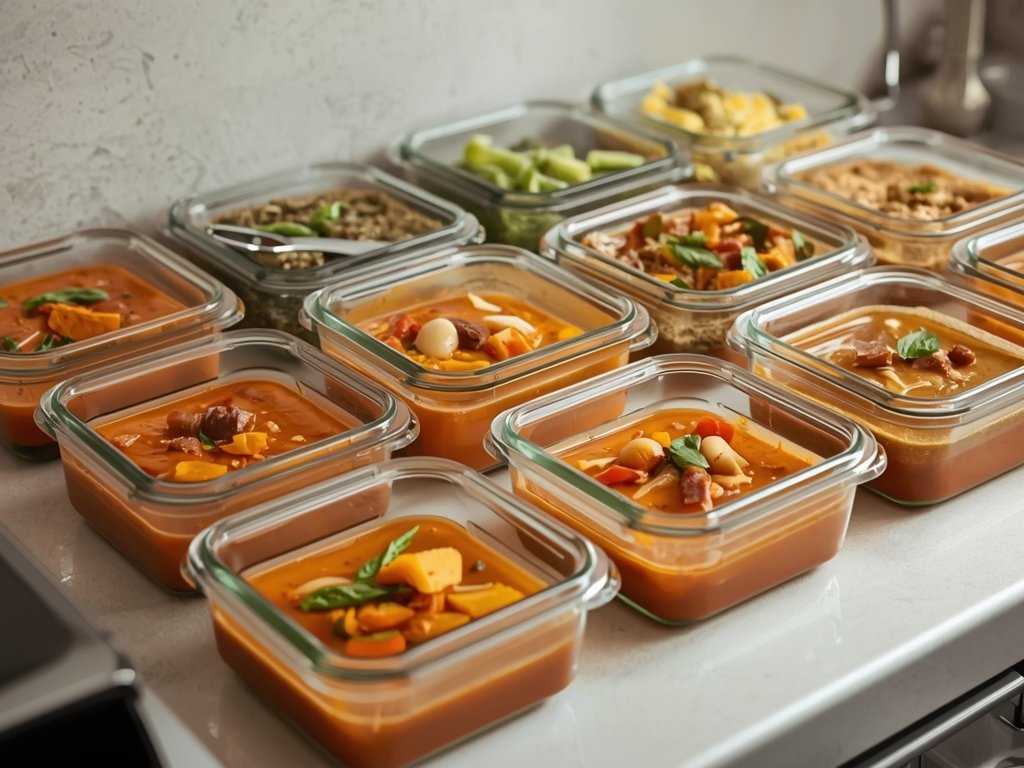
Ladle out the base — broth, beans, vegetables, meat — and hold back the cream, pasta, potatoes, rice and delicate herbs.
- Portion it in one- or two-serving amounts, so you thaw only what you need.
- Leave headspace: fill containers and bags only about three-quarters full, because soup expands as it freezes.
- Press the air out of bags, seal them, and lay them flat so they freeze fast and stack neatly.
- Label every portion with the contents and the date, and use the oldest first.
How Long Does Frozen Soup Keep?
FoodSafety.gov’s cold food storage chart gives soups and stews 3 to 4 days in the fridge and 2 to 3 months in the freezer. That freezer figure is a quality window, not a safety cut-off. The USDA explains the distinction clearly: food held continuously at 0°F or below stays safe indefinitely, because bacteria cannot grow at that temperature. What declines after 2 to 3 months is flavour and texture — the soup gets blander and the vegetables softer.
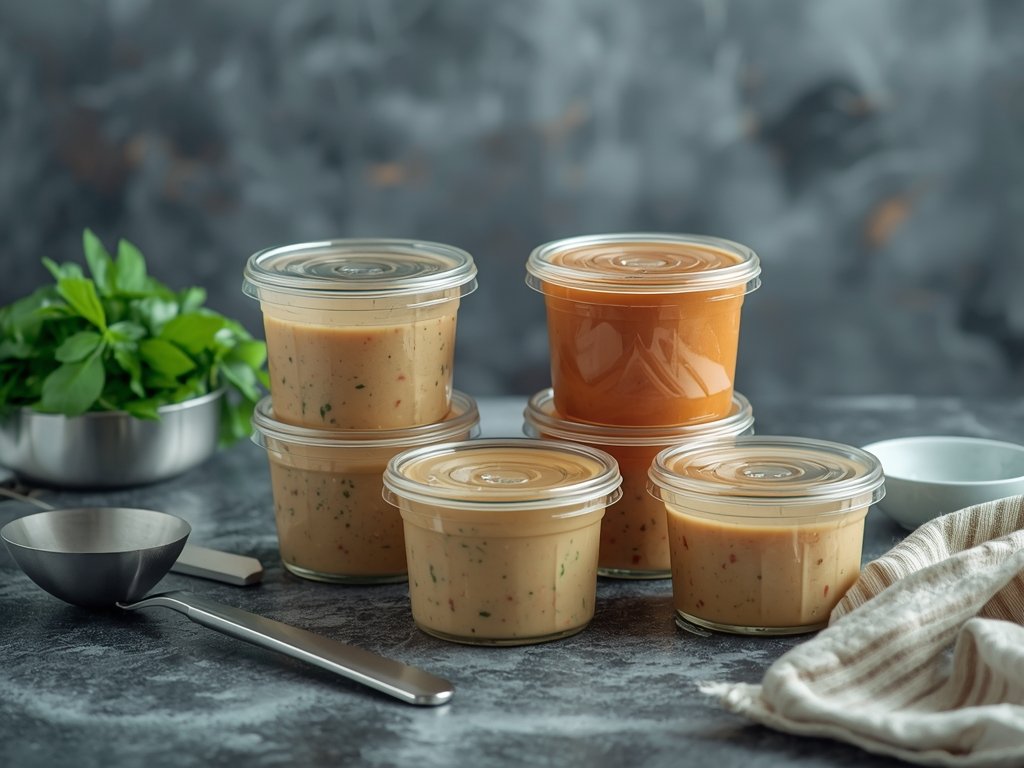
Treat 2 to 3 months as a target, not a deadline: a soup frozen for three months and a week is not suddenly unsafe, just a little flatter. Freeze soup while it is still fresh, on day one or two inside its 3 to 4 days in the fridge — not on day four, when it is already near the end of that window. Freezing pauses the days the soup has already spent in the fridge; it does not reverse them. Our guide to how long leftovers last in the fridge sets out the full chart. Keep the fridge at 40°F or below and the freezer at 0°F or below: the USDA’s freezing and food safety page and FoodSafety.gov’s cold food storage chart are the sources for these numbers.
How to Thaw Frozen Soup Safely
Thaw soup in the fridge overnight if you can plan ahead — it is the safest and simplest method, because the soup stays cold the whole time it thaws. Move a portion to the fridge the night before, and by the next evening it will be ready to heat. Soup thawed in the fridge should be used within 3 to 4 days, the same window as fresh leftovers, so do not thaw it a week ahead.
If you need it today, thaw it in cold water: put the sealed bag or container in a bowl of cold tap water, changing the water every half hour so it stays cold. A flat single portion thaws in an hour or two. Never thaw soup in warm water, and never leave it on the counter — the outside will spend hours in the danger zone while the centre is still frozen. The microwave works in a pinch, in short bursts with stirring, as long as you bring the soup to a rolling boil afterwards. You can also reheat from frozen, in a covered pot with a splash of water, stirring as the block softens.
How to Reheat Frozen Soup (and Add the Fragile Bits Back)
Reheat soup by bringing it to a rolling boil. The USDA’s rule for sauces, soups and gravies is specific: a rolling boil, not a simmer. A simmer can leave the middle of a pot cooler than the surface looks, and a rolling boil guarantees the whole pot has reached the temperature that kills bacteria. Keep it boiling for a minute or two, stirring so nothing sticks.

Now add the fragile parts back. Pasta and rice go in while the soup is still boiling and cook in it — fresh pasta takes only a few minutes, rice takes longer, so plan for that. Diced potatoes go in and cook until tender. Cream, milk and cheese go in last, off the boil or on the lowest heat, stirred in gently — high heat after dairy is added is what makes a finished soup split. Season at the end, too: freezing can dull flavours, so taste and adjust the salt, acid and herbs. A squeeze of lemon or a handful of fresh herbs makes a reheated soup taste finished that day. Reheat only what you will eat, and do not reheat the same portion again and again.
How to Fix a Soup That Separated After Thawing
Separation after thawing is common, and it is usually fixable. A broth-based soup that looks cloudy or has a thin layer on top is not a failure — a good stir as it heats is often all it needs. Heat it gently, whisk it as it warms, and see how it looks before deciding anything else is needed.

A pureed soup that has gone grainy often comes back with a short blend: an immersion blender for thirty seconds will usually smooth it out, and a spoonful of cream stirred in at the end adds body as well as richness. A cream soup frozen with the cream in it is the hardest case — whisk it hard on a low heat, add a spoonful of fresh cream at the end, and if the whisk alone has not worked, stir in a teaspoon of cornflour mixed with cold water. Know when to let a soup go: if it smells off, has visible mould, or has been left out for more than 2 hours — 1 hour above 90°F — throw it away. Separation is a texture problem; a soup that spent too long in the danger zone is a safety problem. When in doubt, throw it out.
The Bottom Line: Freezer Soup Is the Easiest Meal You Will Make This Week
Freeze the soup you already made, while it is fresh, in portions you will actually use, with the fragile ingredients left out until you reheat it. Keep it for 2 to 3 months at best quality, thaw it in the fridge overnight, bring it to a rolling boil, and finish it as though you had just made it — cream at the end, fresh pasta or rice in the boiling soup, fresh herbs over the top.
That system turns one pot into several meals and keeps good food out of the bin. Can you freeze soup? Yes — and the soup that comes out of the freezer is only as good as the choice you make before it goes in. For the fridge side of the same routine, our guide to how to store leftover soup for maximum freshness covers the containers, the cooling and the day-to-day routine that makes the freezer system work.

Ghani is the founder of TwiceTasty and a passionate home cook who believes no meal should go to waste. What started as a personal mission to transform leftovers into exciting new dishes has grown into a community of food lovers who share the same philosophy.
