Follow Me On Social Media!

A holiday ham is too big to finish in one sitting — that is the whole point of it — and by the third day the question changes from what to cook to what to save. Freezing is the answer, and it is a good one: cooked ham freezes well, thaws predictably, and comes back close enough to fresh that it works in every dish that does not depend on a perfect slice. Freezing cannot improve ham that is already on its way out, so the timing matters as much as the method: freeze it while it is still fresh. This guide gives the numbers the USDA FoodKeeper database actually lists, and says plainly where other sources give a different figure.
This guide answers the question directly — yes, and for how long — then works through the parts that decide whether the thawed ham is good or disappointing: sliced versus whole, how to wrap it so it does not dry out in the freezer, how to thaw it safely, whether you can refreeze it, and what it will taste like afterwards. The numbers below come from the USDA FoodKeeper database, and where the sources disagree, the disagreement is stated rather than smoothed over.
The Short Answer: Yes — 1 to 2 Months at Best Quality
Yes, you can freeze cooked ham. The USDA FoodKeeper database gives cooked ham a best-quality freezer window of one to two months: inside that window it thaws tasting close to the way it went in, and beyond it the texture and flavour start to decline. That is a quality limit, not a safety limit — frozen food kept at 0°F or below stays safe indefinitely, because bacteria cannot grow at freezer temperatures. What changes over time is the eating quality: the ham dries out, the flavour fades, and freezer burn creeps in at the edges. Plan on one to two months, and label the parcel with the date so you know when that window closes.
Freeze the ham while it is still fresh, ideally in the first day or two, and always inside its fridge window: a whole cooked ham keeps about a week, sliced ham three to four days. Freezing only pauses the clock: ham frozen on day four of a four-day fridge window goes into the freezer with almost no life left, and thawing it later does not give that life back. The FoodSafety.gov cold food storage chart gives cooked leftovers three to four days in the fridge. If you are not going to finish the ham within its fridge window, the freezer is the right call, and the sooner the better.
Why the Sources Disagree: 1–2 Months vs 4 Months

If you search this question, you will find two different answers, and both of them cite the USDA — which is confusing until you see what each one is actually measuring. The FoodKeeper database, which is the USDA’s own storage-time reference, gives cooked ham one to two months in the freezer. 247FoodCheck’s page on the question reports the FoodKeeper figure directly: best quality within one to two months, safe beyond that at a constant -18°C.
Real Simple, on the other hand, reports that ham can be stored in the freezer for up to four months, citing USDA food safety guidelines. The difference is the kind of guidance: the four-month figure comes from the USDA’s general freezing guidance, which treats the freezer as safe indefinitely and gives longer quality windows for many foods, while FoodKeeper gives a shorter, food-specific quality window for cured, cooked meat. This guide follows FoodKeeper’s one to two months as the headline, because it is the figure specific to cooked ham, and treats anything beyond two months as still safe but noticeably worse.
Sliced, Diced, or Whole: What Freezes Best
How you cut the ham before freezing decides how useful it is later, and the trade-off is between flexibility and quality. Sliced ham is the most useful form: it thaws fast, it portions exactly, and you can take out two slices for a sandwich without thawing the rest. The cost is surface area: every slice has two faces exposed to freezer air, so slices are the most vulnerable to drying out. Stack them with parchment between them so they do not freeze into a block, and wrap the stack tightly.
Diced ham is the best form for cooking: it goes straight from the freezer into soup, fried rice, a hash, or a pasta sauce, and the cooking liquid hides any small texture change. A whole or half ham freezes fine and keeps its quality the longest, because it has the least surface area for its weight, but it is the least practical: it takes a long time to thaw, it takes up a lot of freezer space, and once it is thawed you have the same eat-it-in-days problem you started with. For most households the answer is to freeze in the form you will cook with — slices for sandwiches, dice for cooking, and a whole piece only if you are saving it for another full meal. Our guides to freezing cooked turkey and freezing cooked chicken recommend the same portion-first approach.
How to Wrap Ham for the Freezer
Freezer burn is not a mystery and it is not bad luck: it is air reaching the surface of the food and drying it out, and the wrapping is the whole defence. The method that works is two layers. First, wrap the ham tightly in plastic wrap, pressing the wrap against the surface so there is as little trapped air as possible — for slices, wrap the stack as one parcel. Then put the wrapped parcel into a heavy-duty freezer bag, press out as much air as you can before sealing it, and label it with the contents and the date.
Three details make the difference between ham that thaws well and ham that thaws grey. First, cool the ham completely before wrapping it — warm ham steams inside the wrapping, and that moisture turns to ice crystals on the surface. Second, freeze in meal-sized portions rather than one big bag: a quart-sized bag of slices is about right for a family dinner, and small flat parcels freeze faster and thaw faster than a thick block. Freeze the parcels flat on a tray for the first few hours, then stack them once solid. Our guide to freezing meatballs in sauce uses the same flat-freeze, portion-first logic.
How to Thaw Frozen Ham Safely

Thaw ham in the fridge, never on the counter. Move the parcel from the freezer to the fridge and give it time: the USDA’s guidance, reported by Real Simple, is four to six hours of thawing time per pound in the fridge, so a two-pound parcel needs roughly eight to twelve hours and a whole ham needs a full day or more.
The cold-water method is the faster alternative when you have forgotten to move the ham in time. Put the sealed parcel in a bowl of cold tap water, change the water every 30 minutes so it stays cold, and cook the ham as soon as it is thawed — cold-water thawing warms the outside of the parcel faster than the fridge method, so the ham should not go back into the fridge afterwards. Never thaw ham in hot water or on the counter: the outside of the parcel reaches the danger zone — 40°F to 140°F, where bacteria multiply fastest — while the centre is still frozen, and that is exactly the risk the fridge method avoids.
Can You Refreeze Ham?

Yes, you can refreeze ham — but only if it was thawed safely in the fridge and has not been sitting out. Food thawed in the fridge can be refrozen without cooking it first, although the quality drops each time: every freeze-thaw cycle drives out more moisture. Ham thawed in cold water should not be refrozen unless you cook it first.
The more useful question is usually whether you should refreeze it, and the answer is usually no. The reason is the same one that applies to every leftover: the clock. Ham thawed in the fridge has three to four days before it needs using, and refreezing it does not reset that clock — it pauses it again, with less quality left. In practice it is better to cook the thawed ham into something — a soup, a hash, a pasta sauce — and freeze that dish if you need to, because the cooking step resets the safety clock and the sauce hides the texture loss. Never refreeze ham left at room temperature for more than two hours, or one hour above 90°F: freezing will not make it safe again.
What Ham Tastes Like After Thawing
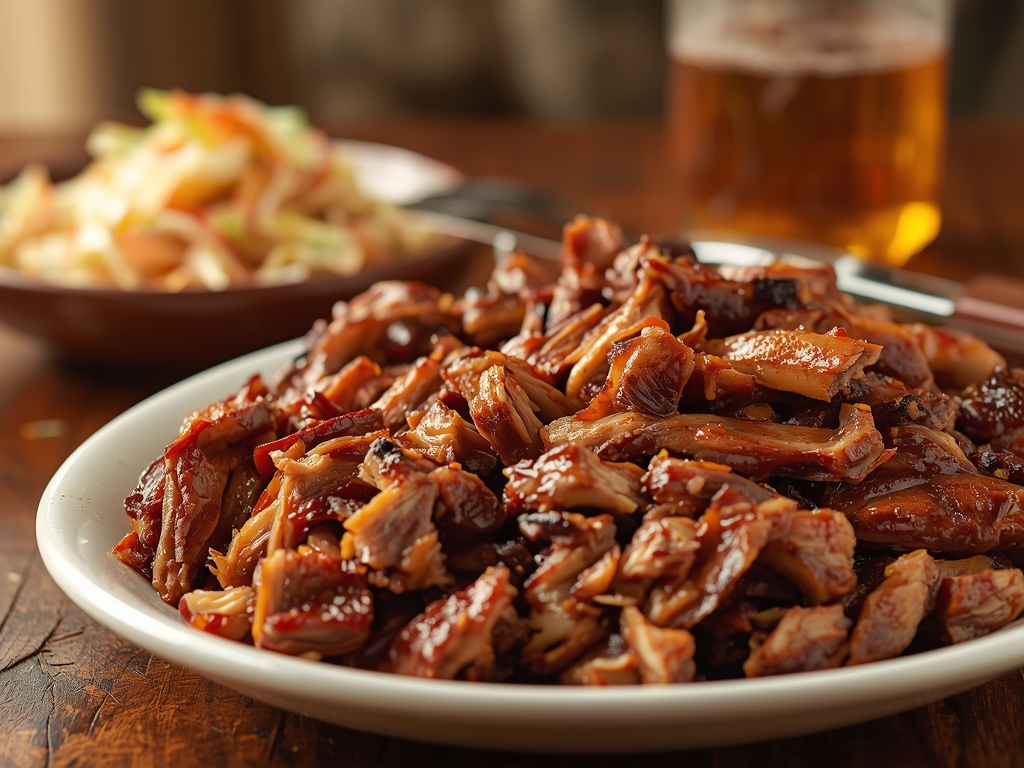
Thawed ham is good, not identical. The curing that makes ham keep well in the fridge also helps it in the freezer: the salt and the smoke hold the flavour better than an uncured roast would, and most people will not notice a difference in a cooked dish. What changes is the texture. The fibres lose a little moisture with each freeze, so thawed ham is slightly softer and a little less firm than fresh ham, and the surface can look a touch paler where the freezer air reached it.
The practical answer is to match the thawed ham to the dish. Slices that have gone a little soft are still fine for sandwiches, especially with a spread and something crisp alongside, and they are perfect for cooking — the texture change disappears entirely once the ham is diced into soup, fried rice, or a pasta sauce. Trim off any freezer burn — grey, dry patches — before using it: the burn is a texture problem, not a safety problem. A ham that smells off or feels slimy after thawing is spoiled, and it goes in the bin.
Fridge Life After Thawing and Using It Up
Once ham is thawed in the fridge, treat it like fresh cooked ham: use it within three to four days for slices, or within about a week for a whole piece. The thawing time counts against that window only in the sense that the ham is now perishable again — the days it spent frozen do not count, but the days it spends in the fridge after thawing do. Plan the thaw so the ham is ready when you have a use for it, not three days before.
The easiest way to use up a thawed parcel is to cook with it rather than serve it cold. Dice it into a soup, where the broth replaces the moisture the freezer took, or into fried rice, a hash, or a pasta sauce — all of them are forgiving of the small texture change, and all of them turn a parcel of ham into a dinner rather than a sandwich filling. Our guide to storing homemade broth covers the same fridge-versus-freezer decision for the stock that makes those soups. Label every parcel with its date and use the oldest first.
Frequently Asked Questions
Can you freeze a whole cooked ham? Yes. A whole ham freezes well and keeps its quality longer than slices, because it has less surface area for its weight. Wrap it tightly in two layers, thaw it in the fridge at four to six hours per pound, and use it within three to four days of thawing.
How long does frozen cooked ham last? Best quality for one to two months, per the USDA FoodKeeper database. It stays safe beyond that at 0°F or below, but the texture and flavour decline. Some sources, including Real Simple citing USDA guidance, give up to four months — that is a general freezing figure, and this guide follows FoodKeeper’s food-specific one to two months for quality.
Can you freeze ham slices? Yes, and slices are the most practical form to freeze — they thaw fast and portion exactly. Stack them with parchment between the slices so they do not freeze into a block, wrap the stack tightly in two layers, and use them within one to two months.
Does freezing ham change the taste? Slightly. The flavour holds up well because ham is cured, but the texture softens a little and the surface can dry where air reached it. The change disappears in cooked dishes, and is only noticeable when the ham is served as a plain slice.

Ghani is the founder of TwiceTasty and a passionate home cook who believes no meal should go to waste. What started as a personal mission to transform leftovers into exciting new dishes has grown into a community of food lovers who share the same philosophy.

← Previous
How to Make Stock from a Leftover Chicken Carcass
Next →
Can You Freeze Leftover Stuffing?