Follow Me On Social Media!

Stuffing is the dish nobody makes too little of. There is always a pan left after Thanksgiving, too good to throw away and too much to eat in the three or four days the fridge allows, and it sits there getting staler while the decision gets put off. Freezing is the way out of that trap: stuffing freezes well, thaws without drama, and comes back with its flavour intact, as long as it is frozen the right way and reheated hot enough. Stuffing is one of the riskier leftovers, because it is dense, moist, and often mixed with poultry juices — so the safety rules matter more here than for most dishes. The rules below are the USDA’s, and the freezer times are the range the sources actually give.
This guide answers the question directly — yes, and for how long — then works through the parts that decide whether the thawed stuffing is good or disappointing: cooked versus uncooked stuffing, which follow different rules; how long it keeps in the fridge and the freezer; how to portion and wrap it; how to thaw it and reheat it to 165°F; how to fix the texture; and the food-safety rules that are not optional. Where the sources disagree on freezer times, the disagreement is stated rather than smoothed over.
The Short Answer: Yes — 1 to 3 Months at Best Quality
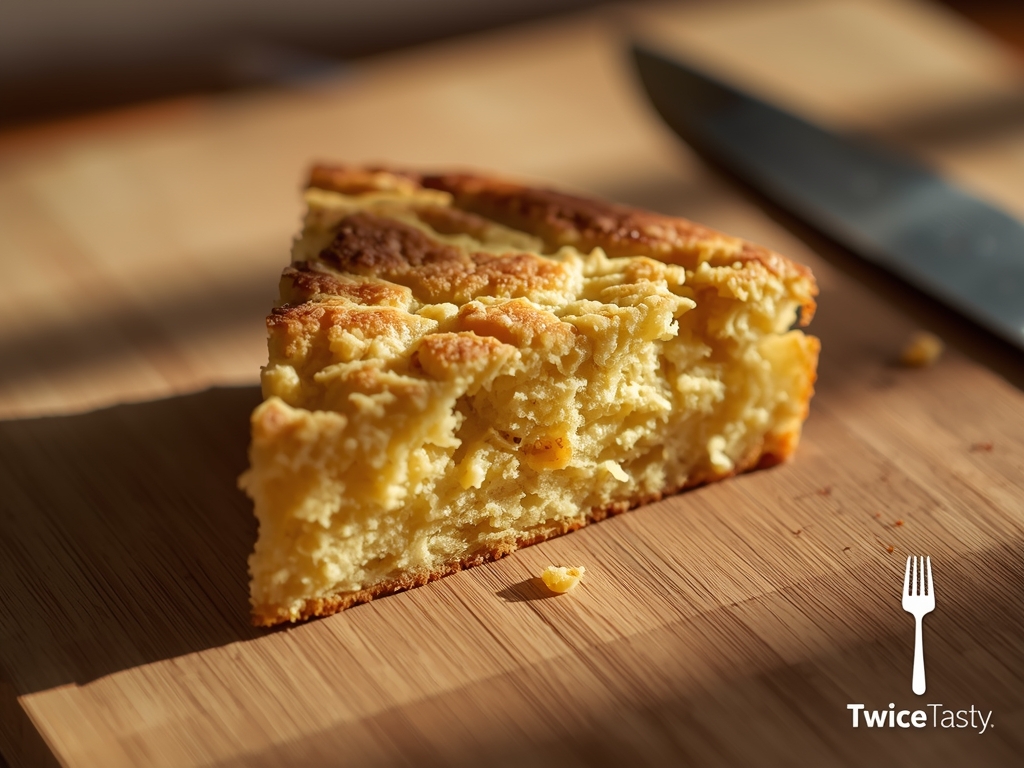
Yes, you can freeze leftover stuffing. Cooked stuffing holds its best quality in the freezer for one to three months, and uncooked stuffing — the dry and wet ingredients mixed but not yet baked — keeps for up to three months. Those are quality windows, not safety limits: food kept at 0°F or below stays safe indefinitely, and what declines over time is the taste and the texture. The bread suffers first: it softens, it can go soggy on thawing, and the herbs fade.
Freeze the stuffing while it is still fresh, and always inside its fridge window: cooked stuffing keeps three to four days in the fridge, and the clock counts from the day it was cooked. Freezing only pauses that clock — stuffing frozen on day four goes into the freezer with almost no life left, and thawing it later does not give that life back. The FoodSafety.gov cold food storage chart gives cooked leftovers three to four days in the fridge. If you are not going to finish the stuffing within that window, the freezer is the right call, and the sooner the better.
Cooked vs Uncooked Stuffing: Different Rules
Cooked and uncooked stuffing follow different rules, and mixing them up is the most common mistake in this whole subject. Cooked stuffing is the simple case: it has already been baked to 165°F, it has cooled, and it goes into the freezer in portions. Uncooked stuffing is the case with the rules attached. The USDA’s guidance is clear: do not refrigerate uncooked stuffing. If the ingredients have been mixed but the stuffing has not been baked, it must be frozen immediately or cooked immediately — it cannot sit in the fridge overnight, because the moist, dense mixture is an ideal place for bacteria to grow.
Stuffing is bread soaked in broth and fat, packed into a pan: dense, moist, and slow to heat through and slow to cool down, so it spends a long time in the danger zone — 40°F to 140°F — on its way up and on its way down. That is why the USDA treats stuffing as a high-risk leftover, and why it says never to stuff a whole bird with leftover cooked stuffing. Stuffing cooked inside the bird is a separate case again — it can be frozen, but only if both the stuffing and the bird reached 165°F, and it should be removed from the bird before it goes into the freezer. For most households the rule is simple: freeze cooked stuffing from the pan, or freeze uncooked stuffing the moment it is mixed, and never refrigerate uncooked stuffing.
How Long Stuffing Keeps: Fridge and Freezer

The fridge number is the one every source agrees on: cooked stuffing keeps three to four days in the fridge, in an airtight container, at 40°F or below. The USDA’s stuffing guidance says the same thing — refrigerate cooked stuffing within two hours and use it within three to four days, or freeze it for longer storage. That is the number that decides whether the stuffing gets eaten, frozen, or thrown away.
The freezer number is where the sources spread out, and the spread is worth stating plainly. KitchPrep gives cooked stuffing two to three months and uncooked stuffing up to three months, with quality holding best in the first two. ChefsResource’s storage table gives cooked stuffing one to three months in the freezer, with one month as the best-quality figure for some styles. Kitchen and Cooking, at the optimistic end, says stuffing freezes well for up to six months. This guide uses one to three months as the headline, because that is where most sources land, and treats six months as safe but past the point where the texture is worth serving.
Portioning and Wrapping for the Freezer

Portion the stuffing before it goes into the freezer, because you cannot refreeze it later and a whole frozen pan is a commitment you may not want. Scoop it into meal-sized portions — a quart-sized bag or a two-cup container is about right for a family side dish — and press each portion flat so it freezes quickly and thaws evenly. Label every parcel with the contents and the date: frozen stuffing looks like frozen everything else after a month, and the date is the only thing that tells you whether it is two weeks old or four months old.
The wrapping follows the same two-layer logic as every other frozen leftover. First, wrap each portion tightly in plastic wrap, pressing the wrap against the surface so there is as little trapped air as possible. Then put the wrapped parcel into a heavy-duty freezer bag and press out the air before sealing it. Air is the enemy: it dries the surface of the stuffing and gives freezer burn a place to start. Cool the stuffing completely before wrapping it, and get it into the freezer within two hours of cooking. Our guide to freezing soup covers the same cooling and portioning rules.
How to Thaw Frozen Stuffing

Thaw stuffing in the fridge, overnight, in its sealed bag or container. A quart-sized portion thaws in about eight to twelve hours; a larger container needs a full day. The fridge is the safe method because the stuffing stays below 40°F the whole time it thaws, so bacteria never get the warm window they need. Once it is thawed, treat it like fresh cooked stuffing: use it within 24 hours, and never refreeze it.
There are two faster options when the overnight thaw was forgotten. The cold-water method works too: put the sealed bag in cold tap water, change the water every 30 minutes, and cook the stuffing as soon as it is thawed. The no-thaw method works too, and it is often the better one: frozen stuffing can go straight into a hot oven, covered, and reheat from frozen — it just takes longer, about 50 percent longer than thawed stuffing, and it needs a splash of broth to keep it from drying out. Do not thaw stuffing on the counter: the outside reaches the danger zone while the centre is still frozen. KitchPrep’s guide to freezing stuffing makes the same point — thaw in the fridge overnight, or reheat from frozen — and either way the target is 165°F all the way through.
Reheating Stuffing to 165°F — and Fixing the Texture

Reheat stuffing to 165°F in the centre, measured with a thermometer, not guessed from the outside. The USDA gives 165°F for reheating cooked stuffing, the same as for all leftovers: stuffing is dense and heats unevenly, so the outside can be steaming while the centre is still cool, and only a thermometer tells the truth. The oven is the best method. Heat it to 350°F, put the thawed stuffing in a baking dish, add a spoonful or two of broth or melted butter over the top, cover tightly with foil, and bake for 20 to 25 minutes for a thawed portion — longer from frozen — until the centre reads 165°F. Take the foil off for the last five minutes if you want the top to crisp.
The texture after thawing is the part people worry about, and it is fixable. Stuffing comes out of the freezer softer than it went in, because the bread has absorbed moisture and the freezing has broken down some of its structure. The fixes are small and they work: a spoonful of broth before reheating replaces the moisture the freezer took, and a drizzle of melted butter over the top before the last five uncovered minutes brings back the crisp edges. If it is still too soft, spread it thin in the dish so more of it is exposed to the heat. If it is too dry, add broth a spoonful at a time until it holds together without being wet.
The Food-Safety Rules: The 2-Hour Rule and What to Skip
The two-hour rule is the rule that governs stuffing more than any other leftover. Get cooked stuffing into shallow containers and into the fridge or freezer within two hours of cooking — within one hour if the kitchen is above 90°F, which a Thanksgiving kitchen full of people and a hot oven easily is. Freezing pauses bacteria, it does not kill them, so bacteria that multiplied during hours on the counter are still there when the stuffing thaws.
There are three things to skip. Skip freezing stuffing that stayed at room temperature for more than two hours — no reheating temperature makes up for that time. Skip stuffing a whole bird with leftover cooked stuffing — the USDA is explicit that the stuffing inside a bird heats too slowly to be safe. And skip refreezing thawed stuffing: once it has thawed, it has 24 hours to be eaten, and after that it is done. Our guide to storing leftover soup covers the same two-hour cooling rule. The rules sound strict, but they are the reason stuffing is safe to freeze at all.
What to Do With Thawed Stuffing: Ideas for a Second Meal
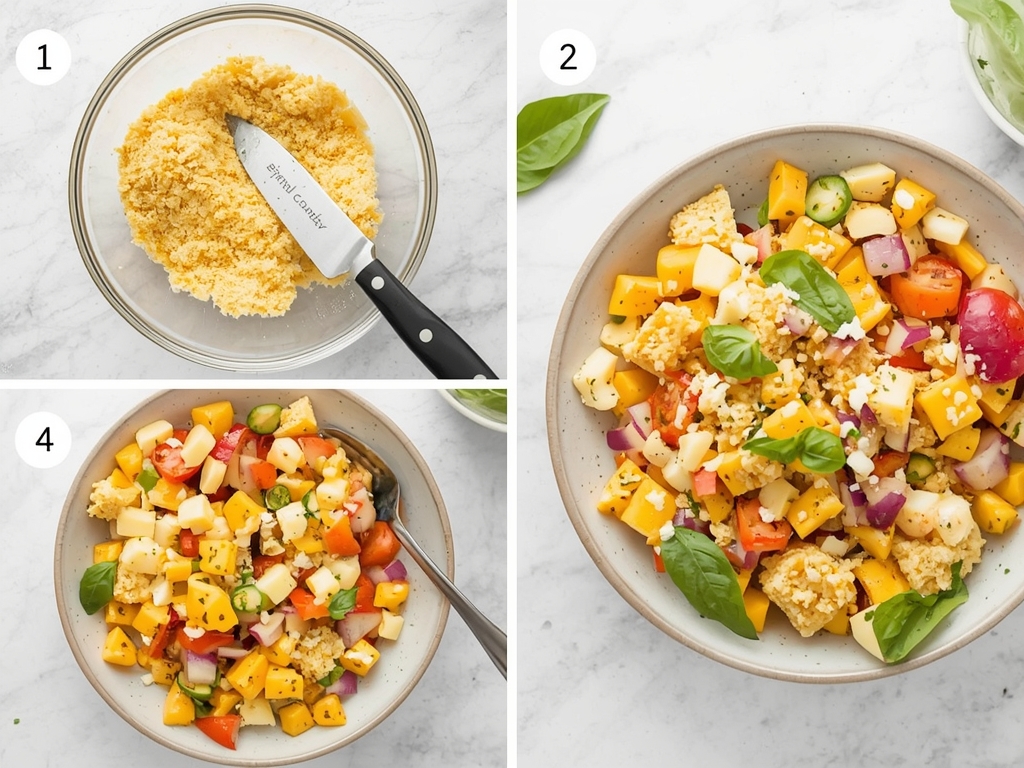
Thawed stuffing does not have to be served as a side dish, and it is often better when it is not — the texture change that shows on a plate disappears when the stuffing becomes an ingredient. The simplest second meal is a stuffing-topped shepherd’s pie: spread the thawed stuffing over leftover meat and gravy and bake it until the top crisps. It also makes good stuffing cakes: press scoops into patties and fry them in butter until both sides are crisp. Our guide to what to do with leftover stuffing covers more ideas, including the stuffing waffle.
The other natural partner is the turkey itself. Thawed stuffing and leftover turkey are the two halves of a second Thanksgiving dinner, and leftover turkey tetrazzini is the dish that uses the turkey while the stuffing reheats alongside it in the same oven — one oven, two dishes, one washing-up. Whatever you do with it, reheat the stuffing to 165°F and serve it hot.
Frequently Asked Questions
Can you freeze stuffing that was cooked inside the turkey? Yes, if both the stuffing and the bird reached 165°F. Remove all the stuffing from the bird before freezing it, and freeze it in portions. Never freeze a whole stuffed bird.
Can you freeze uncooked stuffing? Yes. Mix the dry and wet ingredients, put the mixture into a shallow container, and freeze it immediately — do not refrigerate uncooked stuffing. To use it, do not thaw it first: cook it from frozen until it reaches 165°F.
How long does frozen stuffing last? Best quality for one to three months. Some sources give up to six months, but the texture is noticeably softer by then. It stays safe beyond three months at 0°F or below — the limit is quality, not safety.
Can you refreeze thawed stuffing? No. Once stuffing has thawed, use it within 24 hours and do not refreeze it. The texture suffers badly on a second freeze, and the safety margin is gone.

Ghani is the founder of TwiceTasty and a passionate home cook who believes no meal should go to waste. What started as a personal mission to transform leftovers into exciting new dishes has grown into a community of food lovers who share the same philosophy.

← Previous
Can You Freeze Cooked Ham? How Long It Keeps
Next →
Can You Freeze Fresh Herbs? Which Ones Work and How