Follow Me On Social Media!

You bought a bunch of basil for one recipe, used two tablespoons, and now the rest is wilting in the fridge. Or the garden gave you more parsley than a month of cooking can use. The freezer is the answer, and it is a better one than most cooks expect: freezing is the preservation method that keeps the flavour of fresh herbs closest to fresh, far closer than drying, which dulls the bright, green notes that make basil taste like basil. The catch is the texture: freezing breaks the cell walls, so thawed herbs go limp — and that one fact decides which herbs to freeze, how, and what to use them for.
The short version is simple: soft, leafy herbs freeze well, woody herbs freeze well too but do not need to, and the herbs you freeze are for cooking, not for garnish. Chop them, pack them into ice-cube trays with oil or water, freeze them flat in bags, or freeze whole sprigs. Done right, a handful of frozen cubes in January tastes like the garden in July.
The Short Answer: Yes, for Most Soft Herbs

Yes, you can freeze fresh herbs, and for most soft herbs it is the best way to keep them. Basil, parsley, cilantro, dill, chives, mint, lemon balm, and tarragon all freeze well — that is the list Penn State Extension gives, and it matches what most gardeners and cooks find in practice. The herbs go limp when thawed, because freezing bursts the water inside the cell walls, so they are for cooked dishes — soups, stews, sauces, sautés — and not for garnish, salads, or anything where a crisp green leaf is the point. Freeze them chopped in ice-cube trays with oil or water, flat in freezer bags, or as whole sprigs, label everything, and use them within three to six months.
Woody herbs are the exception that proves the rule. Rosemary, thyme, oregano, and sage have low water content and tough, needle-like or leathery leaves, so they freeze well whole — but they also dry well, and dried rosemary and thyme keep their flavour for months on a shelf. Freezing them is worth doing when you have a glut, not when you have a single sprig. Basil blackens if it is frozen badly, and any herb frozen loose in a bag without protection picks up freezer burn and the smell of everything else in the freezer.
Which Herbs Freeze Well — and Which Ones Don’t
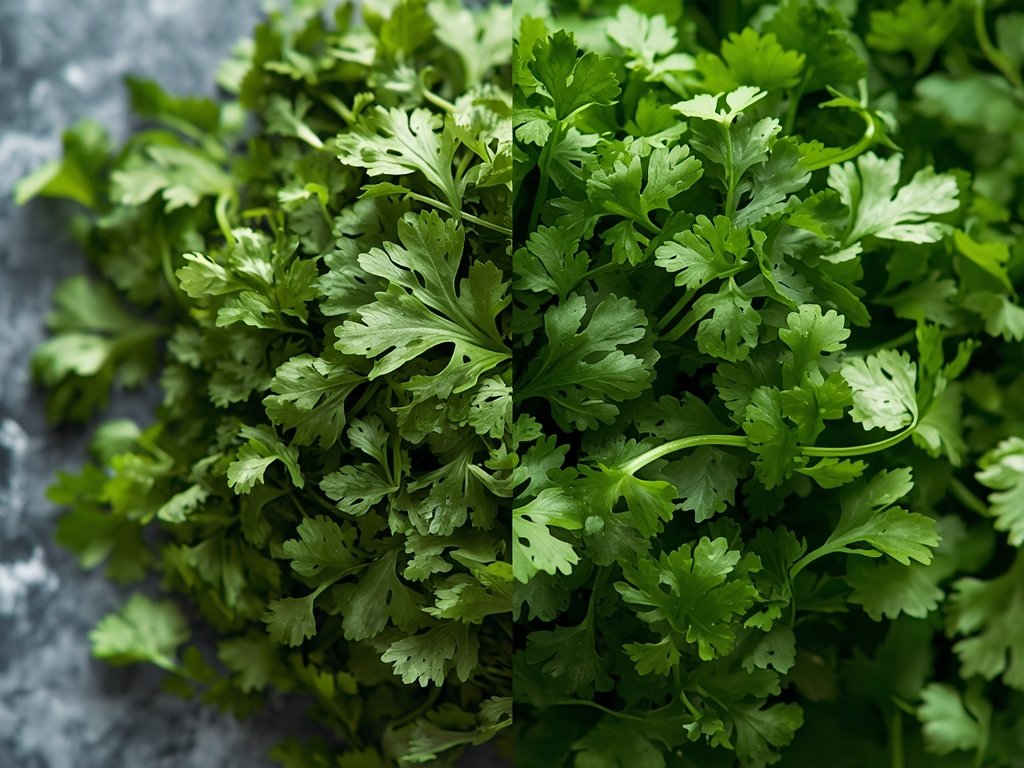
Soft herbs are the best freezers, and they are also the ones that need freezing most, because they wilt in days in the fridge. Basil is the classic case: a bunch lasts three or four days in the crisper, and the freezer is the only way to keep a summer glut. Parsley and cilantro freeze well and are the workhorses of the freezer — chopped, frozen in oil, and dropped into a pan, they taste close to fresh in a cooked dish. Dill, chives, mint, lemon balm, and tarragon are in the same group: soft leaves, high water content, and a flavour that survives freezing far better than it survives drying. The practical test is simple: if the herb wilts fast in the fridge, it probably freezes well.
Woody herbs sit in the middle. Rosemary, thyme, oregano, and sage freeze well whole or chopped, and their low water content means they hold up better than soft herbs — but they also dry well, so freezing is a choice, not a necessity. Freeze them when the garden gives you more than you can dry. No frozen herb works as a garnish, and no method keeps a basil leaf looking like a basil leaf — that is the nature of freezing, not a failure of the method. Use frozen herbs where their flavour matters and their texture does not.
Method 1: Ice-Cube Trays in Oil or Water

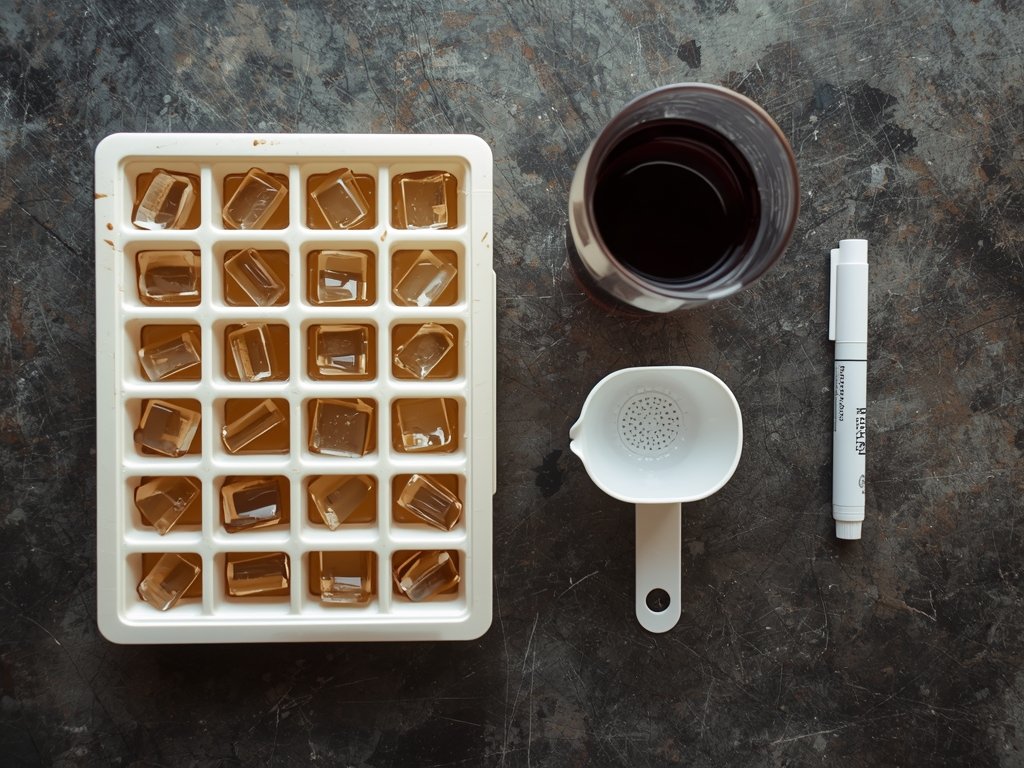
The ice-cube tray is the most useful method, because it portions the herbs for you. Strip the leaves from the stems and chop them as you would to use them fresh. Fill each section about two-thirds full of chopped herbs — about a tablespoon per section — and cover the herbs completely with oil or water. Freeze for a few hours until solid, then pop the cubes out and store them in a labelled freezer bag. One cube is one dose of herbs, ready to drop into a pan.
Oil or water is a real choice, and it depends on the dish. Oil is the better choice for most herbs: it coats the leaves, keeps air out, and protects the flavour, and an oil cube melts straight into a sauté pan as the cooking fat. Penn State Extension suggests mixing about a third to a half a cup of oil with two cups of chopped herbs, then freezing the mixture in trays or small jelly jars. Water is better for herbs going into soups, stews, and sauces, where extra oil would be unwanted, and for mint and basil frozen for drinks. One rule covers both: never store herbs in oil at room temperature. Oil and fresh herbs kept on a counter can grow the bacteria that cause botulism, and the oil is only safe when the mixture goes straight into the freezer. Our guide to freezing leftover wine in ice-cube trays uses the same tray-and-bag routine.
Method 2: Flat Freezer Bags
The flat bag is the fastest method and the best one for herbs you use by the handful rather than by the cube. Chop the herbs, mix them with a little oil — about a third to a half a cup of oil to two cups of chopped herbs, the same ratio Penn State Extension gives for trays — and spread the mixture in a thin, even layer in a zipper-lock freezer bag. Squeeze out as much air as you can before sealing it, lay the bag flat in the freezer, and let it freeze solid. Once it is frozen, you can break off as much as you need — snap a corner off for a sauce, half the sheet for a soup — and put the rest straight back.
The flat bag has two advantages over the tray: speed, because there is no filling of individual compartments and no popping cubes out one by one, and flexibility, because a flat sheet breaks into any portion while a cube is a fixed dose. The cost is air: a bag that is not squeezed flat holds air against the herbs, and air is what causes freezer burn, so press the bag flat on the counter before it goes in, and double-bag strong-smelling herbs — dill and mint especially — because herbs give off odours that other foods in the freezer will pick up. Our guide to vacuum sealing to prevent freezer burn covers the same air-removal logic, and a vacuum sealer does the same job as a well-squeezed bag.
Method 3: Whole Leaves and Sprigs
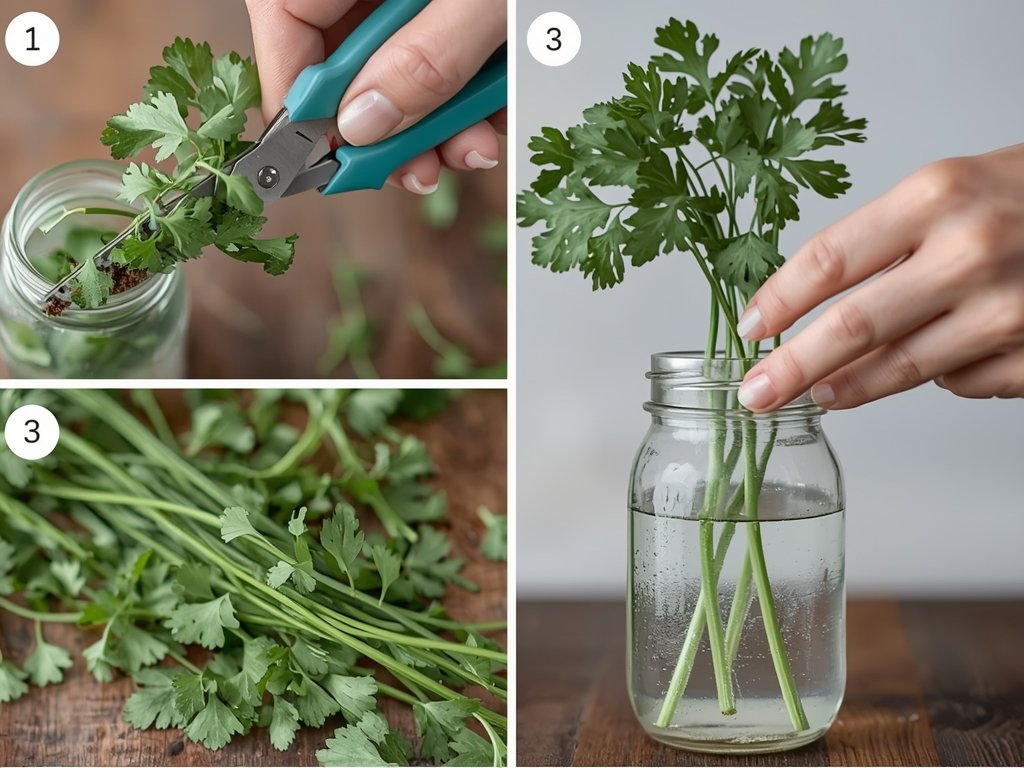
Whole leaves and sprigs are the method for woody herbs and for soft herbs you want to use whole. Spread the leaves or sprigs in a single layer on a baking sheet, put the sheet in the freezer, and leave it until the leaves are firm — usually an hour or two. Then move the frozen leaves into a labelled freezer bag, squeezing out the air, and put the bag back in the freezer. The single layer is the whole trick: leaves frozen one by one do not stick together, so you can pull out three sprigs of rosemary for a roast without thawing the rest of the bag. Illinois Extension describes exactly this method — freeze whole leaves and stems on a cookie sheet in a single layer, then move them into a bag once frozen.
This method suits woody herbs best. Rosemary and thyme sprigs freeze whole, keep their shape better than chopped soft herbs, and go straight from the bag into a roasting pan or a pot — no chopping, no thawing, no measuring.
Should You Blanch Herbs Before Freezing?

Blanching — dipping the herbs briefly in boiling water, then into ice water — is an option, not a requirement. Penn State Extension lists it as a method that stops the enzyme reactions that cause herbs to darken and lose flavour in the freezer, and it does work: blanched basil keeps its green colour better than unblanched basil, and blanched parsley holds its flavour a little longer. But it is an extra step, and for most herbs the gain is small. The herbs that benefit most are basil and parsley, which darken fastest; the herbs that benefit least are the woody ones, which barely change in the freezer anyway.
The honest answer is that most cooks should skip it. Washing and drying the herbs properly matters more than blanching: water left on the leaves turns to ice crystals in the freezer, and ice crystals are what damage the cell walls and dull the flavour. Wash the herbs gently, pat them dry or spin them in a salad spinner, and let them air-dry for a few minutes before they go into the tray or the bag.
Thawing and Using Frozen Herbs

Do not thaw frozen herbs before using them. That is the single most important rule here, and it is the one Penn State Extension states plainly: add the frozen herbs straight into the cooked dish. A frozen cube dropped into a hot pan melts in seconds, and the herbs release their flavour into the dish as they thaw in the heat. Thawing them first turns them into a limp, watery pile that has lost both its texture and much of its flavour, and there is no way to get either back. Cook from frozen, every time.
Add frozen herbs in the last few minutes of cooking, not at the start: a cube of parsley dropped into a soup an hour before serving will have given up its flavour and gone dull, while the same cube stirred in five minutes before serving keeps its brightness. The exception is a long-cooked dish where the herbs are part of the base — a stew that simmers for hours wants its herbs early. Use frozen herbs in the same proportion as fresh: a cube is about a tablespoon, and a tablespoon of frozen herbs replaces a tablespoon of fresh in a cooked dish. And remember the garnish rule: frozen herbs are never a garnish. A thawed parsley leaf on top of a finished dish looks tired, and the fresh sprig is the right choice there — which is why our guide to storing cilantro like flowers matters too: the fresh herbs you keep in the fridge and the frozen herbs you keep in the freezer are two different tools, for two different jobs.
How Long Frozen Herbs Keep
Three to six months is the honest window, and it is the range most sources agree on. Frozen herbs in oil cubes or flat bags keep their flavour well for three months, and acceptably for six; after that they are still safe to eat, but the flavour fades and the colour dulls. Some sources give longer windows, up to twelve months for herbs frozen in oil, but the flavour at twelve months is a shadow of what it was at three. The range is the truth: three months for best quality, six months for good quality, and beyond that for safe but tired herbs.
The window depends on the packing. Herbs frozen in oil keep longer than herbs frozen in water, because the oil seals out the air that causes freezer burn, and herbs in a vacuum-sealed bag keep longer than herbs in a zipper-lock bag for the same reason. Herbs frozen loose in a bag with air in it are the shortest-lived of all. The label is what makes the window real: write the herb and the date on every bag, and use the oldest bag first. A freezer full of unlabelled green cubes is a freezer full of guesses, and the cubes you cannot identify are the cubes you will throw away. Our guide to freezing fresh ginger and grating it straight from the freezer follows the same labelling rule.
Frequently Asked Questions
Can you freeze fresh basil? Yes — basil freezes well in oil cubes, which protect it from blackening. Chop the leaves, pack them into an ice-cube tray, cover with oil, freeze, and bag the cubes. Use them in cooked dishes, never as a garnish.
Do you need to blanch herbs before freezing? No — blanching is optional. It helps basil and parsley keep their colour, but washing and drying the herbs properly matters more, and most cooks can skip it.
How long do frozen herbs last? Three to six months for best quality. They stay safe to eat beyond that, but the flavour fades and the colour dulls.
Can you freeze herbs in olive oil? Yes, for the freezer — but never store herbs in oil at room temperature. Oil and fresh herbs kept on a counter can grow the bacteria that cause botulism, so the oil mixture must go straight into the freezer.

Ghani is the founder of TwiceTasty and a passionate home cook who believes no meal should go to waste. What started as a personal mission to transform leftovers into exciting new dishes has grown into a community of food lovers who share the same philosophy.
