Follow Me On Social Media!

Leftover stuffing is the most underrated dish on the Thanksgiving table, and the most wasted. It is also the one with the shortest life: three to four days in the fridge by the USDA’s count, and about a month in the freezer — less than the turkey and less than the mashed potatoes. But stuffing has a quality no other leftover has: it is already a complete dish in a bowl. Bread, aromatics, herbs, fat, and seasoning are already in there, which means it is not a side dish waiting to be reheated. It is an ingredient, and once you treat it that way, seven ideas open up, and none of them tastes like Thanksgiving reheated.
This guide covers the seven ideas that actually work — waffles, muffins, patties, shepherd’s pie, stuffed mushrooms and peppers, soup with stuffing dumplings, and the Thanksgiving sandwich done properly — plus how long leftover stuffing keeps and how to freeze it. The ideas are ordered by how much stuffing they use, because after Thanksgiving the question is usually how much is left, not what to make.
The Short Answer: Stuffing Is an Ingredient Now
Stop thinking of leftover stuffing as a side dish. It is bread that has already been seasoned, moistened, and flavoured, and that makes it a base: it binds like breadcrumbs, it crisps like a fritter, it fills like a dumpling, and it tops a casserole like a crust. Every idea below uses that fact. The waffle presses it crisp, the muffin bakes it into a portable breakfast, the patty fries it into a base for an egg, the shepherd’s pie layers it under mashed potatoes, the stuffed mushroom uses it as a filling, the soup turns it into dumplings, and the sandwich layers it with turkey and cranberry sauce. Food52’s leftover stuffing recipes cover the same seven ideas.

Two rules apply to all seven. First, cold stuffing works better than warm: cold stuffing holds its shape when you press it, cut it, or roll it, and warm stuffing falls apart. Second, dry stuffing needs a splash of stock before you shape it, and wet stuffing needs an egg or a spoonful of flour to bind it. Taste it before you shape it: well-seasoned stuffing needs nothing added, and bland stuffing needs salt and a squeeze of lemon.
1. Stuffing Waffles: The Breakfast That Uses the Most
Stuffing waffles are the idea that uses the most leftover stuffing, and they are the one to start with when the container is still full. Crumble about four cups of cold stuffing into a bowl, mix in two beaten eggs and a splash of stock to loosen it, and press an even layer into a hot waffle iron. The outside crisps — the bread cubes brown, the edges go crunchy — while the inside stays soft and savoury, and the waffle comes out as a plate that still tastes like Thanksgiving but eats like breakfast.

Top it with a fried egg, a drizzle of warm gravy, and a spoonful of cranberry sauce on the side. The combination is the whole meal: the waffle is the starch, the egg is the protein, the gravy is the sauce, and the cranberry sauce is the acid that cuts through all of it. Food52’s roundup of stuffing ideas puts the waffle first for the same reason — it is the fastest way to turn a large container of stuffing into a meal. If you do not have a waffle iron, the same mixture pressed into a hot skillet makes stuffing cakes, which are covered next.
2. Stuffing Muffins (Stuffins)
Stuffing muffins — sometimes called stuffins — are the portable version of the same idea, and they are the one to make when you want breakfast for the week rather than breakfast for today. Mix cold stuffing with eggs and a little cream or milk to bind it, scoop it into a greased muffin pan, drizzle each muffin with melted butter, and bake at 375°F for 25 to 30 minutes, until the tops are crisp and the centres are set. They come out as individual portions with crisp edges and a soft middle, and they keep three to four days in the fridge.

The muffin tin is the trick: it gives every portion the same crisp edge that a baking dish only gives the corners, and it makes the stuffing easy to reheat — one muffin in the microwave for a minute, or in the air fryer for three. Pack them for lunch with a little cranberry sauce for dipping, or split one open and put a fried egg inside it. They are also the best way to use stuffing that is slightly too dry on its own: the egg and cream re-moisten it, and the butter on top replaces the fat the fridge took away.
3. Crispy Stuffing Patties and Cakes
Stuffing patties are the simplest idea on this page, and the most versatile. Mix cold stuffing with one beaten egg and a spoonful of flour, shape it into patties about half an inch thick, and pan-fry them in a little butter or oil until both sides are golden and crisp. They take about three minutes a side, and they come out with a crunchy crust and a soft, savoury centre — the same texture as a good crab cake, with none of the work.

Serve them as a base: a fried egg on top for breakfast, a slice of turkey and a spoonful of gravy for lunch, or a dollop of cranberry sauce for a snack. They also freeze well, which the waffles do not: freeze the cooked patties flat on a baking sheet, then bag them, and reheat them in the air fryer at 375°F for five minutes.
4. Thanksgiving Shepherd’s Pie
Thanksgiving shepherd’s pie is the idea that uses the most leftovers at once, and it is the one to make when the fridge is still full of everything. Layer the dish: leftover turkey and vegetables in the middle, stuffing as the base or the middle layer, and mashed potatoes on top, with gravy poured between the layers and cheese scattered over the potatoes. Bake at 375°F until the top is golden and the edges are bubbling, about 25 to 30 minutes.
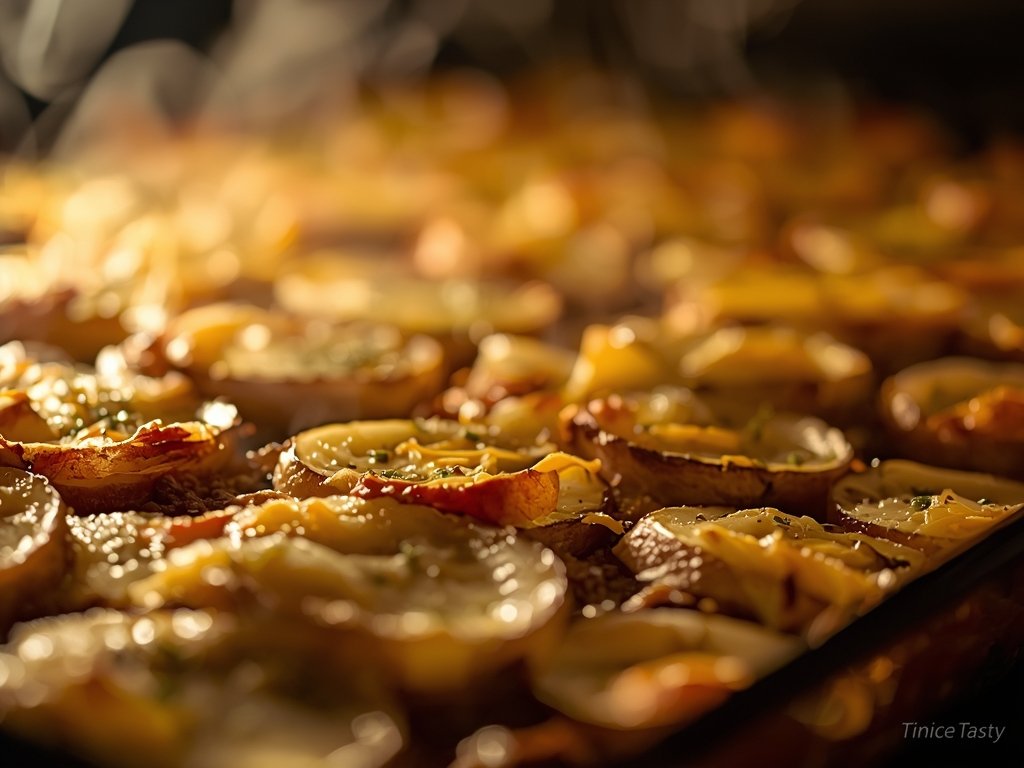
The stuffing does two jobs here. As a base layer, it absorbs the gravy and the turkey juices and turns into a savoury foundation that holds the pie together. As a middle layer, it separates the turkey from the potatoes and keeps the two from turning into one uniform mush. Either way, it brings its own flavour — herbs, onion, celery, butter — to a dish that would otherwise need seasoning from scratch. For the potato side of the same pie, our guide to leftover mashed potatoes covers the topping and the timing, and the two guides together build the whole dish.
5. Stuffing-Stuffed Mushrooms and Peppers
Stuffing is a filling before it is anything else, and the fastest way to use it as one is to stuff something else with it. For mushrooms, remove the stems from portobello or baby bella caps, fill them halfway with a soft cheese like Boursin or goat cheese, top with leftover stuffing, and bake stuffing-side up until the mushrooms are tender and the stuffing is crisp. For peppers, halve bell peppers, fill them with a mixture of stuffing and chopped turkey, top with cheese, and bake until the peppers soften.
The mushroom version is the better appetiser: ready in twenty minutes, and it uses the stuffing’s own seasoning so you need nothing except the cheese. The pepper version is the better dinner: a complete meal in a vegetable, using more stuffing per portion. Both work because the stuffing is already seasoned — you are putting a finished dish inside a fresh container, and the oven does the rest.
6. Turkey and Stuffing Soup With Dumplings
The soup is the idea that uses the turkey carcass as well as the stuffing, and it is the one to make when the fridge is down to bones and a container of stuffing. Simmer the picked-clean turkey carcass with onion, carrot, and celery for an hour, strain it, and you have stock. Then make the soup: turkey meat, vegetables, and stock, with the stuffing turned into dumplings — roll small balls of cold stuffing, drop them into the simmering soup, and cook them until they are heated through and slightly crisp on the outside.

Food Network’s turkey vegetable soup uses exactly this method: the stuffing dumplings are already seasoned, so they bring herbs and butter to a soup that would otherwise need a long simmer to build flavour. Keep the dumplings small — about an inch across — and do not stir hard after they go in, or they break apart. The soup keeps three to four days in the fridge, and the dumplings are best eaten the day they are made. For the stock side, our guide to what to do with leftover turkey covers the carcass, and the soup here is where that stock goes.
7. The Thanksgiving Sandwich, Done Properly
The Thanksgiving sandwich is the idea everyone makes, and the one most people make badly — cold turkey, cold stuffing, cold cranberry sauce, on cold bread, eaten standing up. Done properly, it is the best sandwich of the year. Warm the turkey and the stuffing separately: turkey slices in a skillet with a splash of broth, stuffing pressed into a patty and fried until crisp. Toast the bread. Spread one side with cranberry sauce and the other with mayonnaise or mustard, layer the turkey, then the stuffing patty, then a spoonful of gravy, and press the sandwich in the skillet until the bread is golden.

The difference is temperature and texture: warm turkey, crisp stuffing, toasted bread, cold cranberry sauce for contrast. The sauce’s acid cuts through the fat of the turkey and the butter of the stuffing, and without it the sandwich is rich to the point of heaviness. Use a sturdy bread — a soft white slice collapses under a hot, wet filling, and a roll or sourdough holds up. And make it the day after, not the day of: fridge-cold stuffing holds its shape in a patty, and stuffing straight from the table falls apart.
How Long Leftover Stuffing Keeps (and How to Freeze It)
Stuffing is the shortest-lived leftover on the Thanksgiving table, and the number to remember is three to four days in the fridge, counted from the day it was cooked. Some food-safety guides give stuffing and gravy an even shorter window — one to two days — because they are moist, dense, and slow to cool, which makes them friendlier to bacteria than a dry slice of turkey. The safe rule is to use the shorter number when the stuffing was cooked inside the bird, and the three-to-four-day number when it was cooked separately in a dish and cooled quickly in a shallow container. When in doubt, eat it or freeze it by day two.
Freezing stuffing is straightforward but short-lived: about a month for best quality, in a container or a freezer bag with the air pressed out. The texture softens on thawing, which is why frozen stuffing is best used in the ideas above — re-crisped or bound into something new — rather than reheated as a side dish. Thaw it in the fridge overnight, reheat it to 165°F, and do not refreeze it. The FoodSafety.gov cold food storage chart gives the same windows, and our guide to how long leftovers last in the fridge covers the two-hour rule. For the freezer side, our guide to freezing mashed potatoes covers the same portion-and-label system, and it applies to stuffing piece for piece.
Frequently Asked Questions
Can I freeze leftover stuffing? Yes, for about a month for best quality. Freeze it in portions, thaw it in the fridge, reheat it to 165°F, and use it in a recipe that re-crisps it — waffles, patties, or shepherd’s pie.
Is stuffing safe if it was cooked inside the turkey? It is safe if the turkey and the stuffing both reached 165°F, but it is the riskiest leftover on the table: the centre of the stuffing is the slowest part of the bird to heat and the slowest to cool. Take it out as soon as the turkey is carved, cool it in a shallow container, and use it within two days.
What is the difference between stuffing and dressing? Nothing in the pan, everything in the name. Stuffing is cooked inside the bird, dressing is cooked in a dish beside it. The recipes are the same, the safety rules are slightly different — dressing cools faster and keeps a little longer — and every idea on this page works for both.
My stuffing is very dry. Can I still use it? Yes — dry stuffing is the easiest to fix. Add stock a tablespoon at a time until it holds together when squeezed, then use it for waffles, muffins, or patties, where the egg and the heat do the rest. Very wet stuffing needs the opposite: an egg and a spoonful of flour to bind it before shaping.

Ghani is the founder of TwiceTasty and a passionate home cook who believes no meal should go to waste. What started as a personal mission to transform leftovers into exciting new dishes has grown into a community of food lovers who share the same philosophy.

← Previous
Leftover Mashed Potatoes: 5 Ways to Use Them Up
Next →
What to Do With Leftover Cranberry Sauce: 6 Ideas