Follow Me On Social Media!

Leftover cranberry sauce is the jar everyone forgets. It sits in the fridge after Thanksgiving, behind the turkey and the gravy, and it gets thrown away a week later — which is a waste, because it is the most versatile leftover on the table. Cranberry sauce is tart fruit, sugar, and pectin in one spoonful: it is jam, it is a sweet-and-sour sauce, and it is a glaze, all at once, and a small amount goes a long way in any of those roles. Treat it like jam plus sweet-and-sour sauce, and one jar turns into six new dishes.
This guide covers six ideas — the skillet glaze, the vinaigrette, the sandwich spread, the breakfast swirl, the baking filling, and the party meatball sauce — plus how long cranberry sauce keeps and how to freeze what is left. The ideas are ordered by how fast they are, because the glaze takes five minutes and the baking takes an hour, and after Thanksgiving the question is usually how much time you have, not how much sauce is left. All six work with homemade sauce and with the canned kind, jellied or whole-berry — the jellied kind melts smoother into sauces, and the whole-berry kind gives more texture in baking.
The Short Answer: Treat It Like Jam
Cranberry sauce is already a preserve: cranberries cooked with sugar and water until they burst and the pectin sets them into a gel. That is why it keeps longer than any other Thanksgiving leftover — homemade sauce lasts seven to ten days in the fridge, and canned sauce, once opened, lasts up to two weeks — and why it works in so many roles. As a jam, it spreads on toast, swirls into yogurt, and fills thumbprint cookies. As a sauce, it thins with water or stock into a glaze, shakes with oil and vinegar into a dressing, and simmers with chili sauce into a barbecue sauce. As a condiment, it sits on a cheese board, goes into a sandwich, and tops baked brie. The Takeout’s cranberry sauce uses list the same ideas.
Two rules apply to all six ideas. First, a little goes a long way: cranberry sauce is

concentrated — tart, sweet, and strongly flavoured — and a tablespoon does the work of a quarter-cup of a milder sauce. Second, it needs fat or salt beside it: on its own it is sharp, but with butter, cheese, or meat it balances, because the fat softens the acid and the salt sharpens the fruit. Taste as you go, and add the sauce a spoonful at a time rather than all at once. And use a clean spoon every time you take from the jar — a used spoon carries crumbs and bacteria into the sauce, and that is what shortens its life.
1. The Glaze: Skillet Cranberry Sauce for Chicken and Pork
The fastest idea on this page is the skillet glaze, and it takes five minutes. Put two or three tablespoons of cranberry sauce in a small saucepan with a splash of water or chicken broth, warm it until it loosens, and whisk it until it is smooth and glossy. Pour it over cooked chicken thighs or pork chops in a hot skillet, let it bubble for a minute until it clings, and serve. The sauce turns pan drippings into a shiny coating, and the tartness cuts through the richness of the meat in a way that a plain pan sauce cannot.

The glaze works because cranberry sauce is already a sweet-and-sour base: the sugar caramelises slightly as it heats, the pectin thickens it, and the acid brightens the meat. Add a pinch of black pepper, or a splash of soy sauce, or a knob of butter at the end, and the glaze goes from simple to deliberate. It works on roast chicken, on pork tenderloin, on meatballs, and on tofu — anything that wants a sweet, tart coating. For the chicken side, our guide to reheating fried chicken crispy covers the crisping, and the glaze goes on after the crisping, not before, or the sugar burns.
2. The Dressing: Cranberry Vinaigrette
The dressing is the idea that uses the sauce as a pantry staple rather than a leftover. Shake two tablespoons of cranberry sauce with three tablespoons of olive oil, one tablespoon of vinegar — red wine or apple cider — a teaspoon of Dijon mustard, and a pinch of salt in a jar until it emulsifies. It keeps a week in the fridge, and it turns a plain salad into a Thanksgiving salad: greens, goat cheese, walnuts, and a few slices of leftover turkey, dressed with the vinaigrette, is a lunch that tastes deliberate rather than leftover.

The vinaigrette works because the sauce brings three things a dressing needs — acid, sweetness, and body — in one ingredient, and the oil and mustard do the rest. Thin it with a little water if it is too thick, and taste it before you pour it: canned jellied sauce makes a smoother dressing than whole-berry sauce, which leaves bits of cranberry in the dressing. Both are fine, and the whole-berry version is the better one on a grain bowl, where the texture reads as intentional. Use it within the week, and keep it in a sealed jar — an open jar of dressing absorbs fridge smells faster than a sealed jar of sauce does.
3. The Spread: Sandwiches and Wraps
The spread is the idea everyone already knows, and the one most people underuse. Cranberry sauce on a turkey sandwich is the classic, but the spread is better than the classic: mix two tablespoons of cranberry sauce with one tablespoon of mayonnaise or whole-grain mustard, and you have a condiment that does two jobs at once — the sweetness of the sauce and the richness of the mayo, or the heat of the mustard. Spread it thin, add sharp cheddar and leftover turkey, and toast the sandwich until the cheese melts.
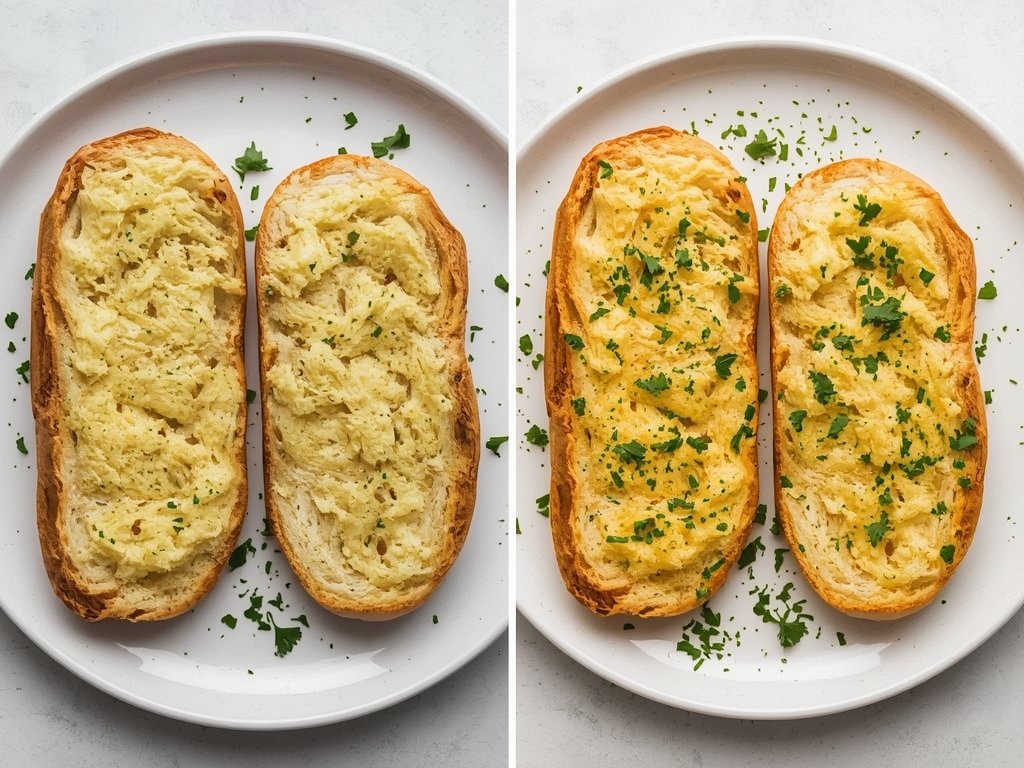
The spread works on more than turkey. It goes on a ham sandwich, on a grilled cheese, on a wrap with roasted vegetables, and on a bagel with cream cheese — anywhere jam would go, with more acid and more character than jam brings. It also works as a dip: thin it with a little water and serve it beside a cheese board, where it sits next to brie and crackers and does the work of a chutney. For the sandwich itself, our guide to turkey cranberry spring rolls covers a different way to wrap the same flavours, and the spread here is the faster version of the same idea.
4. Breakfast: Pancakes, Oats, and Yogurt
Breakfast is where cranberry sauce stops tasting like Thanksgiving and starts tasting like jam, and it is the idea to use when the jar is nearly empty. Warm a spoonful of sauce slightly and swirl it into pancake batter — about a quarter-cup per cup of mix, stirred gently so the sauce marbles through the batter rather than mixing in completely — and the pancakes come out with ribbons of red through them. Or ripple it into yogurt with granola, or stir it into overnight oats with chia seeds and a drizzle of honey, where the tartness wakes up a breakfast that would otherwise be plain.

The breakfast ideas work because the sauce is already sweet: it does not need sugar added, and it brings colour and acid to dishes that are usually beige. A spoonful in oatmeal, a streak through a smoothie bowl, a drizzle over waffles with maple syrup — all of them use a tablespoon or two, which is exactly the amount left in the jar when the big ideas are done. And the sauce freezes well in small portions: freeze it in an ice-cube tray, and a cube thaws in a minute for a single bowl of yogurt, which is the right scale for the last spoonfuls.
5. Baking: Bars, Thumbprints, and Swirls
Baking is the idea that uses the most sauce at once, and it is the one to make when the jar is still half full. Cranberry sauce works as the fruit layer in anything jam would fill: press a well into sugar-cookie dough, fill each with half a teaspoon of sauce, and bake thumbprint cookies until the edges set; or spread it between layers of shortbread or oat crumble for bars; or swirl it through cheesecake batter or brownie batter before baking, where it marbles through the top and gives each bite a tart counterpoint to the richness.
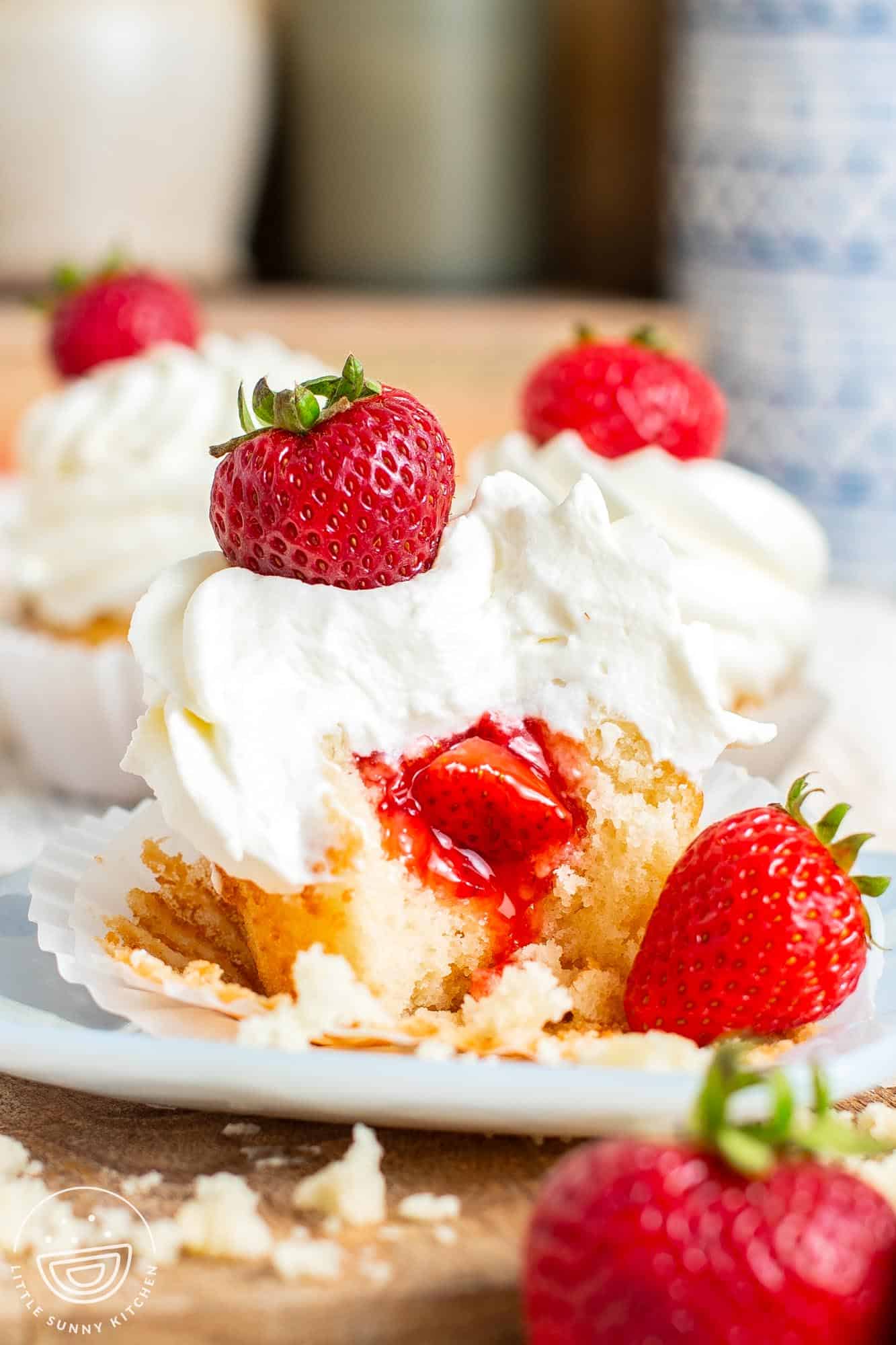
The baking rules are simple. Use the sauce like jam, not like a liquid: it is already thick, and it should be dolloped, not poured, or it will run to the edges of the pan. Do not overfill — half a teaspoon per thumbprint, a thin layer per bar — because the sauce is concentrated and a little goes a long way. Bake until the filling is set and glossy, not until it bubbles hard, or the sugar burns at the edges. The bars keep three to four days in an airtight container, and they freeze well, which makes them the best way to use a large amount of sauce before it goes bad.
6. The Party Trick: Meatballs and Baked Brie
The party trick is the idea to use when guests are still in the house. Simmer cranberry sauce with chili sauce and a splash of soy sauce until it is smooth, pour it over cooked meatballs — frozen meatballs work fine — and simmer them in the sauce until they are glazed and hot through. The combination is the classic cocktail meatball sauce, and it works because the cranberry sauce replaces the grape jelly the classic version uses, with more acid and more character. Serve them with toothpicks, and they are gone in minutes.
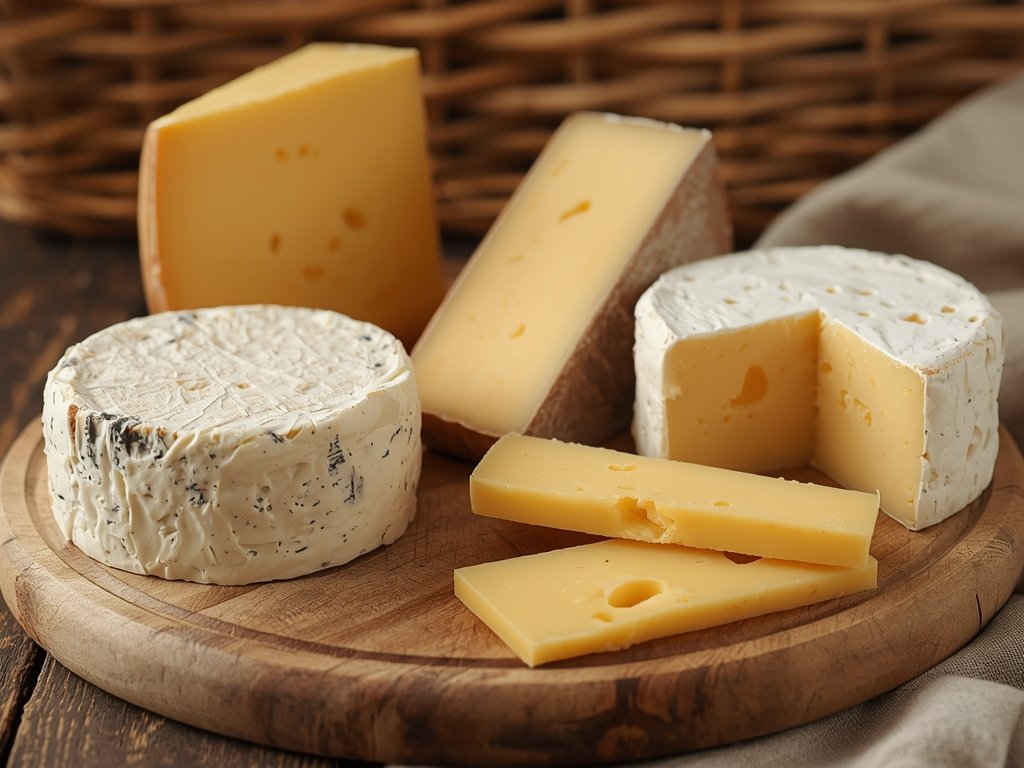
Baked brie is the other party trick, and it is even simpler: put a wheel of brie in a baking dish, spoon cranberry sauce over the top, bake at 350°F until the cheese is soft and the sauce is warm, and serve it with crackers. The brie supplies the fat, the sauce supplies the acid, and the combination is the reason cranberry sauce belongs on a cheese board. Both tricks use the sauce as a condiment rather than a dish, which is the right scale for a jar that is nearly empty — and both are ready in under twenty minutes. For the turkey that goes with them, our guide to what to do with leftover turkey covers the second lives, and the sauce here is what ties them together.
How Long Cranberry Sauce Keeps
Cranberry sauce keeps longer than any other Thanksgiving leftover, and the numbers are generous. Homemade cranberry sauce lasts seven to ten days in the fridge, in a sealed container, and canned cranberry sauce, once opened, lasts up to two weeks — the sugar and the acid both slow spoilage, and the sauce is one of the few leftovers that is still good a week after the meal. In the freezer, it keeps one to two months for best quality, and it freezes well in small portions: an ice-cube tray gives you single-serving cubes that thaw in a minute.
Throw it away when it shows mould, smells off, or has been in the fridge for more than two weeks — the sugar does not make it immortal, and a sauce that has been scooped with a used spoon spoils faster than one that has only ever met a clean spoon. Keep it in a sealed container, not in the open can: the can’s metal edge rusts and flavours the sauce, and an open container absorbs fridge smells. The FoodSafety.gov cold food storage chart gives the same windows for cooked leftovers generally, and our guide to how long leftovers last in the fridge covers the two-hour rule that all of them assume.
Frequently Asked Questions
Can I use jellied cranberry sauce for these ideas? Yes — jellied sauce melts smoother into glazes and dressings than whole-berry sauce, and it spreads more easily. Whole-berry sauce gives more texture in baking and on a cheese board. Both work in all five ideas; pick by the texture you want.
Can I freeze leftover cranberry sauce? Yes, for one to two months for best quality. Freeze it in an ice-cube tray for single portions, or in a container for a larger amount, and thaw it in the fridge. It thaws back to the same consistency, which is more than most leftovers can say.
Is cranberry sauce safe after a week in the fridge? Homemade sauce is, up to seven to ten days, as long as it was stored sealed and scooped with a clean spoon. Canned sauce lasts up to two weeks once opened. If it smells off, shows mould, or has been open for more than two weeks, throw it away.
What else can I do with a nearly empty jar? Stir the last spoonful into a glass of sparkling water with a squeeze of lime for a spritzer, or warm it and drizzle it over vanilla ice cream, or mix it with softened butter and spread it on toast. The last spoonful is the best one for breakfast, because it is the smallest amount and the sweetest use.

Ghani is the founder of TwiceTasty and a passionate home cook who believes no meal should go to waste. What started as a personal mission to transform leftovers into exciting new dishes has grown into a community of food lovers who share the same philosophy.

← Previous
What to Do With Leftover Stuffing: 7 Ideas
Next →
Leftover Turkey Tetrazzini: Creamy Pasta Bake