Follow Me On Social Media!

Can you freeze bread? Yes — and the freezer is the best place a spare loaf can go. Bread frozen while it is still fresh comes back tasting close to the day it was baked, especially if you are only thawing a slice or two at a time. It is also the most forgiving thing in the freezer: a slice straight from the freezer will toast perfectly well without any thawing at all.
There are two ideas at the heart of freezing bread well. The first is the slice-separation method: slice the loaf before you freeze it, and keep the slices from sticking together, so you can pull out one slice at a time instead of a frozen brick. The second surprises most people: the fridge makes bread go stale faster, not slower. The freezer stops staling. The fridge speeds it up.
The Short Answer: Yes — and the Freezer Beats the Fridge Every Time
Bread freezes well. A loaf frozen while it is fresh, wrapped tightly so it cannot dry out, will keep for about 3 months at best quality — the USDA’s figure for bread, and the practical target this article recommends. After that it is still safe to eat if it stayed frozen the whole time, but the texture and flavour start to fade, and freezer burn can dry out the exposed surfaces.
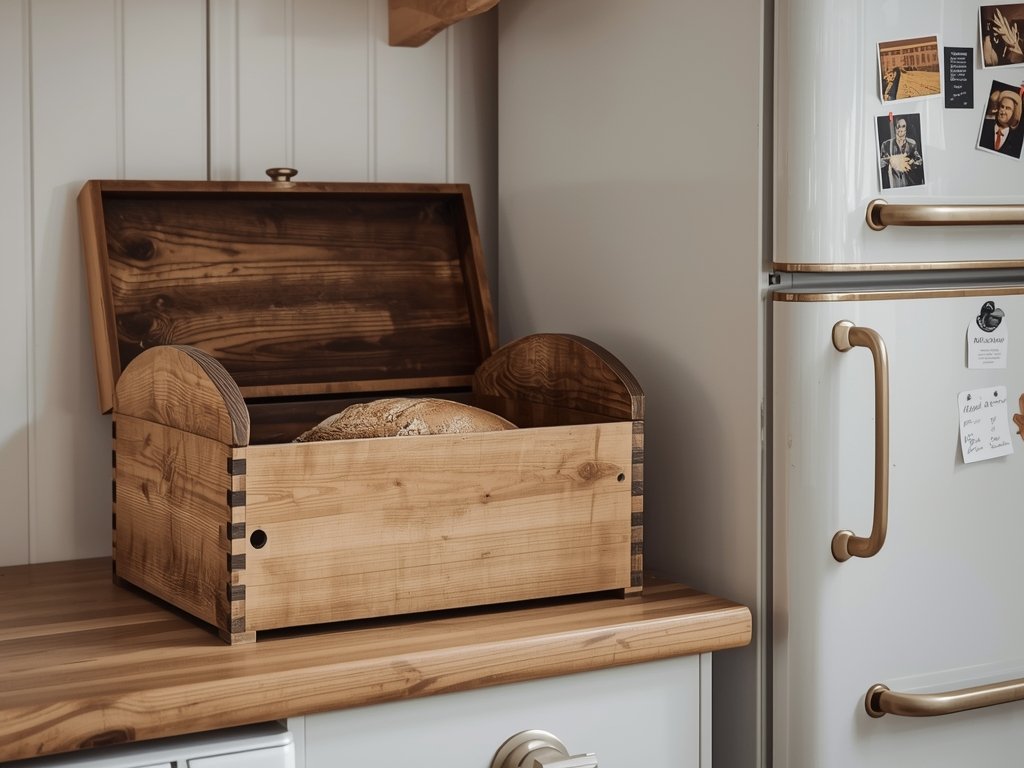
There is a second figure worth knowing, from the USDA’s FoodKeeper guidance: commercial bread is listed at 3 to 5 months in the freezer, and whole wheat bread at 3 months. About 3 months is the safe, practical target; the longer figure is a quality range for a well-wrapped commercial loaf, not a promise. What the freezer is really doing is stopping time: at 0°F or below, the process that makes bread stale stops, and mould stops growing too. The USDA’s rule is that food kept continuously at 0°F or below stays safe indefinitely — it is quality that declines, not safety.
Why the Fridge Makes Bread Stale Faster
Staling is not drying out. It feels like drying out — the bread gets hard, dry and crumbly — but the cause is different. When bread bakes, the starch granules in the flour absorb water and swell. As bread cools and sits, those starch molecules slowly rearrange themselves and lock back into a firm, crystalline structure, squeezing water out of the starch and into the crumb. That process is called starch retrogradation, and it is what we taste as staleness: bread that is firm, dry and tough, even when it has lost very little moisture to the air.

Here is the part that matters: retrogradation runs fastest at cool temperatures, roughly the range of a fridge. A fridge at 40°F or below is almost perfectly tuned to make bread go stale quickly — faster than bread on the counter, and far faster than bread in the freezer, where retrogradation effectively stops. The fridge preserves many foods because cold slows bacterial growth, but bread’s enemy in the first few days is not bacteria, it is starch, and cold makes that worse. If you will eat the bread in a day or two, keep it on the counter; if you will not, freeze it. Our guide to how long leftovers last in the fridge covers the foods the fridge does protect.
Which Breads Freeze Best (and Which Don’t)
Sandwich loaves are the easiest bread to freeze, and the most useful. White, whole wheat and seeded sandwich bread freeze and thaw with almost nothing lost, especially when sliced. A slice thawed at room temperature is soft, a slice toasted straight from frozen is crisp, and a sandwich made from frozen bread will be thawed by lunchtime if you pack it in the morning. Rolls freeze just as well — dinner rolls, soft rolls, burger buns and hot dog buns all come back well, thaw in minutes, and warm up close to fresh-baked in a hot oven.

Baguettes and other crusty breads freeze well if you accept one compromise: the crust softens in the freezer, though a few minutes in a hot oven restores most of its crispness. Sourdough freezes well too, and its strong flavour survives months in the freezer without tasting flat. Pita, flatbreads, naan and tortillas freeze with almost no change, because they are thin and have little crust to lose. What freezes worst is bread that depends on a filling or topping: filled breads freeze unevenly and can turn soggy, frosted breads lose their icing, and delicate pastries like croissants lose their flakiness. They are still worth freezing rather than throwing away — but they are where freezing costs you the most.
The Slice-Separation Method: Freeze Slices, Not Bricks
The single most useful habit in freezing bread is to slice it before it goes in the freezer. A whole loaf frozen solid is a brick: you cannot take one slice without thawing the whole loaf, and a loaf thawed and refrozen is a loaf ruined. A sliced loaf is a supply you can draw on one slice at a time, for as long as the loaf lasts.
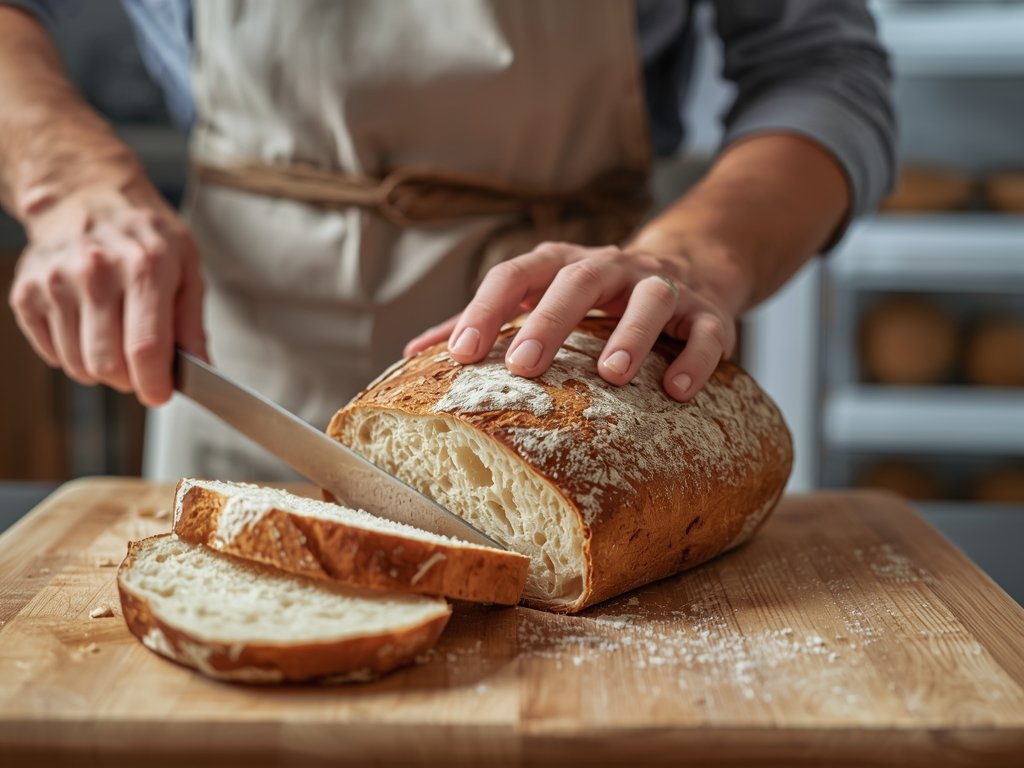
Slice the whole loaf while it is fresh, then separate the slices so they cannot stick together. The simplest way is a small sheet of parchment or wax paper between each slice — it takes a minute, and every slice lifts out cleanly. The other way is to freeze the slices flat in a single layer on a baking tray for an hour or two, until firm, then stack them into a bag. Once separated, pack them the way you will use them: two slices per small bag for a sandwich, four or six for a household that eats toast together. Squeeze out the air, label the bag, lay it flat. The same rule applies to rolls: freeze them in the number you will use at one meal.
How to Freeze Bread, Step by Step
Freeze bread while it is fresh. The freezer preserves the bread you put in, not the bread you wish you had put in — a loaf already two days old and starting to stale will come out at the stage it went in, not fresher. Bake it or buy it, let it cool completely if it is homemade, and freeze it the same day.
-
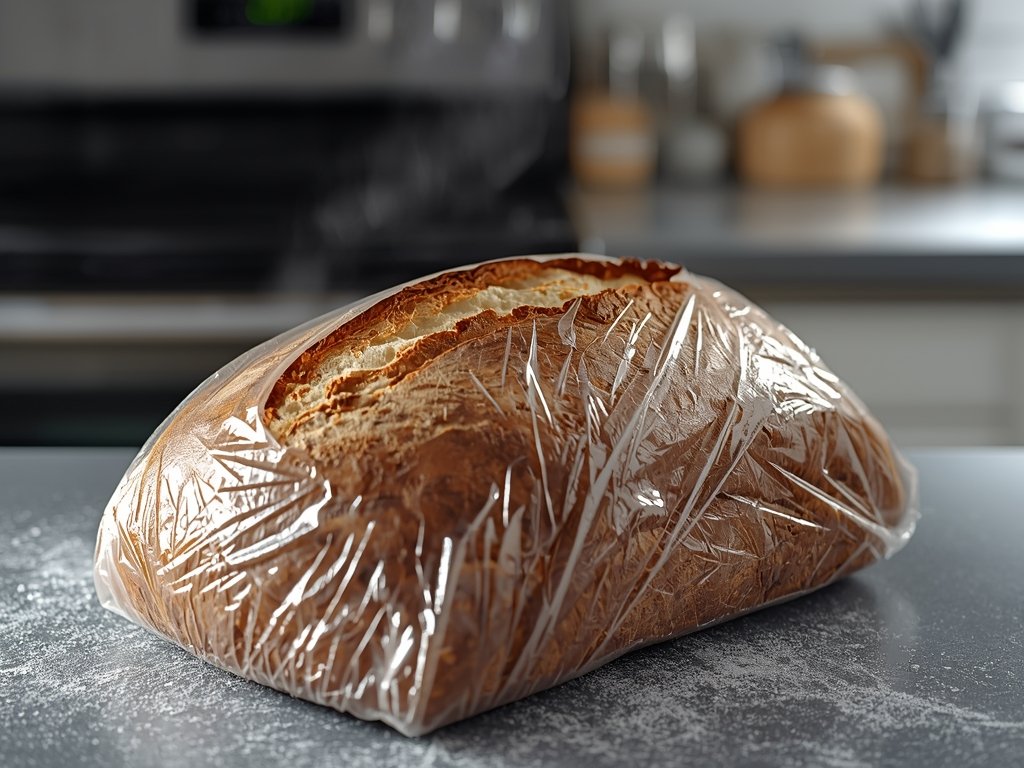
Wrap it tight in plastic wrap, pressing out as much air as you can — air dries bread out and carries freezer flavours into the crumb.
- Put the wrapped bread into a freezer bag, press out the air again, and seal it; the double layer keeps a loaf fresh for months.
- Label the bag with the type and the date, put the newest bread at the back, and use the oldest first.
- Freeze slices flat if you can — flat bags freeze faster, stack tidily, and thaw faster than a bulky loaf.
The same labelling habit keeps frozen bread from being forgotten: our guide to freezing mashed potatoes makes the same point for the freezer generally, because a freezer is only useful if you know what is in it.
How Long Does Frozen Bread Keep?
The USDA’s figure for bread is 3 months at best quality, and that is the target this article recommends. The USDA’s FoodKeeper guidance lists commercial bread at 3 to 5 months and whole wheat bread at 3 months — the same picture with a slightly longer top end for a well-wrapped commercial loaf. Both sources agree on the important part: about 3 months is where bread still tastes like bread, and after that the flavour flattens and the texture dries out.
Those numbers are quality windows, not safety cut-offs. A loaf frozen for six months is still safe if it stayed frozen the whole time, but it will not taste like much — freezer burn and long storage dry out the crumb, leaving it better suited to breadcrumbs or croutons than to a sandwich. If you find a bag frozen for four or five months, the question is not “is it safe?” but “does it still taste good?” Thaw one slice, taste it, toast it if it needs help; if it tastes flat, use it for toast, bread pudding, stuffing or breadcrumbs. FoodSafety.gov’s cold food storage chart and the USDA’s freezing and food safety page are the sources for these figures.
How to Thaw and Revive Bread
A whole loaf thaws at room temperature in 2 to 3 hours. Leave it wrapped — the wrapping stops condensation soaking into the crust — and leave it on the counter. A small loaf or a bag of rolls will be ready sooner; a large, dense sourdough takes the full three hours. Single slices thaw in minutes, and you can skip thawing entirely: a frozen slice straight into the toaster thaws and toasts in the same step. Do not thaw bread in the fridge if you can avoid it — it is not a safety problem, but the fridge is where bread goes stale fastest, so a loaf thawed there spends its thawing hours staling.
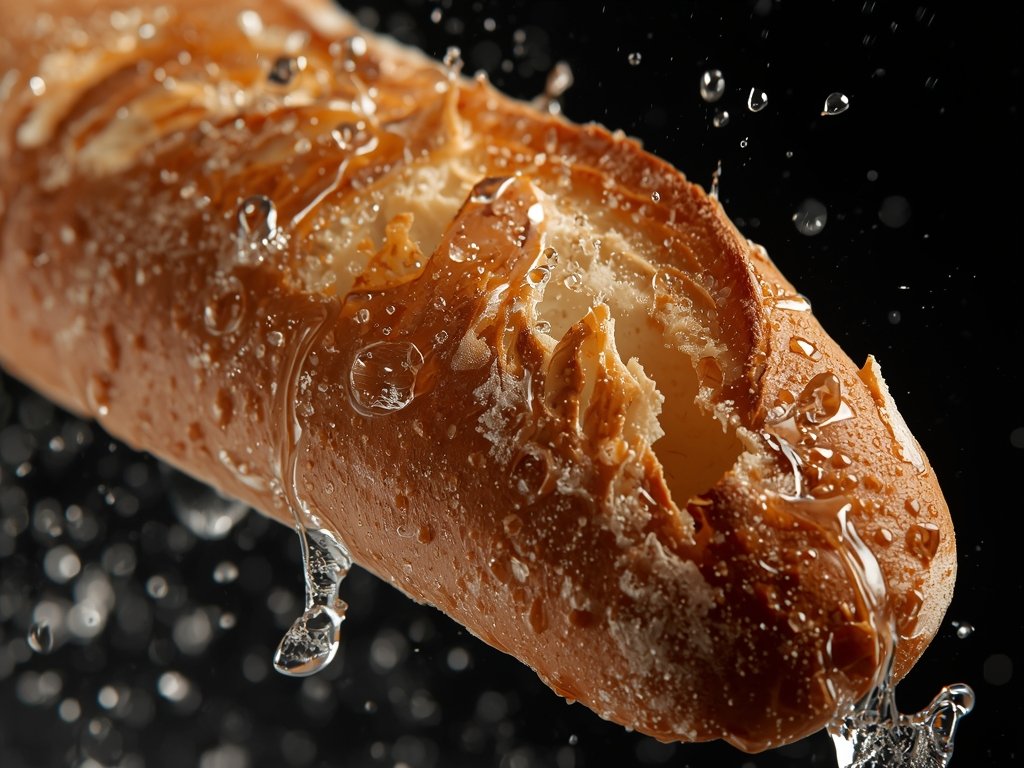
A thawed loaf that feels soft or flat can usually be revived in a hot oven for a few minutes: the heat drives off the moisture that condensed on the crust, crisps it back up, and warms the crumb through. A light sprinkle of water on the crust works even better — the water turns to steam and re-crisps the crust. A stale loaf can be revived the same way: run it briefly under the tap or sprinkle it generously, then bake it in a hot oven for about 10 minutes. The starch draws the steam back in and the loaf softens again, surprisingly close to fresh — but it will stale again quickly, so slice and eat it while it is warm. Stale bread too far gone for the oven still has uses: croutons, breadcrumbs, bread pudding, stuffing, or French toast.
Freeze Ahead for Thanksgiving: Rolls Without the Last-Minute Rush
Thanksgiving 2026 falls on 26 November — twelve days from the date this article was prepared — and dinner rolls are exactly the bread that freezing helps most. Buy or bake the rolls a week or two ahead, while they are fresh, freeze them in meal-sized bags, and on the day, take out exactly as many as you need and warm them in a hot oven for a few minutes. The timing is forgiving: rolls frozen two weeks ahead are well inside the 3-month quality window.
The same planning applies to the leftovers. Thanksgiving leaves a lot of food, and the turkey is the first thing to plan for — our guide to what to do with leftover turkey covers the ideas, and the same freezer logic applies: freeze the turkey in meal-sized portions within its 3-to-4-day fridge window rather than leaving it in the fridge. Bread, turkey and soup all follow the same system: freeze while fresh, portion for how you will use it, label and date it, and take out exactly what you need. Freezing the rolls ahead is a small job that buys a large piece of calm on a busy cooking day.
The Bottom Line: Freeze It Fresh, Slice by Slice
Can you freeze bread? Yes — slice it first, wrap it tight in plastic and a freezer bag with the air pressed out, label it, and aim to use it within 3 months. Keep it out of the fridge, where it would stale faster, and thaw it at room temperature or straight into the toaster. A hot oven for a few minutes brings a thawed loaf back to life.

That is the whole system, and it is the least demanding one in this freezer series: no precise temperatures, no careful thawing schedule, just fresh bread, a tight wrap and a labelled bag. Once the loaf is sliced and separated, every slice is a meal that needs no planning — toast in the morning, a sandwich at lunch, a slice with soup at dinner. The freezer does not just preserve bread; it makes bread ready whenever you are.

Ghani is the founder of TwiceTasty and a passionate home cook who believes no meal should go to waste. What started as a personal mission to transform leftovers into exciting new dishes has grown into a community of food lovers who share the same philosophy.
