Follow Me On Social Media!

Leftover spaghetti is one of the most common things in the fridge, and one of the least exciting to face a second time. A container of plain noodles, or noodles in last night’s sauce, does not look like the start of a meal — so it sits at the back until someone throws it away. That is a shame, because spaghetti is one of the easiest leftovers to turn into something different.
The trick is not to reheat it and hope for the best. Plain reheated spaghetti tastes like a paler version of last night’s dinner. Change its job instead: turn it into a filling, a bake, a soup, a fritter, or a salad.
Before you start, check the basics. Leftover spaghetti keeps for 3 to 4 days in the fridge, and it should be reheated to 165°F all the way through. If it has been sitting out for more than 2 hours — or more than 1 hour on a hot day above 90°F — throw it away. Pick the idea that matches what you have in the fridge.
1. Spaghetti Tacos
Spaghetti tacos sound like a joke until you try them: soft noodles, savoury sauce, melted cheese, folded into a crisp shell you can hold in one hand. Reach for this idea when the spaghetti is already sauced — especially with a meat sauce — and when you need dinner fast. Children love it most, because they assemble their own.

Warm the spaghetti gently, with a splash of water if it looks dry, and warm the taco shells at the same time so they crisp up instead of cracking. Fill each shell with a spoonful of spaghetti, add grated cheese while the noodles are still hot so it melts in, and finish with shredded lettuce, diced tomato, sour cream, or hot sauce. This works best with spaghetti in a tomato or meat sauce. Plain spaghetti works too, but toss it with a little sauce, or with olive oil, garlic, and cheese, first — and cut long strands shorter with kitchen scissors. One practical tip: do not overfill. Two generous spoonfuls per shell is plenty; overfilled tacos split at the base. Our full recipe, leftover spaghetti tacos, covers the amounts and toppings.
2. Cheesy Pasta Bake
When you have a larger amount of leftover spaghetti — enough for the whole household — a cheesy pasta bake is the best way to use it up. It gives soft noodles a new texture: a crisp, golden top, melted cheese through the middle, and a sauce that comes back to life in the oven. The exact amount of spaghetti does not matter much, and neither does whether it was sauced or plain.

Start by loosening the cold spaghetti, which clumps together — a solid block will stay cold in the middle while the top dries out. Break the clumps apart and toss the noodles with a little sauce, a splash of milk or cream, or a spoonful of ricotta. Layer them in a baking dish with grated cheese — mozzarella for stretch, cheddar or Parmesan for flavour — and finish with cheese on top. Plain or lightly sauced spaghetti works best, because you choose the flavour. One practical tip: cover the dish for the first part of the bake, then uncover it at the end so the top can crisp, and let it rest for a few minutes before serving so it sets. Our guide to turning leftover spaghetti into a cheesy pasta bake covers the layering.
3. Lasagna From Bolognese Spaghetti
If your leftover spaghetti comes with a bolognese sauce — the rich, meaty kind — you already have the hardest part of a lasagna made. Real lasagna layers pasta, meat sauce, and cheese, and your leftovers are two of those three things. This is the idea to choose when you want the most impressive transformation for the least extra work, and when you have enough bolognese spaghetti to fill a baking dish.

Think of the spaghetti as the pasta layer. Spread a thin layer of sauce in the base of the dish first, so nothing sticks. Add a layer of leftover spaghetti, flattening it gently, then spoon over cheese sauce, ricotta, or grated cheese, and repeat until the dish is full, finishing with cheese on top. The strands will not lie as flat as lasagna sheets, but the dish will still slice in portions once it has rested. This works best with a thick bolognese, because a thick sauce holds its shape between the layers. A thin sauce will run to the bottom, so let it simmer briefly first, or add extra cheese. Make the layers thin: two or three thin layers heat through evenly and hold together, while one thick layer stays cool in the middle and falls apart. Our guide to turning big-batch bolognese spaghetti into lasagna shows the layering step by step.
4. Frittata-Style Spaghetti Bake
A frittata-style spaghetti bake is the best idea for a small amount of leftover spaghetti — the single portion that is not quite enough for a meal on its own. Eggs turn that portion into a full dish: they bind the noodles into a sliceable cake, add protein, and give you something that works for breakfast, lunch, or a light dinner. It is also the fastest idea on this list to get into the pan.
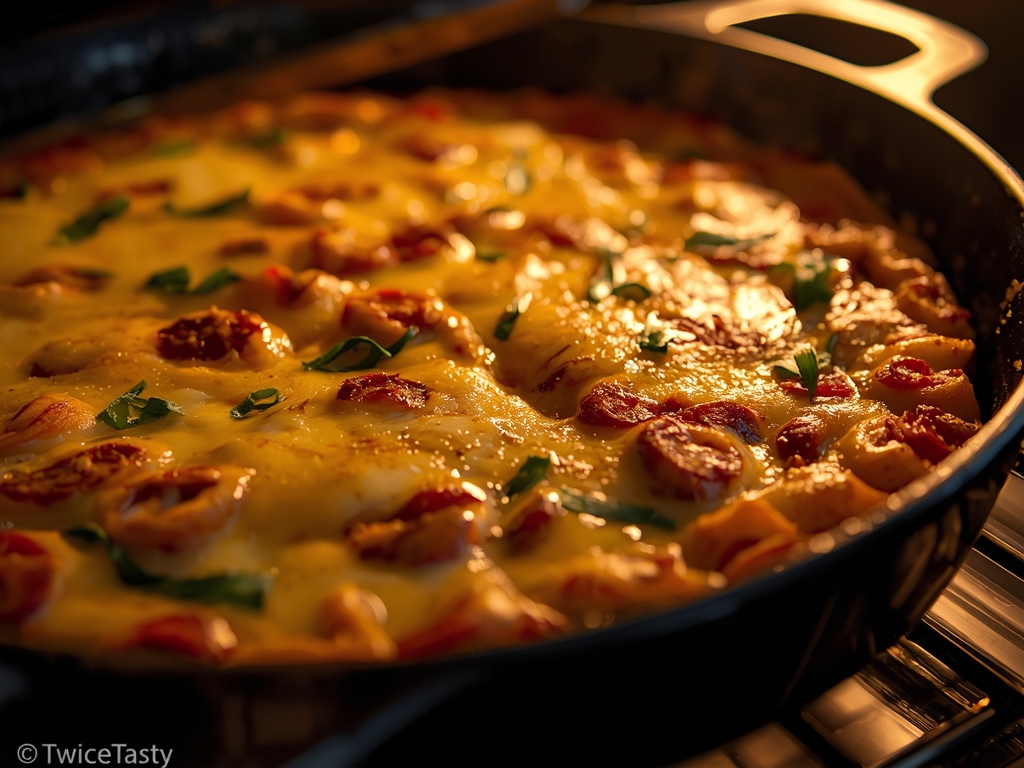
Beat eggs in a bowl — enough to coat the spaghetti generously — and season them well, because plain noodles and eggs are both bland without salt. Fold the cold spaghetti into the eggs, breaking up any clumps, and add anything else that needs using up: grated cheese, chopped herbs, leftover cooked vegetables, or a few slices of ham. Pour the mixture into a well-oiled pan and cook it gently, letting the base set. This works best with plain or lightly sauced spaghetti. A heavy tomato sauce makes the mixture wet and hard to set, so if your spaghetti is heavily sauced, the pasta bake above is a better choice. Keep the heat low and be patient: high heat browns the base before the middle has set. If the top is still soft when the base is done, finish the pan under a hot grill for a minute or two — but watch it, because it colours fast. Serve in wedges, hot or at room temperature.
5. Crispy Spaghetti Nests and Fritters
Some leftovers need a crunch to come back to life, and this is the idea that gives it to them. Crispy spaghetti nests and fritters take cold spaghetti, bind it lightly, and fry or bake it until the outside is crisp and golden while the inside stays soft. They are the best choice when you want a snack, a side dish, or a lunchbox item — something you can pick up with your fingers — rather than a full sit-down dinner.

For nests, twirl small bundles of spaghetti with a fork and pack them into a muffin tin. A little beaten egg and grated cheese helps them bind, and a spoonful of sauce in the centre, or a handful of cheese on top, turns each nest into a complete bite. For fritters, chop the spaghetti into shorter lengths, mix it with egg and cheese, and shape it into small patties. This works best with plain spaghetti or spaghetti in a fairly dry sauce. Wet, saucy noodles will not crisp — they will steam, and the fritters will fall apart. Shape them cold: cold spaghetti holds together, warm spaghetti slides apart. One practical tip: do not crowd the pan or tin. Fritters need space so the heat can crisp the edges; packed tightly, they steam each other soft. Cook in batches, and eat while still warm.
6. Spaghetti Soup
Spaghetti soup is the idea for the coldest day, or for the smallest amount of leftover spaghetti — even a single cup is enough to turn a thin broth into a filling meal. The noodles go into a hot soup near the end of cooking, where they warm through and soak up flavour from the broth, and suddenly you have a minestrone-style soup with almost no effort. Almost any soup can take spaghetti: tomato, chicken, vegetable, or bean.
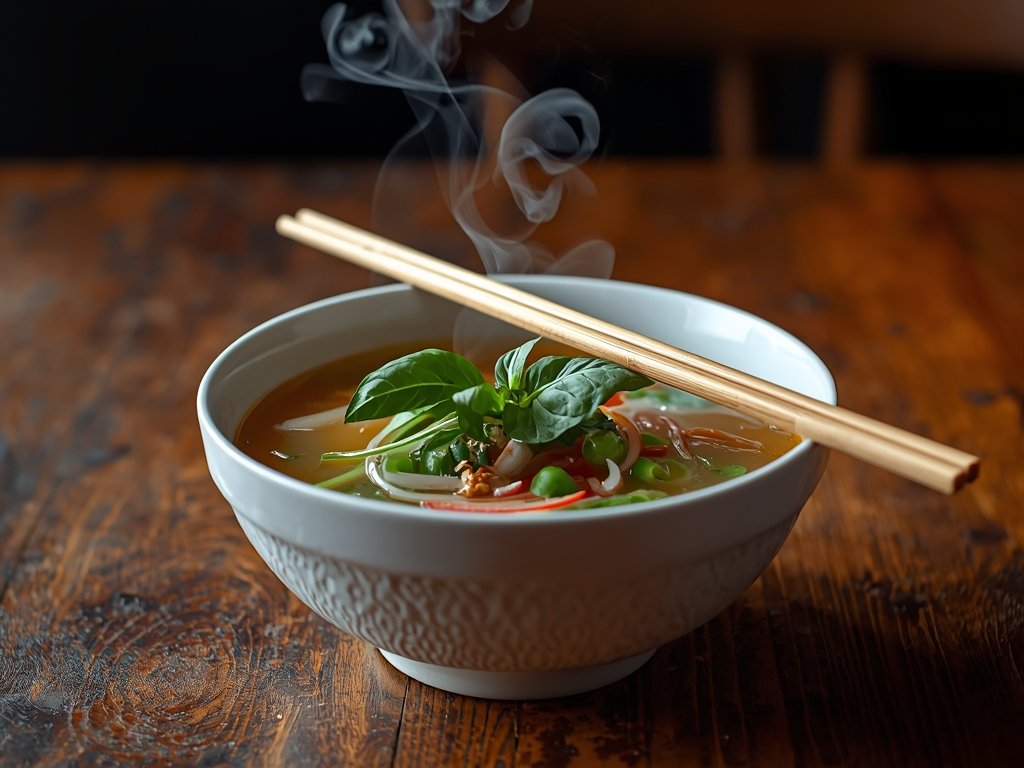
If you have leftover soup, warm it and add the spaghetti in the last few minutes, just long enough for it to heat through. If you are starting from scratch, build a quick soup — stock, a tin of tomatoes or some cooked vegetables, beans or lentils — and add the spaghetti at the end in the same way. The spaghetti is already cooked, so it only needs warming — add it late, or it will go soft and swell. This works best with plain spaghetti, or spaghetti in a light tomato sauce that blends into the broth. A heavy cream sauce will not sit well in a soup, and a strongly flavoured sauce will take over the whole pot. One practical tip: if you plan to keep the soup for another day, store the spaghetti separately and add it when you reheat the soup — noodles left sitting in soup overnight go soft and absorb the broth. Our guide to how to reheat pasta without drying it out covers the warming side in detail.
7. Cold Sesame-Peanut Noodle Salad
Not every leftover needs to be heated, and this is the idea that proves it. A cold sesame-peanut noodle salad takes plain leftover spaghetti, tosses it in a savoury dressing, and turns it into a lunch that is actually better cold than it would be hot. It is the best choice on a warm day, for a packed lunch, or when you simply do not want to cook — the only work is mixing a dressing and chopping a few vegetables.
Start with plain, cold spaghetti, loosened with a little oil so the strands separate. The dressing is the heart of the dish: peanut butter thinned with a little warm water, soy sauce, a splash of rice vinegar or lemon juice, a little honey, and sesame oil. Whisk it until smooth and pourable, and toss it through the spaghetti with shredded carrot, sliced cucumber, spring onions, and chopped peanuts or sesame seeds on top. This works best with plain spaghetti: spaghetti in a tomato or meat sauce does not belong here, because the sauce will clash with the dressing. If your plain spaghetti has gone a little dry, a quick rinse under cold water and a good drain will revive it. Dress the noodles just before serving: dressed too far ahead, they absorb the dressing and dry out, and the vegetables lose their crunch. For a packed lunch, carry the dressing separately.
How to Store Leftover Spaghetti Safely
Every idea above starts from the same point: spaghetti that is still safe to eat. Cooked spaghetti and cooked pasta dishes keep for 3 to 4 days in the fridge, stored in a covered container at 40°F or below. That is the USDA’s rule for most cooked leftovers, and it is the number to trust — not the sniff test. Food can carry enough bacteria to make you ill while still looking and smelling normal, so the day count matters more than your senses.
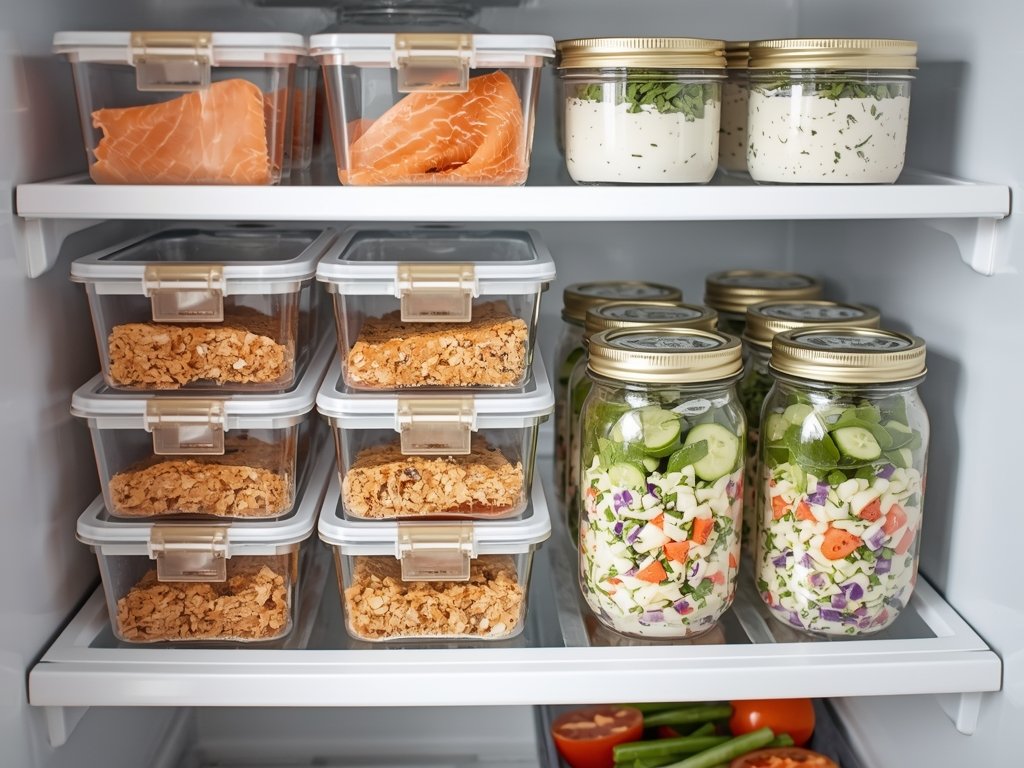
The clock starts the moment the spaghetti comes off the heat, not when it goes into the fridge. Get it into the fridge within 2 hours of cooking — or within 1 hour if the room is above 90°F. Do not leave a pot cooling on the counter for the evening: the middle stays warm for hours, and warm food in the danger zone between 40°F and 140°F is where bacteria multiply fastest. Divide a large pot into shallow containers so it cools quickly. When you reheat spaghetti, reheat it to 165°F all the way through, and reheat only what you are going to eat, once. The official rules are on the USDA’s leftovers and food safety page, and the full chart is on FoodSafety.gov’s cold food storage chart page. Past day four, throw it away.
What Not to Do With Leftover Spaghetti
The biggest mistake is freezing sauced spaghetti and expecting it to come back tasting fresh. It will not. Freezing changes the texture of cooked pasta: the noodles go soft, the sauce separates, and the whole dish comes back mushy instead of firm. Our article on why frozen spaghetti turns to mush explains the texture problem in full. The honest rule is simple: eat leftover spaghetti within its 3-to-4-day fridge window by turning it into one of the ideas above, rather than freezing it and being disappointed later.
The second mistake is reheating spaghetti dry. Cold spaghetti reheated without any moisture goes tough and rubbery. Always add a splash of water, a spoonful of sauce, or a drizzle of oil before reheating, and cover the dish so the steam stays in — our guide to how to reheat pasta without drying it out covers this in detail. Do not mix old and new: spaghetti from three days ago combined with a fresh pot resets the fresh batch to the older batch’s date. Keep batches separate, date them, and use the oldest first.

Ghani is the founder of TwiceTasty and a passionate home cook who believes no meal should go to waste. What started as a personal mission to transform leftovers into exciting new dishes has grown into a community of food lovers who share the same philosophy.

← Previous
What to Do With Leftover Turkey: 10 Ideas That Actually Use It Up
Next →
Classic Egg Salad Recipe (Creamy, No-Watery, Make-Ahead)