Follow Me On Social Media!


How to Reheat Pasta Without Drying It Out
Reheat pasta without drying it out. The pasta-water trick, plus the right method for tomato, cream, baked and plain pasta — and the 165°F safety check.
Ingredients
- Leftover pasta
- Pasta water or plain water
- Milk or cream
Instructions
- Add a splash of pasta water before heating — toss the cold pasta with the water first, so every strand gets coated.
- Tomato-sauce pasta: skillet over medium-low heat with a splash of pasta water, cover for the first minute or two, then stir gently until hot all the way through.
- Cream-sauce pasta: skillet on the lowest heat with a splash of milk or cream, never water; warm slowly and take it off the heat as soon as it reaches 165°F. Do not let it simmer.
- Baked pasta: oven at around 350°F in an oven-safe dish, covered tightly with foil, foil off for the last few minutes so the cheese crisps again.
- Plain pasta: 30 seconds to a minute in boiling water, then drain well and toss with sauce or oil straight away.
- Check 165°F with a food thermometer before serving.
Notes
Pasta should only be reheated once — heat what you will eat and throw away the rest. Store pasta mixed with its sauce when you can; plain pasta should be tossed with a little oil before storing.
Reheated pasta has a bad reputation, and most of it is earned: dry and stiff from the microwave, clumped from the pan, or crunchy at the edges and cold in the middle from the oven. None of that is inevitable. Pasta dries out when reheated because it loses moisture and the starch firms up in the fridge — and both problems have a fix. Add a little moisture back, use gentle heat, and match the method to the sauce.
This guide covers the one trick that helps every kind of pasta, then the right method for each sauce type: tomato, cream, baked, and plain pasta with no sauce at all. The safety rule is the same for all of them: reheat leftovers to 165°F inside, measured with a food thermometer.
The Short Answer: Add Moisture, Use Gentle Heat, Match the Sauce

Three things decide whether reheated pasta is good or dry. First, add moisture back before you heat it — a splash of water, pasta water, milk, or sauce, depending on the dish. Pasta that goes into the pan dry comes out dry; pasta that goes in with a little liquid has something to absorb as it warms. Second, use gentle, even heat. High heat drives moisture out faster than the pasta can absorb it, so the outside dries while the inside is still cold. Third, match the method to the sauce, because tomato sauce, cream sauce, baked pasta, and plain pasta all behave differently when they are heated a second time.
Start with pasta that has been stored properly. Refrigerate leftovers within 2 hours of cooking — within 1 hour if the temperature is above 90°F — and eat refrigerated leftovers within 3 to 4 days. Keep the fridge at 40°F or below. Those are the USDA Food Safety and Inspection Service rules for leftovers, set out on its Leftovers and Food Safety page, and the Cold Food Storage Chart on FoodSafety.gov lists the same 3-to-4-day window for cooked pasta dishes. No reheating method makes pasta safe if it was left out too long or kept too long, and pasta should only be reheated once — heat what you will eat and throw away the rest.
Why Reheated Pasta Dries Out

Freshly cooked pasta is full of water, and its surface is coated in starchy water that keeps the strands slippery and separate. In the fridge, the water moves out, the starch firms up and tightens — the same process that makes bread go stale — and the strands stick together as the surface dries. By the next day the pasta is firmer, drier, and clumped, and the sauce has thickened around it.
Reheating without adding moisture makes it worse, because heat drives out more water before the starch has a chance to soften again. That is why a plate of pasta microwaved dry comes out stiff: the microwave heated the pasta, but there was no water for the starch to take back up. The fix is to give the pasta water to absorb as it warms, and to heat it gently enough that the water goes in rather than steaming off.
Freezing adds its own version of the same problem: pasta frozen and thawed badly turns soft and mushy, because ice crystals damage its structure. Our guide to why frozen spaghetti turns into mush explains that side of it — one more reason to reheat refrigerated pasta rather than freezing it when you plan to eat it in the next few days.
The Pasta-Water Trick (Use It Every Time)
The single most useful thing you can save from cooking pasta is the water it cooked in. Pasta water is not plain water: it is full of dissolved starch, and that starch is what makes it work. A splash of pasta water added to leftover pasta before reheating does two jobs at once. It gives the pasta moisture to absorb as it warms, and the starch in it helps the sauce cling to the pasta again instead of sliding off or pooling at the bottom of the pan.
If you have pasta water saved, use a few tablespoons per serving — enough to loosen the pasta, not enough to make it soupy. Toss the cold pasta with the water before it goes on the heat, so every strand gets coated, then warm it gently and add another splash if it still looks dry. If you did not save pasta water, plain water works, and a splash of the sauce the pasta came with works too. What matters is that something wet goes in with the pasta before the heat does.
Save pasta water on purpose from now on: before you drain a pot, scoop out a cup or two into a jar and keep it in the fridge for a few days. Our guide to storing leftover pasta water, with tips and uses, covers how long it keeps and the other places it earns its keep.
Reheating Tomato-Sauce Pasta

Tomato-sauce pasta is the most forgiving kind to reheat, because tomato sauce is mostly water and it loosens easily. The skillet is the best method: it heats evenly, it lets you stir, and you can see and feel when the pasta is ready.
Put the pasta in a skillet over medium-low heat with a splash of pasta water or plain water — a few tablespoons per serving. Cover the pan for the first minute or two so the steam helps the pasta soften, then take the lid off, stir gently, and keep heating until the pasta is hot all the way through. Stirring matters: pasta left sitting in one spot dries on the side facing the heat and stays cold on the other side. A gentle stir every minute or so keeps it even.
Check the temperature with a food thermometer and look for 165°F. If the sauce has thickened too much in the fridge, add another splash of water and stir it in. If the pasta was stored separately from the sauce, warm the sauce first, then fold the pasta in and heat them together.
Reheating Cream-Sauce Pasta
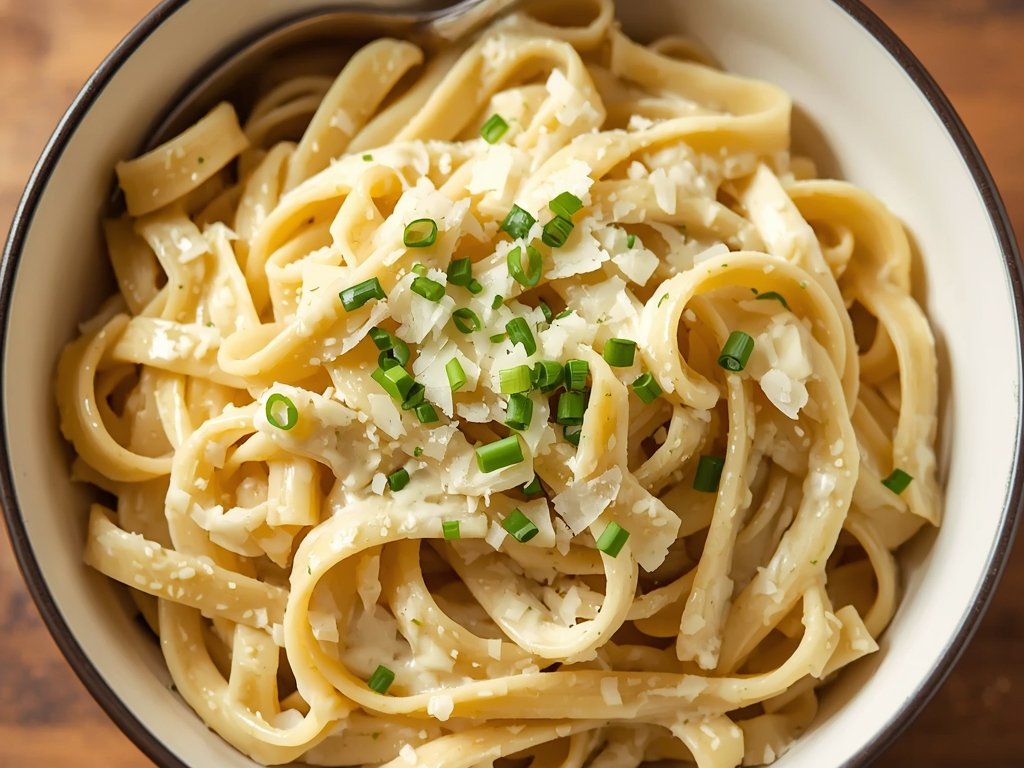
Cream-sauce pasta is the hardest kind to reheat, because cream sauce does not like being heated twice. Heat it too fast or too hot and the sauce splits: the fat separates out, the sauce turns oily and grainy, and no amount of stirring puts it back together. The rule for cream pasta is low heat, a little extra liquid, and patience.
Use the skillet on the lowest heat that still warms the pasta, and add a splash of milk or cream — not water — before you start. Water thins a cream sauce without helping it hold together; milk or cream gives it the fat and liquid it needs to stay smooth. Warm the pasta slowly, stirring gently and often, and take it off the heat as soon as it reaches 165°F. Do not let it simmer, and do not leave it on the heat while you do something else. Cream sauce goes from fine to split in a very short time once it gets too hot.
If the sauce does start to look oily or separated, take the pan off the heat at once and stir in a small splash of cold milk or cream. Sometimes that brings it back; sometimes it does not. That is why the heat stays low from the start — prevention is the whole method with cream pasta.
Reheating Baked Pasta

Baked pasta — lasagne, baked ziti, pasta bakes with cheese on top — reheats best in the oven, because the oven heats the whole dish evenly and re-crisps the top at the same time. The microwave warms baked pasta unevenly and leaves the top soft, which wastes the best part of the dish.
Put the portion in an oven-safe dish and add a splash of water or sauce around the edges, where the pasta is most likely to dry out. Cover the dish tightly with foil and bake at around 350°F until the pasta is hot all the way through, then take the foil off for the last few minutes so the cheese on top can crisp again. The foil is doing the same job as the lid on the skillet: it traps steam so the pasta rehydrates while it warms, and taking it off at the end lets the top finish properly.
Check the centre of the dish with a food thermometer and look for 165°F. Baked pasta is thick, and the centre is always the last part to get hot, so check the middle — not the edge, which will be hot long before the centre catches up. A single portion reheats faster than a whole tray, so if you are reheating one serving, cut it out of the tray and reheat it on its own rather than heating the whole dish for one plate.
If the top has gone soft, a few minutes under the broiler after the foil comes off will crisp it again — but watch it the whole time, because cheese goes from golden to burnt fast. The oven takes longer than the microwave, but for baked pasta the difference is worth the wait.
Reheating Plain Pasta (No Sauce)
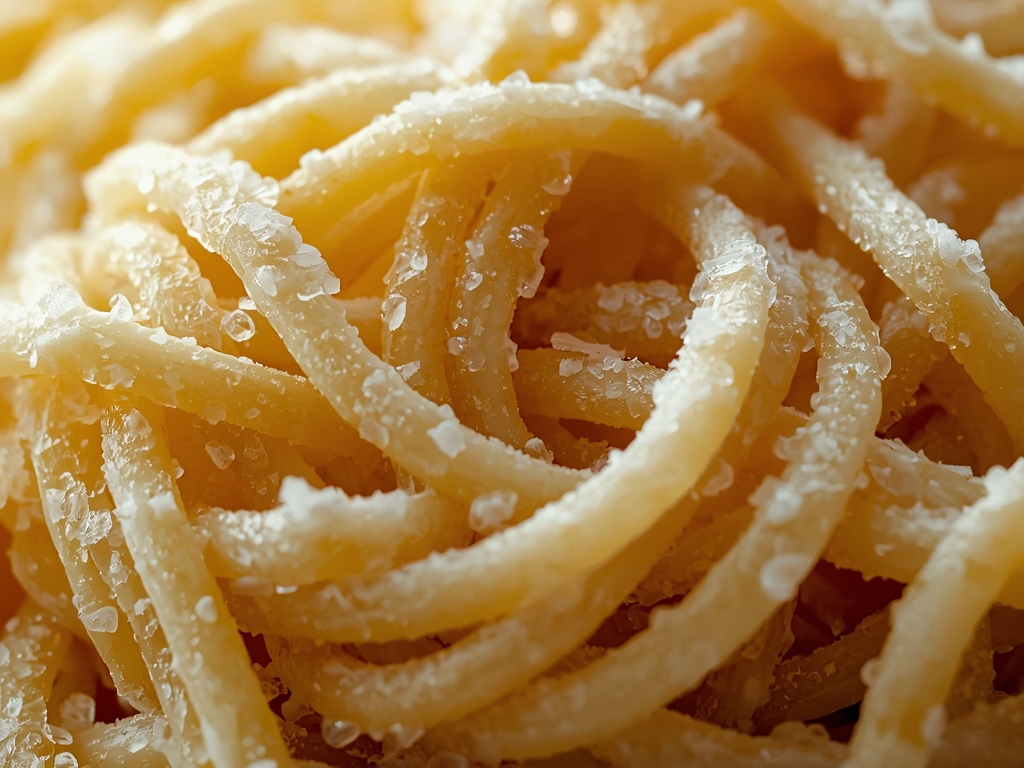
Plain pasta with no sauce is the easiest kind to fix, because there is no sauce to split or thicken — the only problem is the pasta itself, and the fix is water and heat. The best method is a quick dip in boiling water: it rehydrates the pasta in seconds and brings it back to the texture it had when it was first cooked.
Bring a pot of water to a boil, drop the cold pasta in, and take it out after 30 seconds to a minute, as soon as it is hot and loose. Drain it well and toss it with sauce or oil straight away. This is the method restaurants use for pasta cooked ahead of service, and it works because the pasta only needs to be warmed and rehydrated, not cooked again. Leaving it in the water longer just overcooks it, so watch it and pull it out early.
If you do not want to boil a pot of water for one serving, the skillet works too: a splash of pasta water, medium-low heat, and a gentle stir until the pasta is hot and separate. Plain pasta clumps most in the fridge, because no sauce keeps the strands apart — a little oil tossed through it before storing helps. Our guide to preventing noodles from clumping in leftover pad thai covers the same sticking problem for noodles, and the fix is the same.
Storing Leftover Pasta So It Reheats Well

How pasta is stored decides how well it reheats. Cool it quickly, get it into the fridge within 2 hours, and store it in an airtight container. If the pasta has sauce, store it mixed with the sauce — the sauce keeps the pasta moist and stops the strands sticking together. If the pasta is plain, toss it with a little oil before storing so the strands do not glue themselves into a block.
Eat refrigerated pasta within 3 to 4 days, reheat it to 165°F, and reheat it only once. Each time pasta passes through the danger zone — 40°F to 140°F, where bacteria grow fastest — the risk adds up. Heat what you will eat, and throw away what is left.
Frequently Asked Questions
Can you reheat pasta in the microwave without it drying out? Yes, if you add a splash of water first, cover the dish loosely, and heat in short bursts with a stir between each one. The water and the stirring are what stop it drying out — the microwave on its own, with dry pasta and no stir, is what dries it out.
How do you reheat pasta without it going mushy? Use gentle heat and stop as soon as it reaches 165°F. Pasta goes mushy when heated too long or in too much liquid, so add water a splash at a time and take it off the heat as soon as it is hot through.
Can you reheat pasta twice? No — reheat pasta only once. Heat the portion you will eat, and throw away anything left over after reheating. Repeated cooling and reheating moves the pasta through the danger zone again each time.
Should pasta be stored with sauce or without? With sauce, when you can. Sauce keeps the pasta moist in the fridge and stops the strands sticking together, and pasta stored in its sauce reheats more evenly than plain pasta. Plain pasta should be tossed with a little oil before storing.
Reheating pasta is mostly a moisture problem with a moisture answer. Add water back before the heat, keep the heat gentle, match the method to the sauce — skillet for tomato, low and slow for cream, oven for baked, boiling water for plain — and check for 165°F before serving. Do that, and leftover pasta stops being the dry second helping and starts being dinner again.

Ghani is the founder of TwiceTasty and a passionate home cook who believes no meal should go to waste. What started as a personal mission to transform leftovers into exciting new dishes has grown into a community of food lovers who share the same philosophy.

← Previous
How to Reheat Fried Chicken So It Stays Crispy
Next →
How to Reheat Leftover Salmon Without Drying It Out
Rate This Recipe
Tried this recipe? Share your experience and help others!