Follow Me On Social Media!

There is nothing sadder on the day after Thanksgiving than a basket of cold dinner rolls. Yesterday they were warm, soft and steaming when you tore them open; today they are cool, firm and faintly stale, and the butter will not melt on them. The good news is that a dinner roll is one of the easiest leftovers to bring back. Seven to ten minutes in the oven, thirty minutes in a slow cooker, thirty seconds in a microwave, or three minutes in an air fryer — each method works, each one suits a different moment, and each one will give you a roll that tastes like it was just baked. This guide covers all four methods, with the exact temperatures and times, plus how to handle frozen rolls and how to store them so they reheat well.
The Short Answer: Oven 350°F, 7–10 Minutes
The short answer is that the best all-around method for reheating dinner rolls is the oven: preheat to 350°F, place the rolls in a baking dish, brush them with melted butter if desired, and bake until warm, 7 to 10 minutes. The slow cooker is the best method for a crowd — lay a damp towel in the bottom, arrange the rolls on it, cover with a second damp towel, and heat on LOW for about 30 minutes, then keep them on WARM for up to two hours. The microwave is the fastest — a damp towel over the rolls, 30 to 45 seconds, and no longer. The air fryer is the best for a crisp top: 350°F for 3 to 5 minutes, in a single layer. Whichever method you choose, the rule is the same: reheat the rolls the way they were made, gently, and stop as soon as they are warm through.
Why Rolls Go Stale (and Why the Microwave Makes It Worse)
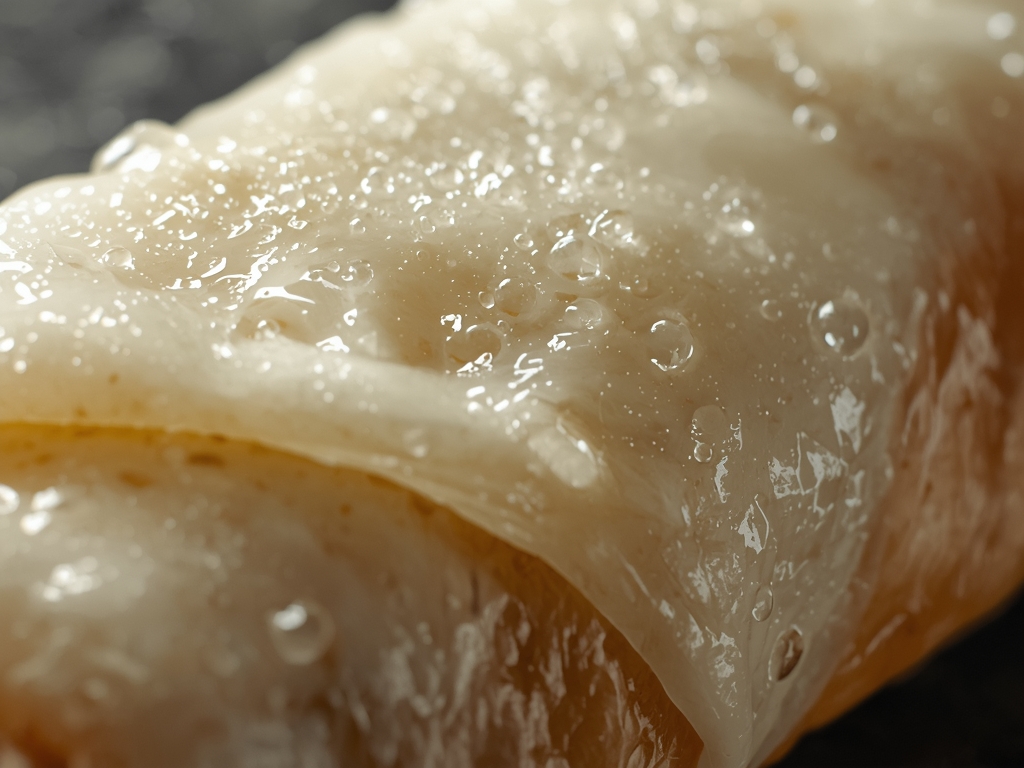
Rolls go stale because of starch, not because of drying out. When bread cools, the starch molecules inside it recrystallise — a process called retrogradation — and the crumb turns firm and dry, even if no moisture has actually left the roll. Reheating reverses it: heat breaks the starch crystals apart again, and the crumb goes soft. That is why a stale roll can taste fresh again after a few minutes in the oven, and why a roll left on the counter for a week cannot — the starch has set too firmly, and no amount of heat will bring it back.
The microwave is the method that fights this process hardest, because it heats the starch unevenly and drives moisture out of the crumb. Bread contains two sugar molecules in its starch, and one of them melts at 212°F but hardens as it cools — which means a microwaved roll that started out fluffy ends up rock hard once it cools, if it was heated too hot or for too long. The fix is the damp towel: it traps steam around the rolls, keeps the crumb moist while it heats, and slows the hardening. But the fix has limits, which is why the microwave times in this guide are so short — 30 to 45 seconds, not two minutes — and why the rolls should be warm, not piping hot, when they come out. A roll that is too hot from the microwave will turn tough and chewy as it cools.
Method 1: The Oven (Best All-Around)
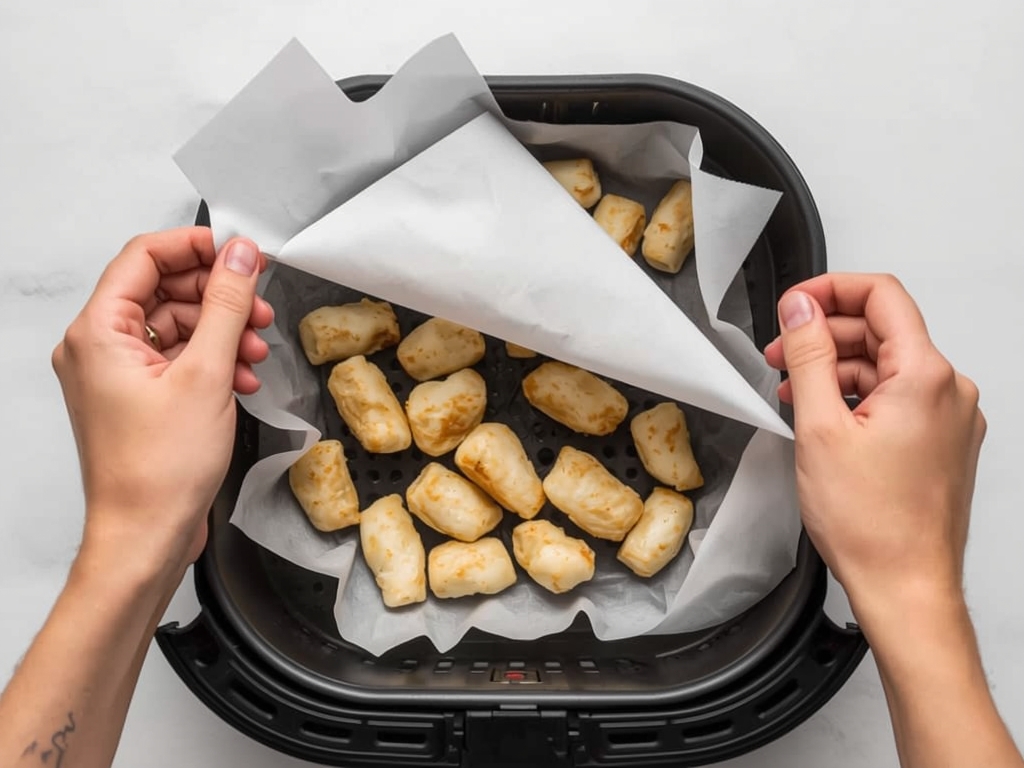
Arrange a rack in the middle of the oven and heat it to 350°F. Place the rolls in a baking dish, or arrange them on a baking sheet — and here is the detail that decides the result: place the rolls snugly together in a baking dish, and their sides will stay soft; separate them on a baking sheet, and the outside will be slightly crisper. The rule for reheating leftovers is to reheat food the way it was prepared, and rolls were baked in a pan, close together, so a baking dish is the faithful method. Brush the rolls with melted butter and sprinkle with coarse salt if desired, then bake until warm, 7 to 10 minutes.
The oven is the best all-around method because it heats evenly, it restores the crust as well as the crumb, and it handles any number of rolls — one or twenty — with the same result. If you only have a baking sheet, brush the rolls with melted butter to keep them from drying out, and cover them loosely with foil for the first few minutes if the tops are already dark. The Kitchn guide to reheating dinner rolls tested three methods and called the oven the best all-around — 350°F, 7 to 10 minutes, in a baking dish — and it is the method to use when you want the rolls to taste like they did yesterday.
Method 2: The Slow Cooker (Best for a Crowd)
The slow cooker is the best method when you have a crowd to feed and a table to set, because it does two jobs at once: it reheats the rolls, and then it keeps them warm until dinner is served. Lay a damp, clean kitchen towel on the bottom of the slow cooker insert. Arrange the rolls on the cloth. Cover the top of the rolls with a second damp, clean tea towel. Cover and heat on the LOW setting until warm, about 30 minutes. After heating, turn the slow cooker to the WARM setting and keep the rolls soft and warm until the top towel is dry, about 2 hours.
Do not heat the rolls on HIGH — the edges touching the insert may burn, and the rolls will become tough. The damp towels are the whole method: the bottom towel keeps the rolls from sitting directly on the hot insert, and the top towel catches the condensation from the lid so it does not drip back onto the rolls and make them soggy. Warming store-bought dinner rolls in the slow cooker makes them feel more like homemade, because the gentle, moist heat restores the softness that a day in a bag takes away. It is not the fastest method — it takes at least 30 minutes depending on the number of rolls — but it is the favourite method for a holiday table, because the rolls are warm whenever dinner is ready, not just when the timer goes off.
Method 3: The Microwave (Fastest, 30–45 Seconds)
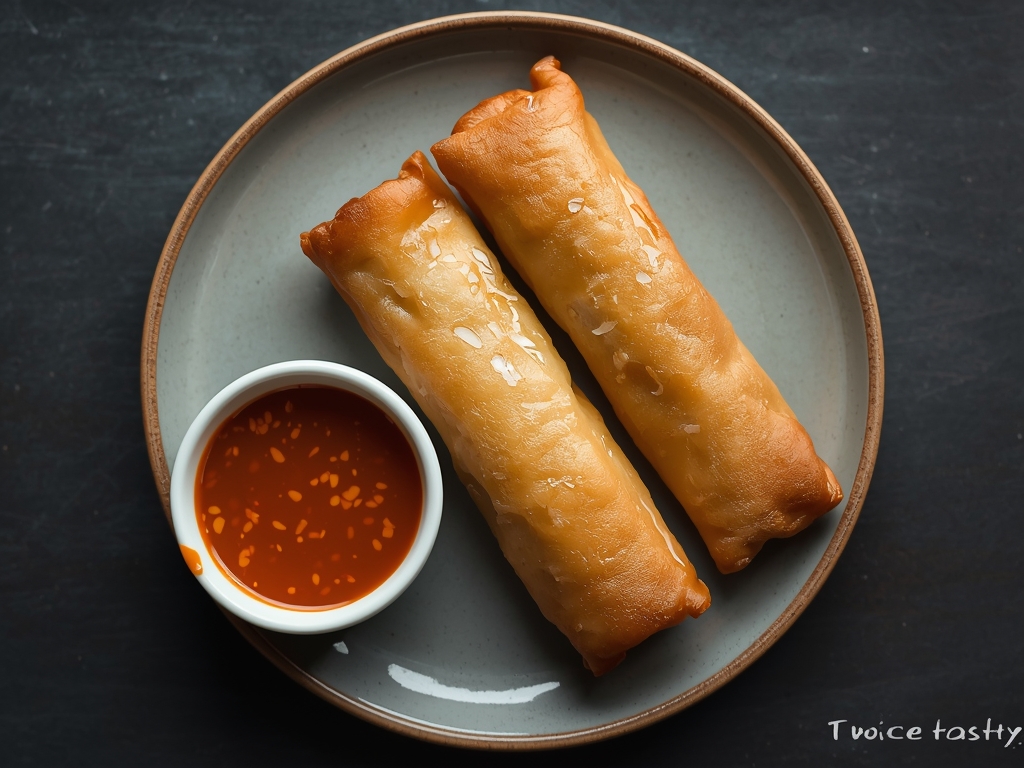
Arrange the rolls on a microwave-safe plate. Cover the rolls with a slightly damp, clean kitchen towel. Wrap the entire plate in a dry tea towel. Microwave the rolls until just warmed through, 30 to 45 seconds. The rolls should not be piping hot, or they will turn tough and chewy as they cool. That is the whole method, and the times are short for a reason: a roll needs less heat than you think, and the microwave gives it more than you think.
The microwave is the method for one or two rolls, eaten immediately, when there is no time for the oven. It is not the method for a basket of rolls, and it is not the method for rolls you want to keep warm — microwaved rolls cool fast, and they harden as they cool. Eat them straight away, with butter, while they are still soft. If the rolls come out tough, they were heated too long or too hot: next time, use 50% power, or heat them for 20 seconds and check. The Kitchn’s microwave method — damp towel, dry towel, 30 to 45 seconds — is the one to follow, because the two towels are what keep the steam in and the toughness out.
Method 4: The Air Fryer (320°F, 3 Minutes)
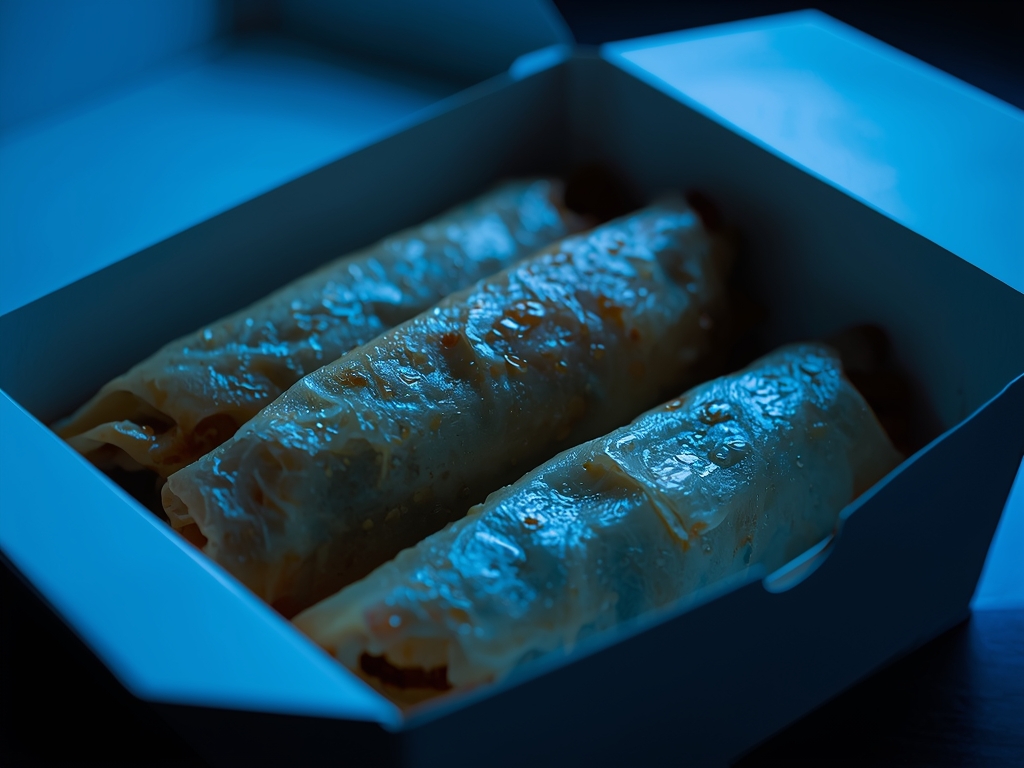
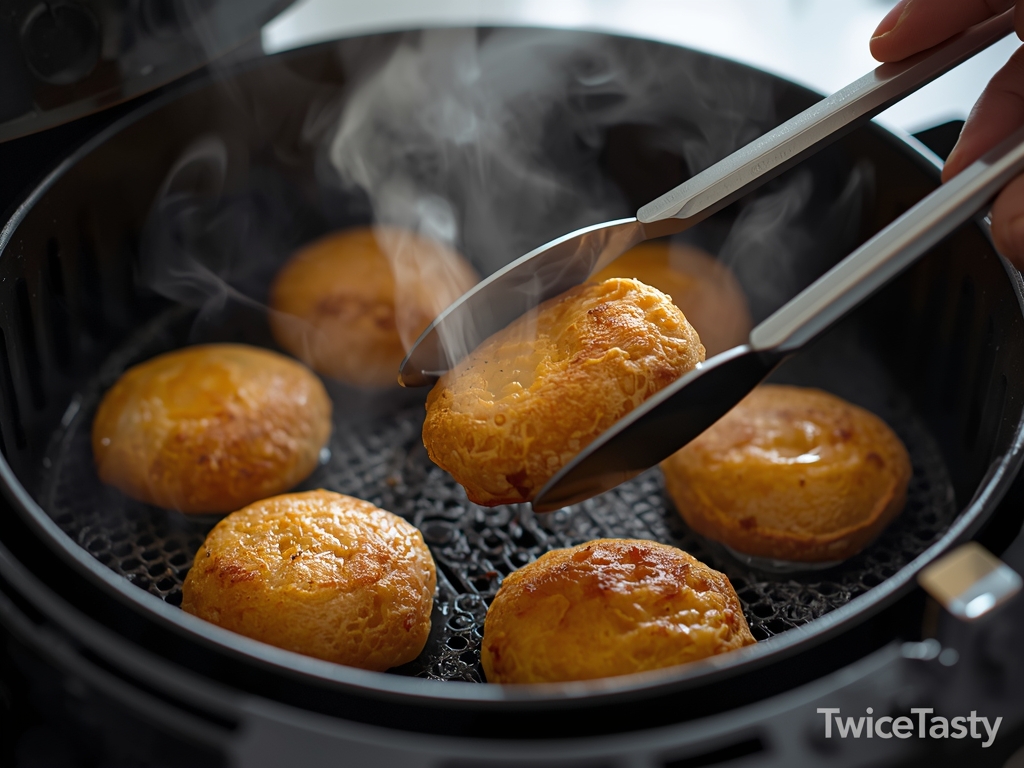
The air fryer is the method for a crisp top and a soft centre, and it is the fastest oven method there is. Preheat the air fryer to 350°F. Arrange the rolls in a single layer in the basket, leaving space between them so the hot air can circulate. Heat for 3 to 5 minutes, checking after 3 minutes, until the rolls are warm through and the tops are golden. Some guides use 320°F for 3 minutes; the difference is the model of air fryer, and the right temperature is the one that warms your rolls without browning them too fast — start at 350°F, check early, and adjust.
The air fryer suits small batches — two or four rolls, not twenty — and it suits rolls that have gone a little soft, because the circulating hot air crisps the outside while the inside warms. Brush the tops with a little melted butter before they go in, and they will come out golden and glossy. Do not stack the rolls, and do not overcrowd the basket: air that cannot circulate cannot crisp, and a crowded basket gives you rolls that are warm on top and cold underneath. The Better Baker Club guide to reheating yeast rolls gives the air fryer method as 350°F for 3 to 5 minutes in a single layer, and it is the method to use when you want the rolls to taste like they came out of the oven, in the time it takes to set the table.
Frozen Rolls: Thaw First, Then Reheat

Frozen rolls need one extra step: thaw them first. Thaw frozen dinner rolls on the kitchen counter until they are soft, then reheat them by any of the methods above. Do not put frozen rolls straight into the oven or the air fryer — the outside will overcook while the centre is still frozen, and the rolls will be hot on the outside and cold in the middle. If you are in a hurry, wrap the thawed batch in foil and heat it at 300°F for about 20 minutes, or until warmed through — the foil traps the steam and heats the rolls evenly, which is what a frozen roll needs most.
For the freezing step itself, see our guide to freezing dinner rolls, which covers wrapping, labelling and how long they keep. And for what to do with the rolls that are too stale to reheat, see our guide to what to do with leftover dinner rolls — stale rolls become bread pudding, croutons and breadcrumbs, and none of those needs a fresh roll to start with.
How to Store Leftover Rolls (So They Reheat Well)
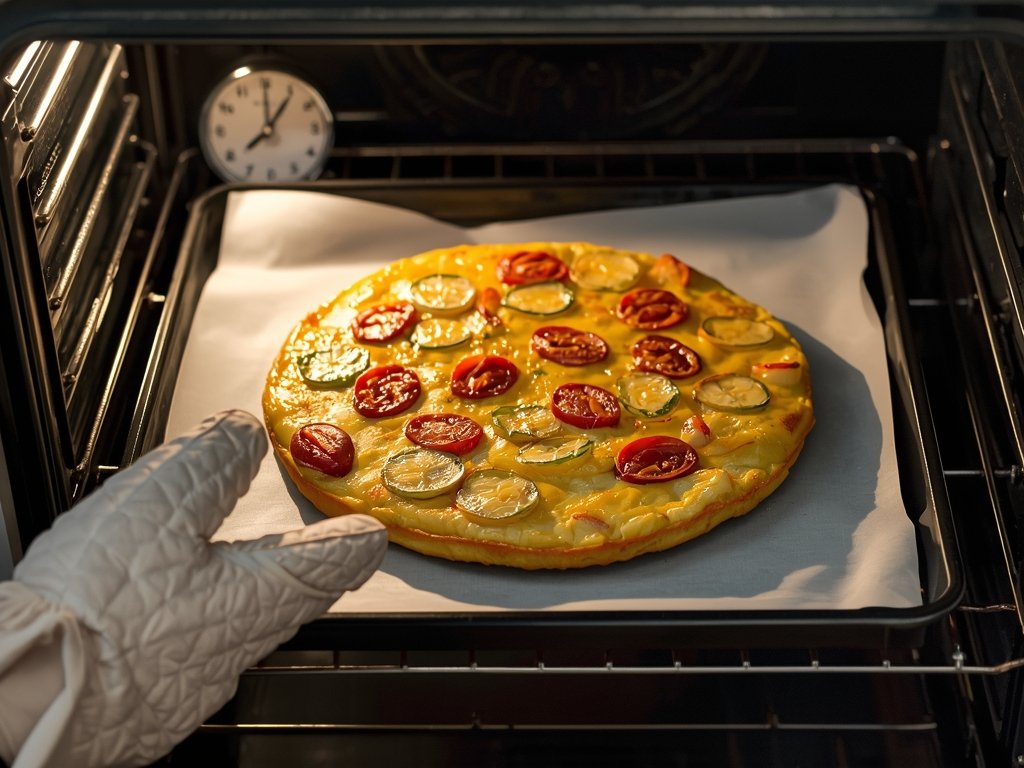
How you store the rolls decides how well they reheat. Baked rolls keep for 3 days at room temperature in plastic, or for 3 months in the freezer — and the plastic matters, because rolls left unwrapped dry out from the outside in. Wrap them once they are completely cool, and keep them in a bag or a container with the air pressed out. Rolls stored in the fridge go stale faster than rolls stored on the counter, because the cold accelerates the starch crystallisation — the fridge is the worst place for a roll, unless it is the only place, and the counter is better for the three days the rolls will last.
For the other dishes on the table, the same reheating logic applies: reheat food the way it was made, gently, and stop as soon as it is warm. Our guides to reheating rotisserie chicken, reheating green bean casserole and reheating meatballs without drying them out all follow the same principle, and they are worth reading together — the oven for most things, the slow cooker for a crowd, the microwave for one portion in a hurry, and the air fryer when you want crispness back.
The Bottom Line
Reheat dinner rolls in the oven at 350°F for 7 to 10 minutes in a baking dish, brushed with melted butter — that is the best all-around method, and the one that gives you rolls that taste like they were just baked. For a crowd, use the slow cooker: damp towels top and bottom, LOW for about 30 minutes, then WARM for up to two hours. For one roll in a hurry, use the microwave: damp towel, dry towel, 30 to 45 seconds, and eat it immediately. For a crisp top, use the air fryer: 350°F for 3 to 5 minutes, in a single layer. Thaw frozen rolls before reheating them, store the rolls in plastic for up to three days on the counter, and never refrigerate them if you can help it. A roll reheated gently is a roll reborn. A roll reheated badly is a roll wasted.

Ghani is the founder of TwiceTasty and a passionate home cook who believes no meal should go to waste. What started as a personal mission to transform leftovers into exciting new dishes has grown into a community of food lovers who share the same philosophy.