Follow Me On Social Media!

Prime rib is the most expensive thing in the fridge, and reheating it badly is the fastest way to waste it. The problem is simple and it has no perfect answer: the temperature that makes leftovers safe to eat is higher than the temperature that keeps prime rib pink. Heat it to 165°F and it is safe, but it is also grey, dry and overcooked — it is no longer prime rib, it is a well-done roast. Warm it to 120°F and it is still pink and juicy, but it has not reached the temperature the USDA recommends for reheated leftovers. This guide does not pretend that conflict away. It explains it plainly, gives you the methods that keep the meat pink, and lets you decide with the facts in front of you.
The Short Answer: 250°F Oven, Pull at 120–130°F
The short answer is that the best way to reheat prime rib is low and slow: set the oven to 250°F, put the meat on a rack over a sheet pan, add a splash of jus or beef broth, cover it loosely with foil, and heat it until the centre reaches about 120°F to 130°F. Slices take 10 to 15 minutes. A larger leftover roast takes 30 minutes to an hour. Finish with a quick sear in a very hot skillet, 30 to 60 seconds a side, if you want the crust back. The goal is to warm the meat without cooking it any further than it already was — and the low oven is the only method that does that reliably, because gentle heat warms the centre before the outside has time to overcook.
The 165°F Problem: Why the Safe Temperature and the Pink Temperature Disagree
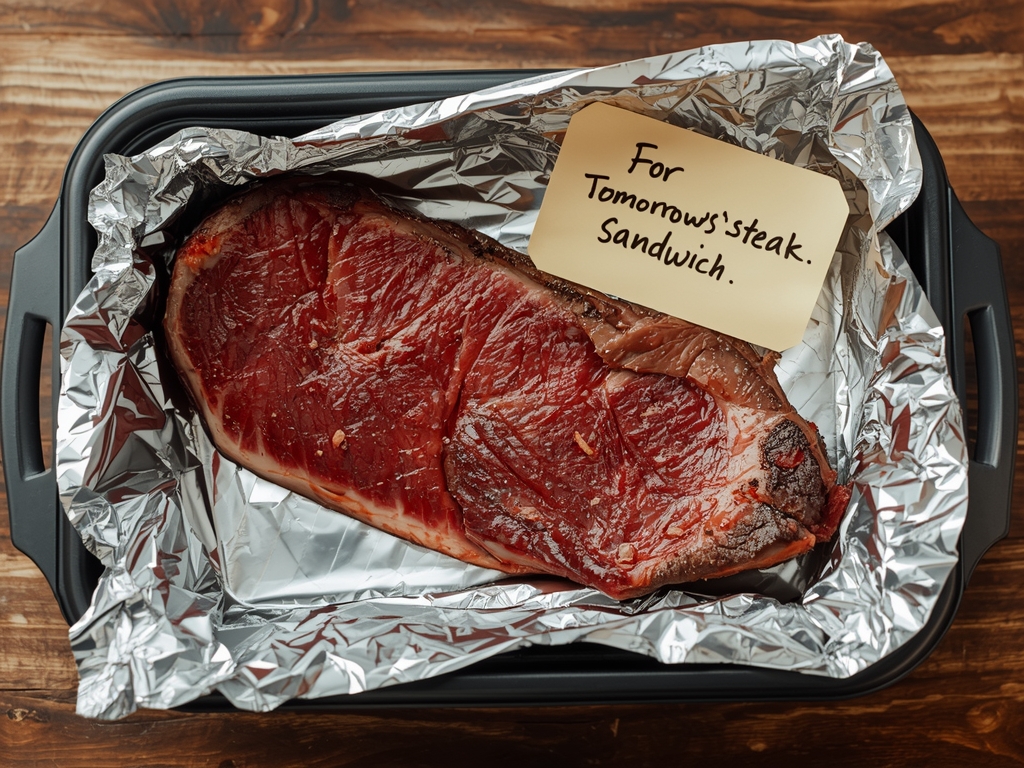
Here is the conflict, stated plainly. The USDA says to reheat leftovers to 165°F. Prime rib is usually served rare to medium-rare, which means its centre is 120°F to 135°F. Reheating it to 165°F will take it well past medium — past the pink, past the juicy, into the grey and dry. There is no way to hit both numbers at once. The cooks and butchers who write about prime rib all say the same thing: to keep it pink, warm it only to about 120°F to 130°F in the centre, and accept that you are warming it, not re-cooking it to the USDA leftover temperature. Steak University, the butcher’s guide from Chicago Steak Company, puts it directly: use low heat, add a splash of au jus or broth, cover it, and stop when the centre reaches about 120 to 130°F — and it notes in the same breath that the USDA says 165°F, which will take prime rib well past medium.
What does that mean in practice? It means the prime rib you reheat this way is being warmed to serving temperature, the way a restaurant warms a steak, not reheated to the full leftover temperature. It also means the usual food-safety rules matter more, not less: the meat must have been stored properly — refrigerated within two hours, kept for no more than 3 to 4 days — and it must be eaten promptly once warmed, not left sitting out. The FoodSafety.gov cold food storage chart gives cooked meat or poultry 3 to 4 days in the fridge and 2 to 6 months in the freezer, and those are the storage numbers this guide uses. If the roast has been in the fridge for five days, or sat out on the counter for an afternoon, the answer is not to reheat it more gently — it is to throw it away. The low-and-slow method is for good meat, properly stored, eaten promptly. It is not a way to rescue meat that should not be eaten.
Method 1: The Low Oven (Best All-Around)
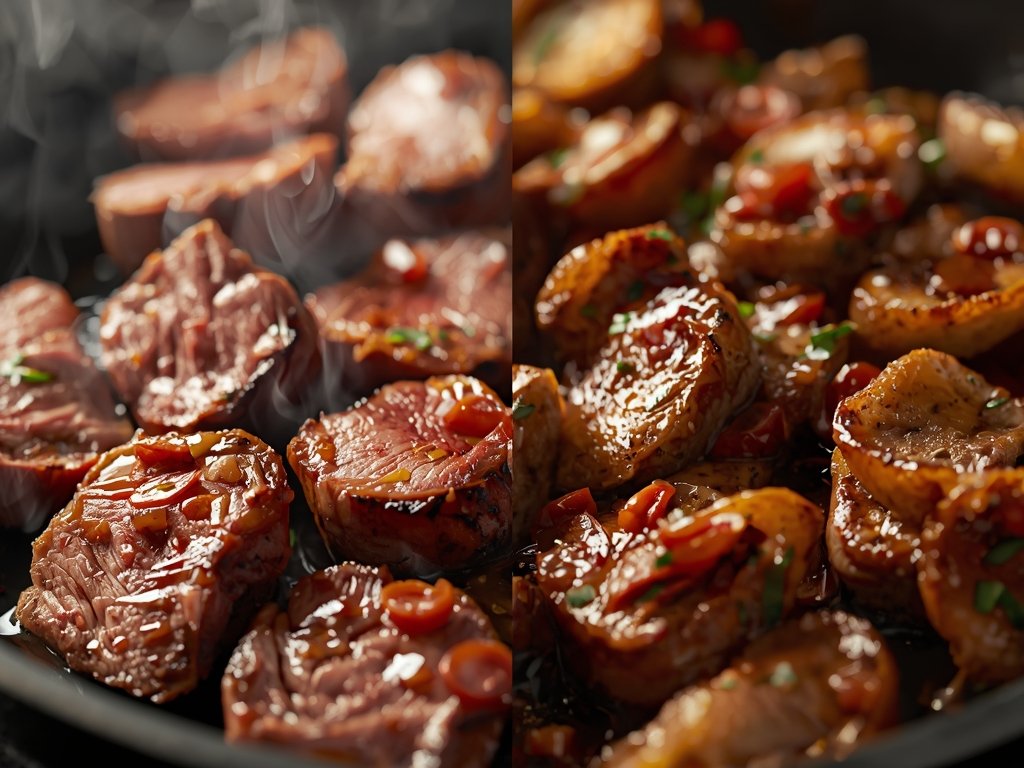
Take the prime rib out of the fridge 20 to 30 minutes before reheating, so the centre is not ice cold. Do not leave it out longer than that. Preheat the oven to 250°F — higher temperatures heat the outside faster than the centre, and that is how leftovers turn grey. Place the meat on a wire rack over a rimmed sheet pan, or in a small baking dish if you are reheating slices. The rack matters: it lets hot air circulate underneath, so the bottom warms at the same rate as the top, instead of sitting in its own juices and steaming.
Add moisture. Spoon 2 to 3 tablespoons of leftover jus or beef broth over the meat, or into the bottom of the dish. Cover loosely with foil — this holds in steam and keeps the surface from drying out, without sealing so tight that the crust goes soggy. Heat to temperature: start checking slices after 10 minutes and a roast after 30, with an instant-read thermometer in the thickest part. Pull it when the thickest part reads 120°F to 130°F, or a little higher if you like it more done. Rest it for a few minutes under the foil, then serve. The Steak University guide to reheating prime rib recommends exactly this method — the 250°F oven and the au jus dip are, in its words, the best ways to keep it pink — and it is the method to use for anything bigger than a couple of slices.
Method 2: The Skillet Sear (for Slices, With Jus)
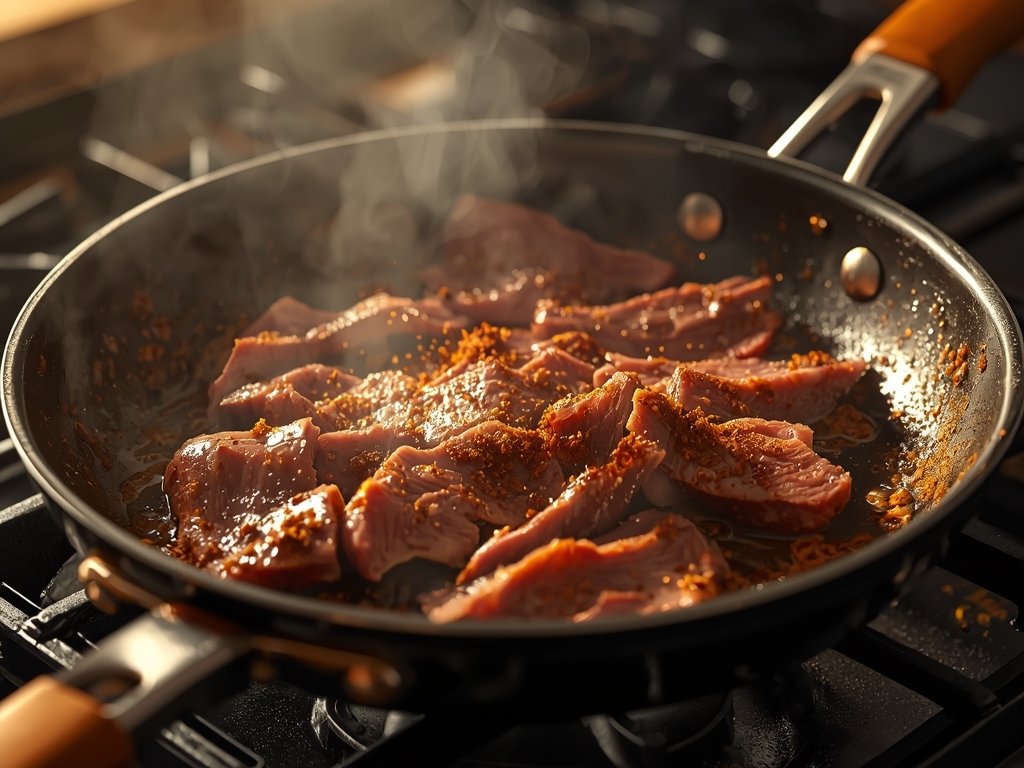
The skillet is the method for one or two slices, when you want dinner in five minutes and you do not want to heat the oven. Pour about half a cup of jus or beef broth into a skillet and bring it to a gentle simmer over medium-low heat. Lay the slices in the simmering liquid, cover the pan, and warm them for a few minutes, turning once, until the centre is warm. The liquid does two jobs: it heats the meat gently, and it keeps the surface moist while it warms. Lift the slices out, pat them dry, and if you want the crust back, sear them in a very hot skillet with a little oil for 30 to 60 seconds per side.
The skillet method is faster than the oven, but it is less forgiving. The liquid must simmer, not boil — boiling toughens the meat in seconds, and a slice that has boiled in broth tastes like pot roast, not prime rib. Keep the heat at medium-low, keep the lid on, and check the slices early. It is the right method for a single serving, and the wrong method for a whole roast, which will not fit in the pan and will heat unevenly. For the general steak version of the same problem, see our guide to reheating steak without drying it out.
Method 3: Sous Vide (Most Precise)
Sous vide is the most precise way to reheat prime rib, because the water bath cannot heat the meat past the temperature you set. Set the water bath to the doneness you want — 130°F for medium-rare — seal the meat in a bag with a spoonful of jus or butter, and submerge it. Slices take 30 to 60 minutes; a roast takes 1.5 to 3 hours. When the time is up, the meat is exactly the temperature you set, edge to edge, with no grey band and no cold centre. Pat it dry and sear it in a very hot skillet for 30 to 60 seconds a side to bring back the crust.
Sous vide takes the longest, and it needs equipment not every kitchen has. But if you have it, it is the best method there is for prime rib, because it removes the two things that ruin every other method: temperature guesswork and uneven heating. The meat cannot overcook, because the water is never hotter than the target. The only thing it cannot do is crisp the crust, which is why the sear at the end matters — a sous vide prime rib without a sear looks boiled, and a quick sear is what makes it look like the roast it was.
The Microwave (Last Resort Only)
The microwave is the last resort for prime rib, and it should stay there. Microwaves heat unevenly, with hot spots that overcook one part of a slice while another part stays cold, and the result is a slice that is grey at the edges, lukewarm in the middle, and tough all over. If you have no other option, cut the meat into even slices, place them in a microwave-safe dish with a spoonful of jus or broth, cover them, and heat at 50% power in 30-second intervals, checking the temperature each time. Stop as soon as the slices are warm — do not heat them until they are hot, because the microwave will keep cooking them after you stop.
The honest advice is to use any other method first. The oven takes 15 minutes for slices. The skillet takes five. The microwave takes two minutes and gives you the worst result of the three. Prime rib is too expensive to reheat badly, and the two minutes you save are not worth the roast you lose. If the microwave is genuinely the only option, use the lowest power, the shortest intervals, and the jus — and accept that the result will be a compromise.
How to Bring Back the Crust
The crust is the first thing reheating takes away and the last thing it can give back. A prime rib crust is a caramelised, salty, fatty exterior, and gentle reheating softens it — the foil traps steam, the low heat does not crisp anything, and the meat comes out of the oven warm but soft on the outside. The fix is a sear, and the sear is a separate step from the reheat. Pat the meat completely dry — moisture is the enemy of a sear, and a wet surface steams instead of browning. Heat a cast iron skillet until it is very hot, add a little oil, and sear the meat for 30 to 60 seconds per side. No longer: you are browning the outside, not cooking the inside, and a minute a side is enough to bring back the colour and the crunch without warming the centre past its target.
Our guide to seared ribeye with melting herb butter shows the same technique on a fresh steak, and the principle is identical: a dry surface, a very hot pan, a short sear, and butter at the end. A spoonful of herb butter melted over the seared slices is the finishing touch that makes reheated prime rib taste like it was just cooked — and it is the cheapest luxury in this whole guide.
How to Store Leftover Prime Rib (3–5 Days, Then Freeze)
Store leftover prime rib in the fridge, wrapped tightly, and use it within 3 to 4 days. The FoodSafety.gov chart gives cooked meat 3 to 4 days refrigerated, and that is the number to use — the roast that was cooked on Saturday should be eaten or frozen by Tuesday. Keep the roast whole if you can: a whole roast keeps better than slices, because the mass of the meat acts as a buffer against temperature spikes and drying, and it reheats more evenly. Slice only what you are going to reheat, and keep the rest wrapped tight in foil or in an airtight container.
For longer storage, freeze it. Wrap the roast tightly in plastic wrap and foil, or place it in a freezer bag with the air pressed out, and freeze for up to 2 to 6 months. Thaw it in the fridge, never on the counter, and reheat it by one of the methods above once it is fully thawed. And if the roast is not going to be reheated at all, it has better second lives: our guide to leftover prime rib ideas has the full list, and our guide to what to do with leftover roast beef covers the same thinking for the cheaper cuts. For the storage rules that apply to everything in the fridge, see our guide to how long leftovers last in the fridge.
The Bottom Line
Reheat prime rib low and slow: a 250°F oven, a rack over a sheet pan, a splash of jus, loosely covered with foil, and pull it when the centre reads 120°F to 130°F — 10 to 15 minutes for slices, 30 to 60 minutes for a roast. Sear it for 30 to 60 seconds a side in a very hot skillet if you want the crust back. Sous vide at 130°F is the most precise method if you have the equipment. The microwave is a last resort. And the conflict at the heart of this guide stays unresolved, because it is real: the USDA says 165°F, and 165°F will not keep prime rib pink. Warm it to 120–130°F, eat it promptly, store it properly for no more than 3 to 4 days, and throw away any roast that has passed its best. A prime rib reheated gently is still prime rib. A prime rib reheated to 165°F is not.

Ghani is the founder of TwiceTasty and a passionate home cook who believes no meal should go to waste. What started as a personal mission to transform leftovers into exciting new dishes has grown into a community of food lovers who share the same philosophy.