Follow Me On Social Media!

There is a specific type of culinary heartbreak that happens when you reach for a leftover egg roll. You remember it from the night before: that golden, blistered tube of joy, crackling under your teeth, revealing a steaming hot core of savory pork and crunchy cabbage. But in the harsh light of the refrigerator the next day, it looks sad. The wrapper has gone translucent and leathery. It’s cold to the touch, and when you squeeze it, it feels squishy rather than rigid. The filling inside has settled into a dense, heavy lump.
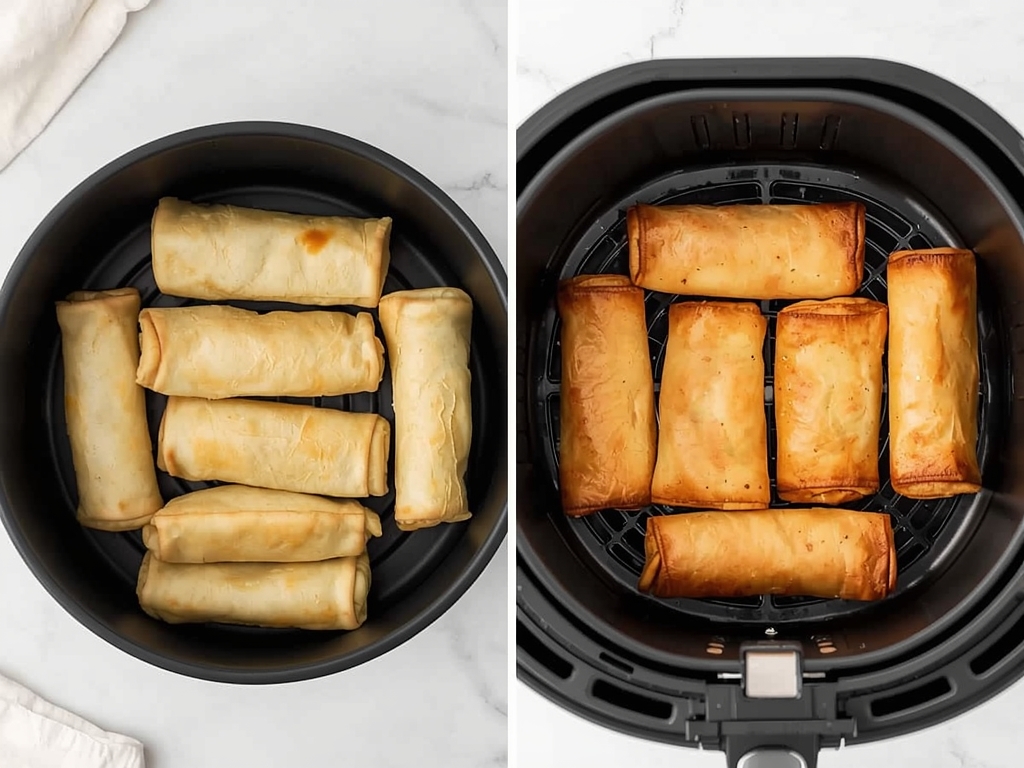
Most people, in a moment of weakness, will throw it in the microwave. You know the result. You bite down, and instead of a crunch, you get a gummy, rubbery chew. The wrapper becomes a tough, steamed skin that sticks to your teeth, and the inside is a scorching hot volcano of filling while the outside is weirdly cool. It’s a textural disaster. But throwing them away feels wrong. The flavor is still there, trapped inside that soggy shell. To save them, we have to choose a weapon. It’s a duel between the reliability of the oven and the speed of the air fryer. Both can bring back the crunch, but they play by very different rules.
Why the Microwave is the Enemy of the Wrapper
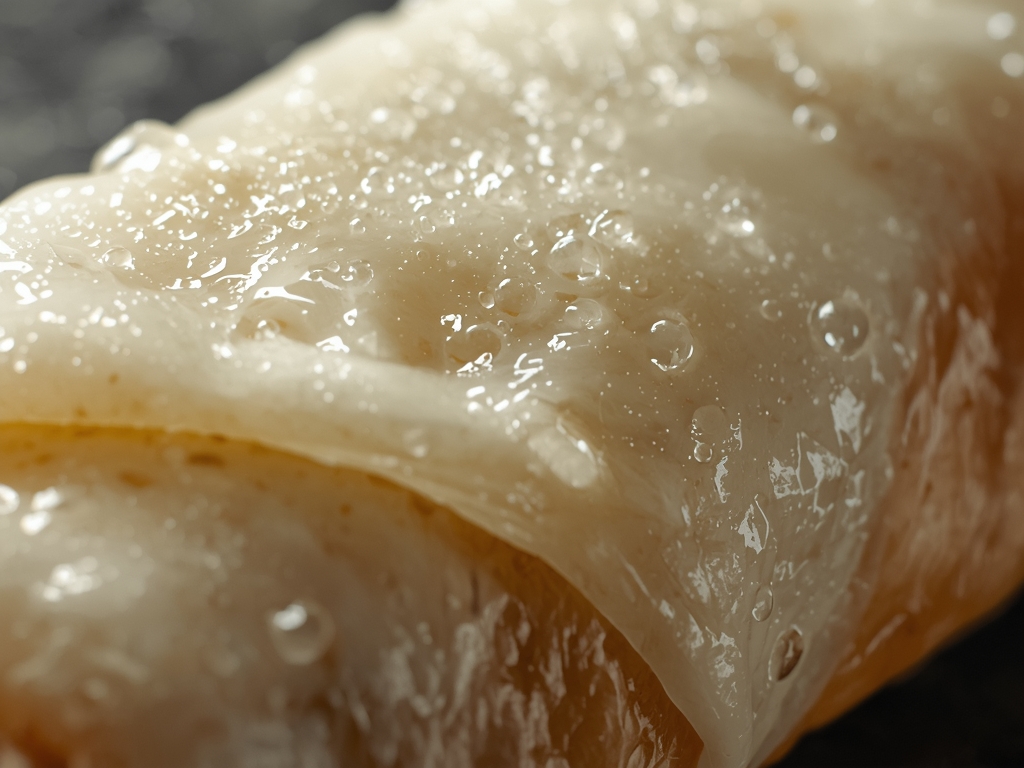
To understand why we need the oven or the air fryer, we have to look at what an egg roll wrapper actually is. It’s a dough made of wheat flour and water, often with an egg thrown in for richness and structure. When it’s fried, the water in the dough turns to steam, puffing up the layers and creating that flaky, bubbly crust. The frying process drives out almost all the moisture, leaving behind a crispy matrix of protein and starch.
But inside that wrapper is a ticking time bomb: the filling. Cabbage, celery, meat—all of these contain water. As the egg roll sits in the fridge, that water migrates. It moves from the wet filling out into the dry wrapper. The wrapper, desperate for hydration, drinks it up. The starches in the dough soften and swell. The crispy bubbles collapse. You’re left with a wet dough tube.
The microwave is the worst possible tool because it adds more water in the form of super-heated steam. It softens the starch even further. What we need is the opposite: a dry environment that pulls that excess moisture out of the wrapper and re-solidifies the structure. We need to evaporate the water that ruined the crunch. Both the oven and the air fryer do this, but one is a marathon runner, and the other is a sprinter.
The Oven Method: The Gentle Giant
Let’s start with the oven. It’s the old reliable. The oven is the method you choose when you have a big pile of egg rolls—maybe you ordered takeout for a crowd and have a dozen leftover. It’s also the safest bet for not burning the delicate skin before the inside is warm.
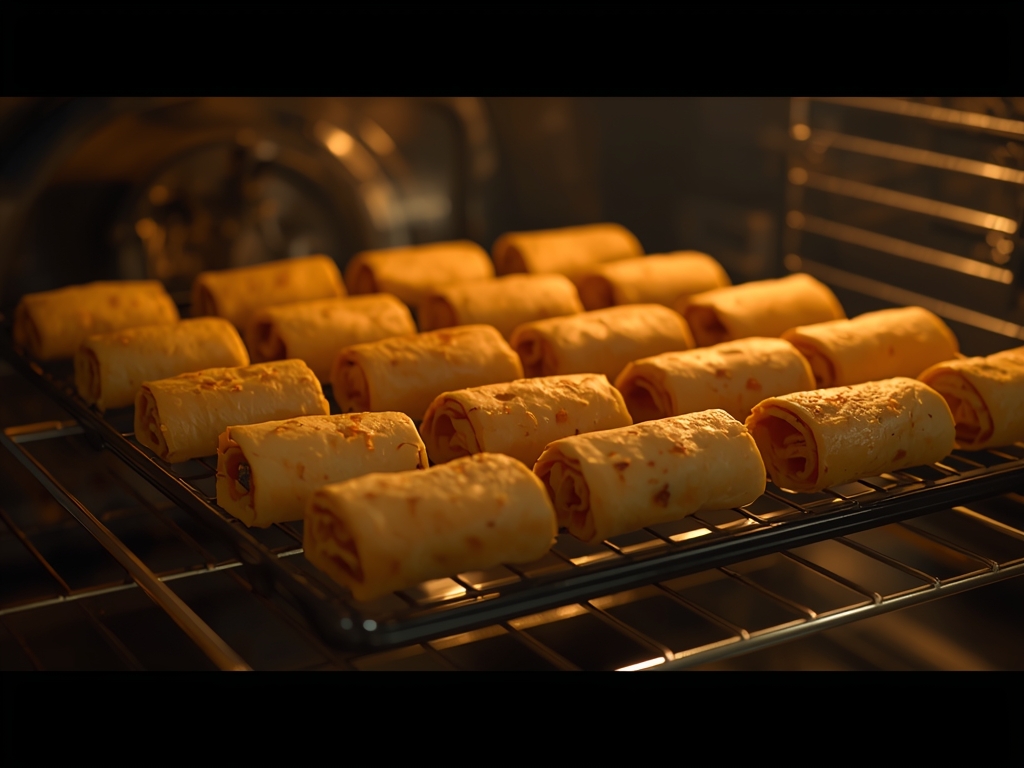
The trick here isn’t just temperature; it’s airflow. Don’t just slap them on a baking sheet. If you do, the bottom of the egg roll gets hot and starts to fry in its own grease, but the top stays pale and soft. You want to set a wire cooling rack over a baking sheet. Place the egg rolls on the rack, giving them a little space. This allows the hot air to circulate 360 degrees around the wrapper. It ensures that the moisture escaping from the bottom can drip away rather than re-soaking the pastry.
Set your oven to 350°F (175°C). You don’t need it screaming hot; you want a consistent, dry heat. Let them preheat with the oven so they aren’t fighting a cold start. This will take about 15 to 20 minutes. It’s not fast.
But the results are consistent. The oven warms the filling gently, allowing the fat in the pork to render without bursting the wrapper. It dries out the surface of the wrapper uniformly. When they come out, they are hot all the way through, and the crunch is even—top, bottom, and sides. It’s a restoration rather than a reinvention. It brings the egg roll back to its prime, slowly and steadily, like a good conversation.
The Air Fryer Method: The Jet Engine
Now, let’s talk about the air fryer. This is for when you’re hungry now. The air fryer is a convection oven on steroids. It moves air so fast that it strips moisture away in record time. This is fantastic for crispiness, but it’s dangerous for thin dough. The air fryer can burn the skin of an egg roll before the inside has even thawed out, leaving you with a charred shell and a frozen center.
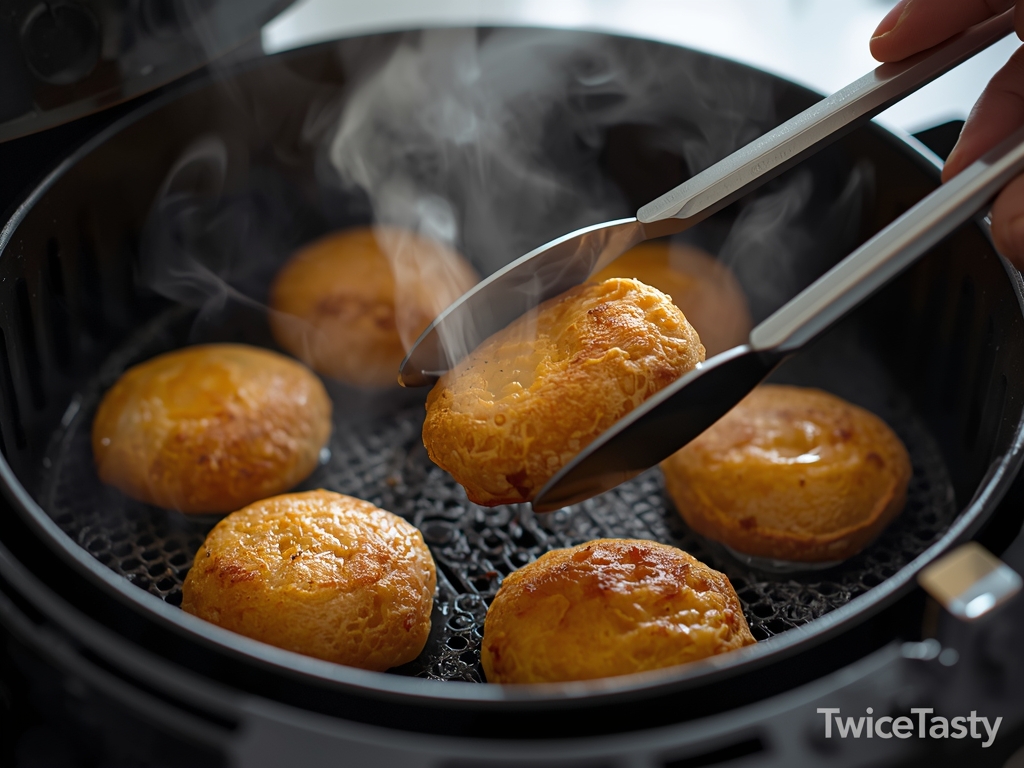
To use the air fryer, you have to be strategic with temperature. I know you want to crank it to 400°F, but don’t. Stick to 350°F, maybe even 325°F if your air fryer runs hot. The speed of the fan is doing the work, not the temperature of the coil.
Lay the egg rolls in the basket in a single layer. Do not crowd them. If they are touching, they will steam. You can usually fit about four in a standard basket comfortably. Set the timer for 5 minutes. This is the “wake up” call.
At the 5-minute mark, open the basket and give them a shake. Roll them over. You’ll see they are starting to crisp up, but they probably look a little pale. Close the basket and add another 2 to 3 minutes. Watch them like a hawk in the last two minutes. The sugar in the wrapper and the marinade in the pork can catch quickly. You want a deep golden brown, not black.
The air fryer result is different from the oven. It’s crisper. It’s almost glass-like. The high-speed air creates a shell that is harder and shatters more violently than the oven version. It’s fantastic if you like that really aggressive crunch, but you have to be willing to babysit it. It’s high maintenance, but the payoff is speed and texture.
The Verdict and the Oil Upgrade
So, which one wins? If you have the time, the oven is the safer bet for a large batch. It gives you that “fresh from the Chinese restaurant” consistency that feels timeless. If you’re just reheating a quick lunch for one and you want that extra edge of crunch, the air fryer is your champion. It’s faster and louder.
But regardless of which machine you use, there is one final step that takes a reheated egg roll from “good enough” to “better than delivery.” It’s a tiny bit of fresh fat.
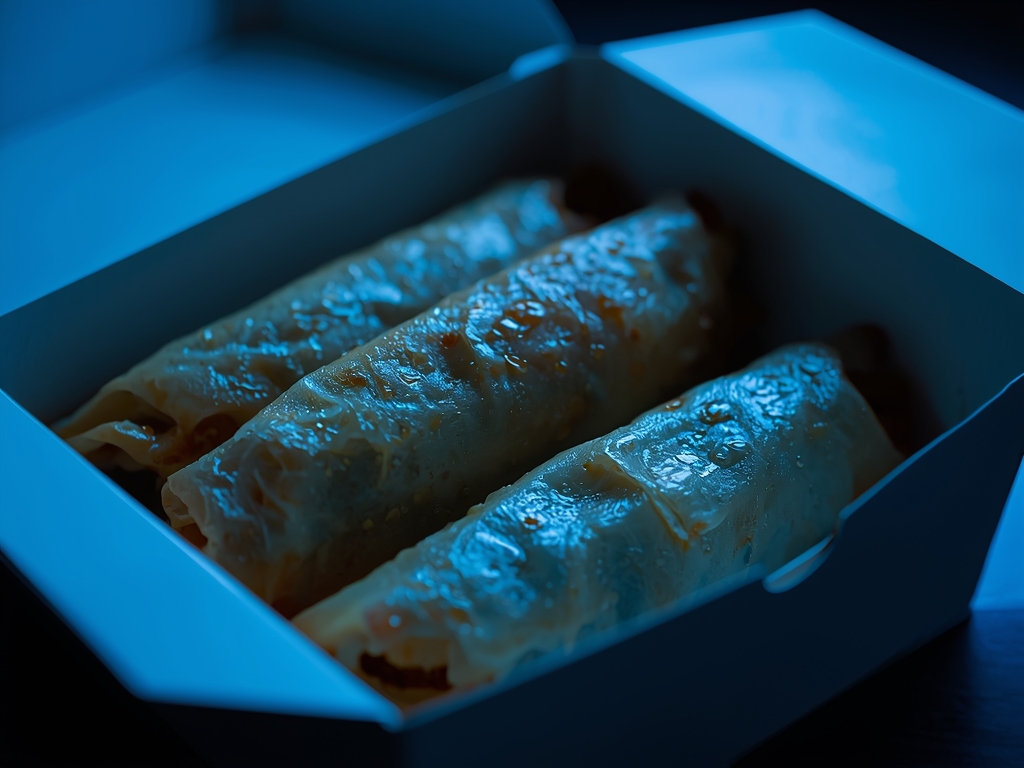
When egg rolls are reheated, the oils inside the wrapper can taste a little old. The flavor can be flat. Before you put them in the oven or air fryer, take a pastry brush and give them a very light coating of neutral oil—canola, grapeseed, or even sesame oil if you want a nutty kick.
Why? Because the original frying oil has mostly been absorbed or oxidized. A fresh brush of oil helps conduct the heat into the wrapper, ensuring it crisps up evenly rather than drying out and turning into a cracker. It also revitalizes the flavor. The fresh oil mixes with the aromatics in the filling as it heats up, carrying that scent of ginger and garlic right to your nose when you bite in.
Serve them hot with a side of that bright red duck sauce or a sinus-clearing hot mustard. Dip the hot, crunchy end into the cold, sweet sauce. That contrast—hot vs. cold, crunchy vs. smooth, savory vs. sweet—is the only reason we eat egg rolls in the first place. Don’t let the fridge steal that joy from you. Pick your weapon, preheat your machine, and reclaim the crunch.
Frequently Asked Questions
Can I reheat frozen egg rolls?
Absolutely. In fact, frozen egg rolls reheat beautifully because the ice crystals create extra steam that puffs the wrapper nicely. If using the oven, add about 5-10 minutes to the time. If using the air fryer, add about 3-5 minutes. No need to thaw them first; they actually crisp up better from frozen.
My egg rolls have meat inside. How do I know they are hot enough in the middle? Since you’re reheating and not cooking from raw, you mostly want them hot to the touch (around 165°F internally). If you’re worried, use an instant-read thermometer. But visual cues are usually enough: the filling should be steaming and soft when you cut it open, and the wrapper should be rigid.
Why do my egg rolls explode in the air fryer? This happens if the internal pressure from the filling (steam) builds up faster than the wrapper can release it. To prevent this, don’t overheat them. Stick to 350°F. Also, poking a tiny hole in the top of the egg roll with a toothpick before reheating can give the steam an escape route, preventing a messy explosion.

Marco covers the Reheat Pro category on TwiceTasty, focusing on reheating techniques and texture preservation. His articles help home cooks bring leftovers back to life with the right methods for every type of food — from crispy fried chicken to creamy pastas.

← Previous
How to Reheat Quiche Without Making the Crust Mushy.
Next →
How to Reheat Chick-fil-A Nuggets to Perfect Crunchiness.