Follow Me On Social Media!

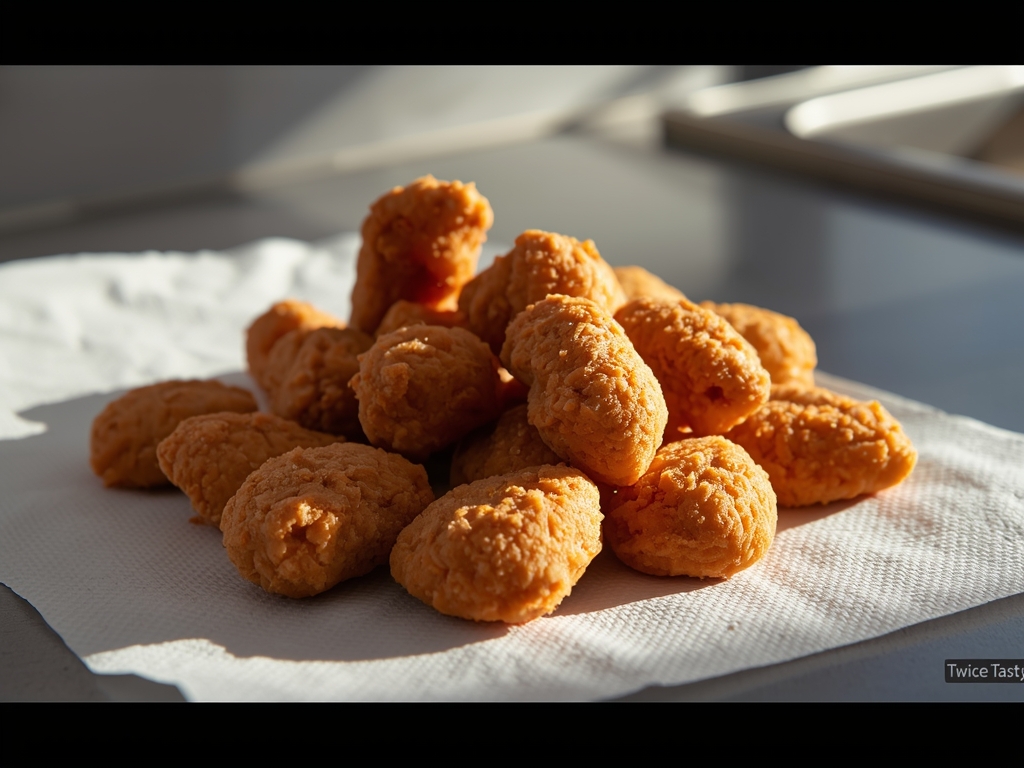
We all know the specific feeling of reaching into that crinkled red and white bag a few hours after lunch—or worse, the next morning. You’re hungry, you’re tired, and you remember how good those nuggets were when they were hot. You grab one, and the vibe is immediately off. It’s cold, obviously, but it’s also… sticky. The breading, which was once a shatteringly crisp, salty shell, has adhered itself to the meat like a wet Band-Aid. It’s gummy. It’s chewy. It feels dense in a way that fried chicken should never feel.
Most people’s reflex is to shove the whole pile into the microwave. You hit thirty seconds, hoping for the best. What comes out is a tragedy. The breading turns into a kind of tough, leathery skin, and the inside gets rubbery and steamed. It tastes like old oil and wet cardboard. It’s an insult to the chicken. But here is the thing about Chick-fil-A nuggets: they are uniquely pressure-cooked, which makes them incredibly juicy, but that juiciness is exactly what works against them when they cool. All that moisture trapped inside starts eating away at the crust. To fix it, we can’t just warm them up; we have to re-fry them, sort of. We need to drive that moisture back out and wake up the sugars in the breading.
The Science of the Gummy Crust
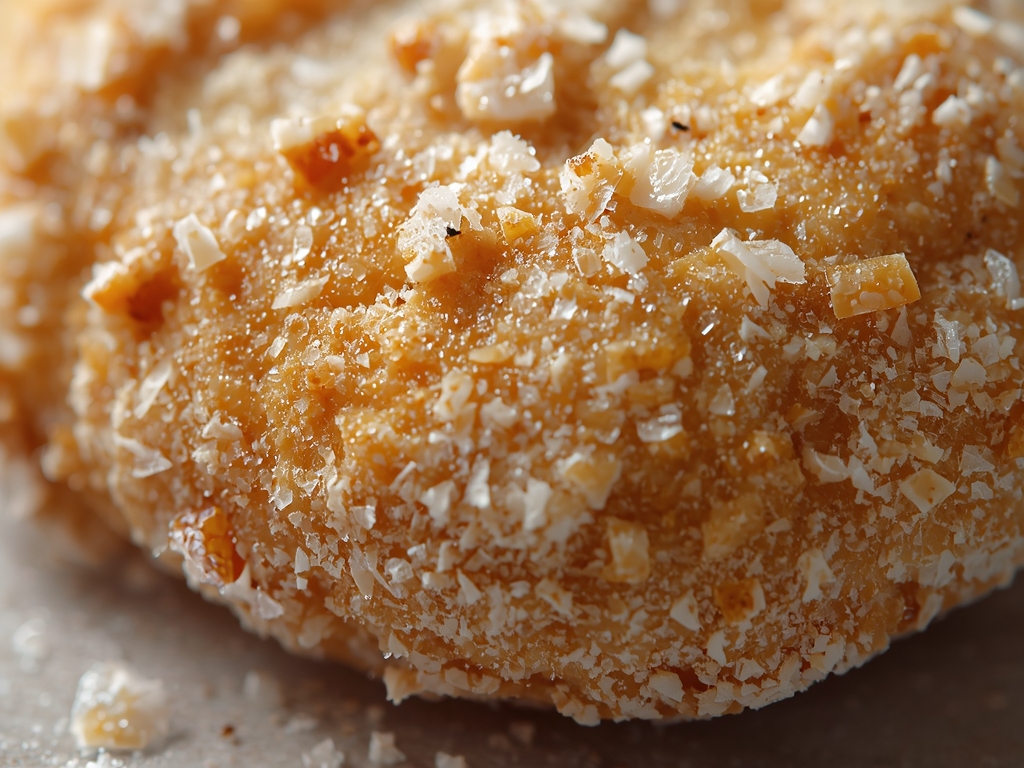
To understand why these nuggets get so weird, we have to look at the breading. Unlike standard breaded chicken, Chick-fil-A’s breading contains a decent amount of sugar and milk powder. That’s what gives it that distinct, savory-sweet blonde color and that unique flavor profile. But sugar is hygroscopic—it loves water. When the nuggets cool down, the moisture inside the meat migrates outward, seeking equilibrium. The sugar in the crust grabs that water and holds onto it.
So, you end up with a crust that is technically “fried,” but is now hydrating itself from the inside out. It’s dissolving. The congealed fat in the breading isn’t helping, either; it’s turned into a waxy barrier that traps the moisture in. When you microwave it, you add more water (steam) to the equation, which the sugar happily absorbs, turning the crust into a gel.
We need to reverse that process. We need to use dry heat to evaporate the water that the crust absorbed. We need to re-melt that solidified fat so it drains away or re-incorporates into the flour, making it crisp again. And we have to be careful because of that sugar content. Sugar burns fast. If you blast these nuggets with high heat, the sugar will carbonize before the inside is warm, leaving you with a bitter, black crust and cold chicken. We need a gentle, consistent dry heat.
The Low-Heat Air Fryer Strategy
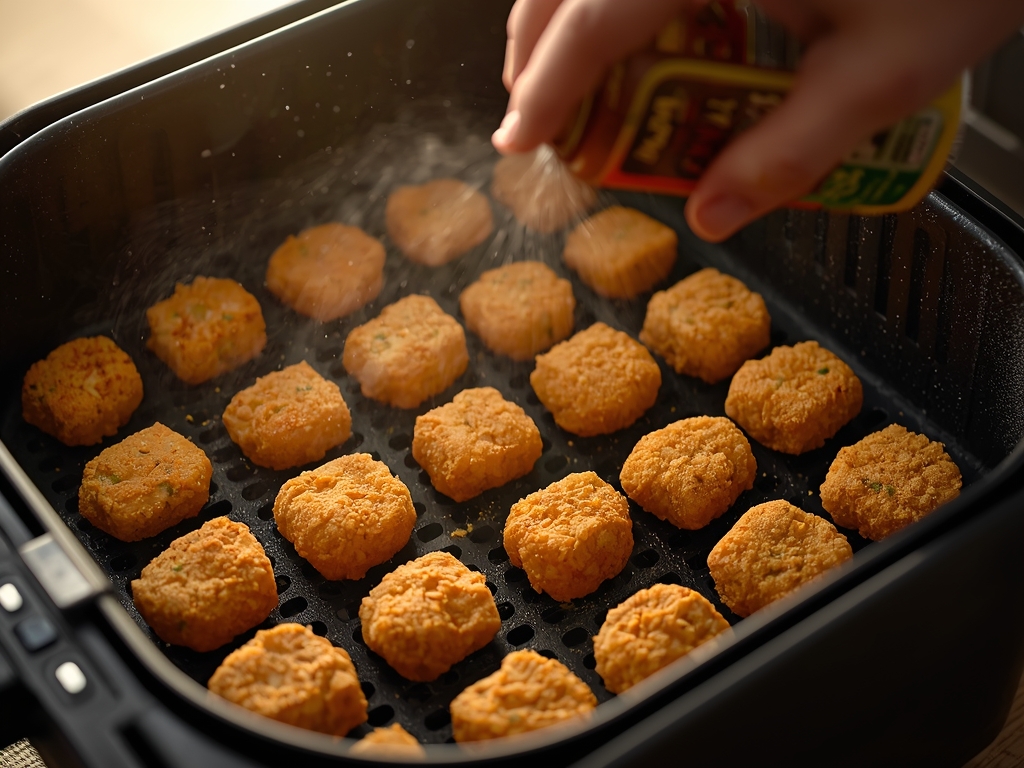
The air fryer is the undisputed champion here, but you have to fight the urge to crank it to 400 degrees. I’ve found that the sweet spot is actually lower—around 350°F (175°C). You want enough heat to create convection, to blow hot air all around the nugget, but not so much heat that it torches the sugar.
Lay the nuggets out in the basket in a single layer. Do not stack them. I know you want to reheat the whole 12-count at once, but if they are touching, they are steaming each other. The air needs to hit every square millimeter of that breading to dry it out.
Now, here is a step that feels like overkill but makes a massive difference: give them a very light spray of oil. Avocado oil or grapeseed oil is great because they have high smoke points and neutral flavors. Why add oil to fried food? Because the original frying oil has mostly been absorbed or soaked into the paper bag. The surface is dry. A tiny mist of fresh oil helps conduct the heat, rehydrates the dry flour particles, and helps them crisp up into a new shell. It mimics the fryer without the mess.
Set the timer for about 3 to 4 minutes. This is a short cook because the meat is already cooked. We aren’t trying to reach an internal temperature of 165 for safety; we’re just trying to make it hot. At the halfway mark, shake the basket. Listen to the sound. You want to hear a soft rattling, not a heavy thud. That rattling means the moisture is gone and the crust is hardening.
The Golden Window and the Smell Test
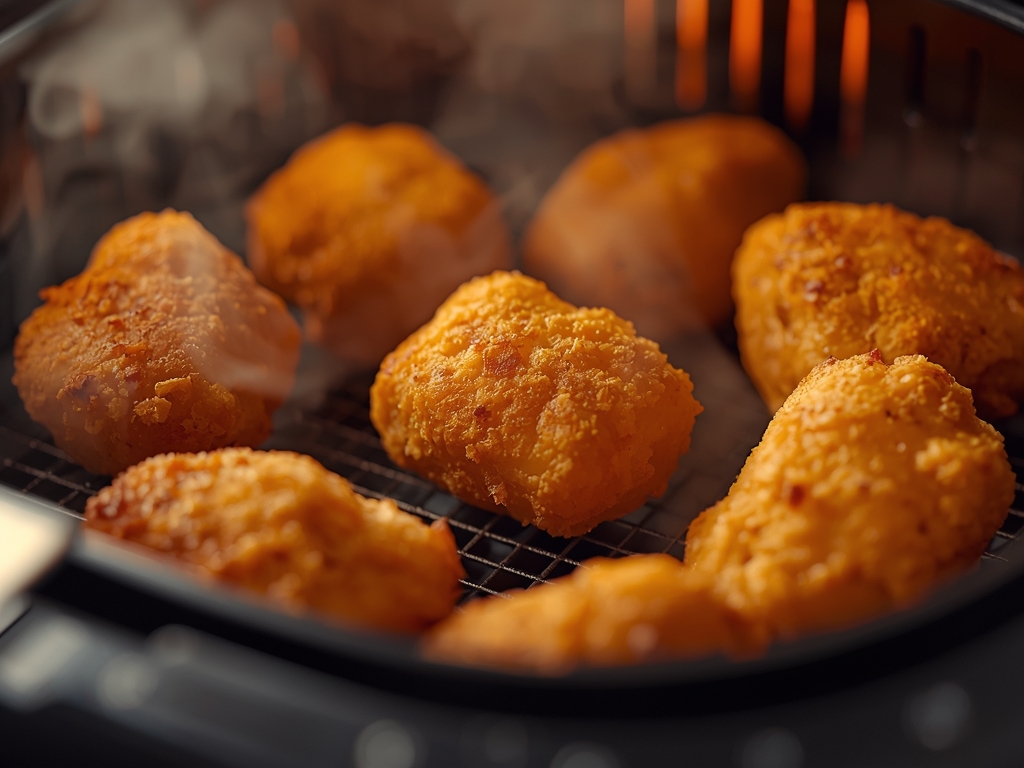
As the timer ticks down, your nose will tell you when they are done before your eyes do. You’ll start smelling that specific Chick-fil-A aroma—toasted flour, a hint of sweet pickle, and savory chicken. That’s the Maillard reaction kicking back in. The browning is returning. Open the basket and look at them. They should look like they just came out of the fryer. The color should be a deep, golden blonde, not the pale yellow of the cold leftovers, and certainly not dark brown.
Pull them out immediately. Don’t let them sit in the hot basket or they will continue to cook in the residual heat. Transfer them to a wire rack or a plate lined with a fresh paper towel. You want them to breathe. If you pile them up, the steam escaping from the bottom ones will make the top ones soggy again instantly. It’s a vicious cycle.
They should be screaming hot to the touch. Bite into one. You should hear that crunch, loud and clear. The crust should fracture and fall away, revealing the steaming, juicy meat inside. It shouldn’t be rubbery. It should be tender. The texture is 95% there. The flavor is there. But we can push it to 100% with a simple sensory trick that taps into the nostalgia of the drive-thru.
The “Fresh Packet” Seasoning Hack
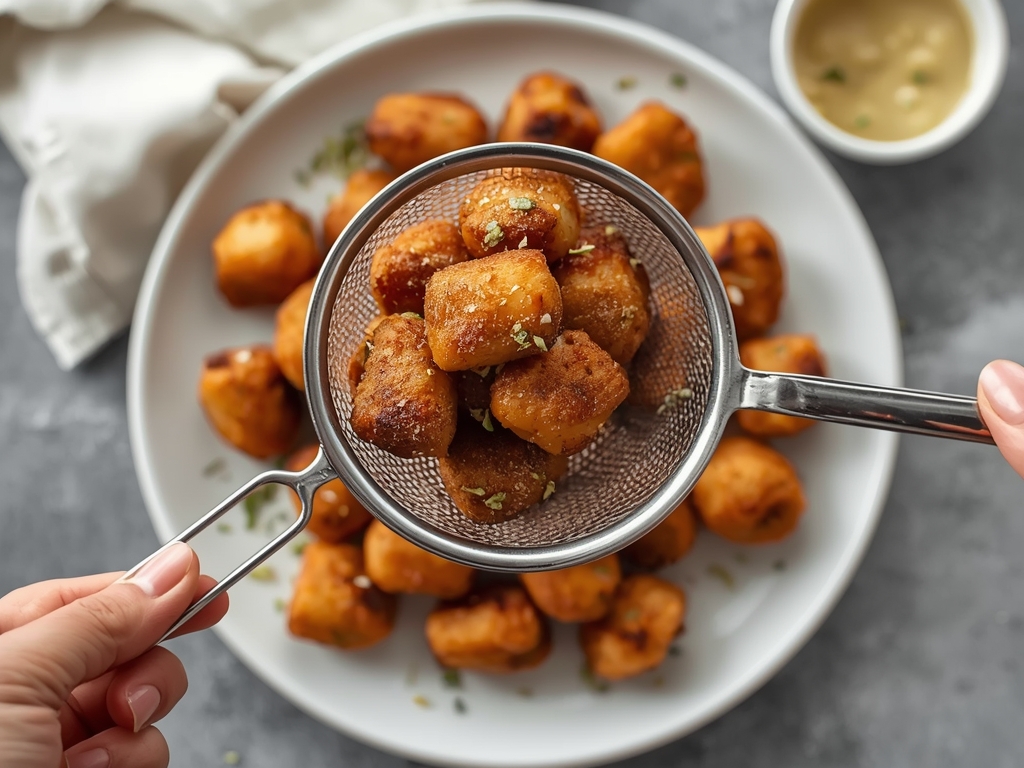
This is the upgrade that separates the reheated pros from the amateurs. It’s about the seasoning. Chick-fil-A nuggets are salty. They hit your tongue with salt and sugar. In the fridge, some of that surface salt can dissipate or get absorbed by the meat, leaving the crust tasting a little flat.
While the nuggets are in the air fryer, mix up a tiny “dusting blend” in a small ramekin. It’s just two ingredients: garlic powder and a pinch of powdered sugar. The garlic powder adds a savory depth that reheated food often lacks, and the powdered sugar highlights that sweet note in the breading without making it taste like dessert.
As soon as the nuggets come out of the fryer, while they are still glistening with oil and heat, give them a light dusting with this blend. Shake the bowl to coat them. The heat and residual oil will grab that powder instantly. It clings to the crevices in the crust. When you bite in, you get that burst of salty-savory-sweet that hits you right when you first bite into a fresh nugget. It masks any “refrigerator taste” and makes the seasoning pop again. It’s a tiny detail, but it bridges the gap between “leftover” and “I just made a run.”
And obviously, don’t forget the sauce. Cold nuggets with cold sauce is fine, but hot nuggets with cold Polynesian or Chick-fil-A sauce? That temperature contrast is the whole point. The heat of the crust melts the sauce slightly as you dip, creating a creamy, tangy glaze that clings to the crunch. You didn’t just save lunch; you engineered a comeback.
Frequently Asked Questions
Can I use the oven if I don’t have an air fryer?
You can, but it takes longer and risks drying out the meat. Set your oven to 350°F and place the nuggets on a wire rack over a baking sheet (this lets air circulate underneath). Bake for about 10 minutes. It works well, but you won’t get quite the same intensity of crunch as you do with the focused air flow of a fryer.
Is it okay to reheat them in the microwave if I’m in a huge rush? If you absolutely must, put a paper towel under them and another on top. The top towel absorbs the steam so the breading doesn’t get soggy. Heat in 20-second bursts. It won’t be crispy—it will be soft—but it’s better than eating them cold.
What if the nuggets were frozen? Actually, freezing them is a great way to stop them from getting gummy in the fridge. You can reheat them straight from frozen in the air fryer. Just add 2-3 minutes to your time and maybe lower the temp to 325°F so the outside doesn’t burn before the inside thaws. They taste remarkably close to fresh this way.

Marco covers the Reheat Pro category on TwiceTasty, focusing on reheating techniques and texture preservation. His articles help home cooks bring leftovers back to life with the right methods for every type of food — from crispy fried chicken to creamy pastas.

← Previous
Reheating Egg Rolls: Oven vs. Air Fryer
Next →
How to Revive the Broth and Noodles Separately