Follow Me On Social Media!

Thanksgiving 2026 falls on Thursday, November 26, and dinner rolls are the dish that always gets squeezed out of the schedule. The oven is full of turkey, the stove is full of sides, and the rolls — which need the oven at the exact moment everything else does — end up baked in a rush or bought from the store. Freezing solves the problem. Dinner rolls freeze well in two different forms, baked or as raw dough, and a batch frozen in early November can come out of the oven on Thanksgiving Day tasting like it was baked that morning.
This guide covers the two ways to freeze dinner rolls, which one to choose, the exact steps for each, how long they keep, how to thaw and reheat them, how to refresh stale rolls, and the mistakes that ruin frozen rolls. The freezing windows here come from King Arthur Baking’s tested methods and the general freezer guidance from FoodSafety.gov — and where sources disagree, this guide says so rather than smoothing the difference away.
The Short Answer: Yes, Two Ways
Yes, you can freeze dinner rolls — either fully baked or as unbaked dough — and both ways work well if you do them properly. Baked rolls are the simpler option: bake them, cool them, bag them, and thaw and warm them on the day. Unbaked dough is the more impressive option: shape the rolls, freeze them before they rise, and bake them fresh on Thanksgiving Day, so the house smells like fresh bread and the rolls come out of the oven hot. Either way, the freezer does the work in advance and the oven does the work on the day.
The best-quality window depends on the method. Baked rolls keep their best quality for about one month in the freezer. Unbaked dough keeps for about two weeks, because the yeast in the dough slowly loses its rising power in the freezer, and past two weeks the rolls may not rise as well. Parbaked rolls — rolls baked partway, then frozen and finished in a hot oven on the day — are the exception: King Arthur Baking’s brown and serve rolls freeze for up to six weeks, because the parbaking step sets the structure before the dough goes into the freezer. Those three numbers are the ones to plan around, and the rest of this guide explains how each method works.
Food kept at 0°F stays safe indefinitely, so none of these windows is about safety — they are about quality. A roll frozen for three months will not make anyone ill, but it will taste stale and dry, and it will not rise properly if it is dough. The FoodSafety.gov cold food storage chart makes the same distinction for every food it lists: the freezer times are for quality only. Freeze the rolls, use them within the window, and they will be worth the effort.
Freezing Baked Rolls vs Freezing Raw Dough

Freezing baked rolls is the low-effort option, and for most households it is the right one. You bake the rolls on a quiet day, let them cool completely, wrap them well, and freeze them. On Thanksgiving Day, you thaw them at room temperature and warm them in a 350°F oven for ten minutes. The total day-of work is about fifteen minutes, and the result is a warm, soft roll that is very close to fresh. The downside is that a baked roll is already fully risen and set, so it cannot get any better in the oven — it can only be warmed back up. If the roll was a little dry when you baked it, it will still be a little dry when you reheat it.
Freezing raw dough is the high-reward option. You mix and knead the dough, shape it into rolls, and freeze the rolls before they rise. On the day, you thaw them and let them rise for four to five hours, then bake them fresh. The result is a genuinely fresh-baked roll — crisp on the outside, soft in the middle, still warm from the oven — and it is the closest you can get to baking from scratch on Thanksgiving Day without actually doing the work on Thanksgiving Day. The downside is time: four to five hours of thawing and rising means you need to start in the morning, and the rolls need a warm spot in the kitchen to rise properly.
The photo at this section shows hands stretching dough, and it captures the difference between the two methods well: raw dough is alive, elastic, and full of potential, and freezing it is a way of pressing pause on that potential. Baked rolls are finished — freezing them is a way of pressing pause on freshness. Both pauses work, but they are not the same pause, and the choice between them is really a choice about what you want on the day: convenience, or the smell of fresh bread. If you want both, parbaking is the middle path — part-bake the rolls, freeze them, and finish them in a hot oven on the day, which gives you fresh-baked flavour with only ten minutes of work.
How to Freeze Baked Dinner Rolls

Bake the rolls as you normally would, and let them cool completely on a wire rack — at least an hour, and two hours is better. A roll that goes into a freezer bag while it is still warm traps steam inside the bag, and that steam turns to ice crystals on the surface of the rolls and leaves them soggy when they thaw. Cool is not a suggestion here. It is the step that decides whether the rolls come back soft or come back wet.
Once the rolls are cool, wrap them for the freezer. The best method is a double wrap: wrap the rolls tightly in plastic wrap, pressing the wrap against the surface to push out air, then put the wrapped rolls into a freezer bag and squeeze out as much air as you can before sealing. If you baked the rolls in a pan, you can freeze the whole panful together and pull the rolls apart after thawing, or you can pull them apart now and freeze them individually — individually is better, because you can thaw exactly the number you need. The photo at this section shows hands shaping dough balls, and it is a good reminder of what you are protecting: the soft, smooth surface of a well-shaped roll, which is the first thing freezer burn attacks if the wrapping is loose.
Label the bag with the contents and the date, and store it flat in the freezer if you can, so the rolls do not get crushed under heavier items. Baked rolls are delicate once they are frozen — a bag of frozen rolls under a bag of frozen soup will come out flattened — so put them on a shelf where they will not be piled on. They will keep their best quality for about one month, and they are still good for up to two or three months if they were wrapped well, though the texture will start to decline. For the wrapping method in detail, our guide to freezing bread uses the same double-wrap approach, because the enemy is the same in both cases: air reaching the bread.
How to Freeze Unbaked Roll Dough
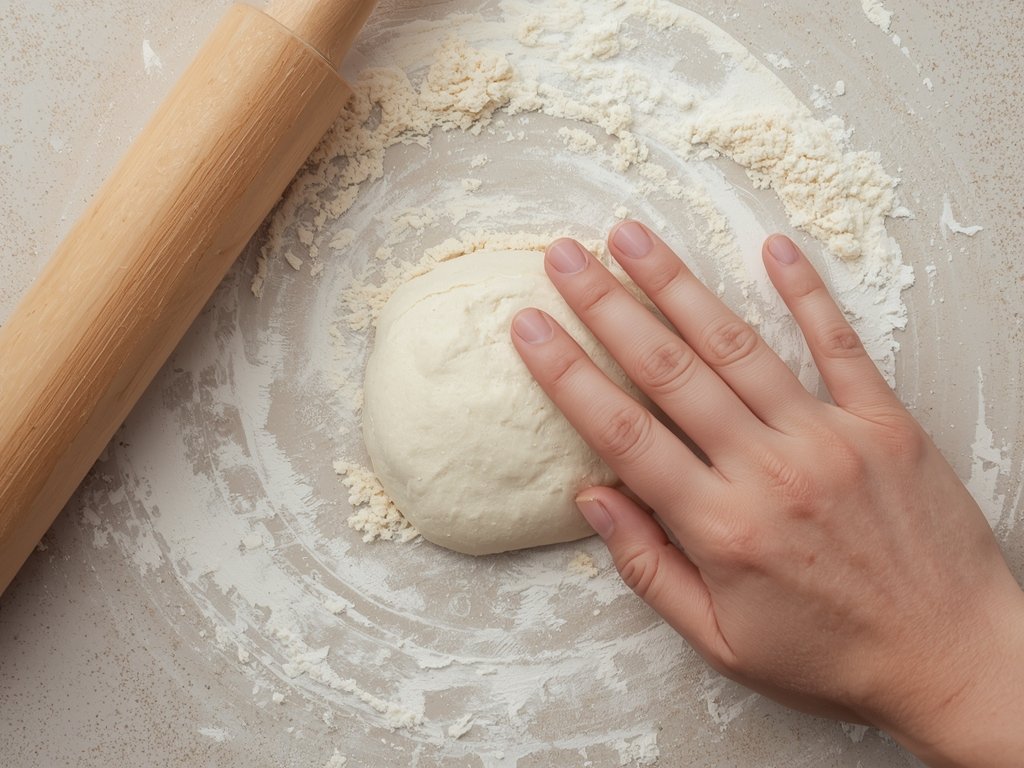
Make the dough as your recipe directs, knead it until it is smooth and elastic, and then — this is the key difference from normal baking — skip the first rise. Shape the kneaded dough into rolls straight away, place them in a greased pan or on a baking sheet, and put the whole pan in the freezer uncovered until the rolls are frozen solid, which takes about an hour. Freezing them in the pan first is important: if you bag soft, unrisen dough, it will squash together into one lump, and you will not be able to separate the rolls later.
Once the rolls are frozen hard, pull them out of the pan and transfer them to a freezer bag, pressing out the air and sealing it tightly. Label the bag with the contents, the date, and the recipe name — a bag of frozen dough balls looks the same whether it is dinner rolls or pizza dough, and the label is the only thing that tells you which is which. The photo at this section shows a hand patting a round of dough, and it is the shape you want before freezing: a smooth, tight ball, with the seam tucked underneath, so the roll holds its shape through freezing and thawing and rises into a neat dome on the day.
One adjustment matters if you plan to freeze dough for more than two or three days: increase the yeast by about twenty percent. King Arthur Baking recommends this because some of the yeast dies during freezing, and the extra yeast compensates for the loss so the rolls still rise properly. If you are freezing for only a day or two, you can skip this — but if the dough will sit in the freezer for a week or more, the extra yeast is the difference between rolls that rise and rolls that stay flat. The dough will keep for about two weeks at its best, and up to three weeks at the outside, before the yeast loses too much power to recover.
How Long Do Frozen Dinner Rolls Last?
Three different numbers apply, and it is worth keeping them straight rather than blending them into one vague answer. Baked rolls keep their best quality for about one month in the freezer. Unbaked dough keeps for about two weeks, because the yeast slowly loses strength. Parbaked rolls — baked partway, then frozen — keep for up to six weeks, according to King Arthur Baking, which developed the method specifically for make-ahead holiday baking. Those are the three windows, and they are all quality windows: food kept at 0°F stays safe indefinitely, so a roll past its window is stale, not dangerous.
The differences between the windows come from what is actually changing in the freezer. A baked roll loses moisture and picks up freezer burn, and both get worse with time. An unbaked dough loses yeast power, which is a one-way process — once the yeast is dead, no amount of thawing will bring it back. A parbaked roll has already had its structure set by the first bake, and the yeast has already done its work, so there is nothing left to lose except moisture, and the second bake drives off the moisture that accumulated. That is why parbaked rolls last the longest, and why they are the method King Arthur Baking recommends for Thanksgiving.
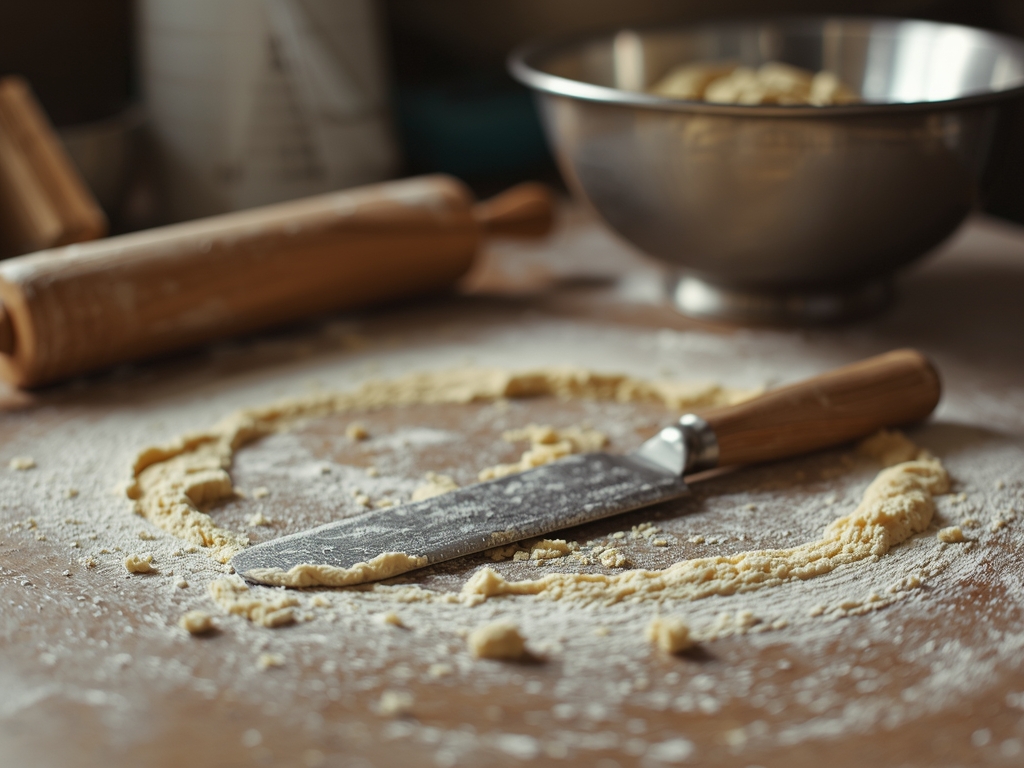
For planning purposes, work backwards from Thanksgiving Day. If you want baked rolls, bake and freeze them any time in the month before — early November is ideal, because the rolls are done and out of the way before the holiday rush. If you want unbaked dough, freeze it no more than two weeks ahead, and mark the date clearly. If you want parbaked rolls, you have six weeks, which means you can make them in mid-October and forget about them until the day. The photo at this section shows a bench scraper with dough, and it is a fitting image for the planning stage: the scraper is the tool that portions and shapes the dough, and portioning and labelling are the two habits that make freezer cooking work at all.
How to Thaw and Reheat Frozen Rolls
Thaw baked rolls at room temperature. Take as many as you need out of the freezer bag, put them on a baking sheet, and let them sit on the counter for thirty to sixty minutes, until they are soft to the touch and no longer cold in the centre. Then warm them in a 350°F oven for eight to ten minutes, until they are hot through and the tops are just starting to crisp. Brush the tops with melted butter as soon as they come out of the oven — the butter soaks in while the rolls are hot, and it is what makes a reheated roll taste like a fresh one.
Thaw unbaked dough the slow way. Move the frozen rolls from the freezer to a greased pan the night before, or early in the morning — they need four to five hours at a cool room temperature, about 65°F to 70°F, to thaw and rise. Cover the pan loosely with greased plastic wrap or a clean towel, and put it somewhere warm but not hot: on top of the fridge, near the stove, or in an oven with just the light on. Do not rush the rise with a hot oven or a microwave — the outside of the roll will thaw and start to rise while the centre is still frozen, and you will end up with rolls that are over-risen on the outside and dense in the middle. When the rolls have doubled in size, bake them as the recipe directs.
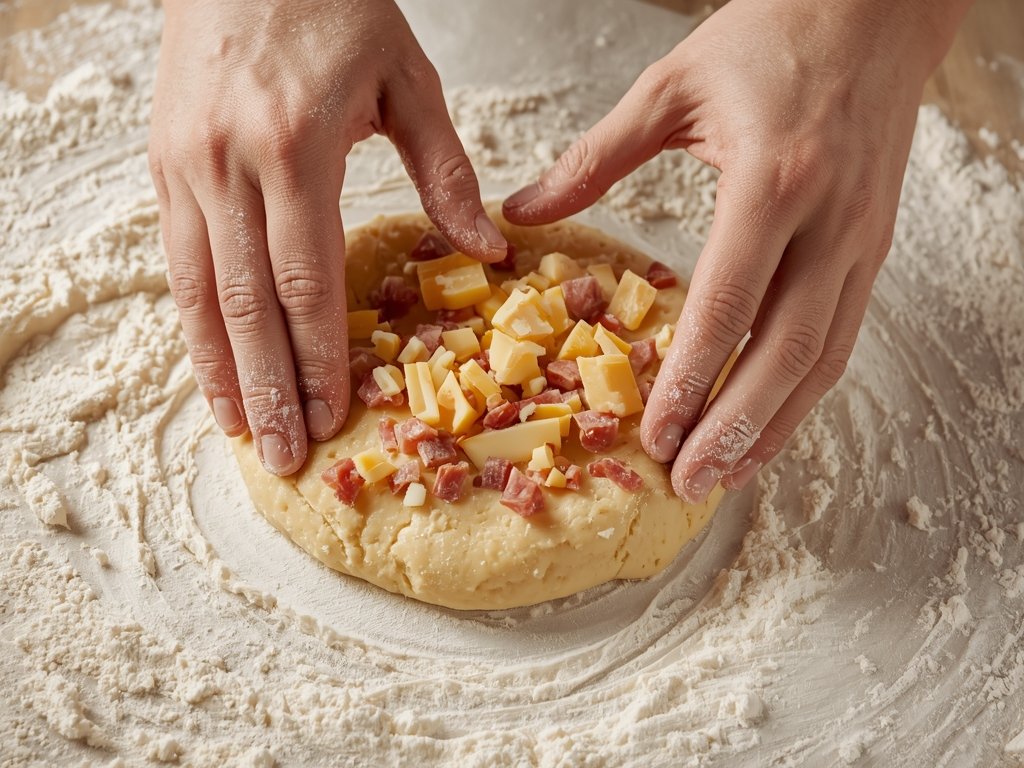
Parbaked rolls are the quickest of all: straight from the freezer into a 425°F oven for eight to twelve minutes, until they are deeply golden and the internal temperature reads about 210°F. No thawing, no rising, no waiting. The photo at this section shows hands mixing dough with cheese and herbs, and it is a good picture of the finish: a roll that comes out of the oven hot, fragrant, and ready to eat is the payoff for all the freezer work, and the butter brushed on top while it is still hot is the final touch that makes it taste like it was never frozen at all.
How to Refresh Stale or Day-Old Rolls
Not every roll problem needs the freezer. A roll that was baked yesterday and has gone a little stale can be brought back with water and heat, and the trick is almost embarrassingly simple. Run the roll briefly under the tap — just enough to dampen the crust, not soak it — and put it in a 350°F oven for five to eight minutes. The water turns to steam in the oven, the steam softens the crust and rehydrates the crumb, and the roll comes out warm, soft, and surprisingly close to fresh. It works on dinner rolls, bread rolls, and even a sliced baguette, and it is the fastest fix in this guide.
For rolls that are more than a day old, or rolls that have gone properly hard, the water trick is not enough on its own. Wrap the rolls loosely in foil with a tablespoon of water sprinkled inside the packet, and bake them at 300°F for ten to fifteen minutes. The foil traps the steam and the lower temperature gives the moisture time to work through the roll without burning the crust. Unwrap them for the last two minutes if you want the crust to crisp up again. A roll revived this way will not be as good as a fresh one, but it will be a perfectly good roll, and it is far better than throwing it away.
If the rolls are beyond reviving as rolls, do not throw them away — change their job. Stale dinner rolls make excellent breadcrumbs, croutons, and bread pudding, and they are the right base for a stuffing that needs dry bread to absorb the broth properly. Our guide to freezing leftover stuffing starts with the same idea: bread that is too stale to serve is often exactly right for cooking. And if you are planning ahead for next year, remember that the same wrapping and labelling habits that make frozen rolls work are the ones in our guides to freezing pumpkin pie and how long leftovers last in the fridge — the freezer rewards the cooks who label, and it punishes the ones who do not.
Common Mistakes That Ruin Frozen Rolls

The most common mistake is freezing warm rolls. A roll that goes into a freezer bag while it is still warm creates condensation inside the bag, and that condensation freezes into ice crystals on the surface of the rolls. When the rolls thaw, the ice melts into the crust and leaves it soggy. Always let rolls cool completely — at least an hour on a wire rack — before they go anywhere near a freezer bag. The same rule applies to dough: freeze it only once it is shaped and cold, never while it is still warm from kneading.
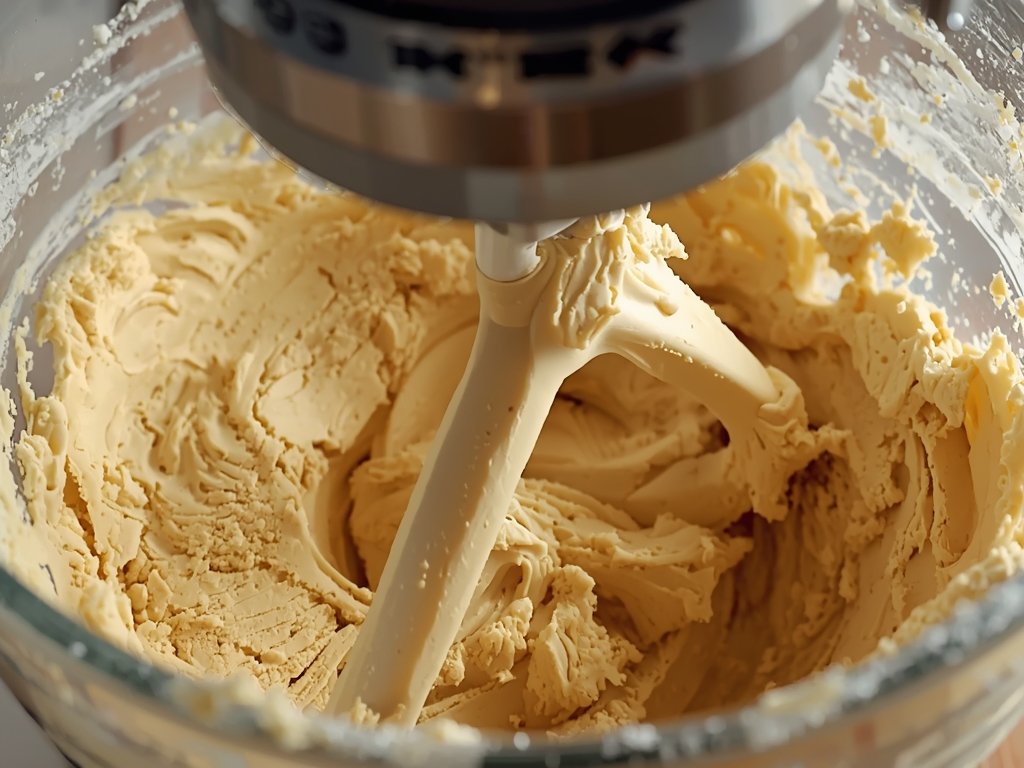
The second mistake is loose wrapping. A freezer bag with air in it is a freezer burn machine, and a roll that has been sitting in a half-empty bag for a month will come out dry, pale, and tasting faintly of everything else in the freezer. Press the air out of the bag before you seal it, double-bag if the rolls will sit for more than a few weeks, and do not use a bag that is far too big for the amount of rolls inside it. The photo at this section shows a stand mixer working dough, and it is a reminder that the mixer did the hard work — the wrapping is the easy part, and it is the part people skip.
The third mistake is thawing dough too fast. A frozen roll dough that is rushed — thawed in a warm oven, microwaved, or set in a hot spot — will rise unevenly and bake unevenly, with a dense centre and an overblown crust. Four to five hours at room temperature feels slow, but it is the time the yeast needs to wake up evenly, and there is no shortcut that does not cost you texture. The fourth mistake is refreezing: once a roll has thawed, bake it or eat it. Refreezing a thawed roll costs you another round of moisture loss, and the roll will come back noticeably worse the second time. And the final mistake, which is really a planning mistake, is freezing dough for too long — past three weeks, the yeast is mostly dead, and no amount of rising time will bring it back. The photo at this section shows a hand holding a measuring cup of flour over a scale, and it is the right image for this section: baking is measuring, and freezing is measuring too — the yeast, the time, and the temperature all have to be right.
The Bottom Line
Dinner rolls freeze well, and they freeze well in two ways: baked, for about a month, and as raw dough, for about two weeks. Parbaked rolls split the difference and last the longest, up to six weeks, with only ten minutes of oven time on the day. Baked rolls thaw at room temperature and warm in a 350°F oven; dough thaws and rises for four to five hours at room temperature and bakes fresh; parbaked rolls go straight from the freezer into a 425°F oven. Whichever method you choose, cool the rolls completely before freezing, wrap them tightly with the air pressed out, label the bag, and use them within the window.
The best method for Thanksgiving depends on what you want from the day. If you want the least work, freeze baked rolls. If you want the smell of fresh bread in the house, freeze the dough and bake it fresh. If you want both, parbake. Any of the three beats buying rolls at the last minute or trying to bake from scratch while the turkey is resting — and any of the three means the rolls are one less thing to worry about on the day that matters.

Ghani is the founder of TwiceTasty and a passionate home cook who believes no meal should go to waste. What started as a personal mission to transform leftovers into exciting new dishes has grown into a community of food lovers who share the same philosophy.

← Previous
Make-Ahead Mashed Potatoes for Thanksgiving
Next →
How to Make Turkey Stock From the Carcass