Follow Me On Social Media!

Thanksgiving 2026 falls on Thursday, November 26, and mashed potatoes are the dish that causes the most last-minute stress on the day. The turkey is resting, the gravy needs attention, the green beans are in the oven, and somebody has to peel, boil, and mash five pounds of potatoes in the middle of all of it. The fix is to make the mashed potatoes ahead of time — up to two days ahead — and reheat them on Thanksgiving Day. Done right, nobody at the table will know the difference, and the cook gets an hour of their afternoon back.
This guide covers why make-ahead mashed potatoes work, which potatoes to use, the cream cheese trick that keeps them from drying out, the exact method for making them two days ahead, how to store and reheat them, whether you can freeze them, and how to fix a batch that has gone gummy, dry, or bland. Every timing and temperature here comes from tested recipes and the USDA’s food safety guidance — not from guesswork.
Why Make-Ahead Mashed Potatoes Work
Mashed potatoes have a reputation for being a last-minute dish, and that reputation is mostly wrong. A plain bowl of mashed potatoes made with just butter and milk does dry out and stiffen as it sits, which is where the reputation comes from. But a mashed potato made with enough fat — butter, cream, and cream cheese — is a different dish. The fat coats the starch granules and protects them from drying out and from seizing up, both in the fridge overnight and in the oven during reheating. The result is a mash that holds its creaminess for two days in the fridge and reheats to something very close to fresh.
The second reason make-ahead mash works is that the flavour actually improves. Potatoes absorb salt and butter as they sit, and a mash that tastes a little under-seasoned on Tuesday will taste properly seasoned by Thursday, once the salt has had time to work through the potatoes. That is the same reason so many casserole-style mashed potato recipes — including the cream cheese casserole that The Kitchn recommends making up to two days ahead — are designed to be assembled in advance and baked on the day. The resting time is not a compromise. It is part of the method.
The third reason is the practical one, and it is the reason most people do it. Thanksgiving Day is a scheduling problem: one oven, a dozen dishes, and a turkey that owns the oven for most of the afternoon. Moving the mashed potatoes off the day-of list frees up a burner, a pot, and about forty-five minutes of the cook’s attention at the exact moment when all three are scarcest. The featured photo for this article is a split do-and-don’t image — a container in the fridge on the correct side, a foil-covered bowl on the wrong side — and it makes the point well: the difference between good make-ahead mash and bad make-ahead mash is almost entirely about storage.
The Best Potatoes for Make-Ahead Mash
Yukon Gold potatoes are the best choice for make-ahead mashed potatoes. They are naturally buttery and creamy, they hold their texture through a night or two in the fridge, and they reheat without turning gluey. Their medium starch content is the sweet spot: enough starch to mash smoothly, not so much that they go gummy when they are worked and reheated. If you can only buy one kind of potato for Thanksgiving, buy Yukon Golds.
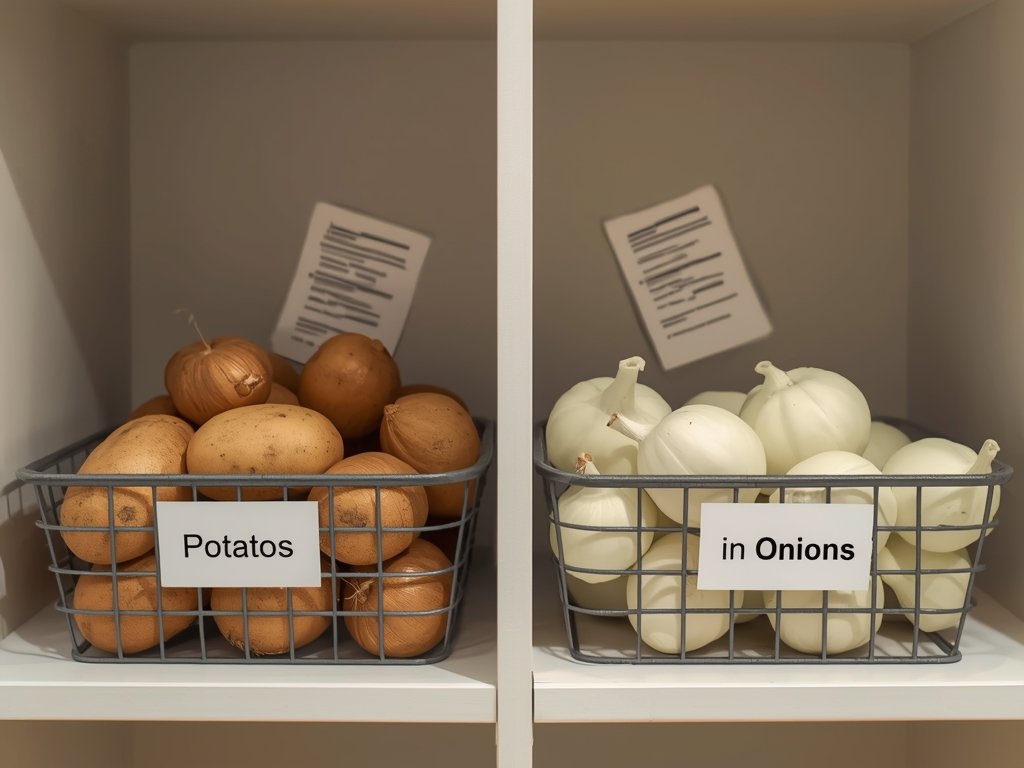
Russet potatoes are the second choice, and they are the classic mashing potato for a reason: they are fluffy, they absorb butter and cream beautifully, and they mash to a light, airy texture. Their weakness for make-ahead cooking is that they are high in starch, which means they are more likely to turn gummy if they are overworked, and they dry out faster in the fridge than Yukon Golds. If you use russets, mash them gently, be generous with the butter and cream, and do not re-mash them during reheating — stir them, do not whip them. The photo at this section shows baskets of potatoes and onions, and it is a useful reminder that the potatoes you start with decide most of the result: a waxy red potato will never mash as smoothly as a Yukon Gold, no matter how much butter you add.
What to avoid: waxy potatoes such as red potatoes and new potatoes, which stay firm and lumpy when mashed and go gluey when they are worked. They are excellent roasted and in potato salad, and they are the wrong tool for this job. Also avoid mashing with a food processor or a high-speed blender, whatever potato you use — the blades shear the starch granules and turn the mash into wallpaper paste in seconds. A hand masher or a potato ricer is the right tool, and the ricer is the better one if you want a silky result that reheats well.
The Cream Cheese Trick (and Other Add-Ins That Hold Up)
The cream cheese trick is simple: beat four to eight ounces of softened cream cheese into the mashed potatoes along with the butter. For a five-pound batch of potatoes, eight ounces is the usual amount, and it is the single most effective thing you can do for make-ahead mash. Cream cheese does three jobs at once. It adds fat, which protects the potatoes from drying out. It adds tang, which keeps a rich mash from tasting flat after two days in the fridge. And it adds body — a soft, spreadable structure that holds up to reheating far better than a mash held together by milk alone. The Kitchn’s make-ahead mashed potato casserole uses exactly this approach, and its recipe notes that the casserole can be assembled in the baking dish and refrigerated for up to two days ahead.
Sour cream does a similar job and is the other classic add-in. Two or three spoonfuls stirred into the mash add the same protective fat and a little more tang than cream cheese, and a combination of the two — cream cheese for body, sour cream for brightness — is what many cooks settle on after a few Thanksgivings. Heavy cream is the third leg: replace some or all of the milk with warmed heavy cream, and the mash will stay softer and richer after reheating, because cream has more fat and less water than milk, and water is what evaporates out of the potatoes in the fridge.
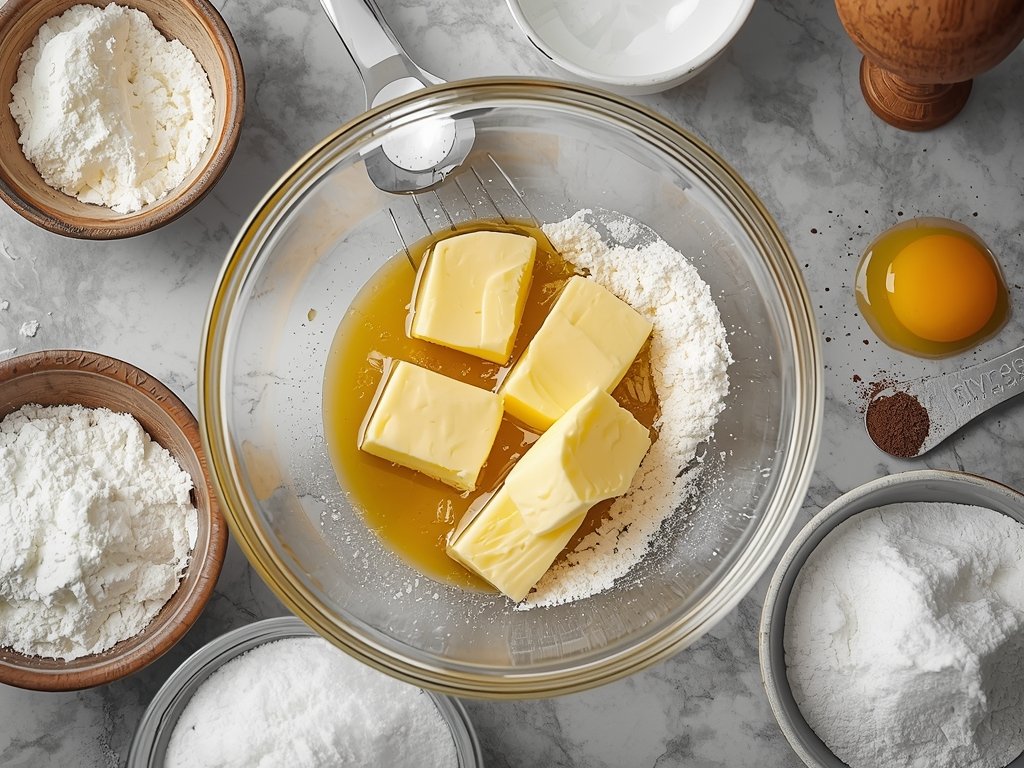
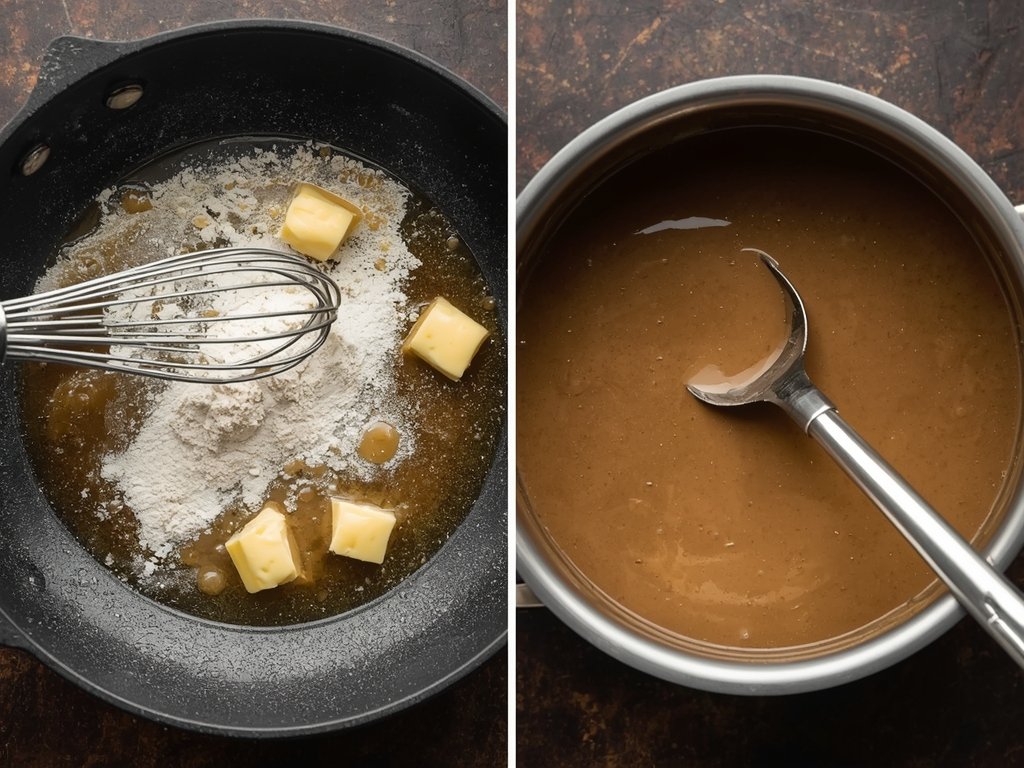
The photo at this section shows a bowl of butter cubes with flour and an egg, and it is a fair picture of the principle: the add-ins that hold up are the fatty ones. Butter, cream cheese, sour cream, and heavy cream all protect the mash. What does not hold up is the opposite approach — a lean mash made with skim milk and a little butter, which dries out and stiffens overnight no matter how carefully you store it. If you are making mashed potatoes two days ahead, be generous with the fat. This is Thanksgiving, and it is not the day to be cautious with butter.
How to Make Mashed Potatoes Two Days Ahead
Start on Tuesday for a Thursday dinner. Peel five pounds of Yukon Gold potatoes, cut them into even chunks of about two inches, and put them in a large pot with cold salted water — a tablespoon of salt for the pot. Starting in cold water matters: the potatoes heat evenly, so they cook evenly, and the outside does not turn to mush while the centre is still hard. Bring the pot to a boil, then lower the heat to a steady simmer and cook until a knife slides through the largest chunk with no resistance, usually twenty to twenty-five minutes.
Drain the potatoes thoroughly and let them steam-dry in the hot pot for a minute or two, with the lid off. This step matters more than it looks: potatoes that go into the masher still wet from the cooking water will make a watery mash, and a watery mash gets worse in the fridge, not better. While the potatoes are steaming dry, warm the butter, cream, and cream cheese together in a small saucepan over low heat. Warm dairy mixes into hot potatoes far more easily than cold dairy does, and it keeps the mash hot and fluffy instead of cooling it down mid-mash.
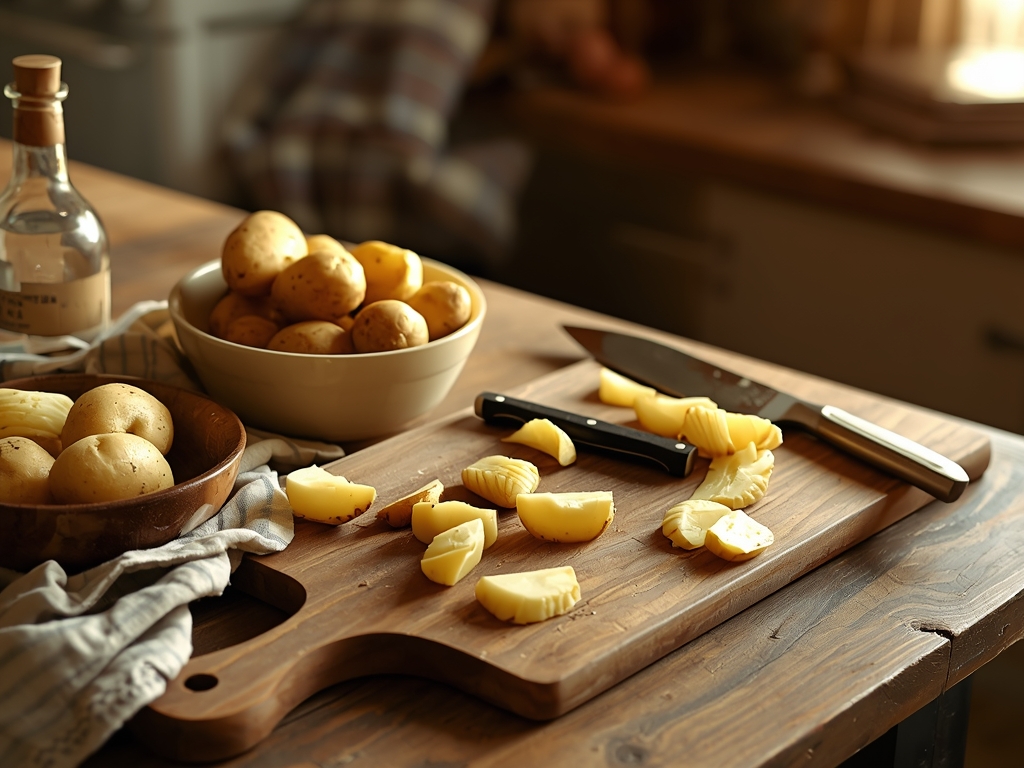
Mash the potatoes with a hand masher or a ricer, then beat in the warm butter and cream cheese mixture a little at a time, along with warm heavy cream until the mash is slightly looser than you want it on the plate. Aim for a mash that is a touch too soft, because it will firm up in the fridge overnight, and you can always stir in more warm cream during reheating. Season with salt and white pepper — white pepper keeps the mash looking clean, black pepper leaves visible flecks — and taste it. It should taste a little over-seasoned right now, because the flavour will mellow as it sits. The photo at this section shows potatoes being chopped on a board, which is where the whole process starts, and it is worth doing the chopping evenly: uneven chunks cook unevenly, and uneven cooking is how you end up with hard lumps in an otherwise smooth mash.
How to Store Mashed Potatoes in the Fridge
Transfer the finished mash into the dish you plan to reheat it in — a buttered baking dish if you are going the casserole route, or a large airtight container if you are reheating on the stove. Press plastic wrap directly onto the surface of the potatoes, so no air touches them, then cover the dish tightly with a lid or foil. The plastic-on-the-surface step is the one people skip, and it is the one that matters most: exposed mashed potato forms a dry skin in the fridge within hours, and that skin never fully disappears when you reheat it.
Cool the mash quickly before it goes into the fridge. Spread it in a shallow layer if you are using a container, and do not put a steaming-hot dish into the fridge — let it cool on the counter for thirty minutes or so first, then refrigerate it. The USDA’s two-hour rule applies here: cooked food should be refrigerated within two hours of cooking, or within one hour if the temperature is above 90°F. Mashed potatoes kept in the fridge at 40°F or below will hold for three to four days according to the FoodSafety.gov cold food storage chart, which is the same window our guide to how long leftovers last in the fridge gives for cooked leftovers generally — but for make-ahead purposes, two days is the sweet spot, and the mash is at its best when it is reheated on the second day.
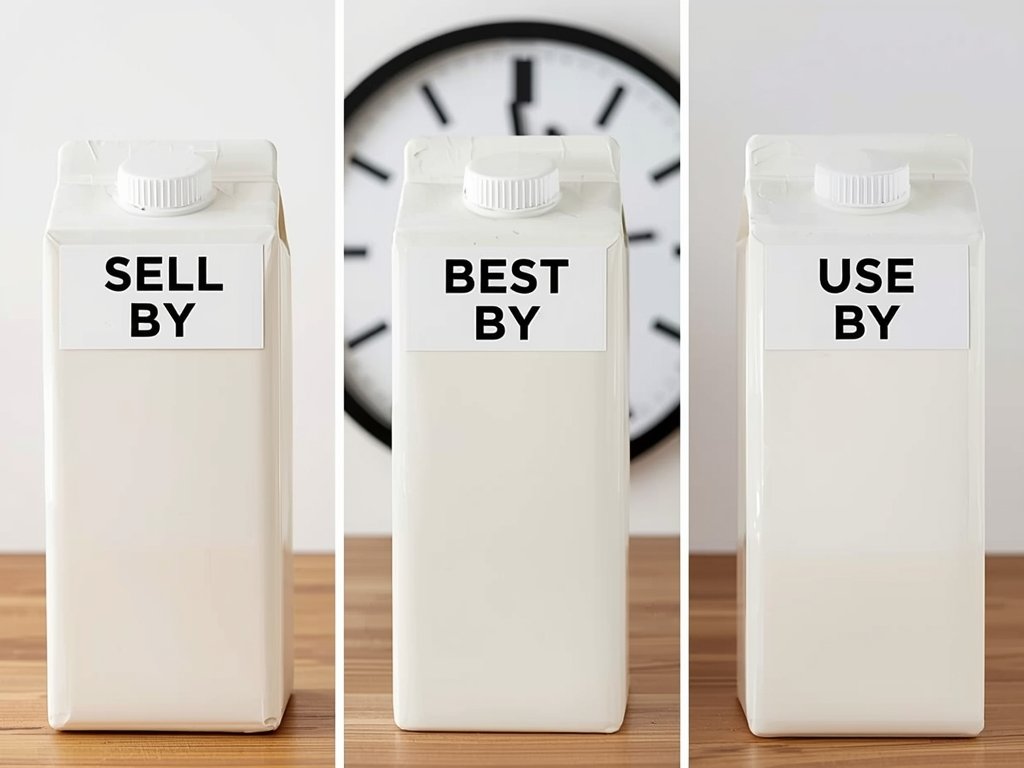
The photo at this section shows three milk cartons with sell-by, best-by, and use-by dates, and it is a useful reminder that the dates on your dairy matter as much as the date on the potatoes. The cream and cream cheese in a make-ahead mash should be well within their dates when you cook, because the mash will sit for two days before it is eaten. If the cream is already near its date on Tuesday, buy a fresh carton — it is a small detail, and it is the difference between a mash that tastes fresh on Thursday and one that tastes tired.
How to Reheat Mashed Potatoes So They Taste Fresh
The oven is the best way to reheat a full batch. Take the dish out of the fridge thirty to forty-five minutes before you plan to bake it, so it is not going into the oven ice-cold, and remove the plastic wrap from the surface. Dot the top with a few extra knobs of butter, cover the dish tightly with foil, and bake at 325°F for thirty to forty-five minutes, until the centre is hot all the way through — 165°F on a food thermometer, which is the USDA’s reheat temperature for leftovers. Stir the mash once halfway through, and again when it comes out of the oven, folding in a splash of warm milk or cream if it looks stiff. For the full method, including the slow cooker and microwave options, see our guide to reheating mashed potatoes so they stay creamy.
The stovetop is the better choice for a smaller batch. Scrape the cold mash into a heavy saucepan, add a splash of warm milk or cream, and heat it over low heat, stirring constantly with a wooden spoon. Low heat and constant stirring are the rules here: high heat scorches the bottom, and the potatoes at the bottom of the pan will burn while the top is still cold. Give it ten to fifteen minutes, add more warm cream a spoonful at a time if it tightens up, and take it off the heat as soon as it is hot through — overcooking reheated mash is what makes it gluey.
The photo at this section shows butter melting in a skillet, and it captures the moment that makes the difference: the last spoonful of butter, stirred in right before serving, is what brings a reheated mash back to life. A mash that has been in the fridge for two days will never be quite as light as one made an hour ago, but with warm cream, a knob of butter, and a good stir, it will be close enough that nobody at the table will ask when it was made — and that is the whole point of making it ahead.
Can You Freeze Mashed Potatoes?

Yes, and mashed potatoes freeze better than most people expect, because the same fat that protects them in the fridge protects them in the freezer. A mash made with butter, cream, and cream cheese will freeze well for up to a month, and it thaws in the fridge overnight and reheats the same way as a fridge-stored batch. Portion it into freezer bags, press them flat, squeeze out the air, and label them. Flat bags stack neatly, thaw faster than a solid block in a tub, and let you defrost exactly the amount you need.
There are two things to know before you freeze a batch. First, a lean mash does not freeze well — potatoes mashed with skim milk and a little butter will come back watery and grainy, because there is not enough fat to protect the starch. If you plan to freeze, make the mash rich on purpose. Second, expect the thawed mash to be slightly softer and slightly looser than fresh, and plan to stir in a spoonful of sour cream or cream cheese while you reheat it. That one addition fixes most of the texture change, and it is the same trick that makes the fridge version work. For the full freezing method, see our guide to freezing mashed potatoes.
Freezing is a good backup plan, but for Thanksgiving it is usually the wrong plan. Two days in the fridge is all you need, and the fridge version tastes better than the freezer version every time. Freeze mashed potatoes when you have leftovers after the holiday, not when you are planning ahead for it — the fridge is the right tool for the two-day window, and the freezer is the right tool for the month after.
Troubleshooting: Gummy, Dry, or Bland Mash

Gummy mash is almost always a mashing problem, not a storage problem. It happens when the potatoes are overworked — mashed too long, mashed in a food processor, or mashed with a high-speed mixer that shears the starch. The fix for a gummy batch is to stop working it and add fat: fold in a spoonful of cream cheese or sour cream, stir it in gently, and do not whip it again. You cannot un-gum a mash, but you can mask it, and a gummy mash that has been rescued with cream cheese and served hot will still be eaten happily. Next time, use a ricer, mash only until smooth, and stop the moment it looks right.
Dry mash is a storage or reheating problem. It means the potatoes lost moisture in the fridge or the oven, and the fix is warm liquid added slowly: warm milk, warm cream, or warm melted butter, a splash at a time, stirred in over low heat. Add the liquid warm, not cold — cold milk cools the mash and makes it seize up, and you will end up adding more liquid than you need and chasing the texture. A dry mash that has been properly revived with warm cream is often better than the original, because the extra fat makes it richer. The photo at this section shows an immersion blender whipping a creamy sauce, and it is a good image for the rescue: gentle, patient stirring with a little extra cream is what brings a stiff mash back, not aggressive whipping.
Bland mash is the easiest fix of all, and it is a seasoning problem. Potatoes need more salt than you think, and a mash that has sat in the fridge for two days needs its seasoning checked again before serving, because the flavour mellows as it sits. Taste the reheated mash, add salt a pinch at a time, and finish with white pepper and a knob of butter. A spoonful of sour cream or a handful of grated cheese stirred in at the end will lift a bland mash more effectively than salt alone, and if you have leftover turkey to serve it with, remember that our leftover turkey shepherd’s pie is the best use for a batch of mash that is past its best on the table but still perfectly good under a layer of turkey and gravy.
The Bottom Line
Make-ahead mashed potatoes are one of the easiest wins on the Thanksgiving table. Use Yukon Golds, mash them with butter, cream, and cream cheese, make them on Tuesday, store them in the dish you will reheat them in with plastic wrap pressed onto the surface, and reheat them at 325°F for thirty to forty-five minutes until they reach 165°F inside, stirring in warm cream if they stiffen. Two days is the window, and within that window the mash will be creamy, well-seasoned, and indistinguishable from a batch made that morning.
The real prize is not the potatoes. It is the hour you get back on Thanksgiving Day — the hour you would have spent peeling, boiling, and mashing while the turkey rested and the gravy waited. Make the potatoes on Tuesday, and on Thursday you can stand at the stove with a spoon and a knob of butter, finishing a dish that is already made, while everyone else is still scrambling. That is what make-ahead cooking is for.

Ghani is the founder of TwiceTasty and a passionate home cook who believes no meal should go to waste. What started as a personal mission to transform leftovers into exciting new dishes has grown into a community of food lovers who share the same philosophy.
