Follow Me On Social Media!

Thanksgiving 2026 falls on Thursday, November 26, and cranberry sauce is the dish that always seems to outlast everything else on the table. A standard batch of homemade sauce makes about two cups, a can of jellied sauce serves eight or more, and most households end up with at least half a container left over on Friday morning. The question is whether that leftover sauce can go into the freezer, or whether it is better to keep it in the fridge and use it up within the week.
The honest answer is that you can freeze cranberry sauce, and plenty of cooks do it every year — but the official guidance says not to, and the reason is texture, not safety. Freezing does not make cranberry sauce unsafe. What it does is change how the sauce looks and feels when it thaws. This guide explains what actually happens in the freezer, which kind of sauce holds up best, how to freeze it properly, how long it lasts, and how to fix the texture if it comes back watery.
The Short Answer: Yes, With One Catch
Yes, you can freeze cranberry sauce — homemade and canned, whole-berry and jellied. Food frozen at 0°F stays safe indefinitely, so a container of sauce in the freezer is never a safety problem. The catch is the one the USDA’s FoodKeeper app flags: it does not recommend freezing cranberry sauce because it may turn watery after thawing. That is a quality warning, not a safety warning, and it is worth taking seriously, because a sauce that was glossy and spoonable can come back thin, loose, and weeping liquid.
In practice, most food blogs that freeze cranberry sauce regularly give it a best-quality window of two to three months, and many cooks report that whole-berry homemade sauce comes back perfectly usable after that long. The difference between a good result and a disappointing one is mostly about which kind of sauce you freeze and how you pack it. A thick, whole-berry sauce made at home freezes far better than a smooth, jellied sauce from a can, and a sauce frozen in small, airtight portions thaws far better than a sauce frozen in one big tub with a lot of air on top.
So the short answer is yes, with a plan. Freeze it if you have more sauce than you can eat in the fridge window, freeze the kind that holds up, pack it well, and use it within two to three months. If you only have a few spoonfuls left, the fridge is the better home for it — homemade sauce keeps seven to ten days there, and opened canned sauce keeps one to two weeks.
What Happens to Cranberry Sauce in the Freezer

Cranberry sauce is mostly water, sugar, and pectin — the natural gelling agent in cranberries that makes the sauce set as it cools. Freezing changes all three. As the sauce freezes, the water inside it forms ice crystals, and those crystals grow larger the longer the sauce sits in the freezer and every time the temperature fluctuates. Large ice crystals push apart the pectin network that gives the sauce its body, and when the sauce thaws, the water that was locked in that network runs free instead of staying suspended. That is the weeping, the puddle of thin liquid around a sauce that used to hold its shape.
Sugar helps and hurts at the same time. On the helpful side, sugar lowers the freezing point and keeps some of the sauce from freezing rock-solid, which is part of why cranberry sauce thaws more gracefully than a plain fruit purée. On the unhelpful side, sugar draws water out of the fruit as the sauce sits, so a sauce that was already a little loose can come back noticeably thinner. Low-sugar or honey-sweetened sauces suffer the most, because they have less sugar to bind the water and a weaker gel to begin with.
The photo at this section shows glass jars of red sauce lined up on a counter, and it is a good picture of what freezing does well: the colour survives beautifully. Cranberry sauce keeps its deep red in the freezer for months, and the flavour — tart, sweet, bright — holds up far better than the texture does. What you lose is structure, not taste, and that matters for how you plan to use the thawed sauce. A sauce that has gone a little loose is still excellent stirred into yoghurt, spooned over ice cream, or cooked down into a glaze. It is only a problem if you planned to slice it into neat rounds and set it on a plate.
Homemade vs Canned: Which Freezes Better?
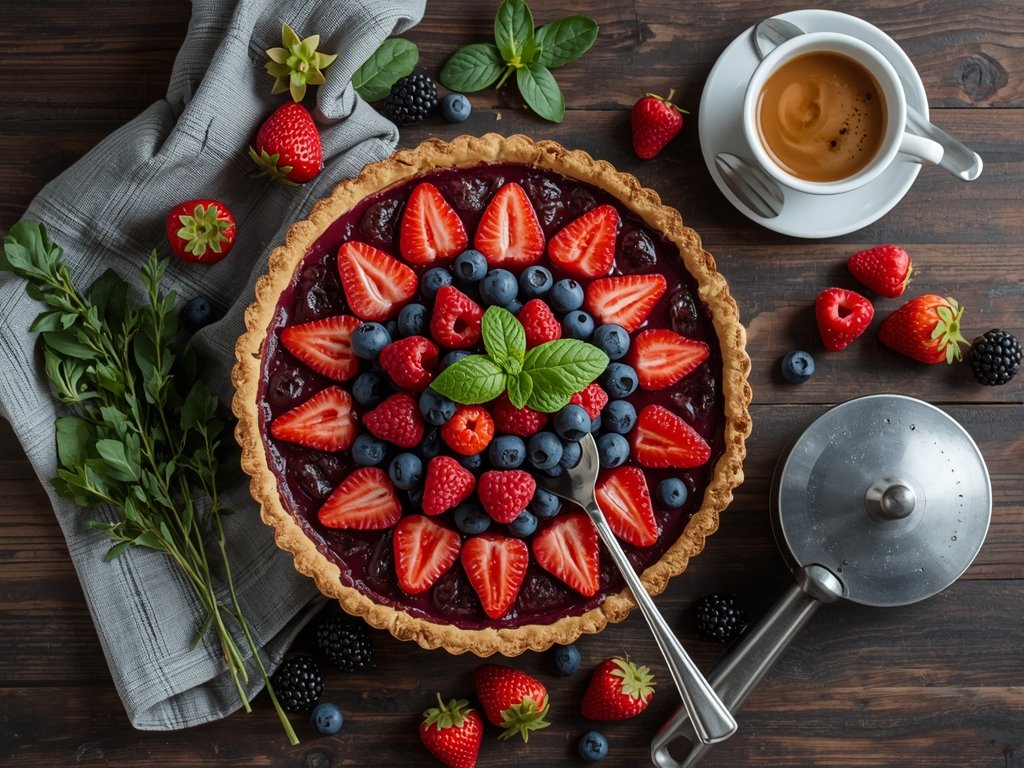
Whole-berry homemade sauce freezes best. The berries themselves give the sauce structure that survives freezing: even when the gel loosens, the softened berries keep the sauce feeling like sauce rather than syrup. A homemade whole-berry sauce made with a standard amount of sugar — roughly a cup of sugar to a bag of cranberries — will usually thaw to something very close to what went in, especially if you freeze it within a day or two of cooking it and use it within two to three months.
Jellied canned sauce is the worst freezer candidate. Its whole appeal is a firm, sliceable gel, and that gel is exactly what freezing damages. The pectin-and-gelatin structure that holds the ridged cylinder together relaxes in the freezer, and when it thaws it weeps liquid and slumps into a soft mound. It is still perfectly edible, and it still tastes like cranberry sauce, but it will not slice, and it will not look like the sauce from the can. If you freeze jellied sauce, plan to use it as a spread or a cooking ingredient, not as a centrepiece.
Homemade jellied sauce — a smooth sauce strained through a sieve — sits in the middle. It holds its shape a little better than the canned version because it was made fresh, but it is still a gel with nothing solid in it to anchor the structure, so expect some weeping. Whole-berry canned sauce, the kind with visible berries in the can, freezes about as well as homemade whole-berry sauce, which makes it a reasonable freezer candidate if you bought too many cans. The rule of thumb is simple: the more whole fruit in the sauce, the better it freezes, and the smoother and firmer the gel, the more it loses.
How to Freeze Cranberry Sauce Step by Step
Start with sauce that is completely cool. A sauce that goes into the freezer while it is still warm traps steam in the container, and that steam turns to frost on the surface and ice crystals inside the sauce. Let homemade sauce cool to room temperature on the counter, then chill it in the fridge for at least an hour. Canned sauce should go straight from the can into a freezer-safe container — never freeze cranberry sauce in the original can, because the sauce expands as it freezes and a sealed metal can can split, bulge, or leak.
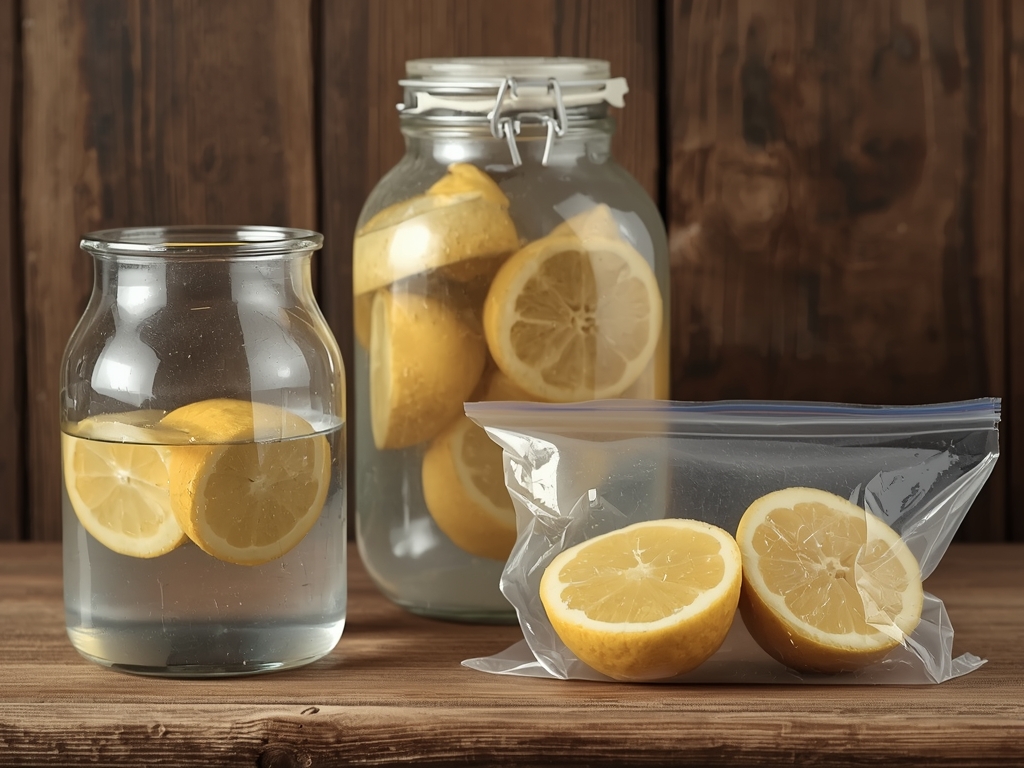
Portion the sauce before you freeze it. Small portions thaw faster, thaw more evenly, and let you defrost exactly what you need instead of thawing a whole tub for two spoonfuls. Half-cup and one-cup portions are the most useful sizes: a half-cup is about right for a sandwich spread or a glaze, and a cup covers a small bowl on the table. Ice cube trays work well for tablespoon-sized portions you can drop into drinks or sauces, and the photo at this section — lemons beside a zip-top bag — shows the flat-freeze method that works best for bags: fill the bag, press out the air, and lay it flat in the freezer so it freezes into a thin slab that stacks neatly and thaws quickly.
Choose the container with the thaw in mind. Rigid freezer-safe containers with tight lids are the safest choice for sauce, because they do not leak and they protect the sauce from absorbing smells. Leave about half an inch of headspace at the top, because the sauce expands as it freezes and a container filled to the brim will push its lid off. Freezer bags work too, and they are the better choice if freezer space is tight — just squeeze out as much air as you can before sealing, because air is what causes freezer burn, and double-bag if the sauce will sit for more than a month. Label every container with the contents and the date. Frozen cranberry sauce looks a lot like frozen tomato sauce after a month, and the label is the only thing standing between you and a surprise.
How Long Does Frozen Cranberry Sauce Last?

The honest answer is that two sources give two different answers, and both are right about different things. The USDA’s FoodKeeper app does not recommend freezing cranberry sauce at all, because it may turn watery. Food blogs that freeze it regularly give a best-quality window of two to three months, with some reporting good results up to four months for whole-berry sauce. The gap between those positions is not a contradiction: the USDA is telling you the texture may suffer, and the blogs are telling you that, texture aside, the sauce is fine to eat for a few months.
Here is how to use both answers. Treat two to three months as the practical window for sauce you plan to serve as sauce — on the table, on a sandwich, beside the turkey. Within that window, a whole-berry sauce will usually thaw to something you would happily serve. Past three months, the sauce is still safe — food kept at 0°F stays safe indefinitely — but the texture keeps declining, the colour starts to dull, and the sauce is better used cooked into something than served as it is. The FoodSafety.gov cold food storage chart makes the same distinction for leftovers in general: the freezer windows it lists are for quality only, and food stored continuously at 0°F can be kept indefinitely.
Fresh cranberries are a different story, and a much better one. The USDA gives fresh cranberries twelve months in the freezer, which is why the smartest move of all is to freeze the berries, not the sauce. If you buy an extra bag of cranberries in November, toss it in the freezer as it is, and you can cook a fresh batch of sauce in January or February that tastes exactly like the one you made for Thanksgiving. For sauce that is already made, though, two to three months is the number to plan around, and the date on the label is what keeps you honest.
How to Thaw Cranberry Sauce (and Fix the Texture)
Thaw cranberry sauce in the fridge, never on the counter. Move the container from the freezer to the refrigerator the night before you need it — a one-cup portion thaws in about eight hours, and a larger tub needs a full day. Keep the lid on while it thaws, so condensation forms on the container rather than on the sauce, and do not rush it with warm water or the microwave. A sauce thawed slowly in the fridge keeps more of its structure than one thawed quickly at room temperature, and the fridge is also the safe way to do it: perishable food should not sit at room temperature for more than two hours.
Expect some liquid when you open the container. A little weeping is normal, and the first fix is the simplest one: stir it. A few firm strokes with a spoon will often fold the separated liquid back into the sauce, and for a whole-berry sauce that is frequently all it needs. Taste it before you decide it needs more work — the flavour is usually fine, and the texture is often closer than it looks at first glance.
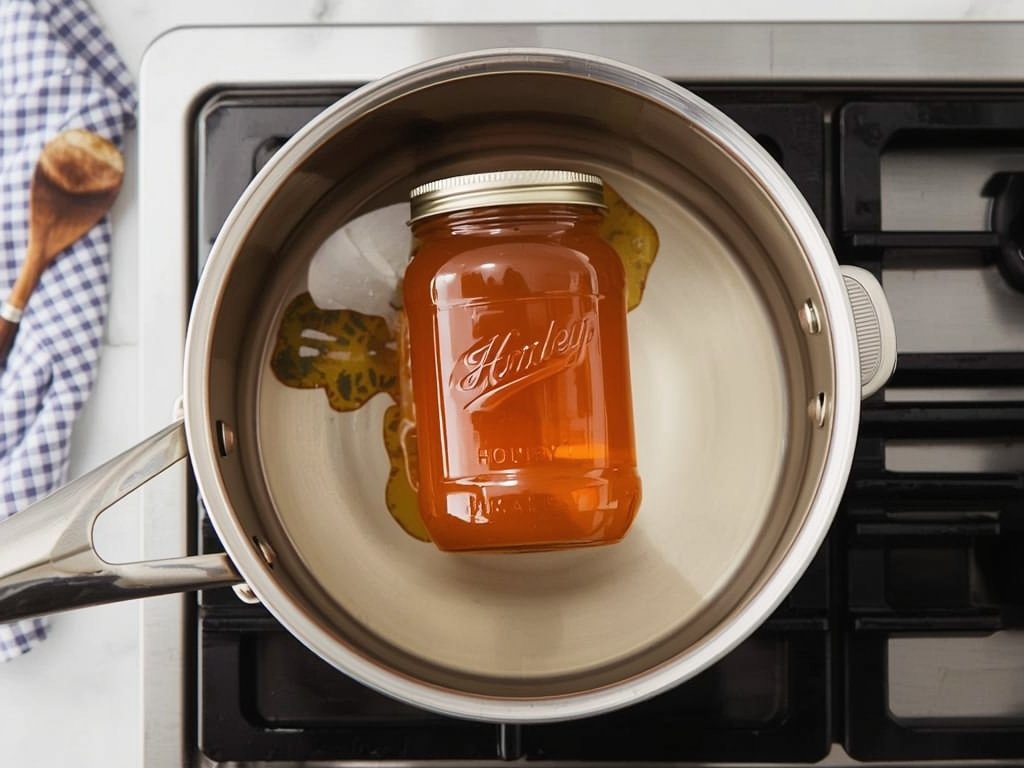
If stirring is not enough, simmer it. Pour the sauce into a small saucepan, bring it to a gentle simmer for one to two minutes, and let it cool again. The heat reactivates the pectin, the sauce thickens as it cools, and it will set up noticeably firmer than it was straight from the container. This is the fix that turns a watery thawed sauce back into something you can serve with confidence, and it works on both homemade and canned sauce. The photo at this section shows a glass jar warming in a pot of water, which is another gentle way to bring a sauce back to serving temperature — but for fixing texture, the saucepan simmer is the more reliable method, because you can see the sauce thicken as it cools.
One thing not to do: do not refreeze thawed cranberry sauce. Once it has thawed, use it within a few days or cook it into something. Refreezing costs you another round of texture damage for no benefit, and the sauce will come back thinner the second time. If you thawed more than you need, the better move is to turn the extra into a glaze, a vinaigrette, or a swirl for yoghurt, and eat it within the week.
How Long Does Cranberry Sauce Last in the Fridge?

Homemade cranberry sauce keeps seven to ten days in the fridge, according to the USDA’s FoodKeeper data. That is a generous window compared with most Thanksgiving leftovers — our guide to how long leftovers last in the fridge puts most cooked dishes at three to four days — and the reason is the sauce itself. Cranberries are naturally acidic and the sauce is high in sugar, and that combination slows down the bacteria and moulds that spoil other leftovers. An unopened can of cranberry sauce keeps for about two years in the pantry, and once opened it keeps one to two weeks in the fridge if you move it into a covered container.
Those numbers assume the sauce went into the fridge promptly — within two hours of cooking or opening — and stayed at 40°F or below in a covered container. A sauce that sat on the buffet table all afternoon, or one that was spooned from with a used knife and put back, will not last as long. Count from the day the sauce was made, not the day you noticed it in the fridge, and if it has been more than ten days, use your eyes and nose: mould, a sour or fermented smell, or a fizzy taste means it goes out, even if the calendar says it should be fine.
The fridge window is the reason freezing is a judgement call rather than an automatic habit. If you will eat the sauce within a week — on leftover turkey sandwiches, stirred into oatmeal, spooned over brie — the fridge is the better home, because the sauce keeps its texture perfectly there. Freezing only earns its keep when you have more sauce than a week can absorb, or when you want to save a batch for a holiday that is months away. The photo at this section shows a jar on a refrigerator shelf — the split image also shows a loaf pan — and it is a fair picture of the fridge’s role: a short, safe home for the sauce you will actually eat soon.
What to Do With Leftover Cranberry Sauce
The best use for leftover cranberry sauce is the one that needs no recipe at all: a turkey sandwich. Spread it on bread with leftover turkey, a little stuffing, and a smear of mayonnaise, and it does the work of both a condiment and a side dish. It is sweet, tart, and bright against rich meat, and it is the reason so many people make extra sauce in the first place. If you froze the sauce, this is also the most forgiving use for it, because a sauce that is slightly looser than fresh still spreads beautifully and nobody will notice the difference between two slices of bread.
Thawed sauce that has gone too thin for the table is still excellent cooked into something. Simmer it with a splash of orange juice and a pinch of cinnamon and it becomes a glaze for roast chicken, pork, or ham — a use that pairs naturally with our guide to freezing cooked ham, since the two leftovers often arrive together. Stir it into barbecue sauce for a sweet-tart glaze, whisk it with olive oil and vinegar for a cranberry vinaigrette, or fold it into muffin batter for a quick batch of cranberry muffins. A spoonful swirled into plain yoghurt or oatmeal turns breakfast into something that tastes deliberate rather than leftover.
For the more ambitious, thawed cranberry sauce makes a good base for a relish or a chutney. Stir in diced apple, a little minced red onion, and a pinch of chilli flakes, and you have a fresh-tasting relish that works with cheese and crackers. Cook it down with a splash of red wine and it becomes a sauce for a cheese board. And if you have a lot of it, remember that sauce freezes in much the same spirit as the dishes in our guides to freezing pumpkin pie and storing broth in the fridge vs freezer — the freezer is a tool for saving good food, not a place to hide food you have already given up on. Use the sauce within its window, and use it on purpose.
The Bottom Line
You can freeze cranberry sauce, and if you freeze the right kind in the right way, it comes back good enough to serve. Whole-berry homemade sauce is the best candidate, two to three months is the window to plan around, and small airtight portions thawed overnight in the fridge give you the best result. Jellied canned sauce will freeze and thaw safely, but it will not hold its shape, so plan to use it as a spread or a cooking ingredient rather than a sliced centrepiece. And if the thawed sauce comes back watery, stir it first, simmer it for a minute or two if stirring is not enough, and it will usually come right back.
The USDA’s FoodKeeper app advises against freezing cranberry sauce because it may turn watery, and that advice is honest — the texture can suffer. But the same app’s data gives homemade sauce only seven to ten days in the fridge, so the real choice is not between freezing and perfection. It is between freezing and throwing the sauce away, and between those two, freezing wins every time. Freeze the extra, label it, use it within a few months, and next year, freeze the berries instead.

Ghani is the founder of TwiceTasty and a passionate home cook who believes no meal should go to waste. What started as a personal mission to transform leftovers into exciting new dishes has grown into a community of food lovers who share the same philosophy.
