Follow Me On Social Media!

Thanksgiving 2026 falls on Thursday, November 26, and the pumpkin pie is usually the last thing baked and the first thing forgotten once the plates are cleared. A whole pie serves eight or so slices, and most households end up with half a pie — or a whole second pie — sitting in the fridge on Friday morning. The good news is that pumpkin pie is one of the best Thanksgiving dishes to freeze: the custard filling holds up, the crust survives if it is wrapped properly, and a pie frozen the day after Thanksgiving can still taste like it was baked that week.
This guide covers whether to freeze a pumpkin pie baked or unbaked, how to wrap a whole pie and slices, how long it keeps, what changes in texture, and the mistakes that turn a good pie soggy.
The Short Answer: Yes — Freeze It Baked, and Eat It Within a Month or Two
Yes, you can freeze pumpkin pie. Bake it first, let it cool completely, wrap it tightly in plastic wrap and foil, and freeze it flat. FoodSafety.gov gives baked pumpkin pie a freezer window of one to two months for best quality, and Food Network puts the best-quality window at about one month, noting that the pie stays safe longer but the texture declines as ice crystals and freezer burn set in. In the fridge, a baked pumpkin pie lasts three to four days. Thaw it overnight in the refrigerator — never on the counter — and do not refreeze a pie once it has fully thawed.
The two rules that matter most are cooling and wrapping. A pie that goes into the freezer while still warm traps steam inside the wrapping, and that steam turns to ice and leaves the thawed crust soggy. A pie wrapped loosely picks up freezer burn and absorbs smells from everything else in the freezer. Get those two things right and the pie comes back close to how it went in; get them wrong and no amount of careful thawing will save it.
Why Pumpkin Pie Freezes Better Than Most Pies
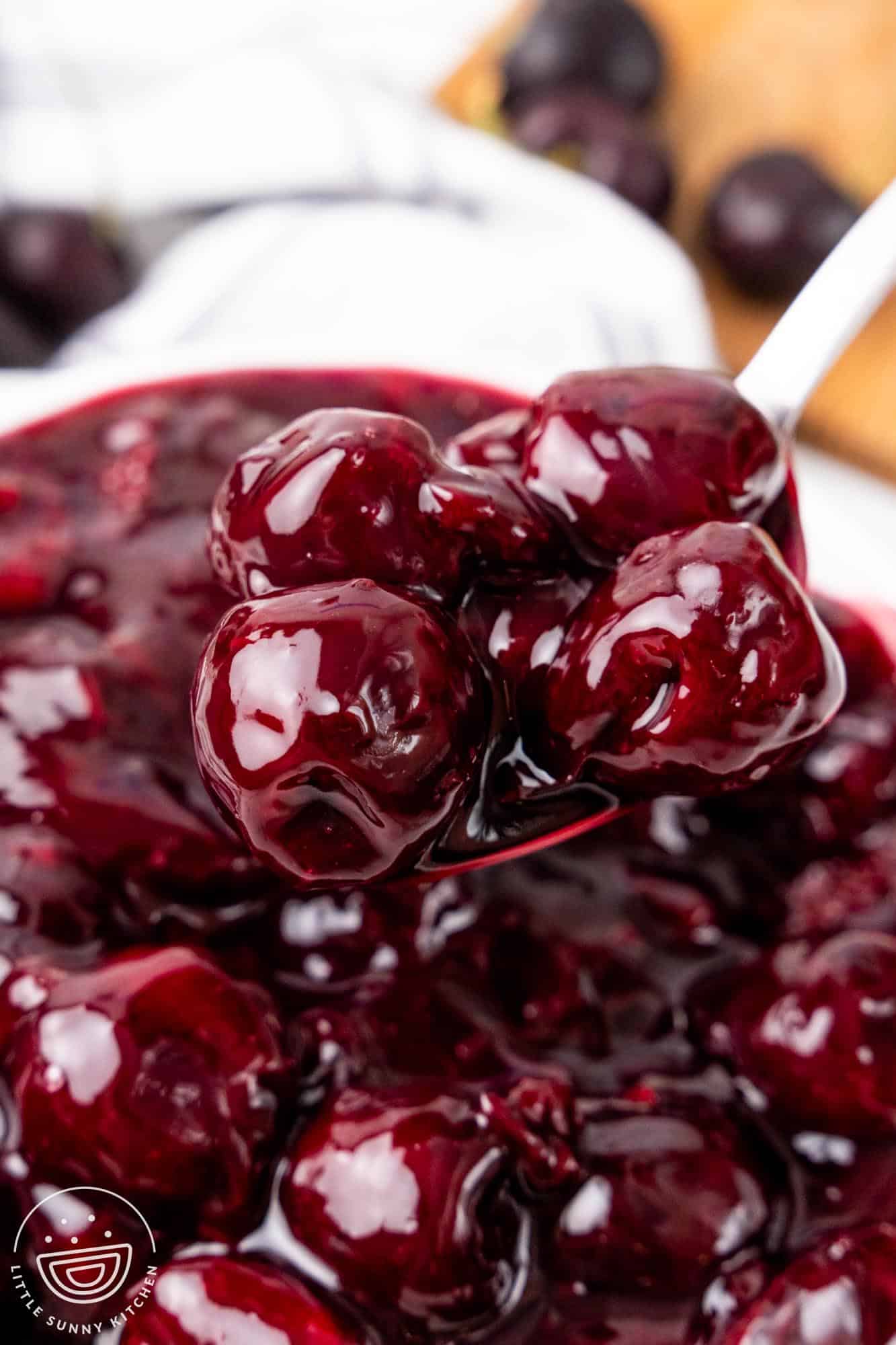
Pumpkin pie freezes well because its filling is a baked custard — eggs, dairy, and pumpkin purée set into a firm structure by the heat of the oven. Once the egg proteins have set, the filling holds its shape through freezing and thawing far better than a fruit filling, which weeps juice, or a cream pie, which separates. The pumpkin itself helps too: puréed squash is dense and low in free water compared with a juicy fruit filling, so there is less liquid available to form large ice crystals.
That does not mean freezing is free. Custard fillings can weep a little on thawing — a thin layer of moisture on the surface where the egg and dairy emulsion loosened — and the crust is the weak point. Pastry absorbs moisture from the filling over time in the freezer, so a pie frozen for a month will have a softer crust than a freshly baked one. This is a quality issue, not a safety issue: frozen food kept at 0°F stays safe indefinitely, and the one-to-two-month window is about taste and texture, not about whether the pie is safe to eat.
How to Freeze a Whole Baked Pumpkin Pie

Start with a pie that is fully baked and fully cool. A pumpkin pie is done when the edges are set and the centre has a slight, uniform jiggle; after baking, let it cool on a wire rack at room temperature until the centre is entirely cool to the touch, which takes at least two to three hours and can take four. Do not rush this step — wrapping a warm pie is the single most common cause of a soggy thawed crust.
Once the pie is cool, flash-freeze it uncovered in the freezer for about two hours, until the top layer of custard turns solid. This firms up the filling so the wrapping does not stick to it or dent the surface. Then wrap the pie tightly in two layers of plastic wrap, pressing the wrap against the surface to push out air, and finish with a layer of aluminium foil. Label the foil with the contents and the date, and store the pie flat on a level shelf — a tilted pie freezes tilted, and the filling sets unevenly. If the pie is in a disposable aluminium pan, the pan can go straight into the freezer; if it is in a glass or ceramic dish, that dish is fine too, as long as it is freezer-safe.
For extra protection, slide the wrapped pie into a large freezer bag or wrap it in a second layer of foil. The double layer is what stands between the pie and freezer burn over a month or two, and it also keeps the pie from picking up the smell of onions or anything else sharing the freezer. Our guide to freezing leftover stuffing uses the same double-wrap logic, because the enemy is the same in both cases: air reaching the food.
How to Freeze Pumpkin Pie by the Slice
Freezing by the slice is the better option when the pie is already cut, and it is the more practical option in general: you thaw exactly what you will eat, and you never have to commit to defrosting a whole pie for one serving. Cut the pie into slices while it is cold from the fridge, so the custard cuts cleanly, and wrap each slice individually in plastic wrap, then in foil, the same way you would wrap the whole pie.
Place the wrapped slices flat in a freezer bag, press out as much air as you can before sealing, and label the bag with the date. Slices freeze faster than a whole pie and thaw faster too — a single slice thaws in the fridge in a few hours rather than overnight. The same one-to-two-month window applies, and slices are slightly more vulnerable to freezer burn than a whole pie because they have more exposed surface, so the tight wrapping matters even more here. A slice that was wrapped loosely will dry out at the cut edges first, which is the part you notice in the first bite.
Can You Freeze an Unbaked Pumpkin Pie?

Yes, and sources disagree about whether you should. Michigan State University Extension says unbaked pumpkin and pecan pies freeze very well, and recommends freezing pumpkin pies before baking for the best texture — you bake the pie straight from the freezer, on a preheated baking sheet, with extra baking time. The advantage is a truly fresh-baked pie on the day you serve it, with a crust that has never been through a bake-freeze-thaw cycle.
Other sources argue the opposite: freezing a fully assembled unbaked pie risks the liquid filling soaking into the raw dough, leaving a gummy undercrust that never bakes through properly, and the raw custard can separate as it freezes and thaws. Food Network’s guidance splits the difference — freeze the filling on its own in a zip-top bag, pressed flat with the air out, and pour it into a fresh crust when you are ready to bake. The filling keeps up to five days in the freezer this way, which is a much shorter window than a baked pie, so it is a make-ahead trick for the week of Thanksgiving rather than a long-term storage plan.
The safest reading is this: if you want the best result with the least risk, freeze the pie baked. If you want a fresh-baked pie and you are freezing it within a few days of baking it, freezing it unbaked works — bake it from frozen at 425°F for 15 to 20 minutes, then lower the heat to 350°F until done, adding extra time because the pie starts at freezer temperature. Either way, do not thaw an unbaked pie on the counter; it goes straight from the freezer into a hot oven.
How to Thaw a Frozen Pumpkin Pie
Move the wrapped pie from the freezer to the refrigerator at least 24 hours before you plan to serve it. A whole pie needs a full overnight thaw; slices need a few hours. Keep the wrapping on while it thaws, so condensation forms on the wrapping rather than on the pie itself, and unwrap it only once it is fully thawed. Never thaw a pumpkin pie on the counter: the filling is an egg-and-dairy custard, and perishable food should not sit at room temperature for more than two hours.
Once thawed, the pie is ready to serve as it is, or you can warm it gently. If you want it warm, put the unwrapped pie in a 300°F oven for 10 to 15 minutes, just until the chill is off — a hotter oven or a longer time will overcook the custard and dry the crust. Whipped cream goes on after thawing, never before freezing: cream does not survive the freezer, and a pie frozen with whipped cream on top thaws into a weepy mess. If the surface looks slightly damp after thawing, blot it gently with a paper towel and serve it with whipped cream; nobody will notice.
What Changes After Freezing: Texture, Crust, and Topping
Expect three changes, and none of them is a reason not to freeze the pie. First, the crust softens. Pastry absorbs moisture from the filling during freezing and thawing, so a thawed pie will not have the crisp bottom crust of a freshly baked one. Warming the thawed pie briefly in a low oven helps the crust firm up a little.
Second, the filling may weep. A thin layer of liquid on the surface after thawing is the custard releasing a little moisture, and it is normal. Blot it, add whipped cream, and move on. Third, the spices mellow. Cinnamon, ginger, and nutmeg lose a little of their edge in the freezer, so a pie that tasted boldly spiced when baked can taste slightly muted after a month frozen. None of these changes affects safety, and all three are minor compared with the alternative — throwing the pie away.
Fridge, Freezer, and Counter: How Long Pumpkin Pie Lasts

The storage windows for pumpkin pie are straightforward, and they follow the same rules as the rest of the Thanksgiving table. In the fridge, a baked pumpkin pie lasts three to four days, matching the FoodSafety.gov cold food storage chart figure for cooked leftovers generally — and our guide to how long leftovers last in the fridge covers the same windows for everything else on the table. In the freezer, a baked pie keeps its best quality for one to two months; sources give one month as the sweet spot and two months as the outer limit for good quality. On the counter, the limit is two hours: pumpkin pie is made with eggs and dairy, so it should be refrigerated within two hours of baking.
Count the fridge days from the day the pie was baked, not from the day it went into the fridge. A pie baked on Thanksgiving Day and refrigerated that evening should be eaten or frozen by Sunday. If you are not going to eat it within that window, freeze it while it is still fresh — freezing only pauses the clock, and a pie that is already four days old when it goes into the freezer comes out four days old. Our guide to fridge versus freezer storage makes the same point for broth: the freezer preserves what is already good, it does not rescue what is already tired. And if you are freezing other Thanksgiving dishes alongside the pie, freezing cooked ham follows the same cool-completely, wrap-airtight, label-and-date routine.
Frequently Asked Questions
How long can you freeze pumpkin pie? A baked pumpkin pie keeps its best quality for one to two months in the freezer at 0°F. FoodSafety.gov gives one to two months, and Food Network puts the best-quality window at about one month. It stays safe longer than that, but the crust softens and the filling loses flavour as freezer burn sets in.
Should I freeze pumpkin pie before or after baking? After baking is the safer choice for most people: the custard is set, the structure is stable, and the pie thaws ready to serve. Freezing unbaked works too — extension services recommend it — but bake the pie straight from frozen and expect a longer baking time.
Can you freeze pumpkin pie slices? Yes. Wrap each slice individually in plastic wrap and foil, pack them flat in a freezer bag with the air pressed out, and label the bag. Slices thaw in the fridge in a few hours, and the same one-to-two-month window applies.
Can you refreeze pumpkin pie? No. Once a pie has fully thawed, do not put it back in the freezer — the texture suffers badly, and the custard spends too long in the temperature range where bacteria grow. Thaw only what you will eat.

Ghani is the founder of TwiceTasty and a passionate home cook who believes no meal should go to waste. What started as a personal mission to transform leftovers into exciting new dishes has grown into a community of food lovers who share the same philosophy.

← Previous
Can You Freeze Fresh Herbs? Which Ones Work and How
Next →
Can You Freeze Leftover Turkey Soup?