Follow Me On Social Media!

Thanksgiving 2026 falls on Thursday, November 26, and the turkey soup is what happens on Friday: the carcass goes into a pot, the leftover meat goes in with it, and by Friday evening there is a pot of soup that feeds six — except there are only two people in the house, and the pot holds twelve servings. Turkey soup is one of the best things in the kitchen to freeze, because broth, meat, and vegetables all survive freezing well, and a container of soup pulled from the freezer in January tastes like Thanksgiving came back for an evening.
This guide covers the question in full: how long frozen turkey soup lasts, what to freeze it in, how much headspace to leave, the noodle problem that ruins more frozen soups than anything else, how to thaw and reheat it safely, and what not to freeze with it. It does not repeat the soup recipe itself — our leftover turkey soup recipe is the one to cook, and this guide is about what to do with the pot once it is made.
The Short Answer: Yes — Freeze the Soup, Not the Noodles
Yes, you can freeze leftover turkey soup. Cool it completely, portion it into freezer-safe containers or bags, leave headspace for expansion, and freeze it flat. FoodSafety.gov gives soups and stews a freezer window of two to three months for best quality, and Red Table Meats’ turkey noodle soup guide gives three to four months — either way, label the container with the date and eat it within that window for the best flavour. Thaw it overnight in the refrigerator, reheat it to 165°F, and do not refreeze it once thawed. The one exception is the noodles: pasta frozen in soup goes soft and mushy, so freeze the soup base without noodles and add freshly cooked pasta when you reheat.
The three rules that matter are cooling, portioning, and headspace. Hot soup in a sealed container builds condensation, which becomes ice crystals, which become freezer burn. A single giant container means thawing the whole pot for one bowl, which wastes soup and time. And a container filled to the brim will crack or pop its lid as the soup expands in the freezer. Get those three right and the soup comes back nearly as good as the day it was made.
Why Turkey Soup Freezes So Well
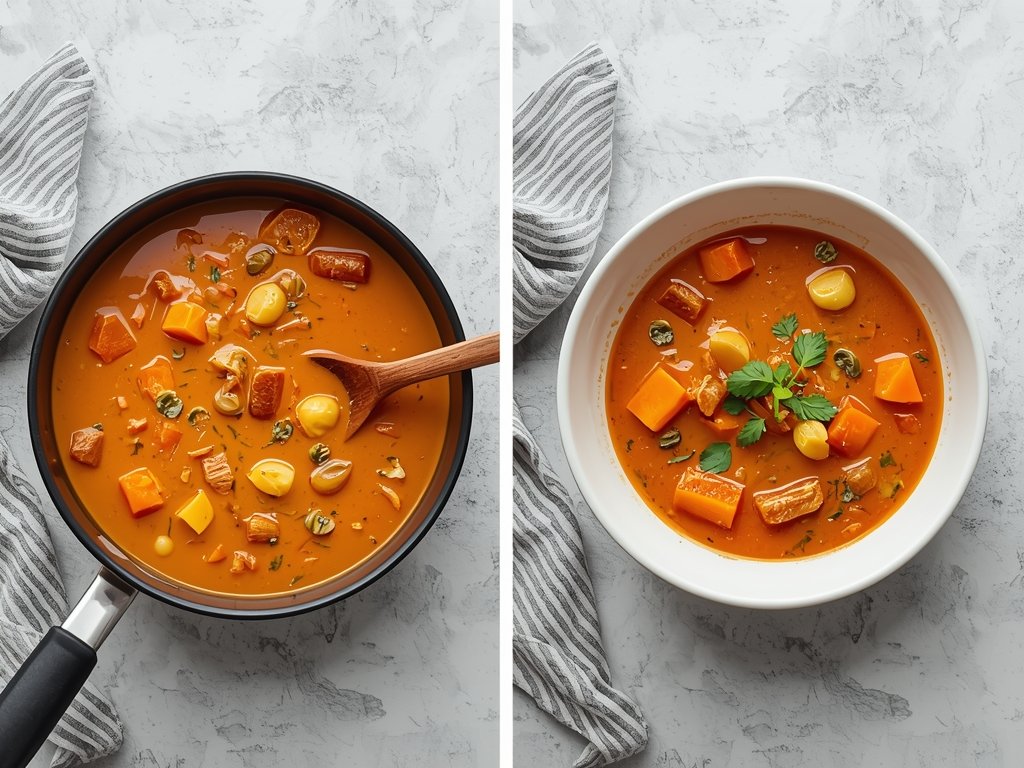
Turkey soup freezes well because its main ingredients are all freezer-friendly. Broth is mostly water with dissolved flavour, and it freezes and thaws without changing. Cooked turkey meat, kept in broth, is protected from drying out by the liquid around it — the same reason a turkey leg frozen in gravy comes back better than a turkey leg frozen bare. Root vegetables like carrots and celery soften a little but hold their shape, and potatoes, while they can go slightly grainy, are acceptable in a soup where they are already soft.
The ingredients that do not freeze well are the ones that are already delicate: pasta, rice, and dairy. Pasta absorbs liquid and turns mushy. Rice does the same, though less dramatically. Cream or milk added to a soup before freezing can separate and curdle on reheating. The pattern is consistent — anything that is already soft and starchy gets softer, and anything with a delicate emulsion breaks. A plain turkey and vegetable soup in broth is close to the ideal freezer food; a creamy turkey noodle soup needs to be frozen in parts, which is what the sections below cover.
How Long Frozen Turkey Soup Lasts
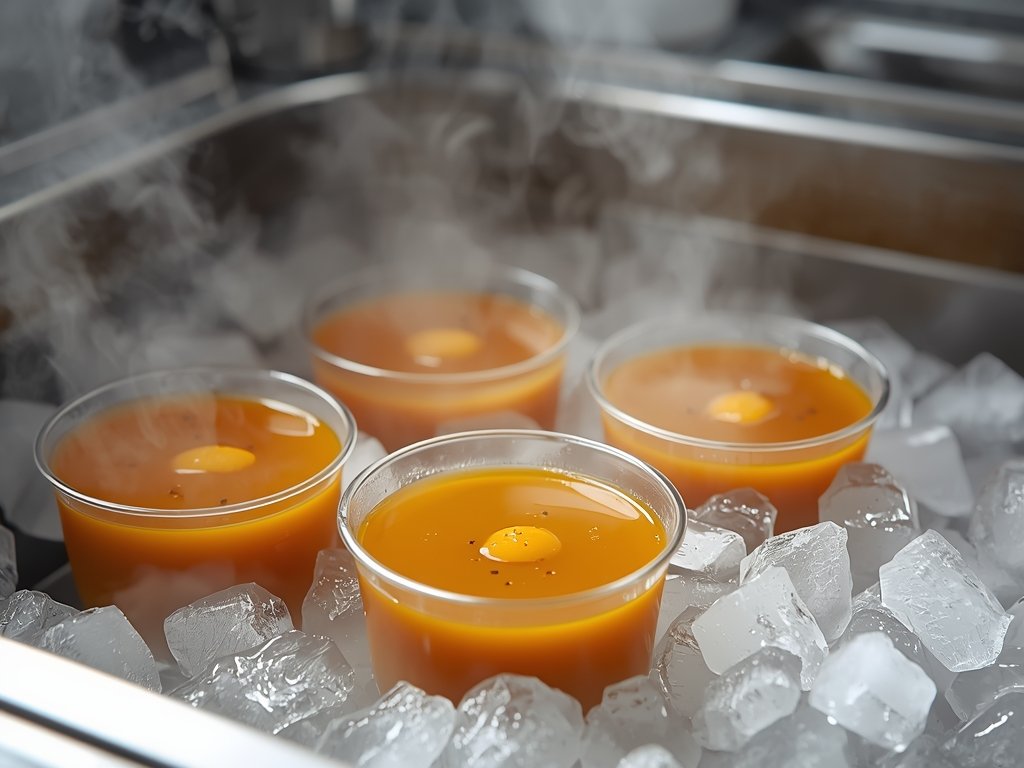
The freezer window for turkey soup depends on which source you ask, and the honest answer is a range. FoodSafety.gov gives soups and stews two to three months in the freezer for best quality, and other guides give three to four months. The difference is about quality, not safety: frozen food kept at 0°F stays safe indefinitely, and the months given are the period during which the soup still tastes like itself. After that window the soup is still safe to eat, but the vegetables soften further, the turkey dries out, and freezer burn sets in.
In the fridge, the window is much shorter: three to four days, matching the FoodSafety.gov cold food storage chart figure for cooked leftovers and for soups and stews. Our guide to storing leftover soup covers the same fridge window in detail. Count the fridge days from the day the soup was cooked, not from the day it went into a container, and freeze anything you will not eat within four days — freeze it on day two or three, while it is still fresh, rather than on day four, when it is already tired. Freezing only pauses the clock; it does not turn it back.
Containers and Headspace: What to Freeze It In

Use containers made for the freezer: rigid plastic containers with tight lids, glass containers rated freezer-safe, or heavy-duty freezer bags. Avoid thin takeaway tubs and single-use containers, which crack at freezer temperatures and let air in. Freezer bags are the best choice for storage space — lay them flat in the freezer and they stack like books — but they need to be sealed carefully, with as much air pressed out as possible, and they should be double-bagged if the soup will be in the freezer for more than a month.
Leave headspace in every container. Soup expands as it freezes, and a container filled to the brim will crack, pop its lid, or push soup out into the freezer. Leave about an inch of headspace in a rigid container, and leave a similar gap at the top of a freezer bag, pressing the air out before sealing. Label every container with the contents and the date — “turkey soup, Nov 27” — because a frozen container of brown liquid looks like every other frozen container of brown liquid by January, and the date is what tells you whether it is inside its window. Portion the soup into single-meal amounts rather than one big container: thawing only what you need means the rest stays frozen and safe, and a small container thaws in hours rather than a day.
How to Freeze Turkey Soup Step by Step

First, cool the soup quickly. Leave the pot on the counter until it stops steaming, then move it to the fridge to finish cooling — or set the pot in a sink of cold water and stir it occasionally, which cools a large pot far faster than the fridge alone. The two-hour rule applies: get the soup from hot to cold within two hours of cooking, and never leave a pot of soup on the counter overnight. Cooling quickly matters for safety, and it matters for quality too: soup that cools slowly spends longer in the temperature range where bacteria grow, and it also goes into the freezer warmer, which raises the temperature of everything around it.
Once the soup is cold, portion it into containers, leave the headspace, seal, and label. If you are using freezer bags, set them flat on a baking sheet in the freezer until they are solid, then stack them upright like files — this saves space and makes the soup easy to find. If you are freezing the soup with the intention of adding noodles later, freeze the broth, turkey, and vegetables together and keep the noodles out entirely. Our guide to fridge versus freezer broth storage covers the same cooling and portioning logic for plain stock, and the soup in this guide is built on the same base — if you made your stock from the carcass, our guide to making stock from a carcass uses the same principles for chicken.
The Noodle Problem: Pasta in Frozen Soup

Noodles are the single biggest cause of disappointing frozen turkey soup. Pasta absorbs liquid as it sits, and freezing and thawing accelerates that: the noodles soak up broth, swell, and turn soft and crumbly when reheated. A turkey noodle soup frozen with the noodles in it comes back as a thick, starchy porridge with no broth left to speak of. The same problem applies to rice, though rice holds up slightly better than pasta.
There are three ways to handle it. The best is to freeze the soup without noodles and cook fresh pasta when you reheat — boil the noodles separately, drain them, and add them to the hot soup just before serving. The second is to freeze the noodles separately, in their own bag, and add them to the reheated soup at the end. The third, if you must freeze the soup with the noodles in it, is to undercook the noodles slightly before freezing, so the reheating finishes the cooking rather than overcooking them — and even then, expect them softer than fresh. Our guide to freezing cooked pasta covers the same undercook-and-freeze logic in detail, and it is worth reading before you freeze a noodle soup. The same logic applies to dumplings and gnocchi: freeze them separately, or leave them out.
How to Thaw and Reheat Frozen Turkey Soup
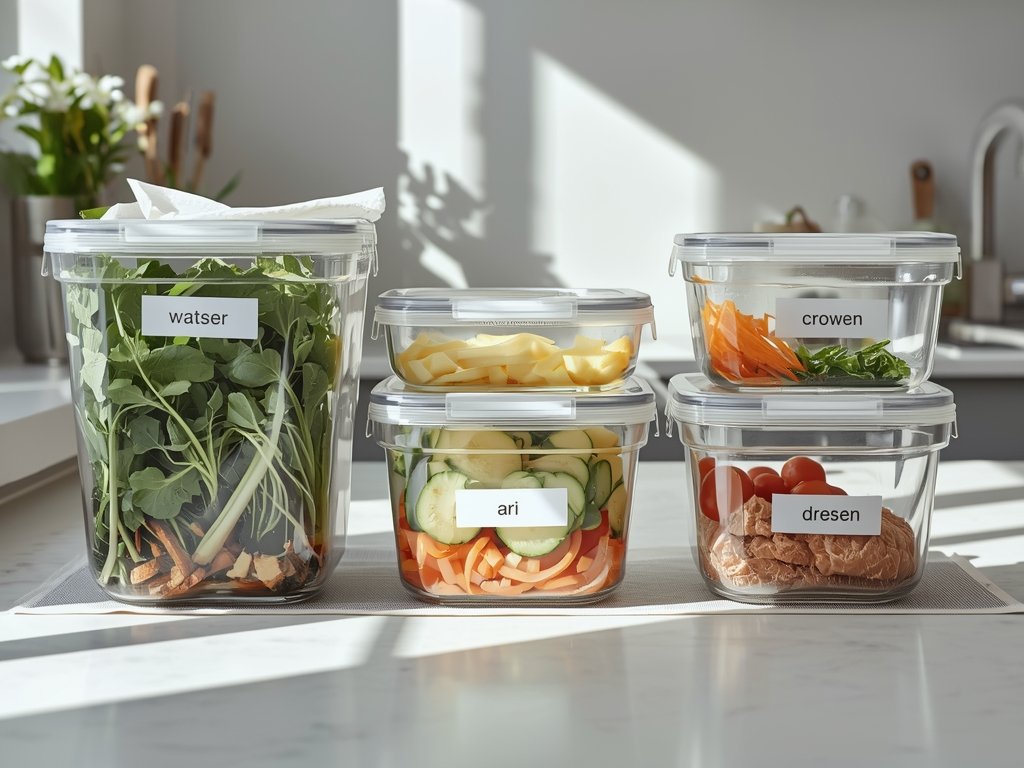
Thaw frozen turkey soup in the refrigerator overnight. Move the container from the freezer to the fridge the evening before you want it, and let it thaw slowly — a single-meal container thaws in a few hours, a larger one needs a full night. For faster thawing, place a sealed bag or container in a bowl of cold water, changing the water every 30 minutes; this thaws soup evenly in one to two hours. Never thaw soup on the counter, and never thaw it in hot water.
Reheat the thawed soup gently on the stovetop over medium-low heat, stirring occasionally, and bring it to a rolling boil — the USDA guidance for reheating leftovers is 165°F, and soup brought to a boil has passed that comfortably. If you are reheating from frozen without thawing, that works too: put the frozen block in a saucepan over low heat with the lid on, stir as it melts, and bring it to a boil. It takes longer, but it is safe as long as the soup reaches a full boil. Add freshly cooked noodles at this stage, after the soup is hot. Do not reheat the soup twice, and do not refreeze soup once it has been thawed and reheated — reheat only the portion you will eat, and keep the rest frozen.
What Not to Freeze With the Soup

Some ingredients should never go into the freezer with the soup. Cream and milk separate and curdle on reheating, so add them fresh after thawing, not before freezing. Fresh herbs lose their flavour and turn dark — freeze the soup without them and add fresh herbs when you serve. Potatoes can go grainy and watery after freezing, so if your soup has a lot of potato, expect a softer texture on reheating, or leave the potato out and add freshly cooked potato when you reheat. Fried toppings, croutons, and crackers go in the bin if they are frozen with the soup; they turn to mush.
The same rule applies to anything added for texture at serving time: a squeeze of lemon, a spoonful of sour cream, a handful of grated cheese, or a drizzle of hot sauce all belong in the bowl, not in the freezer container. Freeze the base — broth, turkey, and vegetables — and finish the soup fresh when you reheat it. That is the difference between a soup that tastes like it was cooked yesterday and a soup that tastes like it was frozen a month ago. And if the soup has been in the freezer for more than three or four months, use it in a cooked dish rather than serving it as a plain bowl — the flavour is still there, but the texture benefits from being part of something bigger.
Frequently Asked Questions
How long can you freeze turkey soup? FoodSafety.gov gives soups and stews two to three months in the freezer for best quality, and some guides give three to four months. The soup stays safe longer than that at 0°F, but the vegetables soften and the flavour fades, so eat it within the window for the best result.
Can you freeze turkey noodle soup? Yes, but freeze the soup base without the noodles. Pasta frozen in soup absorbs the broth and turns mushy when reheated. Cook fresh noodles when you reheat, or freeze the noodles separately and add them at the end.
How do you thaw frozen turkey soup? Overnight in the refrigerator is the safest way. For faster thawing, put the sealed container in a bowl of cold water and change the water every 30 minutes. Never thaw soup on the counter or in hot water.
What temperature should reheated turkey soup reach? Bring it to a rolling boil on the stovetop, which is above the 165°F the USDA gives for reheating leftovers. Stir as it heats so the temperature is even throughout, and add noodles or cream only after it is hot.

Ghani is the founder of TwiceTasty and a passionate home cook who believes no meal should go to waste. What started as a personal mission to transform leftovers into exciting new dishes has grown into a community of food lovers who share the same philosophy.
