Follow Me On Social Media!

You roasted a big tray of vegetables, the meal is over, and the fridge holds a container of carrots, broccoli, and sweet potatoes that nobody is going to eat cold tomorrow. The question is whether the freezer can save them — and the honest answer is yes, with conditions. Roasted vegetables freeze well enough to be worth saving, but they never come back exactly as they were: the crisp edges soften, some vegetables go mushy, and the ones that survive best are the ones that were firm to begin with. This guide covers which vegetables freeze well and which do not, how to pack them so they do not turn into a solid block, and how to reheat them so they come back as close to roasted as a frozen vegetable can get.
The Short Answer: Yes — Firm Vegetables Freeze Well, Soft Ones Go Mushy
Yes, you can freeze roasted vegetables. The ones that freeze best are the firm, dense ones: carrots, sweet potatoes, butternut squash, parsnips, and Brussels sprouts hold their shape and flavour after freezing and reheating. The ones that go mushy are the soft, watery ones: courgettes, aubergines, mushrooms, and tomatoes lose their structure in the freezer and come back soft, no matter how you pack them. Broccoli and cauliflower sit in the middle — they freeze acceptably if they were roasted until just tender rather than soft, and they are best used in soups, pastas, and stir-fries after thawing rather than served on their own.
The method matters as much as the vegetable. Cool the vegetables completely, spread them in a single layer on a baking sheet, and freeze them for one to two hours before packing them into bags — this flash-freezing step stops them clumping into a block, so you can take out a handful at a time. Squeeze the air out of the bag, label it with the contents and the date, and lay it flat in the freezer. Reheat them from frozen in a hot oven or an air fryer, in a single layer, and they will re-crisp far better than they would in a microwave.
Which Vegetables Freeze Well — and Which Go Mushy

Start with the winners. Carrots are the best of the lot: their dense flesh and low water content mean they freeze and reheat with barely any change in texture, and roasted carrots come back sweet and firm. Sweet potatoes and butternut squash are nearly as good — they soften a little, but they are soft vegetables anyway, and their flavour survives freezing completely. Parsnips behave like carrots. Brussels sprouts hold up if they were roasted until crisp on the outside; halved sprouts freeze better than whole ones, because they thaw and reheat more evenly. Green beans, roasted until just tender, freeze acceptably, though they lose their snap.
Then the ones to avoid. Courgettes and summer squash are mostly water, and freezing turns their cell walls to mush — thawed courgette is limp and watery, and no reheating method fixes it. Aubergine is the same: it was soft before freezing and it is softer after. Mushrooms go rubbery and dark. Tomatoes collapse entirely, though they are still usable in a sauce. Onions and peppers are a special case: they freeze fine raw, and roasted peppers freeze better than roasted onions, which turn soft and translucent.
Why Roasted Vegetables Are Different From Raw Ones

Raw vegetables are blanched before freezing, and the reason is enzymes. The National Center for Home Food Preservation explains that blanching — a short dip in boiling water, then ice water — stops the enzyme actions that cause loss of flavour, colour, and texture in frozen storage, and it warns that underblanching stimulates the activity of enzymes and is worse than no blanching at all. The published water-blanching times are short and specific: green beans three minutes, broccoli florets three minutes, sliced carrots two minutes, shredded cabbage a minute and a half. Steam blanching takes about one and a half times longer than water blanching, and the Center does not recommend microwave blanching, because research shows some enzymes may survive it.
Roasted vegetables skip blanching entirely, because roasting has already done the enzyme work: the heat of the oven stops the enzymes in the same way boiling water does. That is also why roasted vegetables freeze for a shorter best-quality window than properly blanched raw ones. The Center’s guidance gives blanched vegetables a best-quality window of eight to twelve months in the freezer; roasted vegetables, which are already cooked, are best within one to two months — the same window the FoodSafety.gov cold food storage chart gives cooked vegetables in the freezer. Both are safe indefinitely at 0°F — freezer times are about quality, not safety — but the roasted tray will taste its best in the first month or two.
How to Freeze Roasted Vegetables, Step by Step

Step one is cooling, and it is the step people rush. Spread the roasted vegetables in a single layer on the baking sheet they cooked on, or on a clean tray, and leave them until they are completely cool to the touch — at least thirty minutes for a full tray. Packing warm vegetables traps steam in the bag, and that steam turns to ice crystals on the surface, which is freezer burn in its earliest form. Do not leave the tray sitting out for more than two hours, though: the two-hour rule applies to cooked food at room temperature.
Step two is flash-freezing. Put the tray, vegetables still in a single layer, into the freezer for one to two hours, until the pieces are firm on the outside. This is the step that makes the difference between a bag you can pour from and a bag you have to chisel: frozen separately, the pieces stay separate, and you can take out exactly the amount you need. Step three is packing. Transfer the frozen pieces into freezer bags or rigid containers, squeeze out as much air as you can before sealing — air is what causes freezer burn — and label each bag with the vegetable and the date. Lay bags flat in the freezer so they freeze into thin slabs that stack neatly and thaw fast. Our guide to freezing cooked pasta uses the same flat-bag method, and our guide to freezing cooked quinoa covers the same air-removal and labelling rules.
Containers: What to Pack Them In

Freezer bags are the best container for roasted vegetables, for one reason: you can squeeze the air out. A zip-top freezer bag, with the air pressed out before sealing, protects the vegetables better than any rigid container of the same size, and a flat bag thaws in half the time of a thick block. Double-bagging is worth it for vegetables you plan to keep longer than a month — the second bag is cheap insurance against the tiny holes and weak seals that let air in over time. Squeeze the bag gently after sealing to check for leaks before it goes into the freezer.
Rigid containers have their place: they protect delicate pieces from being crushed, and they stack neatly. But they trap air above the food, and that air is what dries the surface out, so fill them as full as you can and press a sheet of plastic wrap directly onto the surface of the vegetables before putting the lid on. Glass containers should go into the freezer only if they are labelled freezer-safe, and they should never be filled to the brim — frozen food expands, and a full glass jar can crack. Whatever container you use, label it: a bag of orange cubes could be sweet potato or butternut squash, and you will not remember which one it was in six weeks.
Thawing: Fridge, Microwave, or Straight Into the Pan

The best way to thaw roasted vegetables is the slowest one: move the bag from the freezer to the fridge the night before and let it thaw overnight. Fridge thawing keeps the vegetables cold the whole time, so there is no window where bacteria can grow, and the pieces thaw evenly instead of going soft at the edges while the middle is still frozen. A flat bag thaws in six to eight hours; a thick container can take twelve. Once thawed, use the vegetables within three to four days, and do not refreeze them — every freeze-thaw cycle softens them further.
If you are short on time, skip thawing entirely and cook the vegetables straight from frozen. This is the better option for reheating anyway, because a thawed roasted vegetable is already soft, and a second round of gentle heating makes it softer still. Spread the frozen pieces in a single layer on a baking sheet or in the air fryer basket and cook them hot, which drives off the surface moisture before it can soak in. The microwave is the worst thawing method here: it thaws unevenly, leaves hot spots, and turns the vegetables soggy before they are even warm. Only use it when the vegetables are going straight into a soup or a stew, where softness does not matter.
Reheating to Re-Crisp: Air Fryer and Oven

Re-crisping is the whole point of reheating roasted vegetables properly, and the air fryer is the best tool for it. Heat the air fryer to 400°F, spread the vegetables — frozen or thawed — in a single layer in the basket, and cook for eight to twelve minutes, shaking the basket halfway through. The moving hot air drives moisture off the surface, which is what makes the edges crisp again. Do not crowd the basket: pieces piled on top of each other steam instead of crisping, and the ones underneath stay soft. Cook in batches if you have to — a second batch takes ten minutes, and it is worth it.
The oven is the second-best method and the right one for a large batch. Heat it to 425°F, spread the vegetables in a single layer on a baking sheet, drizzle them lightly with oil, and roast for ten to fifteen minutes, turning them once, until the edges are crisp again. A light drizzle of oil matters: it replaces the oil that was lost in freezing and gives the heat something to crisp. Our guide to reheating roasted vegetables in the air fryer covers both methods in detail, including the temperatures and times for each vegetable, so this guide does not repeat them. The stovetop skillet is a third option for small portions: a hot, oiled skillet and a single layer, turned once, gives a good crisp in five to six minutes.
How Long They Keep: Fridge and Freezer
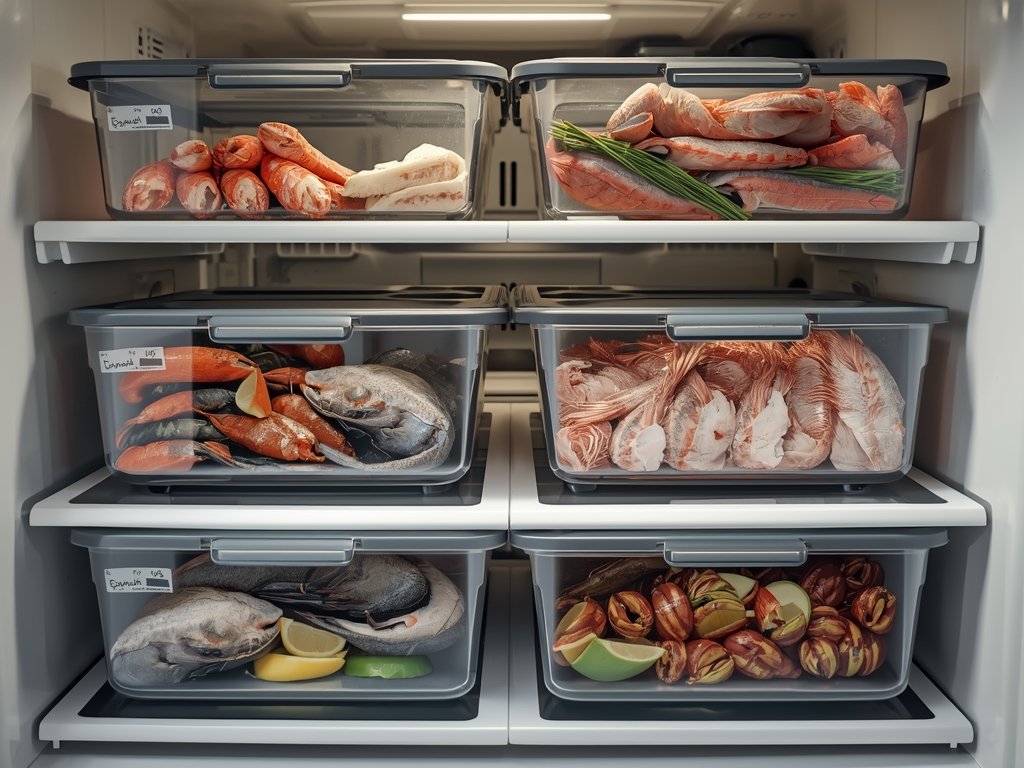
In the fridge, roasted vegetables keep three to four days — the same window the FoodSafety.gov cold food storage chart gives cooked vegetables, and the same window it gives cooked leftovers generally. Count from the day the vegetables were roasted, not from the day they were frozen or thawed, and keep them in an airtight container in a fridge at 40°F or below. Vegetables dressed with vinaigrette or a sauce keep the same three to four days, but the dressing makes them softer faster, so undressed vegetables are the better ones to save.
In the freezer, roasted vegetables are best within one to two months, and they stay safe indefinitely as long as they are kept at 0°F — the chart is explicit that freezer times are for quality only. After two months they are still safe to eat, but the texture declines: the edges dry out, freezer burn creeps in, and the flavour fades. The practical rule is simple: freeze only what you will use in the next month, label everything with the date, and use the oldest bag first.
Frequently Asked Questions
Can you freeze roasted vegetables? Yes — firm vegetables like carrots, sweet potatoes, butternut squash, parsnips, and Brussels sprouts freeze well. Soft, watery ones like courgettes, aubergines, and mushrooms go mushy and are best used in soups after thawing.
Do you need to blanch roasted vegetables before freezing? No — roasting has already stopped the enzymes that blanching targets. Blanching is for raw vegetables going into the freezer, not for vegetables that are already cooked.
How long do frozen roasted vegetables last? They are best within one to two months, and they stay safe indefinitely at 0°F — the freezer window is about quality, not safety. Label every bag with the date and use the oldest first.
How do you reheat frozen roasted vegetables so they are crispy again? Cook them from frozen in a single layer in a hot air fryer at 400°F for eight to twelve minutes, or in a 425°F oven for ten to fifteen minutes. Do not crowd the pan, and do not use the microwave if you want crisp edges.

Ghani is the founder of TwiceTasty and a passionate home cook who believes no meal should go to waste. What started as a personal mission to transform leftovers into exciting new dishes has grown into a community of food lovers who share the same philosophy.
