Follow Me On Social Media!

The Art of Reviving Roasted Veggies: A Crunchy Comeback
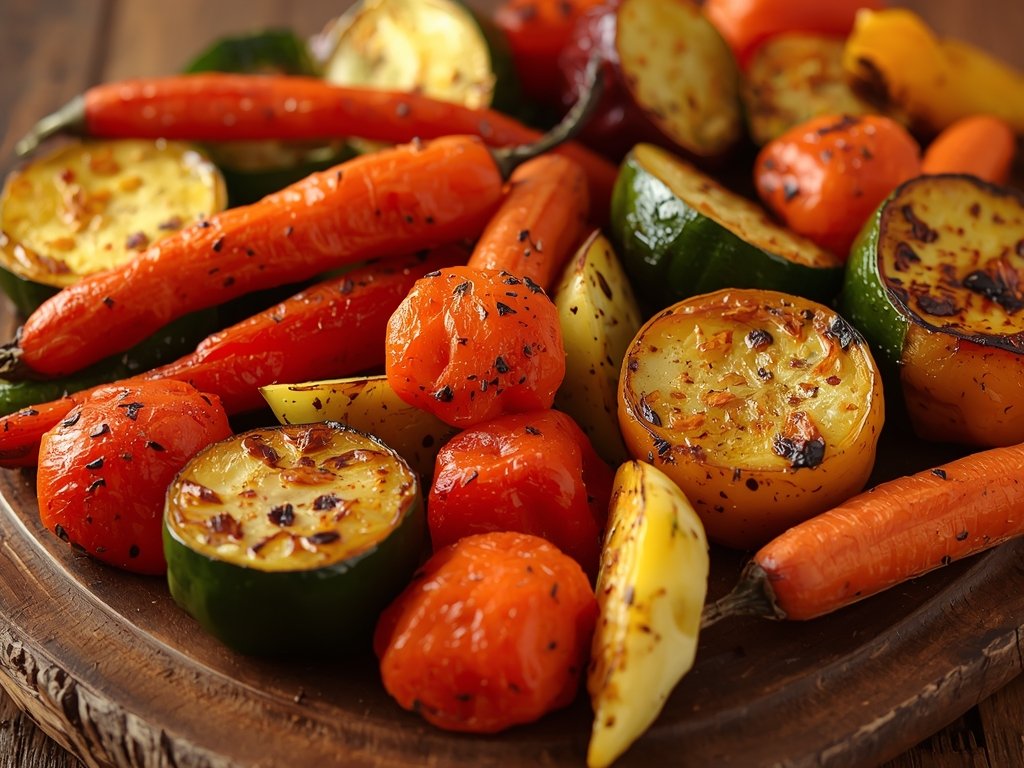
We’ve all been there – you roast a big batch of veggies, intending to meal prep for the week, but by day three, they’ve lost their snap. Fear not, fellow foodies! With a few simple tricks, you can breathe new life into your roasted vegetables, restoring their texture and flavor. Let’s explore the secrets to reheating roasted veggies without sacrificing their crunch.
Why Air Frying is the Secret Weapon

When it comes to reheating roasted vegetables, the air fryer is your new best friend. This kitchen gadget uses hot air to circulate around your food, creating a crispy exterior while maintaining a tender interior. Unlike traditional reheating methods, air frying doesn’t leave your veggies soggy or overcooked.
The Science Behind Air Frying
Air fryers work by convection, rapidly circulating hot air around your food. This process helps to evaporate moisture, resulting in a crispy texture. The high heat also helps to caramelize the natural sugars in your vegetables, enhancing their flavor.
Prepping Your Veggies for Reheating

Before you start reheating, it’s essential to prepare your roasted vegetables properly. This step ensures they’ll reheat evenly and maintain their texture. Here’s what to do:
- Let your veggies cool to room temperature before storing them in an airtight container.
- When ready to reheat, spread them out in a single layer on a baking sheet or air fryer basket.
- Drizzle with a small amount of olive oil or your favorite cooking oil to help crisp them up.
Veggie Varieties and Reheating Times
Different vegetables require varying reheating times. As a general rule, denser veggies like carrots and potatoes will take longer to reheat than lighter options like zucchini or bell peppers. Keep this in mind when planning your reheating strategy.
Mastering the Air Fryer Technique

Now it’s time to get frying! Follow these simple steps to reheat your roasted vegetables to perfection:
- Preheat your air fryer to 375°F (190°C) for 3-5 minutes.
- Add your prepared veggies to the air fryer basket in a single layer.
- Cook for 5-7 minutes, shaking the basket halfway through to ensure even reheating.
- Check for doneness – your veggies should be heated through and crispy on the outside.
Tips for Air Fryer Success
To get the most out of your air fryer, keep these tips in mind: don’t overcrowd the basket, as this can lead to uneven reheating. Also, be sure to shake or stir your veggies regularly to prevent sticking and promote even crisping.
Serving Suggestions: Bringing Veggies Back to Life
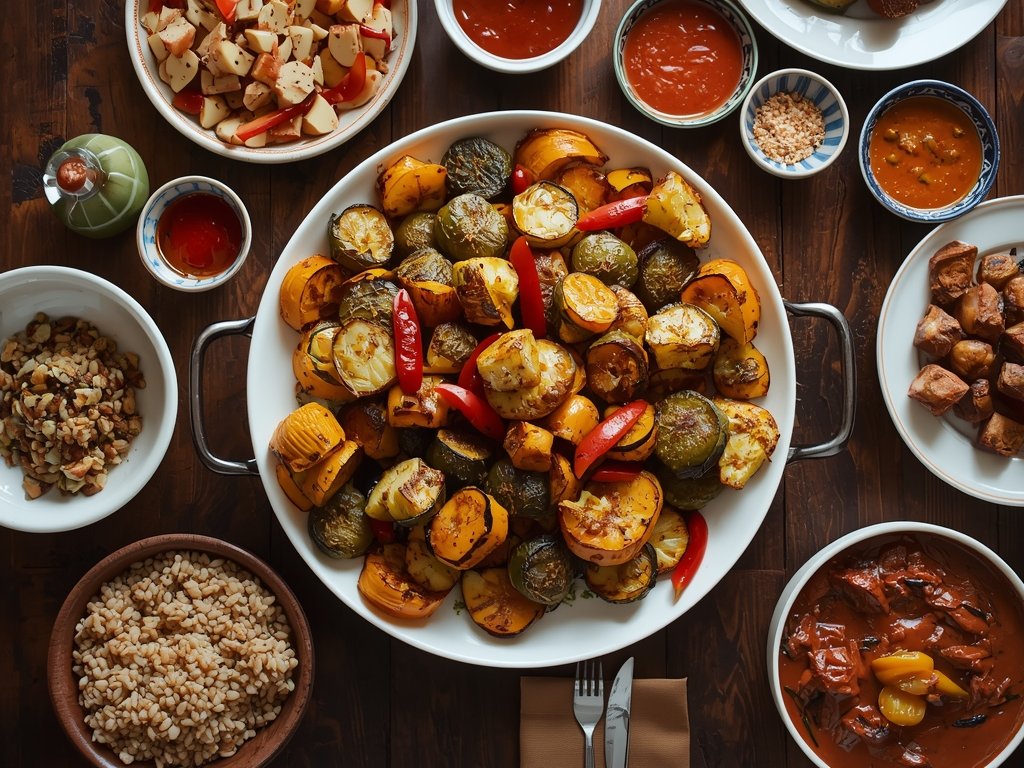
Reheated roasted vegetables are incredibly versatile – they can be served as a side dish, added to salads or grain bowls, or even used as a topping for pizzas or flatbreads. Get creative and experiment with different serving suggestions to keep your meals exciting.
Pairing Veggies with Proteins
To create a well-rounded meal, pair your reheated roasted vegetables with a protein source. Grilled chicken, baked tofu, or seared salmon all make excellent companions for your crispy veggies. Don’t be afraid to mix and match flavors and textures.
Storing and Reheating Leftovers
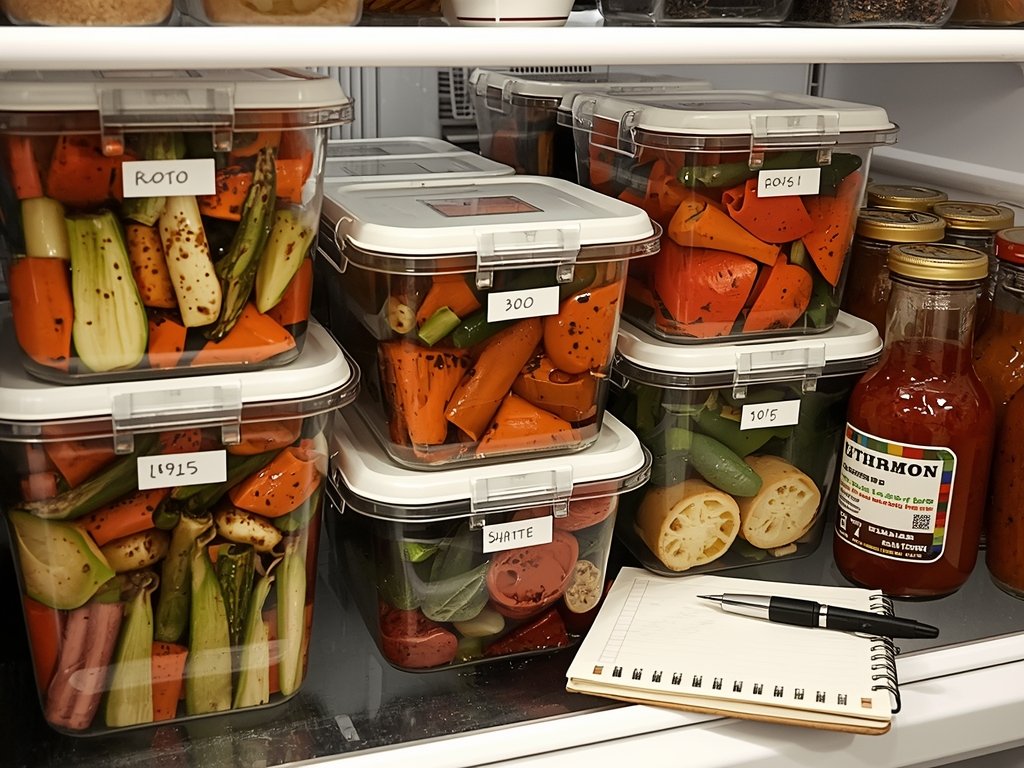
Proper storage is key to maintaining the quality of your roasted vegetables. Follow these guidelines to ensure your veggies stay fresh and flavorful:
- Store roasted vegetables in airtight containers in the refrigerator for up to 4 days.
- For longer storage, freeze your veggies in a single layer on a baking sheet before transferring to a freezer-safe container.
- When ready to reheat, simply follow the air fryer technique outlined above.
The Reheat Rules: Which Roasted Vegetables Survive a Second Heating
Not every roasted vegetable survives a second heating, and the difference is mostly water. Dense, low-water vegetables — sweet potatoes, carrots, beets, parsnips, butternut squash — come out of the fridge with their structure intact, because there is little moisture inside them to turn to steam and soften the flesh. Tender, high-water ones — courgettes, green beans, asparagus, broccoli, peppers — were already soft when they left the oven, and a second heating pushes them past tender into limp. Cauliflower, Brussels sprouts and aubergine sit in the middle: they hold their shape if they are reheated with dry heat, and go soft if they are steamed.
The dense ones want dry heat and space. Spread them in a single layer on a hot sheet pan or in the air fryer basket, with a little room between the pieces, and give them a light drizzle of oil to replace what the fridge took away. A hot oven, around 400°F, brings the edges back in about ten minutes; the air fryer does the same job at 375°F in five to six. Our air fryer reheat chart gives the same numbers across every leftover, and the roasted-vegetable rows follow them exactly. Flip the pieces once, halfway through, so both sides crisp.
The tender ones want the opposite: short, gentle heat and no crisping ambition. A minute or two in the microwave at half power, covered with a damp paper towel, warms green beans or asparagus through without cooking them a second time. A quick toss in a hot skillet with a splash of water does the same for courgettes. What ruins them is a long spell in a hot oven, which dries the outside while the inside turns to mush — the same gentle-heat logic that keeps reheated meatballs juicy applies here, just with shorter times.
The middle group rewards a judgement call. Cauliflower and Brussels sprouts crisp again in the oven if they were roasted firm in the first place, and they are the two vegetables where the air fryer earns its keep. Aubergine goes soft whatever you do, so treat it as a filling rather than a side the second time round — folded into pasta, or spread on toast. Peppers lose their bite but keep their flavour, so they belong in a sauce or a grain bowl. Served over rice, the dense vegetables make a second meal on their own, and our guide to how long cooked rice lasts in the fridge covers the other half of that plate.
Three rules cover the rest. Reheat only the portion you will eat, and reheat it once: vegetables reheated twice lose texture and flavour, and the batch is best eaten within a few days. Season after reheating, not before — salt drawn out in the fridge needs replacing, and a pinch of flaky salt and a squeeze of lemon over the hot vegetables does more than salt added before the reheat. And if a vegetable has gone soft anyway, do not try to crisp it back — turn it into something else, the way soft roasted vegetables become the base of our leftover turkey soup. Savor Every Eat’s tested guide to reheating roasted vegetables and keeping them crisp reaches the same conclusion, and the FoodSafety.gov cold food storage chart gives cooked vegetables the same three-to-four-day window.
FAQ
Can I reheat roasted vegetables in the oven?
Yes, you can reheat roasted vegetables in the oven, but it may not produce the same crispy results as air frying. Preheat your oven to 400°F (200°C) and spread your veggies out on a baking sheet. Cook for 10-15 minutes, or until heated through.
How long do roasted vegetables last in the fridge?
Properly stored roasted vegetables can last up to 4 days in the refrigerator. Be sure to store them in airtight containers to maintain their freshness.
Can I freeze roasted vegetables?
Yes, you can freeze roasted vegetables for up to 3 months. Freeze them in a single layer on a baking sheet before transferring to a freezer-safe container to prevent them from sticking together.
What’s the best oil to use for reheating roasted vegetables?
Olive oil, avocado oil, and coconut oil are all great options for reheating roasted vegetables. Choose an oil with a high smoke point to prevent burning and promote even crisping.
Can I reheat roasted vegetables more than once?
While it’s technically possible to reheat roasted vegetables more than once, we don’t recommend it. Each reheating cycle can affect the texture and flavor of your veggies, so it’s best to reheat only what you plan to eat.

Marco covers the Reheat Pro category on TwiceTasty, focusing on reheating techniques and texture preservation. His articles help home cooks bring leftovers back to life with the right methods for every type of food — from crispy fried chicken to creamy pastas.

← Previous
Soft-Shell Crab : Perfect Crunch Without Overcooking
Next →
Master Tandoori-Style Naan Char at Home