Follow Me On Social Media!

Green bean casserole is the Thanksgiving side most worth making ahead, and the one most people are afraid to freeze. The worry is fair: the dish is three things that freeze differently — green beans that can go soft, a creamy sauce that can loosen and weep, and a fried onion topping that turns soggy the moment it meets moisture. The answer is yes, you can freeze green bean casserole, but only if you freeze it the right way. Freeze it unbaked, keep the fried onions out until baking day, and it comes out of the oven tasting like it was made that morning. Thanksgiving is Thursday, November 26, 2026, and Saturday, November 21 is the right day to assemble and freeze it — five days out, the pan can sit in the freezer while you deal with the turkey.
The Short Answer: Yes — Freeze It Unbaked, Hold the Onions
Yes, green bean casserole freezes well when you freeze it unbaked and keep the fried onion topping off until baking day. The freezer window is two to three months for best quality at 0°F, which is the USDA time for casseroles generally, and a baked casserole’s leftovers keep three to four days in the fridge. The method matters more than the timing: assemble the beans and sauce, wrap the dish tightly, freeze it, then thaw it in the fridge and bake it with fresh onions on top. Campbell’s, which created the dish in 1955, says to freeze it without the onion topping, and every reliable guide agrees — the topping is the part that fails. Frozen on top of the casserole, the onions soak up sauce and come out limp and dark. Kept in the pantry and scattered on fresh, they stay crisp and golden. If you only remember one thing from this guide, remember that: the onions never go into the freezer.
What Freezing Does to Each Part of the Casserole
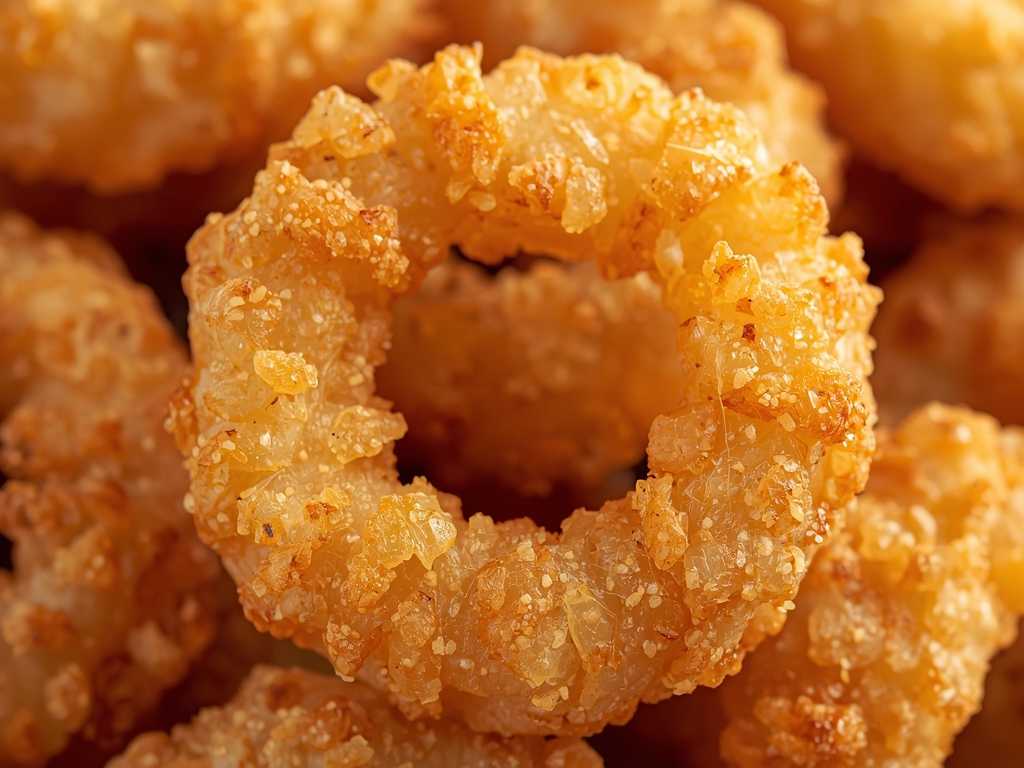
The casserole has three parts, and the freezer treats each one differently. The beans hold up best of the three, especially if they are blanched before they go in. The National Center for Home Food Preservation blanches cut green beans for three minutes before freezing, because the heat slows the enzymes that dull flavour, colour and texture even during frozen storage. The creamy sauce is the middle case: a mushroom soup sauce, whether canned or homemade, can loosen slightly and weep a little liquid at the edges after thawing. The fried onion topping is the part that fails outright. The National Center for Home Food Preservation lists fried foods and crumb toppings on casseroles among the foods that turn soggy after freezing, and the topping on a frozen casserole does exactly that — it absorbs sauce, loses its crunch, and darkens. That is why the topping is always added fresh.
There is an honest disagreement worth stating plainly. Some cooks, including the personal chef quoted by Parade, warn against freezing the dish at all: freezing will likely result in beans that are too soft and the casserole could be soggy from any excess moisture caused by freezing. She recommends assembling up to two days ahead and refrigerating instead. She is right that a frozen casserole is never quite as crisp as a fresh one.
Fresh, Frozen, or Canned Beans: Which Freezes Best?
Fresh beans freeze best, frozen beans are the easiest, and canned beans are the weakest choice for a casserole headed to the freezer. America’s Test Kitchen uses raw fresh beans instead of canned in its make-ahead casserole, while Food Network’s freezer version boils fresh beans for about ten minutes, until crisp-tender, before they meet the sauce. Fresh beans, blanched for three minutes, hold their colour and bite through freezing and baking better than any other form. Frozen green beans are the practical second choice: they were blanched before they were frozen, so they are already partway there, and you can use them straight from the freezer without thawing. Skip French-cut beans if you plan to freeze the casserole — they break down too easily, and the thin cut goes mushy faster than a standard cut bean. Canned beans are the softest starting point, and a canned bean that is frozen and then baked can turn very soft indeed. If canned is what you have, drain them well, do not add extra liquid to the sauce, and accept a softer result. The sauce follows the same logic: a homemade mushroom sauce, cooled completely before assembling, freezes better than a thin canned soup, because a sauce that starts thick stays thick.
How to Freeze Green Bean Casserole Unbaked, Step by Step
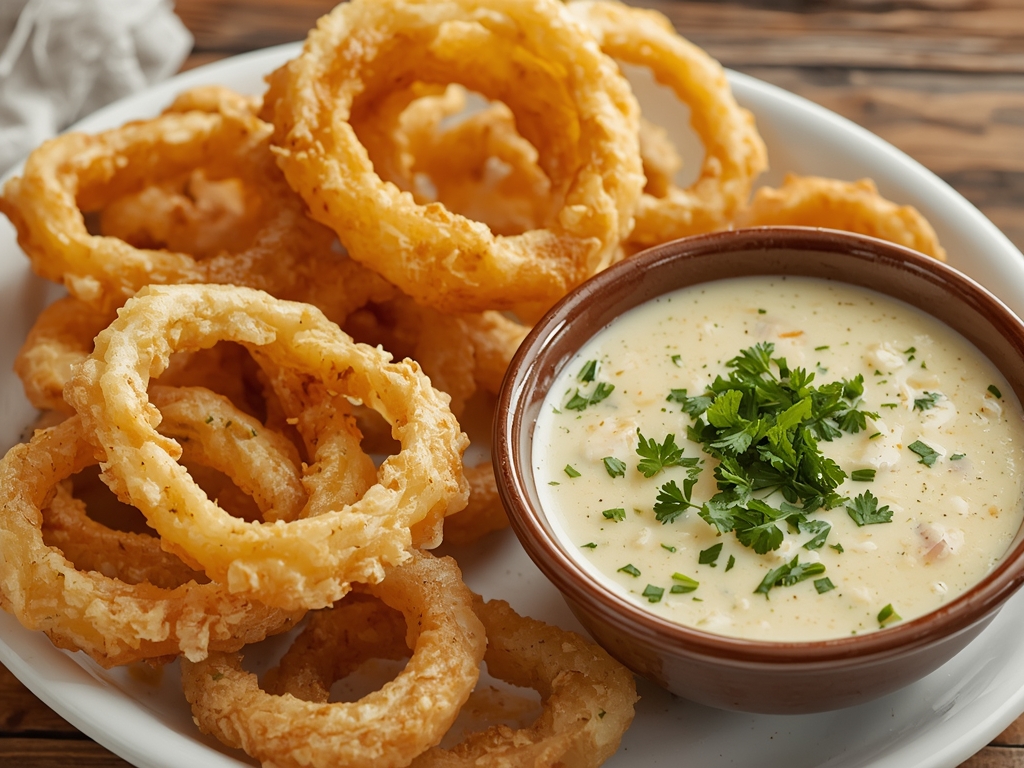
Start with a freezer-safe dish. A glass baking dish works, but a disposable aluminium pan is better for the freezer: it will not crack, it stacks, and you can bake in it on the day. Line the dish with foil before the beans and sauce go in, pressing the foil into the corners, so you can lift the frozen block out later and free the dish if you need it. Blanch fresh beans for three minutes in boiling water, then drain them well and let them cool. If you are using frozen beans, use them straight from the bag. Make the sauce — canned cream of mushroom soup thinned with a little milk, or a homemade mushroom sauce with sautéed mushrooms, garlic, flour and cream — and let it cool completely. A warm sauce poured over cold beans is the single most common mistake, because the heat wilts the beans before the dish ever reaches the freezer.
Combine the beans and the cooled sauce in the lined dish, and stir in half a cup of fried onions if your recipe calls for onions mixed through the sauce — but only if you are not freezing for long, and never the topping layer. Press plastic wrap directly onto the surface of the casserole so no air pockets sit against the food, then cover the dish tightly with foil and label it with the contents and the date. Freeze it flat, on a level shelf, so the sauce sets evenly. The casserole keeps for two to three months at 0°F for best quality, and it is safe beyond that — food kept continuously frozen at 0°F is safe indefinitely, and the months are a quality window, not a safety deadline. For the full picture on what that window means, see our guide on how long leftovers last in the fridge and the freezer times that go with it.
How to Freeze a Baked Casserole (Leftovers)
Sometimes the casserole is already baked and the question is what to do with what is left. Baked green bean casserole freezes, but not as well as the unbaked version, and the topping is already lost — the onions on a baked casserole have already absorbed sauce in the oven, and freezing will not bring their crunch back. Cool the leftovers completely, within two hours of serving, and divide them into shallow containers or freezer bags rather than freezing the whole dish in one block. A shallow container cools faster, freezes faster, and thaws faster, and it lets you reheat one portion instead of the whole pan. Press the air out of bags, seal them flat, and label them. Baked casserole keeps for one to two months in the freezer for best quality — a shorter window than the unbaked version, because the beans have already been cooked once and the sauce has already been through the oven. In the fridge, baked leftovers keep for three to four days, which is the USDA window for cooked leftovers generally. If you will eat the leftovers within four days, the fridge is the better choice, and our guide to how to reheat green bean casserole covers the oven and microwave methods that keep the topping as crisp as it can be. If you freeze the leftovers, plan to top them with fresh fried onions when you reheat them, and treat the dish as a side that has already given its best performance once.
One practical note: never refreeze a casserole that has already been thawed. A thawed casserole should be baked and eaten, or thrown away. The same rule covers the beans themselves — a bag of frozen beans that has thawed on the counter should not go back into the freezer.
The Fried Onion Problem — and How to Fix It

The fried onions deserve their own section, because they are the reason most frozen green bean casseroles disappoint. A fried onion is a thin, crisp shard of onion coated in batter and fried until golden. It stays crisp only while it stays dry. The moment it sits on a wet sauce, it starts absorbing liquid, and the moment it goes into the freezer, the moisture in the sauce and the ice crystals in the dish turn it limp. Thawed, it is dark, soft, and chewy — the opposite of what the topping is for. The fix is simple and absolute: the topping never goes into the freezer. Buy a fresh can of fried onions, or make your own by slicing onions thin, dredging them in seasoned flour, and frying them until golden, and keep them in the pantry until baking day. If you made your own onions ahead, store them in an airtight container at room temperature for up to a week, or freeze the fried onions separately in a bag — they freeze on their own far better than they freeze on top of a wet casserole, because there is no sauce for them to absorb.
On baking day, scatter the fresh onions over the top for the last ten to fifteen minutes of baking, not at the start. Onions added at the start of a forty-five-minute bake will darken and soften in the oven heat, and the long bake is what the casserole needs to heat through. Onions added near the end crisp in the oven’s dry heat while the sauce bubbles underneath them. For ideas about what else to do with the dish once it is made, see our guide to leftover green bean casserole ideas.
How Long Does It Last in the Freezer?
An unbaked green bean casserole keeps for two to three months in the freezer for best quality, which is the USDA window for casseroles in the FoodKeeper guide and the figure the most careful recipe guides converge on. Some guides claim up to three months, and one or two claim as little as two weeks for best quality — the honest range is two to three months, with two months the safer planning number. A baked casserole, or baked leftovers, keeps for one to two months. Past those windows the casserole is still safe — food kept at 0°F stays safe indefinitely — but the beans get softer, the sauce weeps more, and the dish picks up freezer smells if it is not sealed well. Label the dish with the date it went in, and plan backwards from Thanksgiving: a casserole frozen on Saturday, November 21 is five days old on Thanksgiving, which is well inside the window, and a casserole frozen in early November is still fine. The risk is not the calendar but the packaging.
In the fridge, the numbers are shorter and stricter. An assembled unbaked casserole keeps for up to two days in the fridge, covered, before it should be baked. Baked leftovers keep for three to four days. And never leave the casserole, baked or unbaked, at room temperature for more than two hours. The danger zone is 40°F to 140°F, and a dish sitting on the counter after dinner is in that zone within the hour. Divide leftovers into shallow containers and refrigerate them within two hours of cooking, or within one hour if the kitchen is above 90°F.
How to Thaw and Reheat It

Thaw the frozen unbaked casserole in the refrigerator, not on the counter. If you froze the casserole on Saturday, November 21, move it to the fridge on Monday or Tuesday and it will be thawed and ready to bake on Thursday. Thawing in the fridge is the only method that keeps the dish below 40°F the whole time, and it is the method the USDA recommends for every frozen dish. A cold-water thaw works for smaller portions in sealed bags, but a full baking dish is awkward in a sink, and the counter is never an option. Once thawed, bake the casserole at 350°F for about forty-five minutes covered, then uncover, add the fresh fried onions, and bake for ten to fifteen minutes more until the onions are golden and the centre is bubbling. Check the centre with a thermometer: it should reach 165°F all the way through, which is the safe temperature for reheated leftovers. The National Center for Home Food Preservation blanching guidance and the Savor Every Eat freezing guide agree on the same shape: thaw in the fridge, bake covered, finish uncovered with fresh onions.
Baking from frozen is possible, and Food Network’s freezer version does it: bake the frozen casserole at 350°F for about sixty-five minutes, covered, then uncover and add the onions. The time is longer because the centre starts frozen, and a thermometer is essential — the edges can bubble while the middle is still cold, and only 165°F in the centre proves the dish is heated through. For a baked casserole being reheated rather than baked for the first time, the oven is again the best method: cover with foil, bake at 350°F for twenty to thirty minutes until the centre reaches 165°F, then uncover for the last few minutes and add fresh onions. The microwave works for single portions — heat in short intervals, stir the sauce halfway, and check the temperature — but it will not crisp the topping, so add the onions after microwaving, not before.
The Bottom Line
Yes, you can freeze green bean casserole, and the method is the whole answer. Freeze it unbaked, in a foil-lined dish, with the sauce cooled and the beans blanched, and keep the fried onions out until baking day. It keeps for two to three months in the freezer for best quality, and a casserole frozen on Saturday, November 21 is five days old on Thanksgiving — barely started. Thaw it in the fridge for up to three days, bake it covered at 350°F for about forty-five minutes, then uncover it, scatter fresh fried onions on top, and bake until the centre reaches 165°F and the topping is golden. Baked leftovers keep for three to four days in the fridge and one to two months in the freezer, and they always deserve fresh onions when they come back. Make the cranberry sauce the same way while you are at it: our guide to freezing cranberry sauce covers the dish that freezes even better than this one.

Ghani is the founder of TwiceTasty and a passionate home cook who believes no meal should go to waste. What started as a personal mission to transform leftovers into exciting new dishes has grown into a community of food lovers who share the same philosophy.
