Follow Me On Social Media!

Thanksgiving dinner ends, the plates are cleared, and the turkey — the bird you spent days thawing, brining and roasting — is suddenly a storage problem. A whole turkey leaves behind pounds of meat, and how you store it in the first two hours decides whether it becomes a week of good meals or a food-safety risk. The rules are simple and they are not negotiable: get the meat off the bone, get it into shallow containers, get it into the fridge within two hours, and use it within three to four days. Thanksgiving is Thursday, November 26, 2026, and the turkey you carve that evening needs to be packed and refrigerated before the evening is over — not the next morning. This guide covers the two-hour rule, the fridge window, the packing method, the freezer option, thawing, reheating to 165°F, and what to do when day four arrives and there is still turkey left.
The Short Answer: Cool Fast, Refrigerate Within 2 Hours
The short answer is to carve the leftover turkey off the bone as soon as dinner is over, divide it into shallow containers, and refrigerate it within two hours of cooking — or within one hour if the kitchen is above 90°F. Cooked turkey keeps for three to four days in the refrigerator, counting from the day the bird was cooked, and for two to six months in the freezer for best quality. Reheat it to 165°F all the way through before eating. The two-hour rule is the one that matters most, because it is the one most often broken. A turkey left on the carving board while everyone watches the game, then packed up at midnight, has spent hours in the danger zone — the temperature range between 40°F and 140°F where bacteria multiply rapidly. The USDA is explicit: cooked food left at room temperature for more than two hours should be thrown out. Pack the turkey first, then relax.
The 2-Hour Rule — and the 1-Hour Rule Above 90°F

The two-hour rule comes from the USDA Food Safety and Inspection Service, and it applies to every cooked leftover, not just turkey. Perishable food should not sit at room temperature for more than two hours, because bacteria double roughly every twenty minutes in the danger zone between 40°F and 140°F. A turkey that comes out of the oven at 165°F cools through that zone on the way down, and the clock starts the moment it leaves the oven — not the moment you start packing it. Carve the breast and thighs, slice or shred the meat, and get it into containers while the rest of dinner is being cleared away. If the kitchen is hot — a Thanksgiving kitchen with an oven that has been running all day can easily pass 90°F near the stove — the window shrinks to one hour. The USDA’s leftovers guidance states both numbers, and the FoodSafety.gov cold food storage chart gives the same two-hour limit alongside the three-to-four-day fridge window.
The rule has one practical consequence that surprises people: do not put a whole turkey, or a whole breast, into the fridge to cool. A large, dense piece of meat cools slowly in the centre, and the centre can sit in the danger zone for hours while the outside feels cold. The fix is to break the turkey down. Slice the breast, pull the thigh meat off the bone, and spread the meat in shallow containers no more than two inches deep. Shallow containers cool fast because the cold air reaches the centre quickly, and they reheat evenly for the same reason. A deep pot of turkey and gravy, or a whole breast wrapped in foil and set on a fridge shelf, is the opposite of what you want. Our guide to freezing cooked turkey covers the freezer method for the meat you will not eat this week.
How Long Does Leftover Turkey Last in the Fridge?
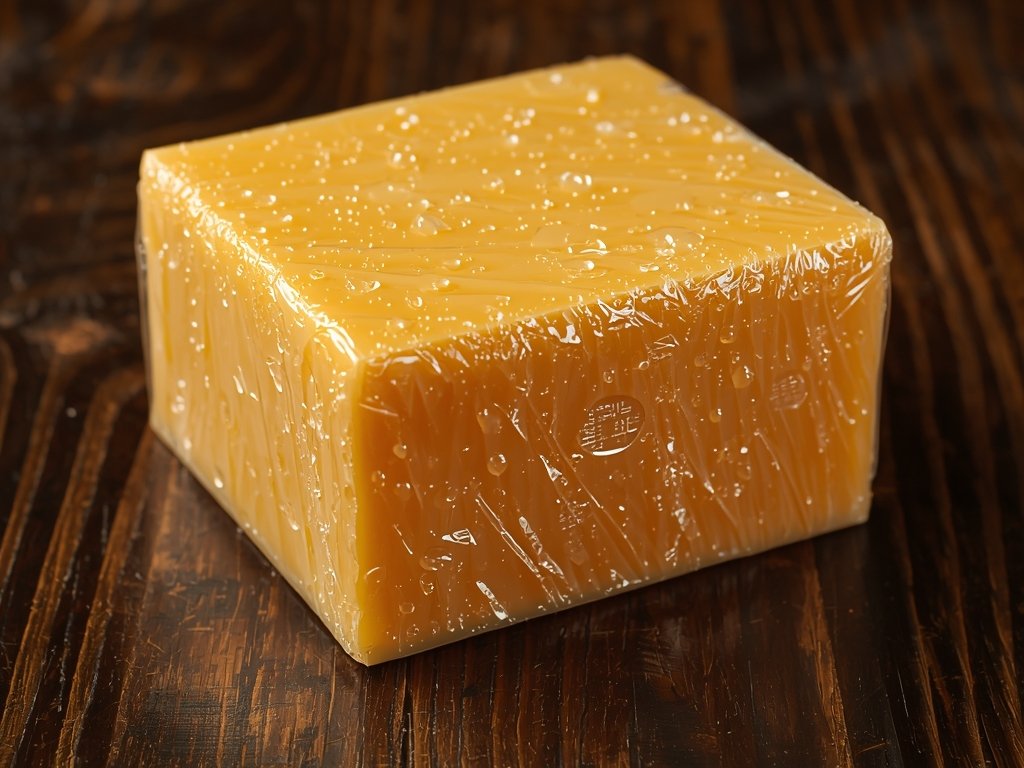
Cooked turkey lasts three to four days in the refrigerator, counting from the day the bird was cooked. A turkey cooked on Thursday, November 26 is good through Sunday, November 29, and should be eaten or frozen by then. That window covers the whole bird — breast, thigh, drumstick meat, and any turkey that was carved and stored properly. The same three-to-four-day window applies to the other cooked leftovers on the table: stuffing, gravy, mashed potatoes, and casseroles all share it, which is why the fridge fills up so fast after Thanksgiving and why the fourth day is the day to cook with what is left rather than to keep storing it. For the full picture across the whole table, see our guide on how long leftovers last in the fridge, and for the Thanksgiving-specific version, our guide on how long Thanksgiving leftovers last.
How to Pack Leftover Turkey for the Fridge
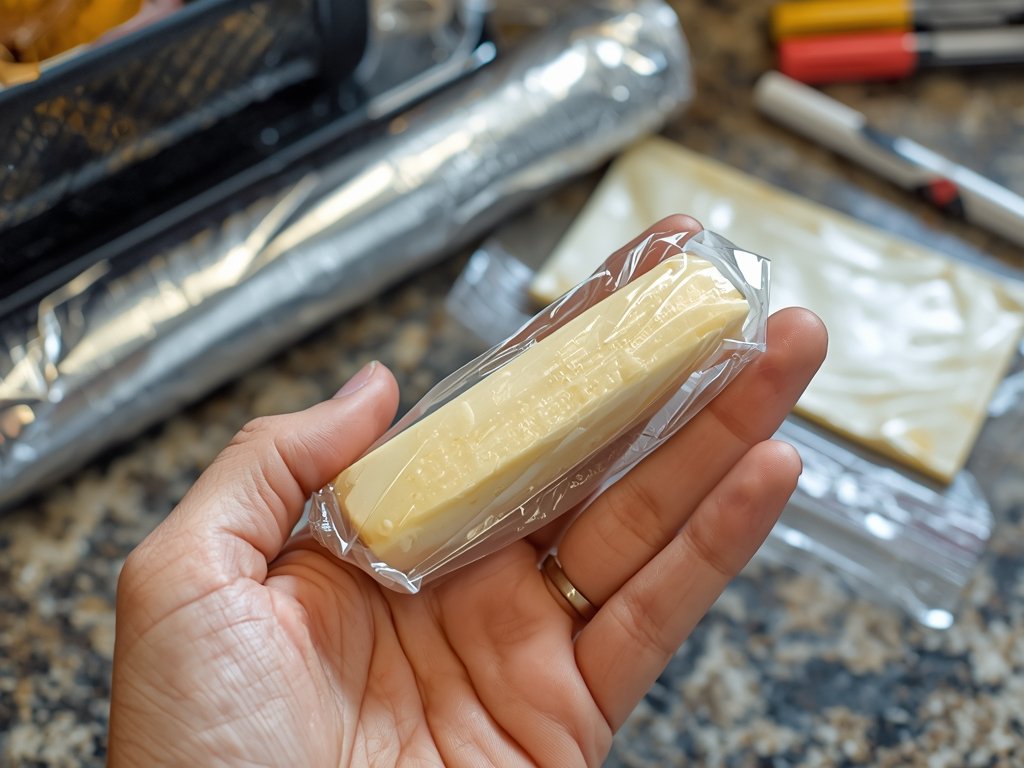
Packing is where safe storage is won or lost, and it takes five minutes. Start with clean hands and clean containers. Shallow, airtight containers are the best choice — glass containers with lids, or sturdy plastic containers — because they seal out air and fridge smells, and you can see what is inside. Divide the meat by cut and by use: sliced breast in one container for sandwiches, shredded dark meat in another for soup and tacos, and any meat still on the bone in a third. Keep the skin separate if you like it crisp, because skin stored against moist meat goes soft and rubbery. Add a spoonful of gravy or a little broth to each container before sealing it — a tablespoon or two of liquid keeps the meat from drying out in the fridge, and it reheats better with moisture already in the container. Label every container with the contents and the date, using masking tape and a marker. A container labelled “turkey breast, Nov 26” is a meal you will use; an unlabelled container at the back of the fridge is a mystery you will throw away.
Can You Freeze Leftover Turkey?

Yes, and freezing is the right choice for any turkey you will not eat within four days. Cooked turkey keeps for two to six months in the freezer for best quality, according to the FoodSafety.gov cold storage chart, and turkey stored in gravy or broth keeps well at the longer end of that range because the liquid protects it from drying out. Freeze the turkey on day two or three, while it is still fresh, not on day four when it is already at the edge of its fridge life. Portion it before freezing: slice or shred the meat, divide it into meal-sized portions — a cup or two per bag, enough for one recipe — and freeze it flat in freezer bags with the air pressed out, or in shallow containers with about half an inch of headspace. Label every bag with the contents, the amount, and the date. A bag labelled “turkey, 2 cups, Nov 27” is a soup waiting to happen; an unlabelled bag is a block of ice you will not recognise in January.
How to Thaw Frozen Leftover Turkey Safely

Thaw frozen turkey in the refrigerator, which is the only method that keeps the meat below 40°F the whole time. A bag of sliced or shredded turkey thaws in the fridge in about a day — move it from the freezer to the fridge the night before you want to cook with it, and it will be ready by dinner. A larger container, or a whole breast, needs longer: allow about a day for every four to five pounds, the same rule that applies to thawing a raw turkey. Keep the thawing turkey on a tray or in a container on the bottom shelf, so any liquid cannot drip onto other food. Once thawed, use the turkey within three to four days, and do not refreeze it. The cold-water method works for smaller bags: submerge the sealed bag in cold tap water, change the water every thirty minutes, and cook the turkey as soon as it is thawed. Allow about thirty minutes per pound, which for a bag of shredded turkey is usually under an hour. The microwave is the third safe method, and it also ends with cooking immediately: thaw on the defrost setting, following the manufacturer’s instructions, and cook the turkey right away.
Never thaw frozen turkey on the counter, in hot water, or in the garage. The outside of the meat warms into the danger zone while the centre is still frozen, and the turkey can sit for hours between 40°F and 140°F while looking perfectly fine. The same warning covers a bag of turkey left in the sink to thaw while you go out. If a bag of turkey has been thawed by an unsafe method, or has sat at room temperature for more than two hours, throw it out. The cost of a bag of turkey is nothing next to the cost of a ruined weekend. And if the turkey was frozen in gravy, thaw it the same way — in the fridge, in the bag or container it was frozen in — and reheat the turkey and the gravy together, which keeps the meat moist and brings the whole dish to temperature at once.
How to Reheat Leftover Turkey to 165°F

Reheat leftover turkey to 165°F all the way through, every time, no matter how you reheat it. That is the USDA safe temperature for reheated leftovers, and it is the number that kills the bacteria that may have grown during storage. The method matters less than the temperature, but some methods keep the turkey moist and some dry it out. The oven is the best method for a large amount: place the turkey in a baking dish, add a splash of broth or gravy, cover tightly with foil, and bake at 325°F until the centre reaches 165°F. The foil traps steam and keeps the meat from drying out, and the added liquid replaces the moisture the turkey lost in the fridge.
The stovetop works well for shredded turkey headed into a recipe: warm it gently in a skillet with a little broth or gravy, stirring often, until it is steaming hot all the way through. The air fryer can crisp sliced turkey for sandwiches, but it dries the meat out fast, so brush the slices with a little oil or broth first and check the temperature after a few minutes. Whatever method you use, do not reheat turkey more than once. A portion reheated, cooled, and reheated again has been through the danger zone twice, and the risk doubles. Reheat only what you will eat, and leave the rest in the fridge. For the full method-by-method guide, including times for the oven, microwave, stovetop and air fryer, see our guide on how to reheat leftover turkey.
What to Do With Turkey on Day 4

Day four is the deadline, not the start of a grace period. On Sunday, November 29, the turkey cooked on Thursday is on its last safe day, and the right move is to cook with it, freeze it, or throw it away — not to put it back in the fridge for another day. The best use for day-four turkey is a dish that reheats it thoroughly: a soup, a pot pie, a casserole, or a fried rice, where the turkey is heated to 165°F in the dish itself. Soup is the classic answer, because it uses the carcass too, and a pot of turkey soup made on day four is good for another three to four days in the fridge, counting from the day the soup was made. A casserole or a pot pie works the same way: the turkey is reheated to temperature in the oven, and the dish gets its own three-to-four-day window.
If you cannot cook with the turkey on day four, freeze it that morning, while it is still within its window. Portion it, bag it, label it, and get it into the freezer before the day is over. And if the turkey smells off, feels slimy, or has been in the fridge for five days, do not taste it to check — throw it away. The bacteria that cause food poisoning do not always change the smell or appearance of food, and a taste test is not a safety test. The same rule covers the gravy, the stuffing, and the other leftovers: if any of them is past four days, it goes out with the turkey.
The Bottom Line
Store leftover turkey safely by moving fast and thinking in shallow containers. Carve the meat off the bone as soon as dinner is over, divide it into shallow airtight containers, add a spoonful of gravy or broth to each one, label it with the date, and refrigerate it within two hours of cooking — within one hour if the kitchen is above 90°F. Cooked turkey keeps for three to four days in the fridge, counting from the day the bird was cooked, and for two to six months in the freezer for best quality. Thaw frozen turkey in the fridge, never on the counter, and reheat it to 165°F all the way through, checking with a thermometer. On day four, cook with it, freeze it, or throw it away — do not put it back in the fridge for another day. A turkey cooked on Thursday, November 26 is good through Sunday, November 29, and a freezer full of labelled bags on Sunday night is the best possible end to the week. The bird gave you one great dinner; stored properly, it gives you a week of them.

Ghani is the founder of TwiceTasty and a passionate home cook who believes no meal should go to waste. What started as a personal mission to transform leftovers into exciting new dishes has grown into a community of food lovers who share the same philosophy.
