Follow Me On Social Media!

Sweet potato casserole is the Thanksgiving side that reheats best and worst at the same time. The filling is forgiving: mashed sweet potato, butter, brown sugar and eggs, reheated gently, comes back creamy and rich. The topping is not forgiving at all: pecans go soft, marshmallows melt into a sticky layer, and a streusel that was crisp on Thursday is soggy by Friday. The trick is to reheat the filling and the topping as two different jobs, not one. The oven is the best method for a whole casserole, the microwave is the best method for a single portion, and the topping should always be finished last, uncovered, so it crisps again. Thanksgiving is Thursday, November 26, 2026, and the casserole you bake that day will be reheated on Friday and Saturday — this guide covers all four methods, the topping fixes, the frozen casserole, and how long the leftovers last.
The Short Answer: Oven at 350°F, Covered, to 165°F
The best way to reheat sweet potato casserole is in the oven at 350°F, covered loosely with foil, until the centre reaches 165°F. A full casserole straight from the refrigerator takes thirty to forty-five minutes; a smaller portion takes twenty to thirty minutes. The foil keeps moisture in and protects the topping from burning while the filling heats through, and the last five minutes uncovered crisp the topping again. The 165°F figure is the USDA safe temperature for reheated leftovers, and it applies here because the filling contains eggs — the casserole must be hot all the way through, not just warm at the edges. If the filling looks dry before it goes into the oven, add a small splash of milk or a few tiny pieces of butter on top before covering it: the extra moisture steams into the filling as it heats and keeps it creamy. Let the casserole sit at room temperature for fifteen to twenty minutes before it goes into the oven, so it heats more evenly and the centre does not lag behind the edges. For the matching guide to the dish before it is baked, see our guide to freezing sweet potato casserole.
How Long to Reheat Sweet Potato Casserole in the Oven
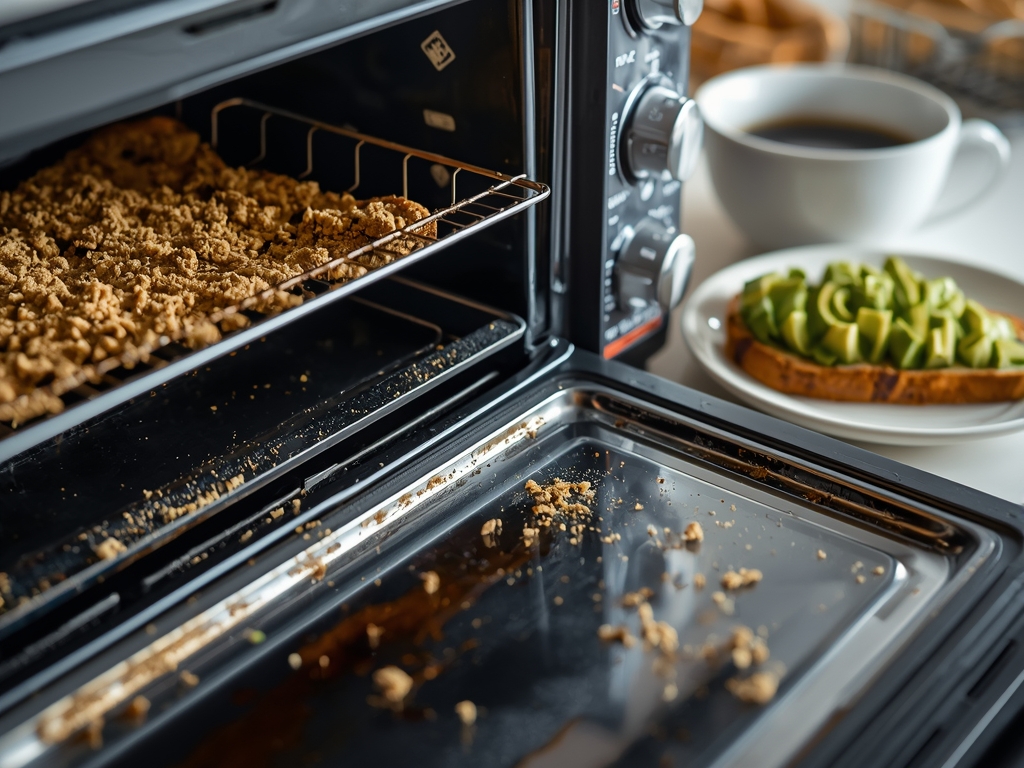
Reheating sweet potato casserole in the oven typically takes twenty to thirty minutes at 350°F for a refrigerated casserole, depending on the size and depth of the dish and whether it was refrigerated or frozen. Start by preheating the oven to 350°F. Remove the casserole from the refrigerator and let it sit at room temperature for about fifteen to twenty minutes — this helps it heat more evenly and reduces the risk of the edges drying out while the centre stays cold. Transfer the leftovers to an oven-safe baking dish if they are not already in one, cover the dish loosely with aluminium foil, and place it in the preheated oven. Bake for twenty to thirty minutes for a standard portion, or thirty to forty-five minutes for a full casserole straight from the fridge, checking the internal temperature with a food thermometer. It should reach at least 165°F in the centre.
Remove the foil for the last five to ten minutes of baking. This is the step that saves the topping: the dry heat of the oven crisps a pecan streusel and re-toasts a marshmallow topping without burning it, as long as you watch it. Let the casserole rest for a few minutes before serving, so the filling sets slightly and the temperature evens out. A casserole that is served the moment it leaves the oven is hotter at the edges than in the middle, and a short rest fixes that. The Thyme and Joy reheating guide gives the same oven method — 350°F, covered, twenty to forty-five minutes, centre to 165°F — and the same advice to finish uncovered.
How to Reheat It in the Microwave
The microwave is the quickest option when you are reheating a single serving for lunch or dinner, and it is the right choice when the whole casserole is too much. Transfer the portion to a microwave-safe bowl or plate — do not microwave it in the baking dish if the dish is metal, and do not microwave a portion in a container with a metal rim. Cover the portion loosely with a microwave-safe lid or a damp paper towel, which traps steam and keeps the filling from drying out. Heat for sixty seconds at medium to medium-high power, then continue in thirty-second intervals, stirring the filling gently between intervals, until the casserole reaches 165°F. Stirring matters more in the microwave than in the oven, because microwaves heat unevenly and a portion can be scalding at the edges and lukewarm in the middle. A thermometer check in two or three places is the only reliable test.
The microwave will not re-crisp the topping, and that is the trade-off. A pecan topping microwaved under a lid comes out soft, and a marshmallow topping microwaved at all comes out as a melted layer that sticks to the lid. The fix is to reheat the filling in the microwave and finish the topping separately: scoop the hot filling into a small oven-safe dish, scatter fresh pecans or a few fresh marshmallows on top, and put it under the broiler for a minute or two, or into a hot oven for five minutes. If you do not want to bother, eat the microwaved portion as it is — the filling is the dish, and a soft topping on a creamy filling is still a good lunch. Thaw a frozen casserole in the fridge overnight first, then reheat it in the oven or the microwave. For the general rules that cover every leftover, including the two-hour rule and the three-to-four-day window, see our guide on how long leftovers last in the fridge.
How to Reheat It on the Stovetop

The stovetop works best for smaller portions of sweet potato casserole without marshmallows or crunchy toppings, and it is the method that gives you the most control over the texture. Transfer the leftovers to a small nonstick skillet or saucepan, and add moisture if needed — stir in a splash of milk or a little butter if the filling seems dry, because the direct heat of the burner will dry the filling out faster than the oven does. Heat over low heat, stirring frequently to prevent scorching, and continue for five to ten minutes, or until the filling reaches 165°F. Keep the heat low: the sugar in sweet potato casserole can cause the bottom to brown and burn before the centre gets hot, and a scorched bottom is the most common stovetop failure. Stirring is not optional here — it is the method. Every stir brings the cooler filling from the top down to the hot bottom, and every stir breaks up the hot spots that would otherwise scorch.
Can You Reheat It in the Air Fryer?
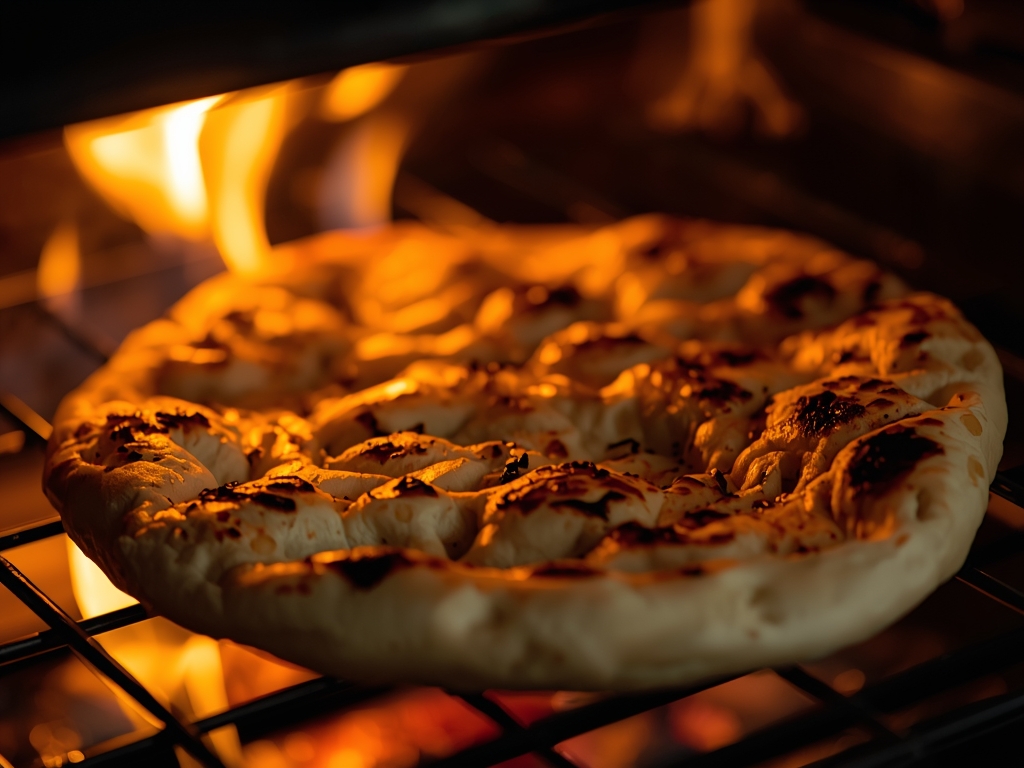
Yes, the air fryer is a good option for reheating a smaller portion without turning on the oven, and it is the only quick method that can actually crisp a topping. Preheat the air fryer to 325°F if your model requires it, and transfer the casserole to a small air fryer-safe dish — a ramekin, a small cake pan, or a foil container that fits the basket. A portion in a ramekin reheats in five to ten minutes, and the circulating hot air does two jobs at once: it heats the filling through and it re-crisps a pecan topping. Check the temperature after five minutes, and give it a few more minutes if the centre is still below 165°F. The air fryer runs hotter than its setting suggests at the surface, so a topping can go from golden to burnt quickly — check it at five minutes even if the filling is not hot yet, and cover the dish loosely with foil if the topping is done before the filling is.
The air fryer has two limits. The first is size: a full casserole will not fit, and a deep dish in an air fryer heats even more unevenly than it does in the oven, because the hot air cannot reach the centre of a deep portion. Use the air fryer for single portions, not for the whole pan. The second is the marshmallow topping: marshmallows in an air fryer melt fast and can blow around in the circulating air, sticking to the heating element. If the casserole has marshmallows, scrape them off before the portion goes into the air fryer, reheat the filling, and add fresh marshmallows on top for the last minute — they will toast in the hot air and come out golden without melting into a mess.
Pecan Topping vs Marshmallow Topping: Reheat Them Differently
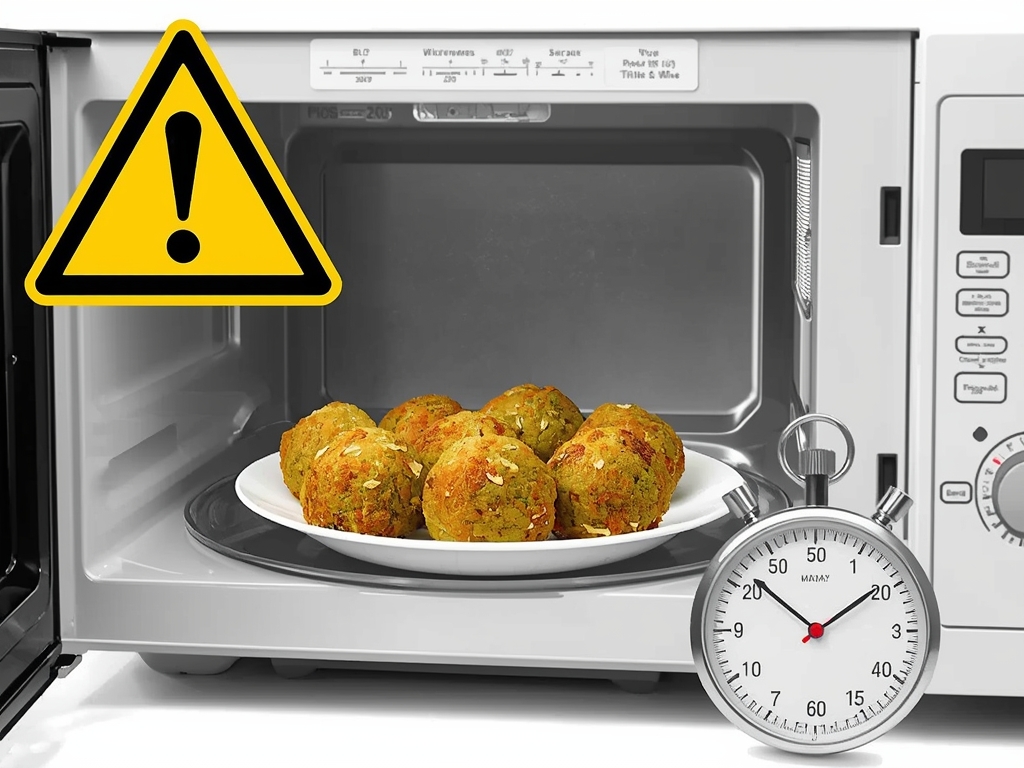
The topping decides the method, and the two classic toppings want opposite treatment. A pecan topping — brown sugar, butter, flour and chopped pecans, baked into a streusel — reheats well. It softens in the fridge and in the microwave, but it crisps again in dry oven heat. Reheat a pecan-topped casserole covered, then uncover for the last five to ten minutes, and the streusel comes back golden and crunchy. If the streusel is still soft after the uncovered finish, scatter a spoonful of fresh chopped pecans on top and give it two more minutes — the fresh nuts toast quickly and add the crunch the old topping lost. A pecan topping can also be removed before reheating and replaced entirely: scrape the old streusel off, reheat the filling, and top it with a fresh streusel made from the same ingredients. It takes five minutes and it is the closest thing to a freshly baked casserole you will get from a leftover.
A marshmallow topping wants the opposite. Marshmallows melt at low heat, and a marshmallow topping reheated with the casserole turns into a thin, sticky layer that seals the filling and traps steam underneath. The filling reheats unevenly under a melted marshmallow cap, and the topping itself is gone as a texture. The right approach is to scrape the old marshmallows off before reheating, reheat the filling covered, and add fresh marshmallows for the last three to five minutes, uncovered, until they are puffed and golden. If you want the toasted top without the wait, finish the casserole under the broiler for a minute — but watch it constantly, because marshmallows under a broiler go from golden to black in seconds. And if the casserole has both toppings — pecans under marshmallows, as some recipes do — treat it as a marshmallow casserole: scrape, reheat, and finish fresh. The pecans underneath will not survive either way, and a fresh topping on a hot filling is better than a reheated topping on a lukewarm one.
How to Reheat a Frozen Casserole

A frozen sweet potato casserole needs a different plan from a refrigerated one, because the centre starts at 0°F and the edges start at room temperature the moment it goes into the oven. The safe method is to thaw it first: move the frozen casserole from the freezer to the refrigerator the night before, and let it thaw overnight. A full casserole thaws in about a day in the fridge, and a thawed casserole reheats exactly like a refrigerated one — covered at 350°F for twenty to thirty minutes, centre to 165°F, finish uncovered. If you forgot to thaw it, you can bake it from frozen, but the time nearly doubles: preheat the oven to 350°F, cover the frozen casserole tightly with foil, and bake for forty-five to sixty minutes, or until the centre reaches 165°F. Check the temperature in the middle, not at the edge, because the edges can bubble while the centre is still cold. Do not microwave a frozen casserole, and do not thaw it on the counter — the counter is never a safe thawing method, and a frozen block in the microwave heats so unevenly that no temperature check can be trusted.
The topping rule is even more important for a frozen casserole. A topping frozen on the casserole will be soggy when it thaws, whether it is pecans or marshmallows, and it should be scraped off before the dish goes into the oven. Add a fresh topping for the last ten minutes of baking, once the filling is hot and the foil is off. For the full freezing method, including which topping to hold and how long the dish keeps, see our guide to freezing sweet potato casserole, and for the mashed-potato version of the same problem, our guide to reheating mashed potatoes.
How Long Do the Leftovers Last?
Sweet potato casserole keeps for three to four days in the refrigerator, which is the USDA window for cooked leftovers generally, and the USDA’s leftovers guidance gives the same number alongside the two-hour rule and the 165°F reheating temperature. A casserole baked on Thursday is good through Sunday, and it should be eaten or frozen by then. If you will not eat the casserole within four days, freeze it on day two or three, while it is still fresh, in meal-sized portions, labelled with the date. In the freezer, a baked casserole keeps for one to two months for best quality, and an unbaked one for two to three months. Never leave the casserole at room temperature for more than two hours — the danger zone is 40°F to 140°F, and a dish sitting on the counter after dinner is in that zone within the hour. Divide leftovers into shallow containers and refrigerate them within two hours of cooking, or within one hour if the kitchen is above 90°F. And never reheat the same portion twice: reheat only what you will eat, and leave the rest in the fridge.
The Bottom Line
Reheat sweet potato casserole in the oven at 350°F, covered loosely with foil, until the centre reaches 165°F — twenty to thirty minutes for a portion, thirty to forty-five minutes for a full casserole. Finish uncovered for the last five minutes to crisp the topping, and add fresh pecans or fresh marshmallows if the old topping has given up. The air fryer crisps a small portion beautifully at 325°F, but it cannot take a full casserole. A frozen casserole should be thawed overnight in the fridge and reheated like a refrigerated one, or baked from frozen for forty-five to sixty minutes covered. The leftovers keep for three to four days in the fridge, and the topping is always the part that fails first — so treat the filling and the topping as two jobs, and the casserole you reheat on Saturday will taste like the one you baked on Thursday. If you have mashed potatoes left too, our guide to freezing mashed potatoes covers the other orange dish on the table.

Ghani is the founder of TwiceTasty and a passionate home cook who believes no meal should go to waste. What started as a personal mission to transform leftovers into exciting new dishes has grown into a community of food lovers who share the same philosophy.