Follow Me On Social Media!

Yes, you can freeze sweet potato casserole, and it is one of the best Thanksgiving dishes to move into the freezer ahead of time. The filling is mashed sweet potato, butter, sugar, and spice — all of it freezes well. The question is not whether the casserole survives the freezer, but which version you freeze: unbaked or baked, and what you do with the topping. Get those two choices right and the casserole that comes out of the oven on Thanksgiving tastes like the one you made that morning. This article covers the baked-versus-unbaked choice, both methods, the topping problem, how long it keeps, and how to thaw and reheat it safely.
The Short Answer: Yes — Freeze It Unbaked, Topping Separate
Yes, you can freeze sweet potato casserole. For the best texture, freeze it unbaked, with the topping kept separate, and use it within two to three months. Assemble the sweet potato filling in a freezer-safe dish, wrap it tightly in two layers, and put the topping — pecan streusel or marshmallows — in its own bag or add it fresh on baking day. Thaw the casserole in the refrigerator overnight, add the topping, and bake it as usual.
Freezing a baked casserole works too, and it is the right move for leftovers. Expect a slightly softer result and a shorter window: baked casserole keeps its best quality for one to two months, while unbaked keeps for two to three. Either way, the freezer rules are the same ones that govern everything else in the freezer. Keep the freezer at 0°F or below, where food stays safe indefinitely and only quality declines over time. Cool the casserole within two hours of cooking, wrap it so no air gets in, label it with the date, and reheat it until the centre reaches 165°F. The same logic applies to the mashed-potato base underneath it: our guide to freezing mashed potatoes covers the same cool-pack-label routine for a simpler dish.
Baked vs Unbaked: Which Freezes Better?

Unbaked wins, and it is not close. When you freeze the filling before it has been baked, the casserole only goes through the oven once, on the day you serve it. The sweet potatoes stay smooth, the butter stays distributed through the filling instead of separating out, and the topping — added fresh — comes out crisp and golden exactly as it should. Freeze the filling without the topping, thaw it in the fridge for 24 hours, and bake it on the day.
Baked casserole freezes acceptably, and it is the only sensible option for leftovers, since you cannot un-bake a dish. The filling itself holds up — it is mashed sweet potato, after all — but it has already been through one bake, and the second heating dries the edges and softens the texture a little more. The topping suffers most: a pecan streusel baked once and then frozen and reheated loses its crunch, and marshmallows that were toasted golden turn sticky and weepy. That is why the baked route works best in portions rather than as a whole dish. Freeze what is left in single-serving containers, reheat one portion at a time, and accept that it will taste like a very good leftover rather than a fresh-baked casserole. If you are starting from scratch with Thanksgiving a few weeks away, freeze it unbaked. If you are standing over a half-empty dish on Friday, freeze the rest baked.
How to Freeze Sweet Potato Casserole Unbaked, Step by Step

Start by cooking the sweet potatoes until they are soft all the way through, whether you boil, steam, or roast them. Drain them well — water left in the mash turns into ice crystals, and ice crystals turn into a watery filling when the casserole thaws. Mash the potatoes until smooth, then stir in the butter, sugar, and spices while the mash is still warm so everything melts together evenly.
There is one small step worth borrowing from the preservation experts. The National Center for Home Food Preservation says that to keep mashed sweet potatoes from darkening in the freezer, you should mix in two tablespoons of orange or lemon juice for each quart of mashed sweet potatoes. It is a colour fix, not a safety step, and it matters most if your filling is pale or if you are freezing it for the full two to three months. Stir it in with the butter and sugar and you will never taste it.
Spread the filling in a freezer-safe casserole dish — a disposable foil pan goes from freezer to oven without a transfer — and smooth the top. Cool the filling to room temperature first — no more than two hours on the counter — then wrap the dish tightly in plastic wrap, then a layer of heavy-duty foil. Two layers matter because freezer burn is air damage, and one layer always seems to find a gap. Press the wrap directly against the surface of the filling before adding the foil, so there is no pocket of air sitting on the sweet potatoes. Label the foil with the contents and the date, and set the dish on a flat shelf in the freezer. If you are freezing the topping too, put the pecan streusel in its own labelled freezer bag and lay it flat beside the dish.
How to Freeze a Baked Casserole (Leftovers)

Freezing a baked casserole starts the same way: cool it first, and cool it fast. A whole dish left on the counter for hours is a food-safety problem before it is a freezer problem, so get it into shallow containers within two hours of coming out of the oven. If you are freezing the whole dish, let it cool completely on a wire rack, then wrap it in plastic wrap and foil exactly as you would the unbaked version.
Portions freeze better than whole dishes. Spoon the leftover casserole into single-serving freezer containers or heavy-duty freezer bags, leaving half an inch of headspace in rigid containers because the filling expands as it freezes. Press the air out of bags, seal them, and lay them flat until solid — flat bags stack neatly and thaw in a fraction of the time a deep tub takes. Label every portion with the date. The same portion-and-label habit is what makes freezing pumpkin puree work: small amounts, clearly dated, thawed only when needed.
Do not freeze a casserole that has already been frozen and thawed once. Each freeze-thaw cycle breaks the texture down further, and the second thaw leaves the filling watery and the topping limp. Freeze it once, thaw it once, eat it.
The Marshmallow Problem — and the Pecan Topping Problem
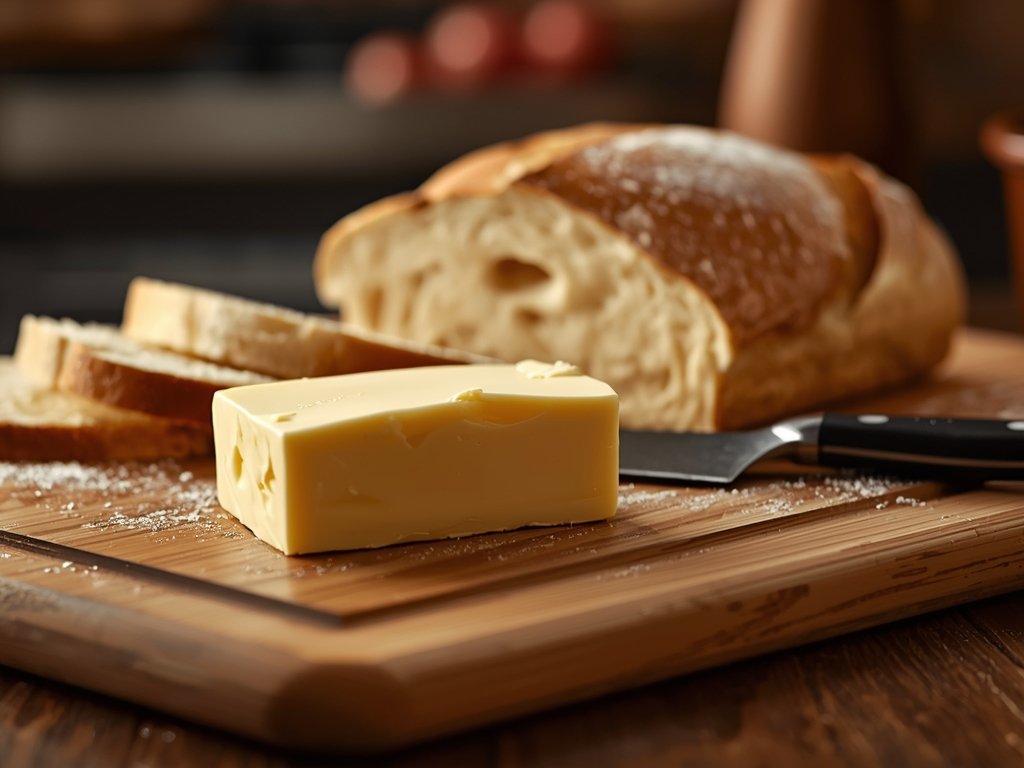
The topping is where most frozen sweet potato casseroles go wrong, and the rule is simple: freeze the filling, not the topping. Marshmallows do not survive the freezer. They go in soft and pillowy and come out sticky, shrunken, and weepy, and no amount of re-toasting brings back the texture. Every freezing guide that mentions marshmallows says the same thing: freeze the casserole without them and add them fresh before baking. The same applies to a casserole that was already baked with marshmallows on top — the topping will not recover, so scrape it off before freezing the filling, or accept that the leftovers will be marshmallow-free.
Pecan streusel is more forgiving but still better kept separate. Frozen and thawed in place on top of the filling, the brown sugar in the streusel absorbs moisture and the pecans lose their crunch. Frozen on its own in a freezer bag, the streusel stays dry and crisp, and you scatter it over the thawed filling just before baking. The separate-bag method costs nothing and removes the risk entirely.
There is one more topping to think about: a casserole topped with a brown-sugar-and-butter crumble that includes flour holds up better than a marshmallow topping but still benefits from being added fresh. If you are short on freezer space, skip freezing the topping altogether and mix it in five minutes on baking day.
How Long Does It Last in the Freezer?

How long frozen sweet potato casserole lasts depends on which source you ask, and the honest answer is a range. Most recipe guides say an unbaked casserole keeps its best quality for two to three months, and a baked one for one to two months. North Dakota State University Extension’s food storage guide gives casseroles one month in the freezer, while the USDA FoodKeeper guidance behind the FoodSafety.gov cold food storage chart lists casseroles at two to three months. So the range is one to three months, with two to three months as the practical target for a well-wrapped unbaked casserole and one to two months for a baked one.
All of those numbers are quality windows, not safety deadlines. Food kept continuously frozen at 0°F or below stays safe indefinitely, because bacteria cannot grow at that temperature. What changes over time is quality: flavour fades, the filling dries at the edges, freezer burn creeps in wherever air touched the surface, and the pecans in the topping can pick up stale flavours. A casserole frozen in early November and baked for Thanksgiving is at its best. The same casserole found in March is safe to eat but will taste tired, and it belongs in a weeknight supper rather than on the holiday table.
How to Thaw and Reheat It
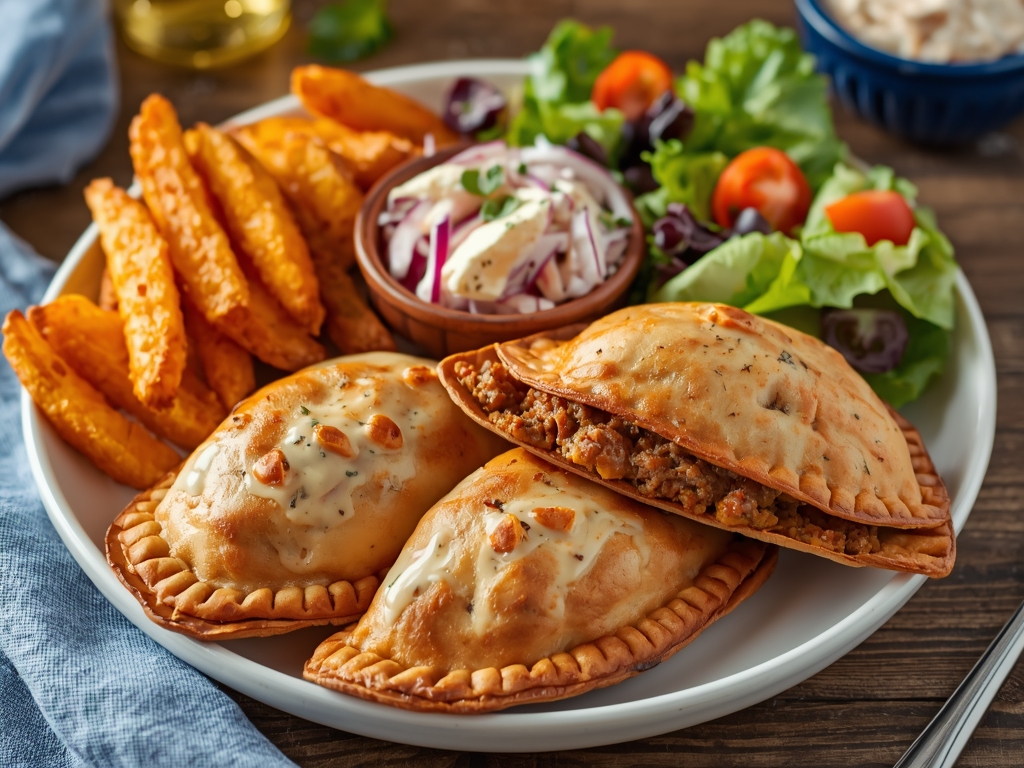
Thaw the casserole in the refrigerator, never on the counter. Move the dish from the freezer to the fridge the night before you plan to bake it — a standard 9×13 dish needs a full 24 hours, and a deep dish can need a day and a half. Thawing on the counter lets the outside of the filling sit in the temperature danger zone, between 40°F and 140°F, while the centre is still frozen solid, and that is exactly the situation food-safety guidance is written to prevent. If you are short on time, a shallow dish thaws faster than a deep one, which is one more reason to freeze leftovers in portions.
Once thawed, let the dish sit on the counter for 30 minutes so it loses the fridge chill, then add the topping. Bake it covered with foil at 350°F until the centre is hot all the way through, then uncover it for the last 10 to 15 minutes so the topping crisps. Use a food thermometer, not the clock: the centre of the filling should reach 165°F. A casserole that is hot on top and cool in the middle is not done, and the thermometer is the only way to know. If you are baking from frozen because you forgot to thaw it, add about 20 minutes to the bake time and keep it covered for longer, checking the centre temperature before you uncover it.
Single portions reheat in the microwave in two to three minutes, stirred halfway through so there are no cold spots, again to 165°F in the centre.
How Long Does Sweet Potato Casserole Last in the Fridge?
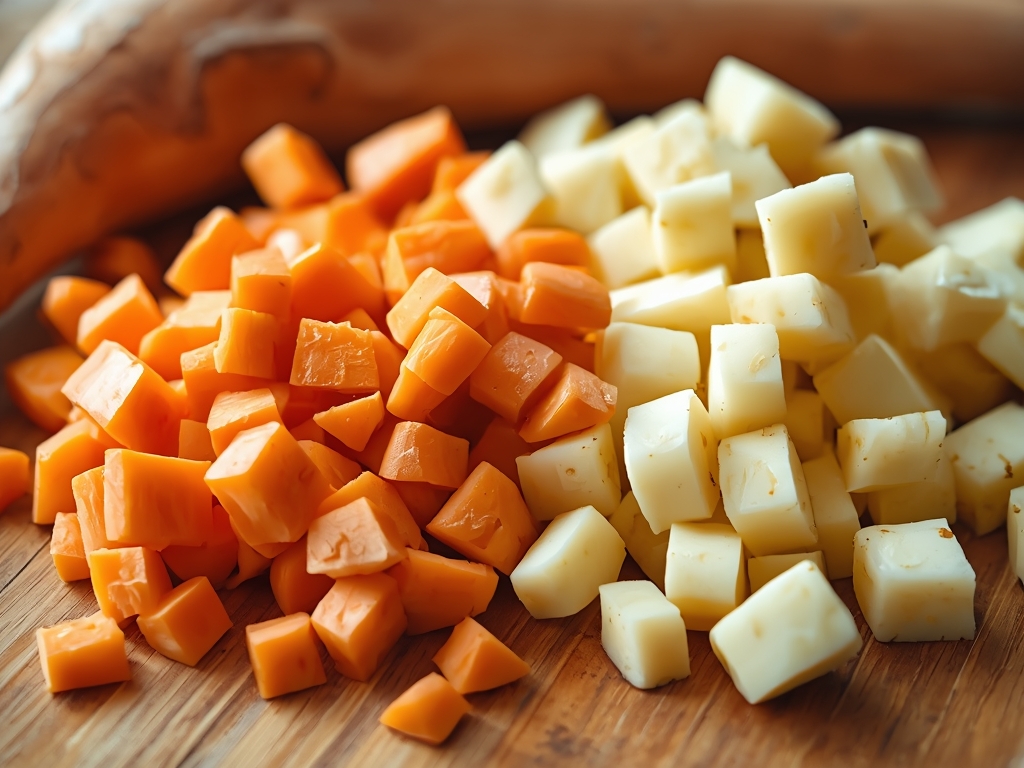
In the refrigerator, sweet potato casserole lasts three to four days. That figure comes from the USDA Food Safety and Inspection Service’s leftovers guidance, which gives cooked leftovers three to four days in a fridge at 40°F or below, and the FoodSafety.gov cold food storage chart gives the same three-to-four-day figure for cooked casseroles. Count from the day you cooked it, not the day you put it in the fridge, and get it into the fridge within two hours of baking — within one hour if the kitchen is above 90°F.
A casserole made on Sunday should be eaten by Wednesday or Thursday, and anything left after day four should be thrown out even if it looks and smells fine. That three-to-four-day fridge window is also the deadline for deciding whether to freeze the leftovers: if Friday’s casserole is still in the fridge on Sunday, freeze it then, while it is still well inside the window, rather than waiting until it is already past its best. For the same windows across the rest of the Thanksgiving table, see our guide to how long leftovers last in the fridge — and if the mashed potatoes are the dish you are really trying to get ahead on, our make-ahead mashed potatoes guide runs the same fridge-versus-freezer choice for the other orange side dish on the table.
The Bottom Line
Yes, you can freeze sweet potato casserole, and the unbaked route is the one to take when you are planning ahead. Cook the sweet potatoes, mash them with butter, sugar, and spice, stir in two tablespoons of citrus juice per quart of mash if you want to protect the colour, and freeze the filling in a tightly wrapped dish with the topping in a separate bag. Use it within two to three months for the best quality, and remember that one to three months is the range across sources while the freezer itself keeps the food safe indefinitely at 0°F. Marshmallows never go in the freezer — add them fresh. Thaw in the fridge overnight, bake covered at 350°F until the centre hits 165°F, and uncover for the last few minutes so the topping crisps. In the fridge, the casserole keeps three to four days from the day you cooked it. Freeze it unbaked, top it fresh, and Thanksgiving dinner tastes like you made it that morning.

Ghani is the founder of TwiceTasty and a passionate home cook who believes no meal should go to waste. What started as a personal mission to transform leftovers into exciting new dishes has grown into a community of food lovers who share the same philosophy.
