Follow Me On Social Media!

Stuffing is the dish that eats Thanksgiving Day alive. The turkey owns the oven, the gravy needs the stove, and the stuffing needs both — unless you make it ahead. The good news is that stuffing is one of the easiest dishes to move off the day: the bread can be dried days in advance, the vegetables and sausage can be cooked ahead, and the whole dish can be assembled and frozen for a month. The catch is a food-safety rule that surprises most cooks: you cannot mix the wet and dry ingredients together and leave the raw mixture sitting in the fridge. This article lays out the three timelines that work, the step-by-step method for each, the egg rule that decides which timeline you can use, and how to bake, freeze, and reheat stuffing safely.
The Short Answer: Yes — But Keep Wet and Dry Apart Until Bake Day
Yes, you can make stuffing ahead of time, and the safe way to do it is in stages. Dry the bread cubes up to three days ahead. Cook the celery, onion, and sausage a day or two ahead and refrigerate them. Keep the dry ingredients and the wet ingredients separate until you are ready to bake, then combine them, pour over the stock and eggs, and put the dish straight into the oven. If you want to assemble the whole dish further ahead, freeze it unbaked for up to a month instead of refrigerating it.
The reason for the separation is the USDA Food Safety and Inspection Service’s rule on stuffing: do not mix the wet and dry ingredients until just before cooking, and do not refrigerate uncooked stuffing. If stuffing is prepared ahead of time, the USDA says it must be either frozen or cooked immediately. The wet mixture — butter, cooked vegetables, stock, and raw egg — sitting mixed into bread cubes in the fridge is an ideal place for bacteria to grow, and the eggs in the mixture are part of the problem. Many recipe sites publish a simpler method, assembling the dish one or two days ahead and refrigerating it, but that method conflicts with the USDA’s guidance. The staged method below follows the USDA rule: the work is done ahead, and Thanksgiving Day is just combining and baking. For the rest of the table, the same staged thinking works: our guide to making gravy ahead of time moves that dish off the day too.
The Three Timelines: 3 Days, 1–2 Days, or a Month Ahead
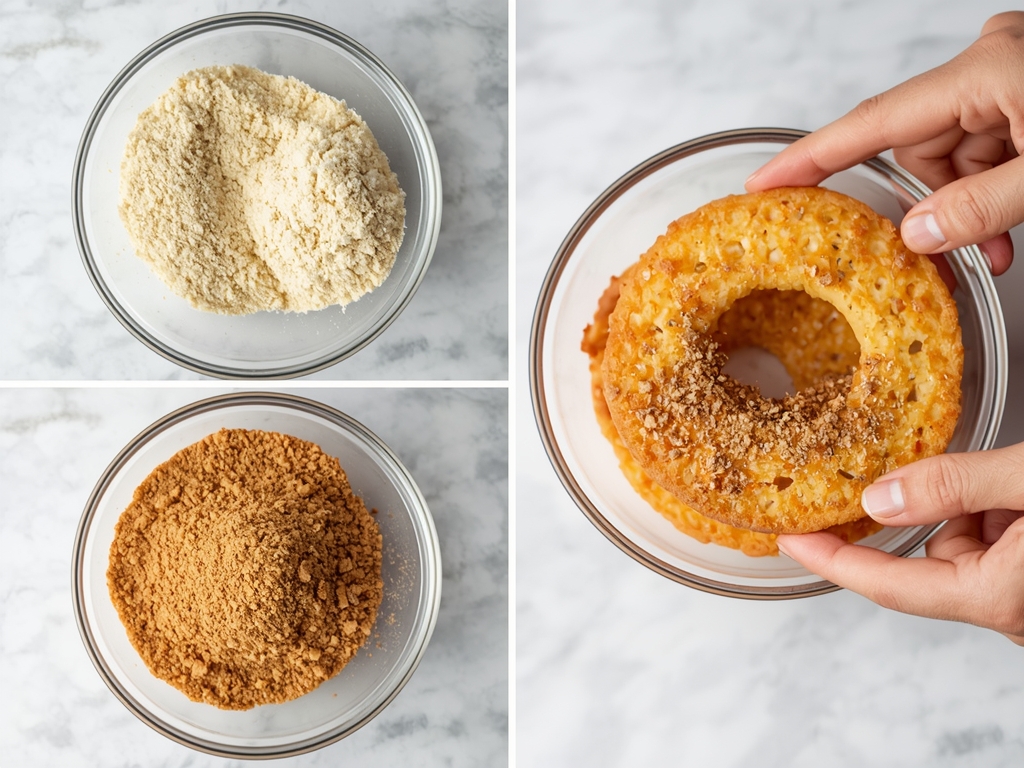
There are three timelines that work, and the right one depends on how far ahead you want to be. Three days ahead is the bread timeline: dry the bread cubes, cool them, and store them in a bag or container at room temperature. Dried bread keeps for days, and it is the foundation of good stuffing — dry cubes soak up butter and stock without turning to mush, while fresh soft bread collapses into paste.
One to two days ahead is the prep timeline: cook the vegetables and sausage, cool them, and refrigerate them in a covered container. Chop the herbs. Measure the seasonings. Everything is ready, and nothing risky has been mixed yet. On baking day you combine the dried bread, the cooked vegetables, the stock, and the eggs, and the dish goes straight into the oven.
A month ahead is the freezer timeline: assemble the whole unbaked dish, wrap it tightly, and freeze it. Frozen stuffing bakes directly from frozen with extra time, and this is the only way to have a fully assembled dish waiting before the week of Thanksgiving. It is also the timeline the USDA’s rule points to: assembled and frozen is safe; assembled and refrigerated is not. Do not mix the timelines: assembling the dish two days ahead and refrigerating it is the one combination the USDA says not to do.
Step 1: Dry the Bread (Up to 3 Days Ahead)

Good stuffing starts with dry bread, and drying is the easiest make-ahead step there is. Use a sturdy loaf — French bread, Italian bread, sourdough, or challah — and cut it into cubes about an inch across. Soft sandwich bread turns to paste; a firm crumb holds its shape and soaks up flavour without falling apart. Spread the cubes in a single layer on rimmed baking sheets and leave them out overnight, or dry them in a low oven at 300°F for 30 to 40 minutes, stirring halfway through, until they feel dry and lightly golden but not hard.
Once the cubes are completely cool, store them in a large bag or container at room temperature. They will keep for up to three days, and you can prepare them even earlier and freeze them if you want. Dried cubes are also more forgiving than fresh bread when the stock goes in: they absorb liquid slowly and evenly, which is what gives stuffing a moist centre and a crisp top instead of a soggy middle. If your bread is already a day or two old, it needs less oven time — check it at 8 to 10 minutes.
Step 2: Cook the Vegetables and Sausage Ahead

The second stage is the cooking that gives stuffing its flavour, and all of it can happen a day or two before Thanksgiving. Melt butter in a large skillet and cook the chopped onion and celery until softened, about seven to eight minutes, then add the herbs — sage, thyme, and rosemary — and cook for another minute until the kitchen smells like Thanksgiving. If your stuffing includes sausage, cook it in the same skillet first, breaking it into small pieces, and drain off the excess fat before the vegetables go in.
Cool the cooked mixture completely, then refrigerate it in a covered container. Cooked vegetables and sausage kept in the fridge are ordinary leftovers, and the ordinary rules apply: refrigerate within two hours of cooking and use within three to four days. Keep the stock separate too — warm stock poured over dried bread is a baking-day step, not a prep step. If you made your own stock, it follows the same fridge window, and our guide to making turkey stock from the carcass covers how to keep it and how long it lasts.
The Egg Rule: Why Stock and Eggs Wait Until Baking Day
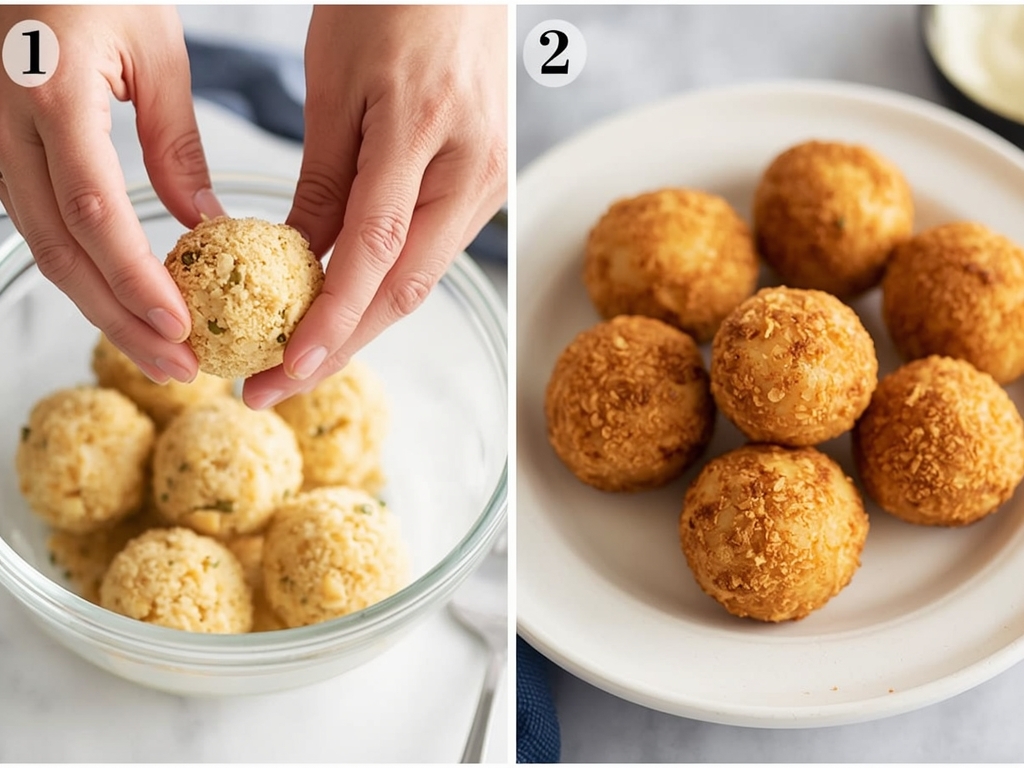
Eggs are the reason the wet and dry ingredients stay apart. Eggs bind the stuffing and give it the custardy centre that makes the difference between stuffing and dry breadcrumbs, but raw egg mixed into moist bread cubes and left in the fridge is a food-safety problem. The USDA’s rule is blunt: the dry and wet ingredients for stuffing can be prepared ahead of time and chilled, but do not mix wet and dry ingredients until just before spooning the mixture into a casserole. If stuffing is prepared ahead, it must be either frozen or cooked immediately.
That is why the recipes that handle this best keep the stock and eggs separate until the last moment. The bread and the cooked vegetables can be combined a day ahead, covered, and refrigerated — they are both cooked or dry, and neither is a risk. The stock and eggs stay in their own container in the fridge. On baking day, you whisk the warm stock with the eggs, pour the mixture evenly over the bread, press gently so the cubes absorb the liquid, and put the dish in the oven. Adding the stock slowly keeps the eggs from scrambling, and warming the stock first helps the bread absorb it.
This is also why stuffing a turkey the night before is never safe. The USDA says never to stuff a bird ahead of time, and never to stuff a bird with leftover cooked stuffing. If you do stuff the bird, mix the stuffing just before filling the cavity, spoon it in loosely — about three-quarters of a cup per pound — and roast it immediately in an oven set no lower than 325°F. The centre of the stuffing must reach 165°F, and that is harder to achieve inside a bird than in a casserole dish. Baking the stuffing separately is the USDA’s preference, and it gives you the crisp golden edges a bird never does.
Baking Day: From Fridge (or Freezer) to the Oven

On Thanksgiving Day, take the bread and vegetable mixture out of the fridge 30 minutes before baking so it loses its chill. Heat the oven to 350°F — most stuffing recipes bake at 350°F, though some use 375°F or 400°F, so follow your recipe’s temperature and trust the thermometer over the clock. Whisk the stock and eggs together, pour them over the bread, and press the cubes down gently so they absorb the liquid evenly. Dot the top with butter if your recipe calls for it.
Cover the dish tightly with foil and bake for about 30 minutes, then uncover it and bake for another 25 to 30 minutes until the top is deep golden. If the dish went into the oven cold from the fridge, add 10 to 15 minutes to the covered time. The stuffing is done when the centre reaches 165°F on a food thermometer — that is the USDA’s safe minimum internal temperature for stuffing, and the number that matters more than the colour of the top. Let it rest for 10 minutes before serving so the centre sets and the slices hold together.
If you froze the assembled dish, you do not need to thaw it first. Bake it directly from frozen, covered, and add extra time — roughly 15 to 20 minutes more than the recipe calls for, checking the centre temperature before you uncover it. Food Network’s make-ahead guide describes the same three methods — prep the ingredients up to two days ahead, freeze the cooked meat and vegetable mixture for up to two weeks, or bake the stuffing fully one day ahead and reheat it to 165°F — and the staged approach in this article is the version of the first method that follows the USDA’s rule on keeping wet and dry apart.
Can You Freeze Stuffing? Baked vs Unbaked

Yes, stuffing freezes well in both directions, and the freezer is the make-ahead tool that the fridge is not. Unbaked stuffing, assembled in a freezer-safe dish and wrapped tightly in foil, keeps its best quality for up to a month. Thaw it in the refrigerator for 24 hours and bake as directed, adding 10 to 15 minutes if it is still cold in the centre — or bake it directly from frozen with a longer covered bake. Either way, the centre must reach 165°F.
Baked stuffing freezes just as well, and this is the route for leftovers. Cool it completely, then pack it into freezer-safe containers or bags with the air pressed out, and use it within one to three months for the best quality. Thaw it overnight in the refrigerator and reheat it covered at 350°F, with a splash of warm stock drizzled over the top to bring back the moisture. Our guide to freezing leftover stuffing runs through the baked-freezing method in detail, including the portion sizes that thaw fastest.
The freezer window is a quality window, not a safety deadline: food kept continuously frozen at 0°F stays safe indefinitely, and what declines over time is flavour and texture. A dish frozen at the start of November and baked for Thanksgiving is at its best. A dish found in February is safe but tired, and belongs in a weeknight supper. Label every dish with the date.
Storing and Reheating Leftover Stuffing

Leftover stuffing follows the standard leftovers rules. Cool it quickly — spread it in shallow containers so it cools fast — and refrigerate it within two hours of baking. It keeps for three to four days in a fridge at 40°F or below, according to the USDA and the FoodSafety.gov cold food storage chart. Count from the day you baked it, and throw out anything left after day four even if it looks and smells fine.
To reheat, spoon the stuffing into a baking dish, drizzle it with a splash of warm stock, cover it with foil, and bake at 350°F for 20 to 25 minutes, uncovering it for the last five to 10 minutes to re-crisp the top. Check that the centre reaches 165°F. Single portions reheat in the microwave in two to three minutes, stirred halfway through. If you have more leftover stuffing than you can eat in four days, freeze the rest on the first day, while it is still fresh, and our guide to what to do with leftover stuffing has ideas for using it up before the window closes.
The Bottom Line
Make-ahead stuffing works in stages, and the stages are what keep it safe. Dry the bread up to three days ahead. Cook the vegetables and sausage one or two days ahead and refrigerate them. Keep the stock and eggs separate until baking day, because the USDA says not to mix wet and dry ingredients until just before cooking and not to refrigerate uncooked stuffing — if it is prepared ahead, it must be frozen or cooked immediately. Assemble the whole dish and freeze it for up to a month if you want to be further ahead, and bake it straight from the freezer with extra time. On the day, combine everything, bake covered at 350°F, uncover to crisp the top, and check that the centre reaches 165°F. Leftovers keep three to four days in the fridge and reheat to 165°F. Do the work in stages, keep the wet and dry apart, and the stuffing is done before the turkey ever goes in the oven.

Ghani is the founder of TwiceTasty and a passionate home cook who believes no meal should go to waste. What started as a personal mission to transform leftovers into exciting new dishes has grown into a community of food lovers who share the same philosophy.
