Follow Me On Social Media!

Yes, you can freeze pumpkin puree, and freezing is the only safe way to keep it at home. A batch of puree, packed properly and labelled, will be ready for pies, soups, muffins, and breads for months. The catch is that the same puree that freezes so well must never go into a home canner. No one has ever produced a tested, safe home-canning process for mashed or pureed pumpkin. This article covers why canning is off the table, how to make puree from a whole pumpkin, the exact freezing method, how long it lasts, how to thaw it, and what to cook with it.
The Short Answer: Yes, Freezing Is the Only Safe Way to Keep It
Freezing is the only safe way to keep homemade pumpkin puree, and it is also the simplest. Cook the pumpkin until soft, mash it, cool it quickly, pack it with half an inch of headspace, and freeze it. That is the method of the National Center for Home Food Preservation, the authority that tests home food preservation in the United States. There is no tested home-canning process for pumpkin puree, mashed pumpkin, or pumpkin butter. The USDA withdrew its directions for canning mashed pumpkin in 1989, and nothing has replaced them.
The reason is heat. Dense, thick, low-acid puree stops heat from reaching the centre of a jar reliably, so there is no way to guarantee that botulism spores have been destroyed. Freezing sidesteps the problem entirely: a container frozen solid at 0°F or below stays safe indefinitely, losing only quality over time. That matters in the week before Thanksgiving, when cooks buy more pumpkins than one pie needs. A sugar pumpkin yields roughly two to three cups of puree, while a pie calls for about one and three-quarter cups, so extra puree is almost guaranteed. Freeze it in one-cup portions for breads and soups, and a cup and a half for a pie.
Why You Must Never Can Pumpkin Puree
In a pressure canner, heat must travel from the outside of the jar to the coldest spot in the centre and hold it hot enough, long enough, to destroy botulism spores. In a thin liquid like broth, convection currents carry the heat around. In thick puree, there is almost no convection, and heat creeps inward slowly and unevenly. That is why the National Center for Home Food Preservation says there is no recommended home canning process for mashed or pureed pumpkin or winter squash, and the same warning covers pumpkin butter. Botulism is rare but serious, and a jar that looks fine, smells fine, and seals perfectly can still carry it.
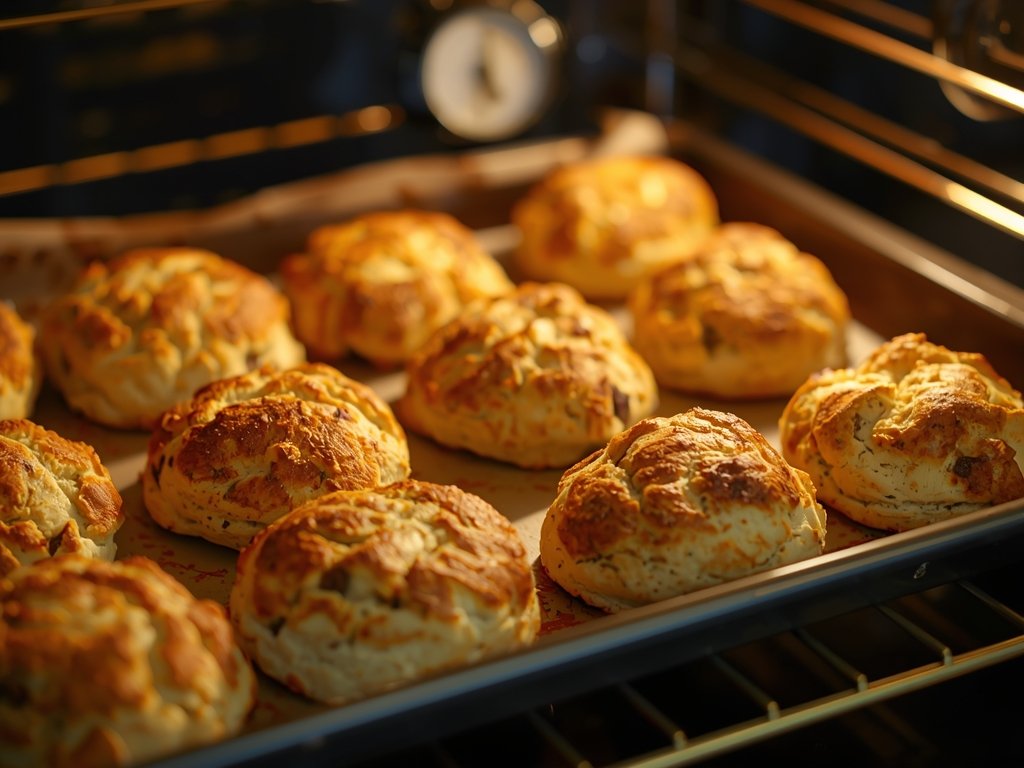
You can pressure-can pumpkin, but only as one-inch cubes, following the tested process exactly. The NCHFP process, pumpkins and winter squash, cubed, calls for pints processed for 55 minutes and quarts for 90 minutes, with one inch of headspace and the cubes packed hot. The instructions say plainly: do not mash or puree. Mash them, and that movement stops. Boiling-water canning is even further out of the question, because pumpkin is low-acid and boiling water never reaches the temperature needed to destroy botulism spores. A baking sheet of golden scones in the oven shows how heat should work in cooking: even, predictable, and reaching every part of the food. A jar of dense puree in a canner is the opposite.
How to Make Pumpkin Puree From a Whole Pumpkin
Start with the right pumpkin. Use a sugar pumpkin or a pie pumpkin, the small, dense varieties sold for cooking, usually three to five pounds. They have thick, sweet, fine-textured flesh that mashes into a smooth puree. Do not use a carving pumpkin. Carving pumpkins are bred for size and a hollow shell, and their flesh is watery, stringy, and bland.
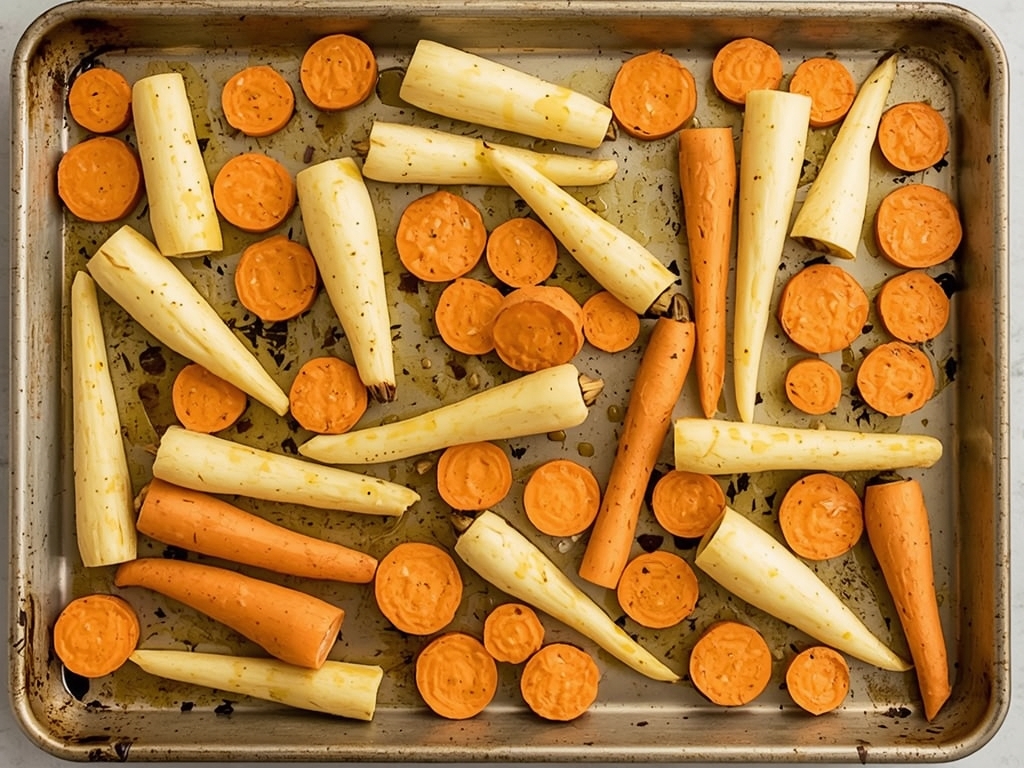
The National Center for Home Food Preservation lists four ways to soften a pumpkin: boiling water, steam, a pressure cooker, or the oven. The oven is easiest and gives the best flavour, because roasting concentrates the pumpkin instead of watering it down. Wash the pumpkin, cut it in half, scoop out the seeds and strings, and place the halves cut-side down on a baking sheet lined with parchment. Roast at 375°F until a fork slides in with no resistance, usually 45 to 60 minutes. A sheet pan of carrots and parsnips roasts the same way, and the same test applies. Let the halves cool enough to handle, then scoop the flesh from the rind. Boiling means simmering cut sections until soft, then draining well. Steaming uses less water, and a pressure cooker is fastest, usually 12 to 15 minutes at high pressure. Mash with a potato masher, or use a food processor for a silkier result. If the puree looks watery, strain it for 20 to 30 minutes or cook it gently over low heat, stirring often, until it thickens.
How to Freeze Pumpkin Puree Step by Step

Freezing follows the NCHFP method, and each step has a reason. Cook the pumpkin until soft, remove the pulp from the rind, and mash it. Then cool the puree quickly, which is the step people skip and the one that matters most for quality. The NCHFP says to place the pan of pumpkin in a pan of cold water and stir occasionally until cool. Hot puree packed straight into a container will steam, and that steam becomes ice crystals and frost, which dry the surface and dull the flavour. Fast cooling also gets the puree through the temperature range where bacteria grow quickest, which is why the food safety rule says to refrigerate cooked food within two hours.
Once cool, pack the puree into freezer containers or heavy-duty freezer bags, leaving half an inch of headspace. Puree expands as it freezes, and a container filled to the brim will crack, pop its lid, or split a bag seam. If you use bags, press out as much air as you can, seal them, and lay them flat until solid. Flat bags stack neatly and thaw faster. Freeze in one-cup amounts, which is what most recipes call for, plus a few half-cup bags for smoothies and soup. The same portioning logic works for storing homemade broth. Freeze fast, at 0°F or below, with bags in a single layer until solid, because fast freezing makes smaller ice crystals and a smoother texture.
How Long Does Frozen Pumpkin Puree Last?
How long frozen pumpkin puree lasts depends on which authority you ask, and the honest answer is a range. University of Nebraska-Lincoln Extension and University of California Cooperative Extension both say pumpkin puree keeps for up to 12 months in the freezer. The USDA FoodKeeper app lists cooked vegetables at one to two months, a much shorter window. Both numbers are quality windows, not safety deadlines. Food kept continuously frozen at 0°F is safe indefinitely, because bacteria cannot grow at that temperature. What changes over time is quality: flavour fades, colour dulls, texture gets watery, and freezer burn creeps in at the edges.
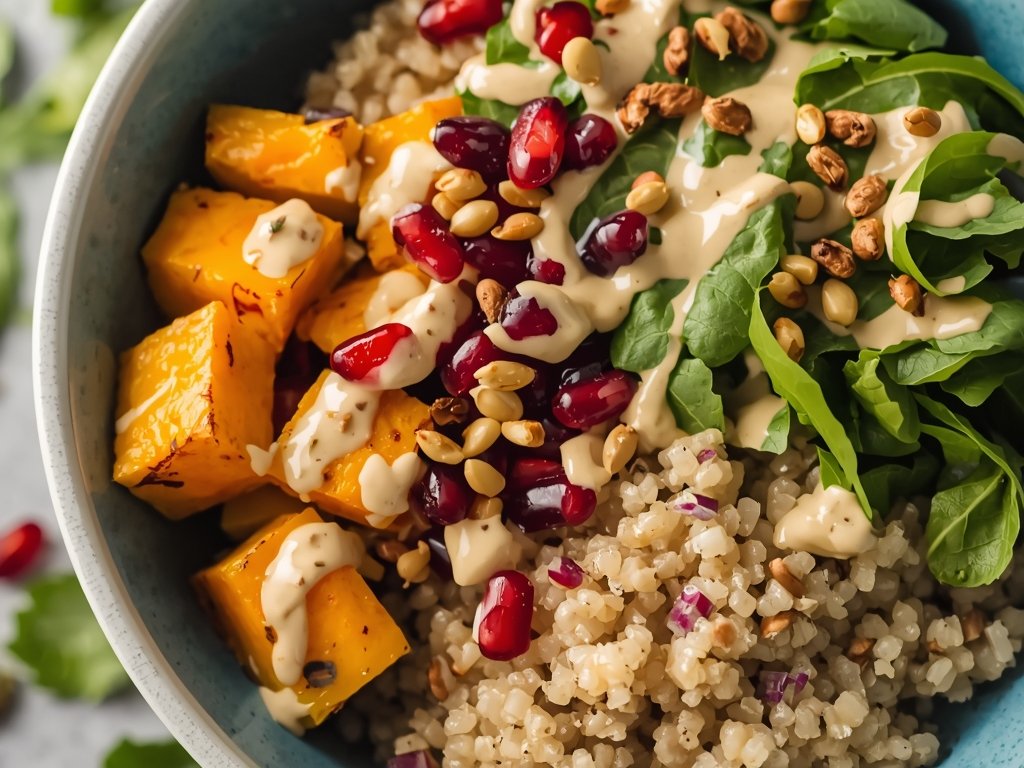
In practice, puree frozen in heavy-duty bags with the air pressed out, or in rigid containers with half an inch of headspace, tastes excellent for eight to twelve months. The puree that disappoints was packed loosely, left half empty with trapped air, or stored in a freezer that warms up every time the door opens. Freeze in October and November, use it by the following October, and treat anything older than a year as a candidate for soup rather than pie, where extra water will not be noticed. The FoodSafety.gov cold food storage chart makes the same point: freezer times are for quality only, and foods stored continuously at 0°F or below can be kept indefinitely. A grain bowl topped with roasted squash shows what well-kept frozen squash can become: bright, golden, and full of flavour months later.
How to Thaw Pumpkin Puree

The best thawing method is the slowest one: move the container from the freezer to the refrigerator and let it thaw overnight. A one-cup bag laid flat usually thaws in six to eight hours, while a larger tub can take twelve hours or more. If you need it faster, use the cold-water method: put the sealed bag in a bowl of cold water, change the water every 30 minutes, and it should thaw in one to two hours.
Expect thawed puree to look a little different. It will usually be thinner, with liquid on top and a slightly grainier texture underneath. That is normal. Freezing breaks down some cell structure, and water separates out when it thaws. Stir well and most of the texture comes back. If it is still too thin for baking, drain it in a fine-mesh strainer for 20 minutes, or cook it gently over low heat, stirring constantly, until it thickens. A mixing bowl of flour beside a bowl of chocolate batter is a reminder of what thawed puree is for: baking, where a smooth, well-stirred puree matters more than a perfect texture on its own. Do not refreeze thawed puree. Once it has thawed, use it or lose it. Each freeze-thaw cycle breaks down the texture further, and a second freeze leaves the puree watery and bland. The same thinking applies to freezing roasted vegetables, where small portions save you from thawing a whole tray for one side dish.
How to Use Frozen Pumpkin Puree (Baking, Soup, and More)

Baking is the obvious starting point. A cup of thawed puree goes into pumpkin bread, muffins, scones, and pancakes with no change to the recipe, and it is the base of every pumpkin pie, including the pie you might freeze later. See our guide to freezing pumpkin pie for the details on that. Fresh puree is a little thinner than canned, so drain it first if your recipe was written for canned pumpkin, especially for pie, where extra water can make the filling soft and the crust soggy. Scoop a spoonful and watch how it falls: if it slides off in a wet ribbon, drain it; if it drops in a soft mound, it is ready. Batter being poured into a muffin tin is the picture to hold in mind: smooth, golden, and ready for the oven.
Soup is the second home for pumpkin puree, and the most forgiving. Stir thawed puree into stock with sautéed onion, garlic, and ginger, simmer for 20 minutes, and blend until smooth. The puree thickens the soup on its own, so you need no cream or flour, and a swirl of cream or yoghurt at the end is enough to finish it. A freezer bag of puree is not a single pie waiting to happen. It is a dozen meals, and the only limit is how many portions you froze.
How Long Does Pumpkin Puree Last in the Fridge?

Pumpkin puree lasts three to four days in the fridge, and that window is a safety limit, not a suggestion. The USDA Food Safety and Inspection Service says leftovers can be kept in the refrigerator for three to four days, and the FoodSafety.gov cold food storage chart gives the same three-to-four-day figure for cooked vegetables and cooked meat and poultry. Count from the day you cooked the pumpkin, not the day you put it in the fridge, and keep the fridge at 40°F or below. A container made on Sunday should be used by Wednesday or Thursday, and anything left after day four should be thrown out, even if it looks and smells fine.
Getting the puree into the fridge quickly matters as much as the day count. Refrigerate it within two hours of cooking, or within one hour if the kitchen is above 90°F. A rustic loaf of bread with herb butter is a good companion for the puree in its fridge window: use the puree in a soup or a spread, serve it with bread, and the batch is gone before day four. For a broader look at these windows across the Thanksgiving table, see our guide on how long leftovers last in the fridge. Canned pumpkin puree, once opened, follows the same three-to-four-day rule.
The Bottom Line
Yes, you can freeze pumpkin puree, and freezing is the only safe way to keep it at home. There is no tested home-canning process for puree, mashed pumpkin, or pumpkin butter, and the USDA withdrew its mashed-pumpkin canning directions in 1989. The only pumpkin you can pressure-can is cut into one-inch cubes, pints for 55 minutes and quarts for 90 minutes, and even then the instructions say not to mash or puree. Cook the pumpkin until soft, mash it, cool it fast in a cold-water bath, pack it with half an inch of headspace, label it, and freeze it at 0°F or below. Use sugar or pie pumpkins, not carving pumpkins, and freeze in one-cup portions. The freezer window is a quality question: extension services say up to 12 months, FoodKeeper says one to two months for cooked vegetables. In the fridge, the puree keeps three to four days from the day you cooked it, refrigerated within two hours.

Ghani is the founder of TwiceTasty and a passionate home cook who believes no meal should go to waste. What started as a personal mission to transform leftovers into exciting new dishes has grown into a community of food lovers who share the same philosophy.
