Follow Me On Social Media!

A whole turkey is a commitment: a day of thawing, hours in the oven, a carcass to deal with, and leftovers for a week. A turkey breast is the same dinner without the commitment. It feeds two to eight people, it cooks in about an hour and a half instead of four, it needs no special equipment, and it leaves no carcass behind. Thanksgiving is Thursday, November 26, 2026, and a turkey breast bought on Saturday, November 21 needs about a day in the fridge to thaw if it is frozen, or it can be bought fresh on Wednesday. This guide covers bone-in versus boneless, how much to buy, seasoning and brining, the oven method, the slow cooker, the Instant Pot, and the temperature that decides when it is done.
The Short Answer: Roast at 450°F, Then 350°F, to 165°F
The short answer is to roast a turkey breast in a hot oven — 450°F to start the browning, then 350°F so the meat cooks through slowly — until a thermometer in the thickest part of the breast reads 165°F. A bone-in breast takes about twenty minutes per pound, so a six-pound breast takes about two hours, and a three-pound half-breast takes about an hour. Pull the breast from the oven when it reads 160°F, cover it loosely with foil, and let it rest for ten to fifteen minutes: the temperature will rise to 165°F while it rests, which is the USDA safe temperature for poultry. That carryover is not a shortcut — it is the method. The guides disagree slightly on the pull temperature, and the range is worth stating: Williams-Sonoma pulls at 160°F, the Mom 100 pulls at 160°F, and PureWow pulls at 155°F, all relying on carryover to reach 165°F, while The Kitchn checks for 165°F in the meat itself. The safe rule is the same in every version: the breast must reach 165°F before it is served, whether that happens in the oven or on the board. Check with a thermometer, not with time, and not with colour.
Bone-In vs Boneless: Which Breast Should You Buy?

Buy bone-in and skin-on if you can. The bone does three things a boneless breast cannot: it keeps the meat moist, because the bone insulates the meat closest to it and slows the cooking; it adds flavour, because the bone and the skin render fat and juices into the meat as it roasts; and it gives you a better presentation, because a bone-in breast carves into generous slices with the skin still attached. A whole bone-in breast, joined at the breast bone, weighs six to seven pounds and feeds six to eight people. A half-breast, also called a split breast, weighs about three pounds and feeds two to four. Boneless breasts are the alternative: a boneless breast, usually sold as a roast tied with string, cooks faster — about fifteen minutes per pound — and carves into neat, uniform slices with no bone to work around. But it dries out faster, because there is no bone to protect it and no skin in some versions, and it is easier to overcook by ten minutes and end up with dry meat.
How Much Turkey Breast Per Person?

Plan on three-quarters to one pound of bone-in turkey breast per person, which is The Kitchn’s figure and the one the other guides converge on. A three-pound half-breast feeds two to four people, a six-pound whole breast feeds six to eight, and a seven-pound breast feeds eight with leftovers. The range exists because appetites differ and because the bone weighs something: a pound of bone-in breast is not a pound of meat, and a table of big eaters needs the full pound per person while a table with six side dishes can manage on three-quarters. For a boneless breast, plan on half a pound per person, because there is no bone weight to account for. Buy a little more than you think you need, not less: a turkey breast that feeds six with no leftovers is a failure, and a turkey breast that feeds six with a container of sliced meat for Friday is a success. The leftovers are the point of a small Thanksgiving as much as the dinner is, and a pound of extra breast costs very little.
The size also decides the cooking time, and the time is not linear. The breast is done when the thickest part reads 165°F, not when the clock says so. And if you are cooking for two, do not buy a seven-pound breast because it was on sale: a breast that is too big for the table is a breast that will be reheated three times, and reheated turkey is never as good as the first serving. Buy the size that fits the table, and let the leftovers come from the sides.
How to Season a Turkey Breast (and Should You Brine It?)

Seasoning a turkey breast is simple: salt, pepper, and butter under the skin, with herbs if you like them. Pat the breast dry with paper towels — a dry surface browns, a wet surface steams — and season it all over with salt. Loosen the skin gently with your fingers, being careful not to tear it, and spread softened butter mixed with chopped rosemary, thyme, sage and garlic under the skin and onto the meat. The butter does two jobs: it bastes the meat from the inside as it melts, and it carries the herb flavour directly onto the meat rather than onto the skin. Season the outside with pepper, and set the breast on a rack in a roasting pan, or on a bed of vegetables in a skillet. Let the breast sit at room temperature for about an hour before it goes into the oven, or refrigerate it uncovered overnight after salting — the uncovered night in the fridge dries the skin, and dry skin crisps better than damp skin.
Brining is optional, and the breast is the cut that benefits most from it, because breast meat is the leanest part of the bird and the easiest to dry out. A dry brine is the simpler method: rub the breast with one tablespoon of kosher salt per five pounds — the USDA figure — and refrigerate it uncovered overnight, then rinse off nothing and roast it as it is. A wet brine is the older method: dissolve three-quarters of a cup of salt per gallon of water, submerge the breast, and refrigerate it overnight, then pat it dry. Both work, and both improve the breast’s ability to retain moisture. For the full brine method, including the salt ratios and the birds you should never brine, see our guide to brining a turkey step by step.
How to Cook a Turkey Breast in the Oven

The oven is the default method, and it is the one the rest of this guide is built around: a hot start for the skin, a lower temperature for the meat, and a thermometer to decide when it is done. If the breast was bought frozen, thaw it first — our guide to thawing a frozen turkey safely covers the timing, and a breast bought on Saturday, November 21 needs about a day in the fridge. Place the seasoned breast on a roasting rack set in a roasting pan, or on top of a bed of vegetables — shallots, carrots, celery and garlic, with just enough chicken broth to mostly cover them — in a skillet or a baking dish. The rack matters: it lifts the breast off the bottom of the pan, so hot air circulates underneath it and the bottom does not steam. The vegetables matter too: they catch the drippings, they flavour the pan juices for gravy, and they keep the breast from sitting in its own fat. Roast at 450°F for twenty-five to thirty minutes, until the skin is golden and crisp, then lower the temperature to 350°F and continue cooking until a thermometer in the thickest part, away from the bone, reads 160°F — about an hour more for a six-pound breast, less for a smaller one. Baste the breast with the pan juices every ten minutes or so if you like, but do not open the oven door more often than that: every opening drops the temperature and adds minutes to the cook.
The internal temperature will rise to 165°F while it rests, and the juices will redistribute through the meat instead of running out onto the board the moment you cut it. A breast that is carved the moment it leaves the oven loses its juices; a breast that rests keeps them. Carve the breast by slicing across the grain, in slices about a quarter to a half inch thick, starting at the breast bone and working outward. For the carving method in detail, including the knife and the platter, see our guide to how to carve a turkey — the method is the same for a breast as for a whole bird, and the breast is the easier version to learn on.
Slow Cooker Turkey Breast

A slow cooker is another way to cook a turkey breast, and it is the method that most reliably produces juicy meat, because the low, moist heat never dries the breast out. It will not give you crispy skin — the skin steams in the slow cooker rather than crisping — but if you do not care about the skin, or if you are willing to finish the breast under the broiler for a few minutes, the slow cooker is the easiest method of all. Place sliced carrots, celery, onions and garlic in the bottom of the slow cooker, add a quarter cup of white wine and half a cup of chicken broth, and set the seasoned breast on top, skin side up. Cover and cook on low for six hours, or until the internal temperature reaches 160°F. The liquid in the bottom enhances the cooking liquid for a more flavourful gravy, and the vegetables cook into a side dish while the breast cooks above them.
Instant Pot Turkey Breast
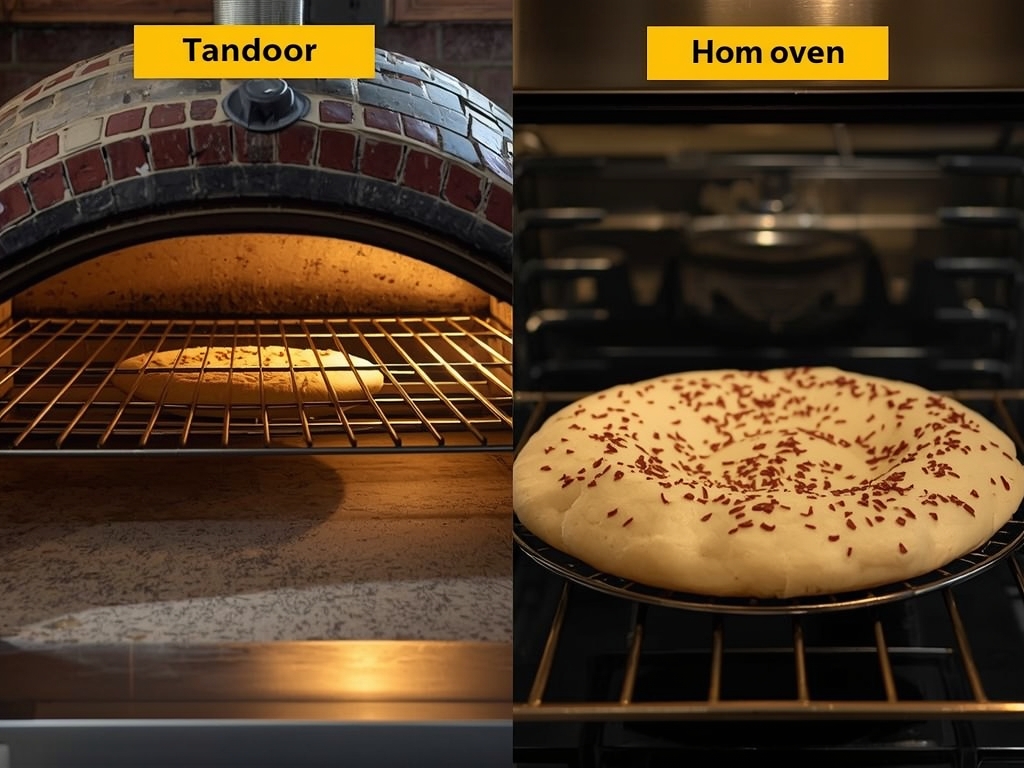
The Instant Pot is the fastest way to cook a turkey breast, and the method that works best when the breast is the only thing on the menu. Turn the Instant Pot to sauté and brown the breast skin side down, tilting it so the skin browns on one side and then the other, for about two minutes per side — the browning is the only crisp the skin will get, so take the time to do it well. Remove the breast, add sliced onions and celery to the pot, and sauté them for three minutes until softened and golden. Turn off the sauté function, add about three-quarters of a cup of broth, and set the breast on a trivet inside the pot, skin side up. Close the lid, set the valve to sealing, and cook on high pressure for about six minutes per pound — thirty-five minutes for a six-pound breast — then let the pressure release naturally for ten minutes before opening the valve. Check the temperature: the thickest part should read 165°F, and if it does not, close the lid and cook for five more minutes.
The Instant Pot’s advantage is speed and moisture: the pressurised steam cooks the breast evenly and keeps it juicy, and the cooking liquid becomes a ready-made gravy base. Its disadvantage is the same as the slow cooker’s — the skin will not be crisp, and the breast will not have the roasted colour of an oven breast. Finish it under the broiler for three to five minutes if you want the skin, or serve it as it is, sliced, with the gravy poured over it. That is the one method where cooking from frozen is genuinely practical, and it is worth knowing on a day when the thaw was forgotten. For the whole-bird cooking times that the breast method is adapted from, see our guide to how long to cook a turkey.
How to Tell When It Is Done — and How Long to Rest It
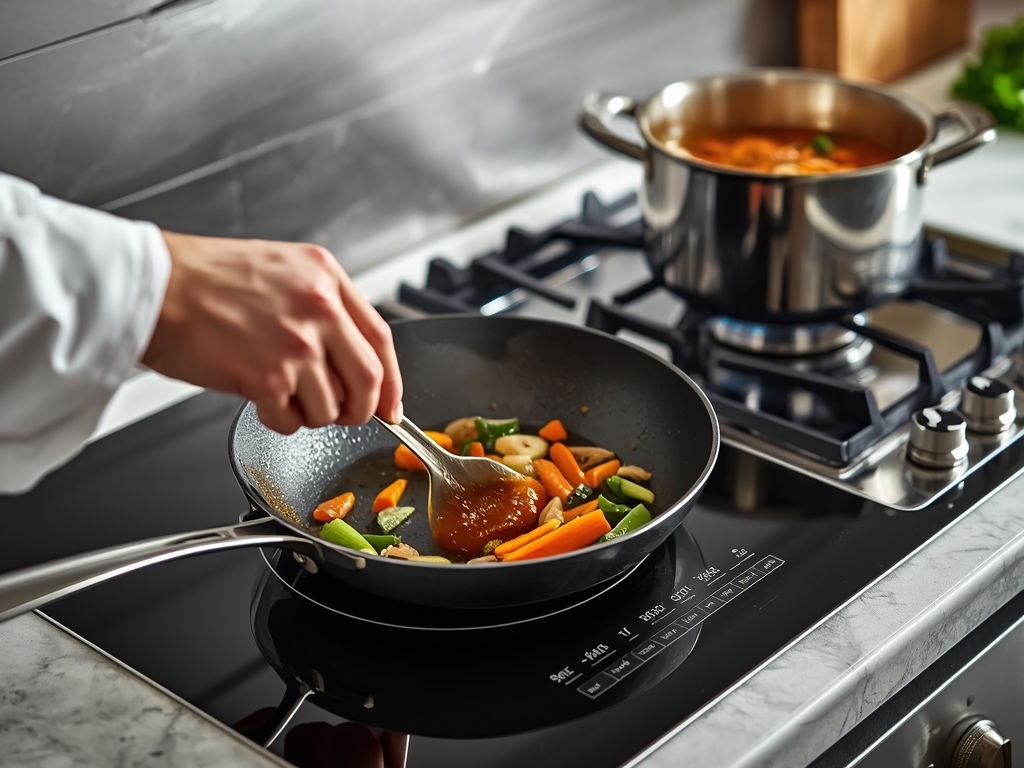
The breast is done when a thermometer in the thickest part, away from the bone, reads 165°F — or when it reads 160°F and will reach 165°F during the rest. Check in the thickest part of the breast meat, not near the bone, because the bone conducts heat and reads hotter than the meat around it. Check in two places if the breast is large, because the two sides of a whole breast can differ by several degrees. Do not trust time alone, and do not trust colour: a breast can look golden on the outside and be undercooked in the middle, and a breast that has been brined can look pink near the bone even when it is fully cooked. The thermometer is the only test that counts, and a breast checked with a thermometer is a breast you can serve with confidence. The Kitchn turkey breast guide gives the same rule — twenty minutes per pound as a plan, 165°F as the verdict — and the same advice to start checking after an hour.
Rest the breast for ten to fifteen minutes, loosely covered with foil, before carving. The rest does two things: it lets the temperature rise the last few degrees to 165°F, and it lets the juices redistribute through the meat. A breast carved immediately loses its juices onto the board; a breast rested for fifteen minutes keeps them. A large breast can rest for up to thirty minutes without cooling too much, and the rest is the time to make the gravy, warm the sides, and set the table. And do not rest it in the roasting pan, where it sits in hot fat and keeps cooking from below; move it to a cutting board, where the air can circulate around it. The carving board should have a moat or a rim, because the juices that run out during carving are the base of the gravy, and they belong in the saucepan, not on the table.
The Bottom Line
Cook a turkey breast when the table is small and the dinner should be too. Buy bone-in and skin-on, three-quarters to one pound per person, and season it with salt, butter and herbs under the skin. Roast it at 450°F for twenty-five to thirty minutes, then at 350°F until a thermometer in the thickest part reads 160°F — about twenty minutes per pound — and rest it for ten to fifteen minutes while the temperature rises to 165°F. Or cook it in the slow cooker on low for six hours, or in the Instant Pot at high pressure for six minutes per pound, and finish the skin under the broiler if you want it crisp. The whole bird is a production; the breast is a dinner. For a small Thanksgiving, it is the right one.

Ghani is the founder of TwiceTasty and a passionate home cook who believes no meal should go to waste. What started as a personal mission to transform leftovers into exciting new dishes has grown into a community of food lovers who share the same philosophy.
