Follow Me On Social Media!

Thawing a turkey is the part of Thanksgiving that most often goes wrong, and it goes wrong quietly. The bird looks fine on the outside while the middle is still frozen solid, or it sits on the counter for hours while the surface warms into the temperature range where bacteria multiply fast. The fix is simple: start early and thaw in the refrigerator. Thanksgiving is Thursday, November 26, 2026, and a 16 to 20 pound turkey needs four to five days in the fridge, so if you are reading this on Friday, November 20, today is the day to move the bird from the freezer to the refrigerator.
The Short Answer: Start in the Fridge, Days Ahead
The safest way to thaw a frozen turkey is in the refrigerator, allowing about 24 hours for every 4 to 5 pounds, according to the USDA Food Safety and Inspection Service. A 12 pound turkey needs about three days, a 16 pound turkey needs about four days, and a 20 pound turkey needs about five days. Keep the bird in its original wrapper, set it on a tray or in a pan to catch drips, and keep the refrigerator at 40°F or below. A turkey thawed this way can stay in the refrigerator for one to two more days before cooking, so finishing a day early is fine. If you have run out of days, the cold-water method works: submerge the wrapped bird in cold tap water, change the water every 30 minutes, allow about 30 minutes per pound, and cook it immediately after thawing. The microwave is the third safe method, and it also ends with cooking immediately. There are only three safe methods. The counter is not one of them.
How Long Does It Take to Thaw a Turkey in the Fridge?
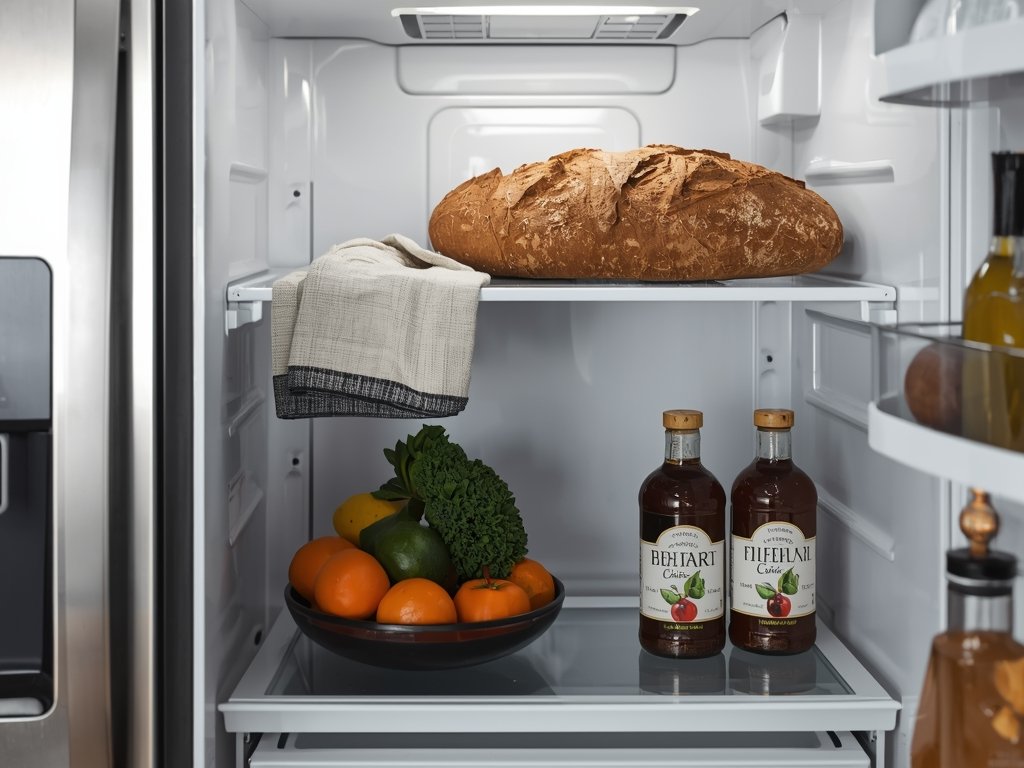
Fridge thawing time depends on weight, and the USDA publishes the times in bands rather than a single formula. The University of Nebraska-Lincoln Extension reproduces the same three methods and the same times. For a whole turkey in a refrigerator set at 40°F or below, allow 1 to 3 days for a 4 to 12 pound bird, 3 to 4 days for 12 to 16 pounds, 4 to 5 days for 16 to 20 pounds, and 5 to 6 days for 20 to 24 pounds. The rule of thumb behind those bands is about 24 hours for every 4 to 5 pounds, so you can estimate any weight in between. A 14 pound turkey, for example, works out to roughly three and a half days, which matches the published band of 3 to 4 days. A turkey breast thaws faster than a whole bird of the same weight because it is smaller and flatter, but the same 24-hours-per-4-to-5-pounds rule is a safe way to plan for it too.
Count backwards from dinner, not forwards from today. If dinner is Thursday at 4 p.m. and your turkey weighs 18 pounds, it needs four to five days, so it should go into the fridge on Saturday or Sunday. If you are starting on Friday, November 20, for a Thursday, November 26 dinner, you have six days, which covers any turkey up to 24 pounds with a day to spare. Check the bird the day before cooking: if the breast and thighs still feel icy hard in the centre, finish the thaw in cold water, covered below. A thawed turkey can stay in the fridge for one to two days before cooking, so an early finish is never a problem, but a late finish on Thanksgiving morning is.
How to Thaw a Turkey in the Refrigerator, Step by Step
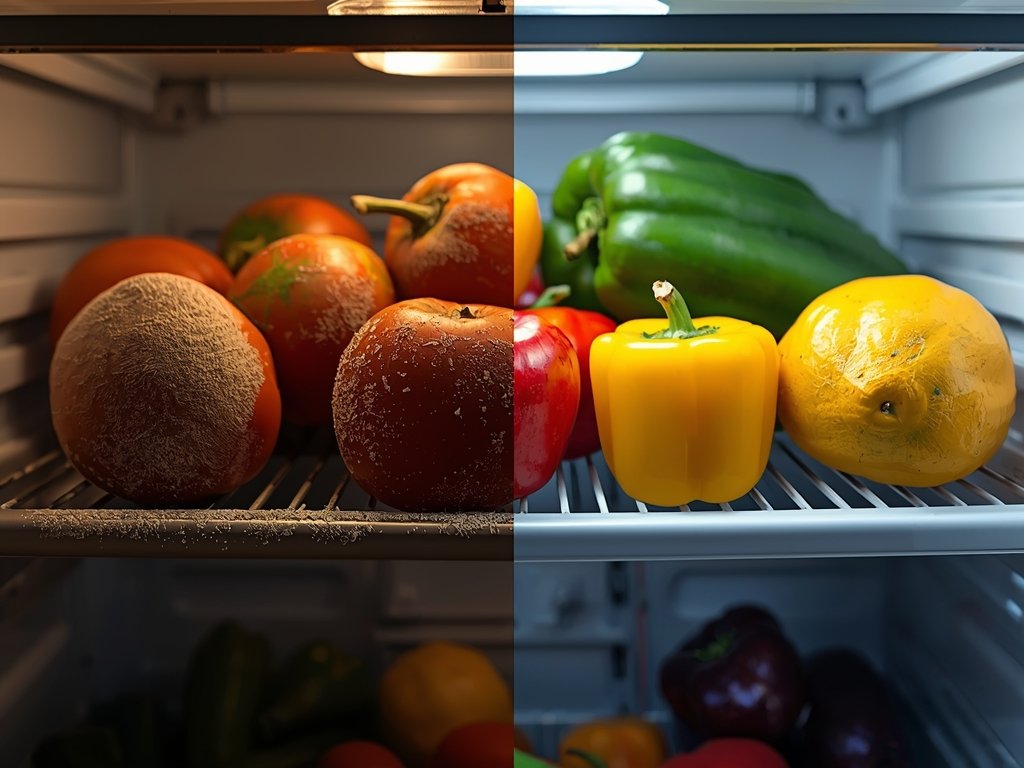
Refrigerator thawing is the easiest method because it asks almost nothing of you once the bird is in place. Leave the turkey in its original wrapper. Do not open it, do not rinse it, and do not remove the giblets yet; frozen giblets come out easily once the cavity has thawed. Set the wrapped bird breast-side up on a rimmed baking sheet, in a roasting pan, or in a large container that can catch any juices. Raw turkey juices can carry Salmonella, and a tray stops them from dripping onto the shelf below and onto other food.
Put the tray on the bottom shelf of the refrigerator, where it is coldest and where a leak cannot drip onto anything else. Check that the refrigerator is at 40°F or below with a fridge thermometer if you have one; many fridges run warmer than their dial suggests, and a fridge at 42°F or 43°F is not a safe thawing temperature. Then leave the bird alone. Do not keep pulling it out to check it, because every time the door opens and the bird warms, the clock resets a little. Once a day is plenty. When the breast and thighs feel soft and flexible all the way through, and the legs move freely at the hip joint, the turkey is thawed. Remove the giblet bag and the neck from the cavities, and cook the bird within one to two days. If your plans change, a fridge-thawed turkey can be refrozen without cooking, although the USDA notes the quality may suffer.
How to Thaw a Turkey in Cold Water
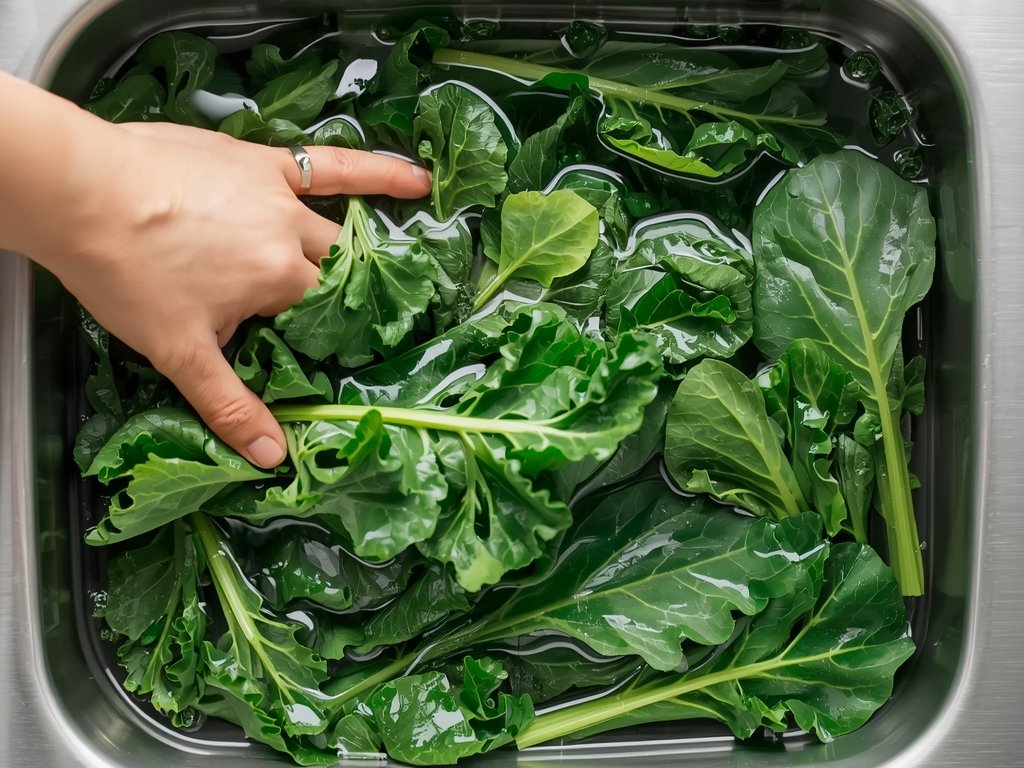
Cold-water thawing is the rescue method. It is much faster than the fridge, but it needs your attention every half hour, and the turkey must be cooked as soon as it is thawed. Keep the turkey in its original wrapper, and if the wrapper is torn or leaking, put the bird inside a leak-proof plastic bag first. Submerge the bird completely in cold tap water in a clean sink, a large pot, a cooler, or a food-safe bucket. Never use warm or hot water, which warms the outside of the bird into the danger zone while the centre stays frozen.
Change the water every 30 minutes without fail. The water warms up as it sits, and fresh cold water is what keeps the surface of the bird below 40°F while the centre thaws. Allow about 30 minutes per pound, which works out to 2 to 6 hours for a 4 to 12 pound turkey, 6 to 8 hours for 12 to 16 pounds, 8 to 10 hours for 16 to 20 pounds, and 10 to 12 hours for 20 to 24 pounds. If part of the bird sticks out of the water, turn it over each time you change the water so it thaws evenly. When the bird is thawed, cook it immediately. Do not put a cold-water-thawed turkey back in the fridge to cook tomorrow, and do not refreeze it before cooking. The USDA is explicit on this point: cold-water thawing ends at the oven. The same rule applies to a microwave-thawed bird.
Can You Thaw a Turkey in the Microwave?

Yes, the microwave is one of the three safe thawing methods the USDA names, but it is practical only for small birds, turkey breasts, and parts. A whole 20 pound turkey will not fit in most microwaves, and even a bird that fits will thaw unevenly, with some spots starting to cook while others stay frozen. Follow the microwave manufacturer’s instructions for defrosting poultry, using the weight setting if your oven has one. Remove the turkey from any store wrapping that is not microwave-safe, place it in a microwave-safe dish to catch juices, and turn or rotate it as the instructions direct.
Check the bird often as it thaws, and stop as soon as it is pliable. Some areas, usually the thin edges of the wings and the drumstick ends, may start to look cooked. That is normal for microwave thawing, and it is one reason the method ends with cooking immediately: those warm spots must not sit around at room temperature. Cook the turkey right away after microwave thawing, do not refrigerate it for later, and do not refreeze it before cooking. For most cooks, the microwave suits a turkey breast or a bird that is almost thawed, not a whole turkey.
Ways You Must Never Thaw a Turkey
Never thaw a turkey on the counter, and never thaw it in the garage, the basement, on the back porch, or in a car. The USDA states this plainly: frozen meat or poultry left thawing at room temperature for more than two hours is not at a safe temperature. The problem is that the outside of the bird warms up long before the inside does. While the centre is still frozen solid, the surface can sit for hours between 40°F and 140°F, the temperature range where bacteria multiply rapidly. The bird can look and smell perfectly fine and still carry enough bacteria to make people ill, because the dangerous growth happens on the surface you cannot see.
Hot water is just as unsafe as the counter, for the same reason: it heats the outside of the bird fast while the inside stays frozen. The same warning covers thawing in a cooler without ice, or in a cooler with ice that has melted and is no longer holding the bird below 40°F. A cooler only counts as a safe thawing place if you can verify with a thermometer that it is holding 40°F or below. The three safe methods are the refrigerator, cold water changed every 30 minutes, and the microwave. Anything else is a gamble with the meal and with the people eating it. If a turkey has been thawed by an unsafe method, or has sat at room temperature for more than two hours, the safe choice is to throw it out.
What If the Turkey Is Still Partly Frozen on Thanksgiving Morning?

First, do not panic, and do not put the bird on the counter to finish. You have two safe options. The first is cold water: submerge the wrapped bird, change the water every 30 minutes, and give it the time the weight demands. A bird that is only partly frozen will usually finish in one to three hours this way, because only the thickest parts are still icy. Keep the water cold, keep changing it, and cook the bird as soon as it is thawed. The second option is to cook the turkey from its partly frozen state. The USDA says it is safe to cook a turkey from frozen, and the same applies to a partly frozen bird, but the cooking time will be at least 50 percent longer than for a fully thawed turkey of the same weight.
Cooking from frozen changes a few things. The giblet bag and neck cannot be removed until the cavity thaws enough in the oven, so check after the first hour or so and take them out then. The stuffing, if you planned to stuff the bird, should be cooked separately, because a frozen cavity slows the stuffing’s heating and the stuffing must reach 165°F in the centre. Use a food thermometer in the innermost part of the thigh, the innermost part of the wing, and the thickest part of the breast, and do not trust time alone. Dinner will be later than planned, but it will be safe.
How Long Does a Thawed Turkey Keep Before Cooking?
A turkey thawed in the refrigerator can stay there for one to two days before cooking, according to the USDA. That window is what makes fridge thawing the forgiving method: a bird that finishes thawing on Tuesday is still fine to cook on Thursday. Keep it on its tray, in its wrapper, on the bottom shelf, at 40°F or below. If the bird finishes thawing and you need more than two days, cook it and freeze the cooked meat instead. See our guide to freezing cooked turkey for how to pack it so it stays good.
Once the turkey is cooked, the clock changes. Cooked turkey and other leftovers keep for three to four days in the refrigerator, counting from the day the bird was cooked. Divide leftovers into shallow containers and refrigerate them within two hours of cooking, or within one hour if the kitchen is above 90°F. For the full picture across the whole Thanksgiving table, see our guide on how long leftovers last in the fridge. When you reheat, bring the turkey to 165°F all the way through; our guide to how to reheat leftover turkey covers the methods that keep it moist. A frozen turkey, still in the freezer, is a different story: food kept continuously frozen at 0°F is safe indefinitely, although the USDA advises cooking a frozen turkey within one year for best quality. That one-year figure is a quality window, not a safety deadline.
The Bottom Line
Thaw a frozen turkey in the refrigerator, allowing about 24 hours for every 4 to 5 pounds, and keep the fridge at 40°F or below. That means 1 to 3 days for a 4 to 12 pound bird, 3 to 4 days for 12 to 16 pounds, 4 to 5 days for 16 to 20 pounds, and 5 to 6 days for 20 to 24 pounds, with a thawed bird keeping one to two more days in the fridge before cooking. If time runs short, thaw in cold water at about 30 minutes per pound, changing the water every 30 minutes, and cook the bird immediately. The microwave is the third safe method, also ending with immediate cooking. Never thaw on the counter, in hot water, or in the garage, and never leave a thawing turkey at room temperature for more than two hours. If the bird is still partly frozen on Thanksgiving morning, finish it in cold water or cook it from frozen, allowing at least 50 percent more cooking time, and confirm 165°F in the breast, thigh, and wing with a thermometer. Start on Friday, November 20, for a Thursday, November 26 dinner, and the thaw will be the easiest part of the week. Save the carcass when dinner is done, and turn it into stock with our guide to making turkey stock from the carcass.

Ghani is the founder of TwiceTasty and a passionate home cook who believes no meal should go to waste. What started as a personal mission to transform leftovers into exciting new dishes has grown into a community of food lovers who share the same philosophy.
