Follow Me On Social Media!

Yes, you can freeze cornbread, and it freezes beautifully. Cornbread seems too crumbly and delicate to survive the freezer, and then surprises you by coming out almost exactly as it went in. A pan of golden cornbread, cooled completely, wrapped tightly, and frozen at 0°F, will thaw and reheat into something that tastes like it was baked that morning. A nine-inch skillet makes eight generous servings, and most families eat four or five. Freezing turns the leftover half into a second meal, and a double batch baked on a quiet Sunday means cornbread ready for a weeknight chilli, a Thanksgiving stuffing, or a bowl of soup without turning the oven on.
The Short Answer: Yes, It Freezes Beautifully
Yes, cornbread freezes beautifully, and the freezer window is two to three months for best quality. That number is consistent across almost every source that has tested it. Two to three months is a quality window, not a safety deadline. Food kept continuously frozen at 0°F stays safe indefinitely, because bacteria cannot grow at that temperature, and the FoodSafety.gov cold food storage chart makes that point explicitly. What changes after three months is flavour and texture: the cornbread dries out, the edges get tough, and it starts to pick up the taste of the freezer.
Cornbread freezes so well because of its structure. A good cornbread has a sturdy crumb, held together by eggs and fat, with enough moisture to stay tender but not so much that it turns soggy. That structure holds up far better than a delicate cake or a soft white bread. The fat, whether butter, oil, or bacon drippings, coats the crumb and protects it from drying out, which is why a rich cornbread freezes better than a lean one. A pan of golden baked cornbread, fresh from the oven with a crisp top and a tender middle, is the best starting point. Cool it completely, wrap it tightly, freeze it fast, and reheat it gently, and the cornbread that comes out will be hard to tell from the cornbread that went in.
What Happens to Cornbread in the Freezer

What happens to cornbread in the freezer is mostly about water. When cornbread freezes, the water inside turns to ice crystals. Small crystals, formed by fast freezing, do very little damage. Large crystals, formed by slow freezing, push the crumb apart and break down its structure, which is why a cornbread that froze slowly tastes dry and crumbly when it thaws. Prevent it by wrapping tightly, pressing out the air, and freezing fast, at 0°F or below, with the cornbread laid flat in a single layer until solid.
The second thing that happens is flavour transfer. Cornbread is mild, and it absorbs odours from the freezer faster than most foods. A bag stored next to raw onions, or in a freezer that holds a lot of fish, will pick up those flavours through thin packaging. The same principle applies to other breads. Our guide to freezing bread covers the same wrapping method for loaves and rolls. Freezing also does not make cornbread stale the way the counter does. Staling is driven by starch molecules reorganising as bread cools, and it happens fastest at fridge temperature, which is why cornbread in the fridge goes stale faster than cornbread on the counter. Freezing stops that process almost entirely. That is why frozen cornbread, thawed and reheated, tastes fresher than cornbread that spent three days in the fridge. The fridge is the worst place to store cornbread, and the freezer is the best.
How to Freeze Cornbread Step by Step
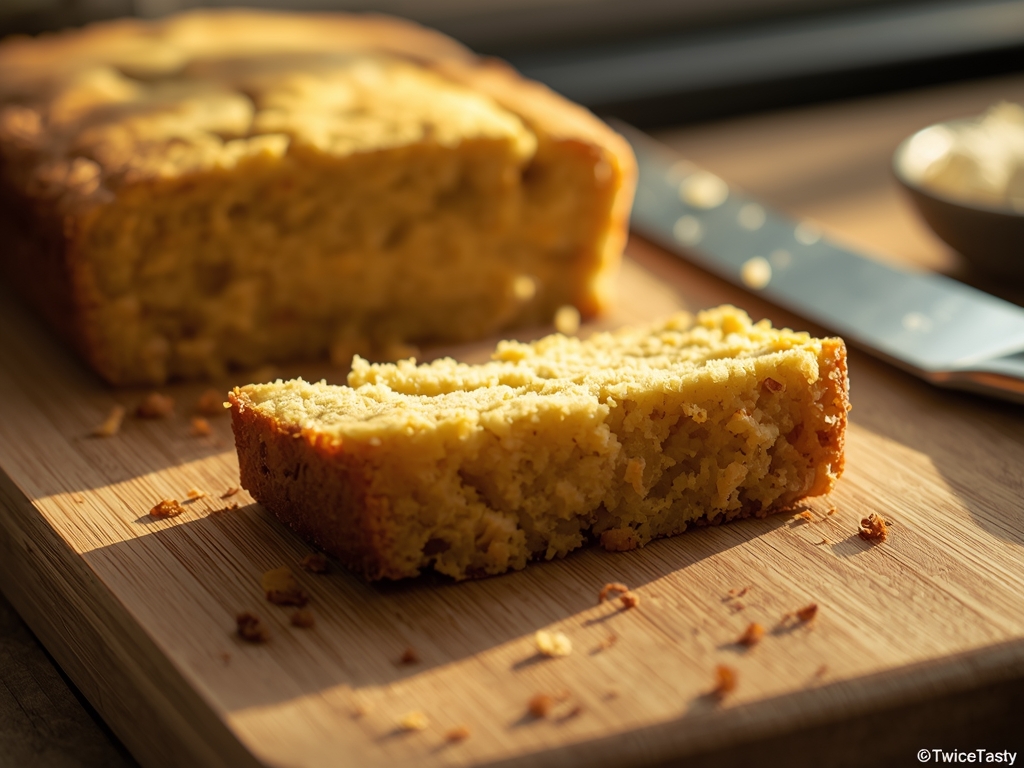
Freezing cornbread starts with the single most important step, and the one people rush: cool it completely. A pan straight from the oven is full of steam, and if you wrap it while still warm, that steam condenses inside the wrapping, turns to water, and then to ice. The result is a soggy top, a gummy crumb, and a layer of frost that dries out the surface. Let the cornbread cool in the pan for 10 to 15 minutes, then turn it out onto a wire rack and let it cool completely, at least an hour, until the bottom is cool to the touch and no warmth remains in the centre.
Once cool, decide how to freeze it: whole, sliced, or in wedges. Freezing sliced is most practical for most families, because you can thaw one or two pieces without defrosting the whole pan. Slices of cornbread loaf on a board, cut into even wedges or squares, are the starting point. Wrap each slice individually in plastic wrap, then pack the wrapped slices into a freezer bag, press out the air, and seal it. Whichever shape you choose, label the bag with the contents, the date, and the number of pieces. Freeze the cornbread the same day you bake it, or the day after at the latest.
How to Freeze Cornbread Muffins

Cornbread muffins are the easiest form to freeze, and the most convenient to use later, because they are already portioned. Bake the muffins, let them cool in the pan for five minutes, then turn them out onto a wire rack and let them cool completely, at least 45 minutes. Once cool, flash-freeze them before bagging. Place the muffins on a baking sheet, spaced so they are not touching, and put the sheet in the freezer for one to two hours, until the muffins are firm on the outside.
Once firm, pack the muffins into a heavy-duty freezer bag, press out the air, seal it, and label it with the contents, the date, and the count. Melted butter being poured over baked cornbread in a pan is the image of a muffin at its best, and a frozen muffin, reheated with a little butter brushed on top, comes close. Muffins freeze well for two to three months, the same window as a whole loaf, and they thaw faster than any other form. A single muffin on the counter thaws in 20 to 30 minutes; a bag moved to the fridge thaws overnight. You can also reheat them straight from frozen. Wrap a frozen muffin in foil, put it in a 350°F oven for 12 to 15 minutes, and it will be hot all the way through, with a crisp top and a tender middle. Unwrap it for the last two minutes to crisp the top.
How Long Does Frozen Cornbread Last?
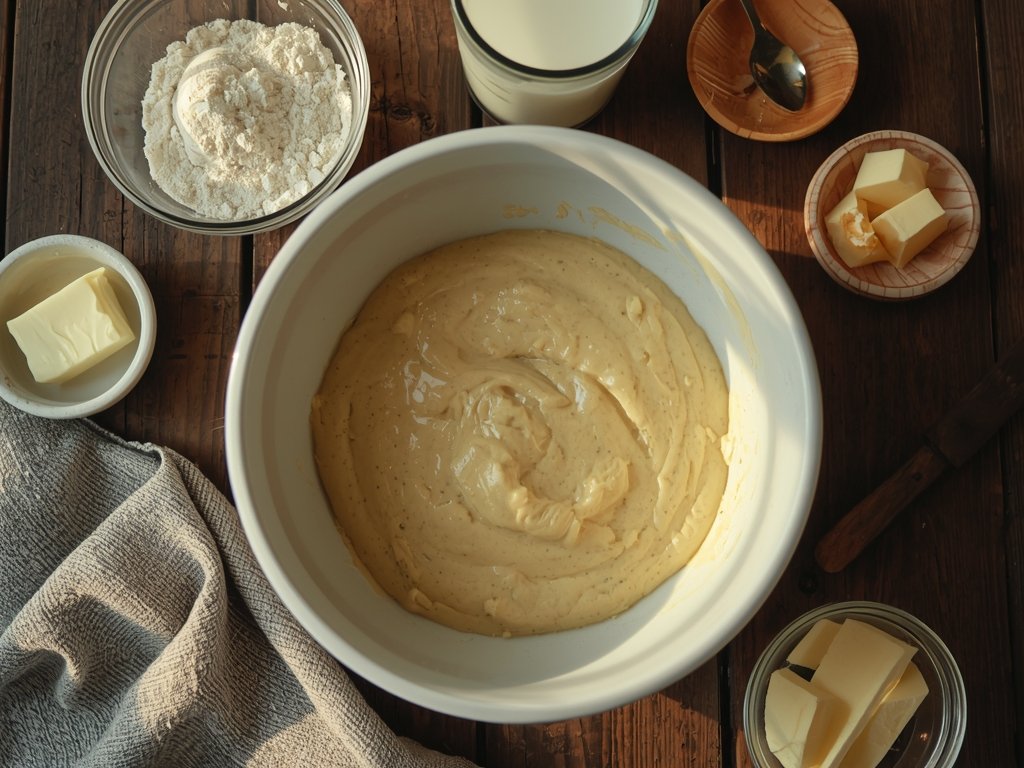
Frozen cornbread lasts two to three months for best quality, and that figure is consistent across nearly every source that has tested it. A bowl of pale batter with flour, butter, and milk is where a batch starts, and the two-to-three-month window is where it ends up if wrapped well and kept at 0°F or below. Aim to use it within two months, and treat three months as the outer limit for the best flavour.
The signs of a bag kept too long are easy to spot. A texture that feels hard and dry, even after thawing and reheating, means the moisture has migrated out of the crumb. None of these make the cornbread unsafe, but they do make it unpleasant, and the fix is to use it in a dish where texture matters less. Stale cornbread makes excellent stuffing, croutons, and breadcrumbs, because those dishes add moisture and flavour back. Compare the freezer window with the other options: at room temperature, wrapped tightly, cornbread lasts one to two days before drying out. In the fridge it lasts up to a week, but it goes stale faster than on the counter, because the cold accelerates staling. In the freezer it lasts two to three months and tastes fresher when thawed than fridge-stored cornbread tastes after three days. Everything else belongs in the freezer, wrapped, labelled, and dated.
How to Thaw and Reheat Cornbread
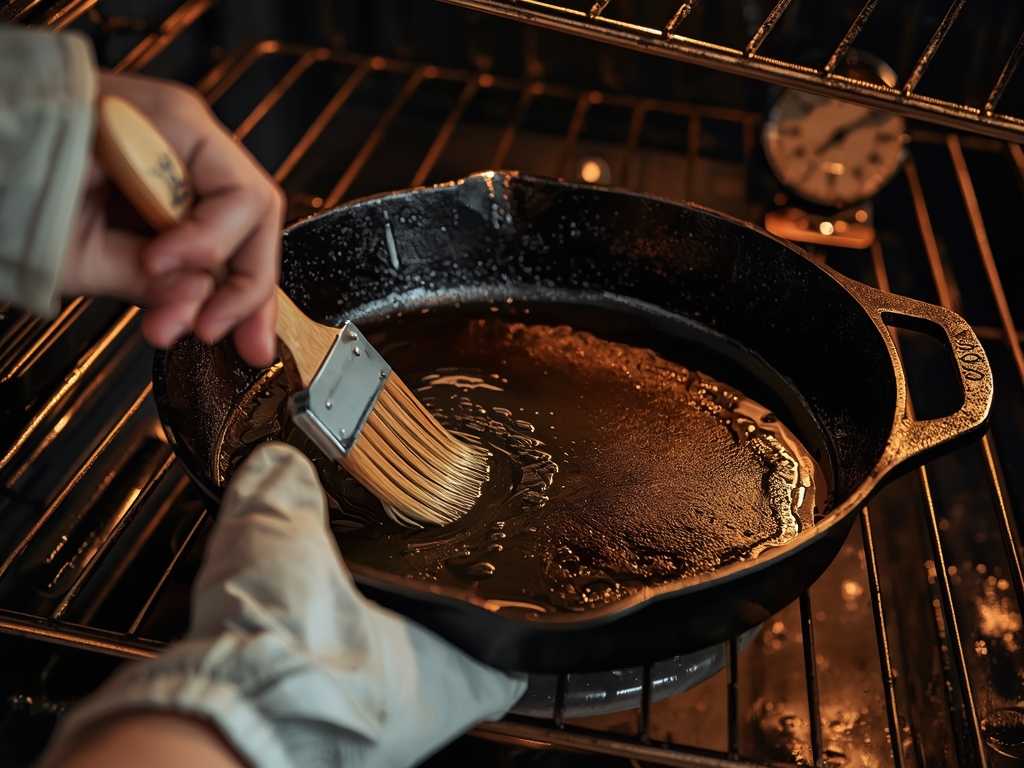
Thawing and reheating cornbread is simple, and the oven is the best tool for it. To thaw a whole loaf or a bag of slices, move it from the freezer to the fridge and let it thaw overnight, or leave it on the counter for one to two hours if you are in a hurry. A single slice thaws on the counter in 20 to 30 minutes. Once thawed, reheat it in a 350°F oven for about 10 minutes, wrapped in foil to keep the moisture in, then unwrap it for the last two minutes if you want the top to crisp. A hand brushing oil onto a cast iron skillet in the oven is the image of the tool that makes the best reheated cornbread: a hot skillet, a little butter or oil, and a few minutes of heat will bring back the crisp edges and the tender middle.
Each reheating method has a trade-off. Thaw only what you need, reheat it once, and eat it while it is hot. Never refreeze thawed cornbread. Once thawed, use it within three days, kept in the fridge, or eat it the same day. Refreezing will not make it unsafe, but each freeze-thaw cycle breaks down the crumb further. Our guide to freezing pumpkin pie uses the same portioning logic, and a tested cornbread freezing guide gives the same 2–3 month window, with the same advice to cool completely and wrap tightly before freezing.
How to Use Leftover Cornbread (Stuffing, Croutons, and More)

Leftover cornbread is one of the most useful leftovers in the kitchen, because it is an ingredient as well as a side dish. Stuffing is the first and best use. A pot of cornbread stuffing, made from crumbled cornbread, sautéed onion and celery, sage, thyme, and enough stock to moisten it, is the classic Thanksgiving dressing, and it is better made from day-old or thawed cornbread than from fresh, because the drier crumb absorbs the stock without turning to mush.
Croutons are the second use, and the fastest. Cut leftover cornbread into cubes, toss with olive oil, salt, and garlic powder, and bake at 375°F for 12 to 15 minutes, turning once, until golden and crisp. Breadcrumbs are the third use: dry the cornbread in a low oven, pulse it in a food processor, and you have coarse, golden crumbs for coating chicken, topping a casserole, or binding meatballs. Leftover cornbread is not a problem to solve. It is an ingredient waiting for a job, and the freezer is what keeps it ready.
Common Mistakes That Ruin Frozen Cornbread
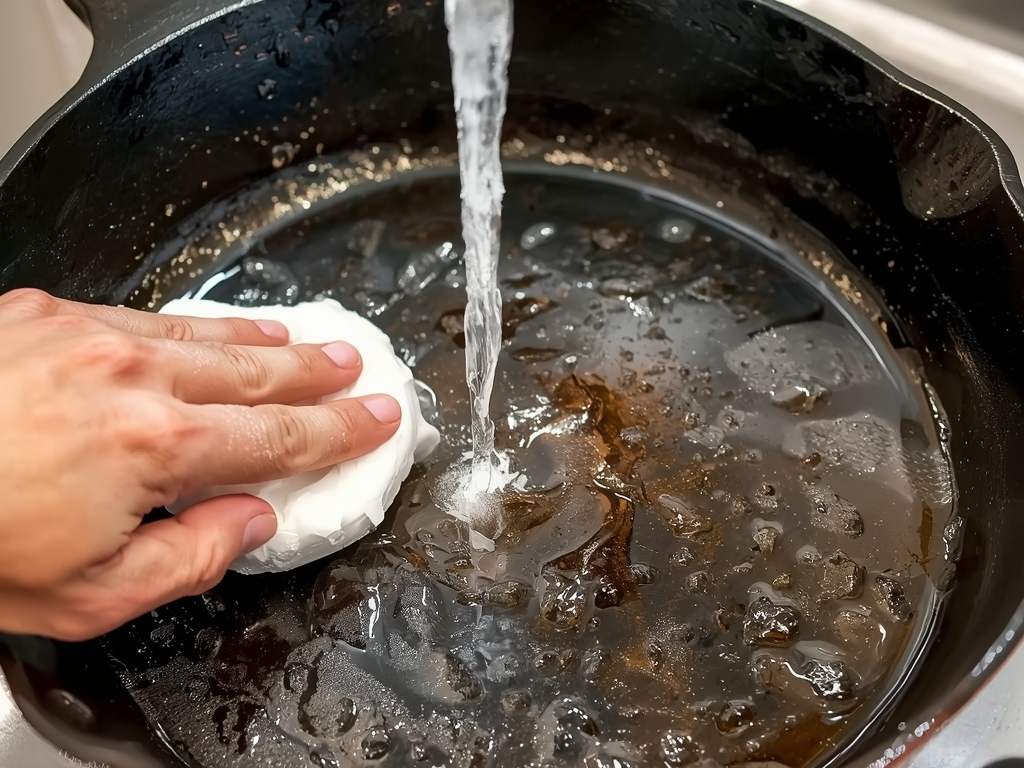
The most common mistake is wrapping cornbread while it is still warm, and it is also the easiest to avoid. Let it cool completely on a wire rack, at least an hour, until the centre is cool to the touch and no steam rises when you cut it. Hands washing a cast iron skillet under running water is the image of the clean-up after a good bake, and the cooling time is the pause between baking and wrapping. The second mistake is wrapping too loosely, with air pockets trapped between the wrap and the crumb. Press the plastic wrap tight against the surface, fold the foil snugly, and press the air out of the bag.
The third mistake is freezing cornbread that is already stale. Freezing does not improve bread, and it does not reverse staling. Freeze cornbread the same day you bake it, or the day after at the latest. The fourth mistake is thawing and refreezing, which breaks down the crumb a little more each time. Thaw only what you need, and use it within three days. A 350°F oven for 10 minutes is enough, and a foil wrap keeps the moisture in. Forgetting to label the bag means the cornbread sits in the freezer for six months because no one remembers when it went in. And storing cornbread next to strong-smelling food without a double layer means it picks up onion, garlic, or fish flavours no reheating will remove.
The Bottom Line
Yes, you can freeze cornbread, and it freezes beautifully. Cool it completely, wrap it tightly in plastic wrap and foil, pack it into a heavy-duty freezer bag with the air pressed out, label it with the date, and freeze it at 0°F or below. It keeps for two to three months for best quality, and while it stays safe indefinitely at 0°F, the flavour and texture are best inside that window. Never refreeze thawed cornbread, and use it within three days of thawing. Bake a double batch, freeze half, and you have a second meal waiting in the freezer. For a broader look at storage windows, see our guide on how long leftovers last in the fridge, and for the rest of the table, see our ideas for leftover green bean casserole.

Ghani is the founder of TwiceTasty and a passionate home cook who believes no meal should go to waste. What started as a personal mission to transform leftovers into exciting new dishes has grown into a community of food lovers who share the same philosophy.
