Follow Me On Social Media!

Brining is the most reliable way to get a juicy Thanksgiving turkey, and it is simpler than its reputation suggests. Salt seasons the meat all the way through and helps it hold moisture while roasting, so the breast stays tender instead of drying out. There are two ways to do it: a wet brine soaks the bird in salt water, and a dry brine rubs salt over the bird and lets it rest in the fridge. Both take one to two days, and both must stay cold the whole time. Thanksgiving is Thursday, November 26, 2026, so a turkey brined on Tuesday or Wednesday is right on schedule, and a dry brine started on Monday is fine too.
The Short Answer: Wet or Dry, Salt, Cold, and Time
Start with a fully thawed turkey, and keep it at 40°F or below for the whole brine. For a wet brine, the USDA Food Safety and Inspection Service uses 3/4 cup of salt per gallon of water, or 3 tablespoons of salt per quart, with the bird fully submerged in the refrigerator for at least overnight and up to two days. For a dry brine, the USDA uses 1 tablespoon of kosher salt or seasoned salt for every 5 pounds of turkey, rubbed over the surface and left in a food-grade bag in the refrigerator for up to two days, massaging the mixture into the skin every 8 to 12 hours. After brining, pat the bird dry and cook it to 165°F in the innermost thigh, the innermost wing, and the thickest part of the breast. Do not brine a turkey that is already pre-basted or self-basting, and do not wash the bird before brining. Choose wet for the most moisture if you have the fridge space, dry for crisper skin and a tidier fridge.
Wet Brine vs Dry Brine: Which One Should You Choose?
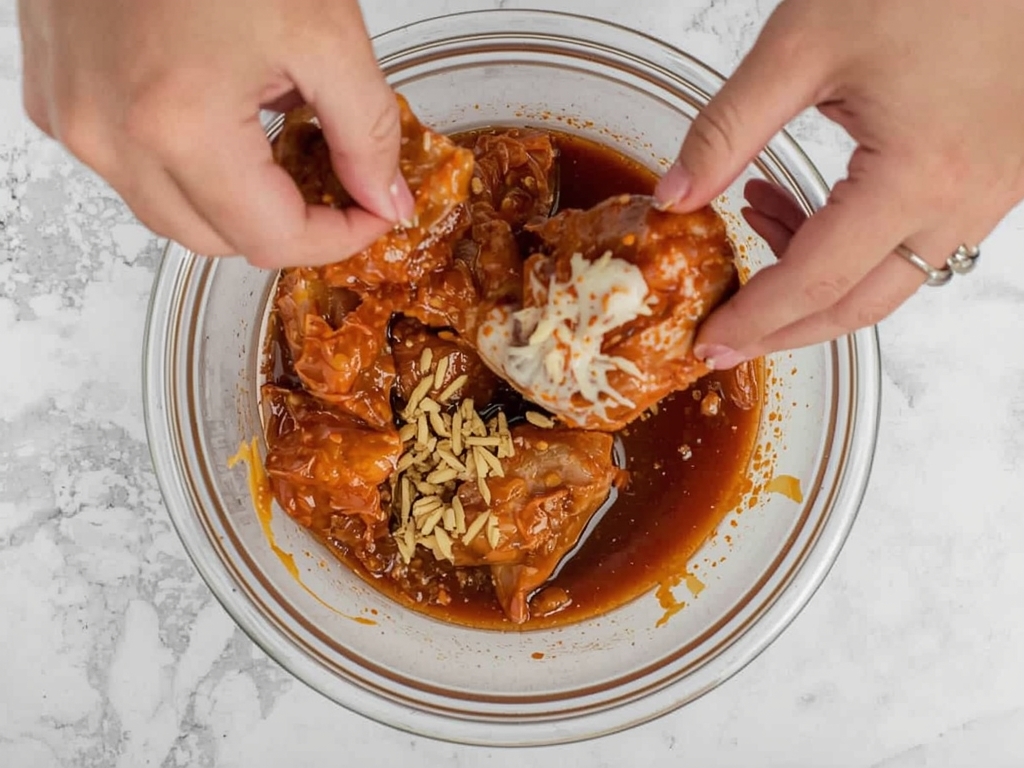
A wet brine and a dry brine both season the meat and help it hold moisture, but they get there differently. A wet brine dissolves salt in water and lets the turkey absorb the salty liquid. The result is a bird that is visibly juicy, with a margin of error if the oven runs hot or the bird stays in a little too long. The cost is space and weight: a 16 pound turkey needs about two gallons of brine, which means a very large food-safe container, a brining bag, or a clean cooler, and all of it must fit in the refrigerator. A wet-brined bird also needs thorough drying before roasting, because wet skin steams instead of browning.
A dry brine skips the water entirely. Salt rubbed on the skin draws moisture out of the meat first, then that salty liquid is reabsorbed, seasoning the turkey from the inside out. The bird takes up almost no extra fridge space, cleanup is a tray and a bag, and the skin dries out as it rests, which is exactly what crisp skin needs. The trade-off is time: a dry brine needs 24 to 48 hours for the salt to work through a whole bird. For most home cooks with a crowded holiday fridge, the dry brine is the easier method. If you have a spare fridge or a large cooler and you want the juiciest possible breast, the wet brine is worth the trouble. Either method beats no brine at all, and neither one rescues a bird cooked past 165°F.
How Much Salt Goes in a Wet Brine?

The salt ratio is where sources disagree, so here are the figures with their sources attached. The USDA Food Safety and Inspection Service gives 3/4 cup of salt per gallon of water, or 3 tablespoons of salt per quart. That is the figure to use if you want the official guidance, and it works for table salt. America’s Test Kitchen, which tests recipes rather than writing safety rules, uses 1/2 cup of table salt per gallon for 6 to 12 hours, a lighter brine for a shorter time.
Salt type matters because kosher salt crystals are larger and lighter than table salt crystals, so a cup of kosher salt weighs less than a cup of table salt. One cup of table salt is roughly equal to about 1 1/2 cups of Morton kosher salt or about 2 cups of Diamond Crystal kosher salt, so swapping brands cup-for-cup changes the brine. Weighing the salt is most accurate: a wet brine is about a 5 to 6 percent salt solution by weight, roughly 50 to 60 grams per litre of water. If you do not have a scale, use the USDA ratio with the salt you have, and do not add extra salt to compensate. Sugar is optional, usually about half the salt by weight, and herbs, garlic, peppercorns, bay leaves, and citrus peel are flavour only; they do not change the salt math. Mix the salt into cold water and stir until it dissolves completely, and if you heated water to dissolve the salt, chill the brine to below 40°F before the turkey goes in.
How Much Salt Goes in a Dry Brine?

The dry brine ratios also differ by source. The USDA gives 1 tablespoon of kosher salt or seasoned salt for every 5 pounds of turkey. For a 15 pound bird, that is 3 tablespoons of kosher salt in total. America’s Test Kitchen uses 1 teaspoon of kosher salt per pound, which for the same 15 pound bird is 5 tablespoons, or about 1/3 cup. The difference is partly salt brand: a tablespoon of Diamond Crystal kosher salt weighs less than a tablespoon of Morton kosher salt, so the same volume delivers different amounts of salt. If you use Morton, stay toward the lighter USDA end.
For a practical plan, use the USDA ratio as the floor and the America’s Test Kitchen ratio as the ceiling, and do not go above the ceiling. A 12 pound turkey needs about 2 1/2 to 4 tablespoons of kosher salt, a 16 pound turkey needs about 3 to 5 1/3 tablespoons, and a 20 pound turkey needs about 4 to 6 2/3 tablespoons. Rub the salt evenly over the whole bird, including inside the cavity and under the skin of the breast and thighs, where it seasons the meat directly. Add dried herbs, garlic powder, or black pepper if you like, but keep fresh garlic and fresh herbs out of the rub until cooking day. Weighing the salt is more reliable than measuring it. When in doubt, use a little less salt rather than a little more; an under-salted turkey can be fixed at the table, and an over-salted one cannot.
How to Wet Brine a Turkey, Step by Step
Start with a fully thawed turkey. A frozen or partly frozen bird will not brine evenly, because the salt water cannot reach the frozen parts. Do not wash the bird. The USDA advises against washing raw poultry, because rinsing splashes bacteria around the sink and onto nearby surfaces. Remove the giblet bag and the neck from the cavities and set them aside for stock or gravy. Choose a container that is food-grade plastic, stainless steel, glass, or a brining bag. Never use a trash bag, a non-food-grade bucket, or a container that once held chemicals.
Mix the brine in the container using the USDA ratio of 3/4 cup of salt per gallon of water, stirring until the salt dissolves completely. Chill the brine to below 40°F if any part of it was heated. Place the turkey breast-side down in the brine and add cold water until the bird is completely submerged, weighing it down with a heavy plate if it floats. A part of the bird sitting above the liquid will not be seasoned and may not stay cold enough. Cover the container and refrigerate it for at least overnight and up to two days. A 12 to 15 pound turkey needs roughly 12 to 15 hours. When the time is up, lift the turkey out, discard the brine, and never reuse it. Pat the skin very dry with paper towels, then set the bird uncovered on a rack in the refrigerator for 6 to 12 hours if you have time, because dry skin browns far better than wet skin.
How to Dry Brine a Turkey, Step by Step
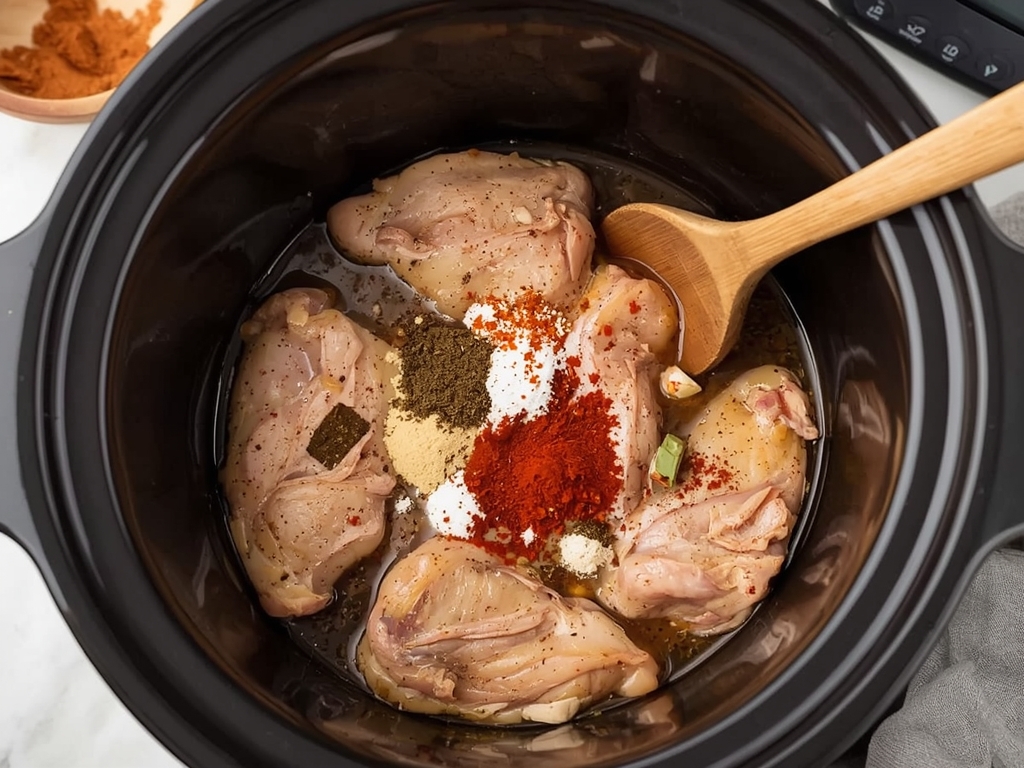
Set the fully thawed turkey on a rack over a sheet pan and pat it dry, inside and out. Measure the salt for the weight of the bird, using the USDA figure of 1 tablespoon of kosher salt per 5 pounds as the floor and 1 teaspoon per pound as the ceiling, and mix in any dried herbs or spices. Loosen the skin over the breast and the thighs with your fingers, and rub about a third of the salt under the skin, directly on the meat. Rub the rest over the outside of the skin and inside the cavity.
Place the turkey in a food-grade plastic bag and press out the air, or wrap it tightly, or simply leave it uncovered on the rack in the refrigerator. The USDA method seals the bird in a bag and massages the salt into the skin every 8 to 12 hours. Leaving the bird uncovered for the last 12 to 24 hours dries the skin out, which is the best thing you can do for crisp skin. Refrigerate the bird for 24 to 48 hours in total, and do not go past two days: the USDA says poultry may be left in the refrigerator for up to two days after it is thawed or purchased fresh, and a dry brine that runs longer risks over-salting the meat. Before cooking, pat the skin dry with paper towels. There is no need to rinse a dry-brined bird, and rinsing would undo the drying you just achieved. Brush the skin lightly with oil or melted butter and roast as usual.
Turkeys You Should Not Brine
Not every turkey should be brined, and the label tells you which ones to skip. Do not brine a turkey labelled self-basting, basted, marinated, enhanced, or for flavouring without checking what that means. Those birds were already injected or soaked with a salt solution during processing: up to 3 percent by weight for bone-in poultry and up to 8 percent for boneless poultry, according to the USDA. Adding a brine on top of that solution pushes the meat from seasoned to too salty, and no amount of rinsing will fix it. A kosher turkey is also already salted as part of kosher processing, so brining it again is the same mistake.
Read the ingredients on the label before you buy. A plain turkey, sometimes labelled natural or minimally processed, will list only turkey on the ingredients. An enhanced turkey will list a solution of water, salt, and sometimes sugar, flavourings, or phosphates, and will usually state the percentage, such as contains up to 8 percent of a solution. If you already bought an enhanced bird and want the benefits of a dry brine, use a much lighter hand: a small amount of salt and herbs rubbed on the skin for flavour, rather than a full measured brine, and skip the wet brine entirely. When in doubt, check the label, and if the label mentions a solution, do not brine it.
Brining Mistakes That Ruin a Turkey
The most common brining mistake is letting the bird get warm. A brine only works if the turkey stays at 40°F or below the whole time, and a container of salt water sitting on the counter or in a warm garage is a food safety failure, not a shortcut. The second mistake is brining too long: a wet brine past two days, or a dry brine past 48 hours, can make the meat hammy and too salty. Set a timer when the bird goes in, and take it out on schedule. The third mistake is using the wrong container. Trash bags, non-food-grade buckets, and old paint containers can leach chemicals into the brine, and a container that is too small leaves part of the bird exposed to air.
The fourth mistake is forgetting the skin. A wet-brined bird straight from the brine into a hot oven will steam, and the skin will come out pale and rubbery. Pat it dry, and give it uncovered time in the fridge if you can. The fifth mistake is salting the gravy as if the bird were unbrined. Taste the pan drippings before adding any salt, and season the gravy at the end, not the start. If you are making gravy ahead of time, our guide to making gravy ahead of time covers the method, and our guide to freezing gravy covers storing the extra. The sixth mistake is washing the bird, which the USDA advises against because it spreads bacteria around the sink. Pat the turkey dry instead.
The Bottom Line
Brining a turkey is salt, cold, and time, and the numbers are not a mystery. For a wet brine, use the USDA ratio of 3/4 cup of salt per gallon of water, or 3 tablespoons per quart, submerge the fully thawed bird in a food-grade container, and refrigerate it for at least overnight and up to two days. For a dry brine, use 1 tablespoon of kosher salt per 5 pounds as the USDA floor, or up to 1 teaspoon of kosher salt per pound as the America’s Test Kitchen ceiling, rub it over and under the skin, and refrigerate for 24 to 48 hours, massaging the salt in every 8 to 12 hours if the bird is bagged. Keep the bird at 40°F or below the whole time, never reuse a wet brine, and pat the skin dry before roasting. Do not brine a self-basting, enhanced, or kosher turkey, do not wash the bird, and do not brine for longer than two days. Cook the turkey to 165°F in the breast, thigh, and wing, and season the gravy only after tasting the drippings. After dinner, the leftovers keep for three to four days in the fridge, the same window the FoodSafety.gov cold food storage chart gives for cooked poultry, and our guide on how long leftovers last in the fridge covers the whole table. For what to cook with the meat that is left, see our ideas for what to do with leftover turkey.

Ghani is the founder of TwiceTasty and a passionate home cook who believes no meal should go to waste. What started as a personal mission to transform leftovers into exciting new dishes has grown into a community of food lovers who share the same philosophy.