Follow Me On Social Media!

Stuffing is the leftover that most often gets stored wrong, because the mistake happens before the storing starts: it stays inside the bird. A turkey with stuffing still in the cavity cools slowly, and the stuffing in the middle stays warm for hours — warm, moist, and starchy, which is exactly the environment bacteria need. The USDA is blunt about it: stuffing is an excellent medium for bacterial growth, and the handling rules for it are stricter than for almost any other leftover. This guide covers the rules in order: getting the stuffing out of the bird, cooling it fast, the fridge and the freezer, the uncooked-stuffing rule that surprises everyone, how to thaw and reheat it safely, and the signs that it has gone bad.
The Short Answer: Out of the Bird, Into Shallow Containers, 3–4 Days
The short answer is that leftover stuffing keeps for 3 to 4 days in the fridge, in a shallow, airtight container, and it must be out of the bird and into the fridge within two hours of serving. The USDA’s stuffing guidance is exactly this: refrigerate cooked poultry and stuffing within two hours, and leftover stuffing should be consumed or frozen within 3 to 4 days. The two hours matter more than the four days, because the danger zone is 40°F to 140°F, and stuffing that sits warm in a turkey cavity spends hours in it. Scoop all the stuffing out of the bird as soon as dinner is over, spread it in shallow containers so it cools fast, lid it, and label it with the date. A stuffing from Thursday dinner should be eaten or frozen by Monday, and the clock starts from cooking, not from the first serving.
The First Rule: Never Store Stuffing Inside the Turkey
Never refrigerate a whole cooked turkey with stuffing inside it, and never freeze stuffing while it is still in the bird. The USDA does not recommend it, and the reason is cooling speed: a whole bird is a large, dense mass, and the stuffing in its cavity is insulated by meat on every side. The outside of the bird may reach fridge temperature in an hour while the stuffing in the middle is still warm, and warm stuffing held for hours is the textbook case for bacterial growth. The same applies to a whole bone-in turkey breast with stuffing inside, and to any stuffed poultry: take the stuffing out, store it separately, and the bird and the stuffing both cool fast enough to be safe.
The rule also covers the serving table. Slice and serve the turkey within two hours of cooking, and refrigerate the leftovers in shallow containers within two hours — one hour if the room is above 90°F. If the meal stretches on and the turkey sits out, the stuffing is the first thing to put away, because it is the most perishable thing on the table. Cut the remaining meat into smaller portions before refrigerating it, too: a whole cooked turkey will not cool to a safe temperature in time, and the same logic that applies to the stuffing applies to the bird. For the turkey’s own storage rules, see our guide to reheating leftover turkey, and for the carcass that is left when the meat is gone, see our guide to making turkey stock from the carcass.
The Fridge: Shallow Containers and the 3–4 Day Clock
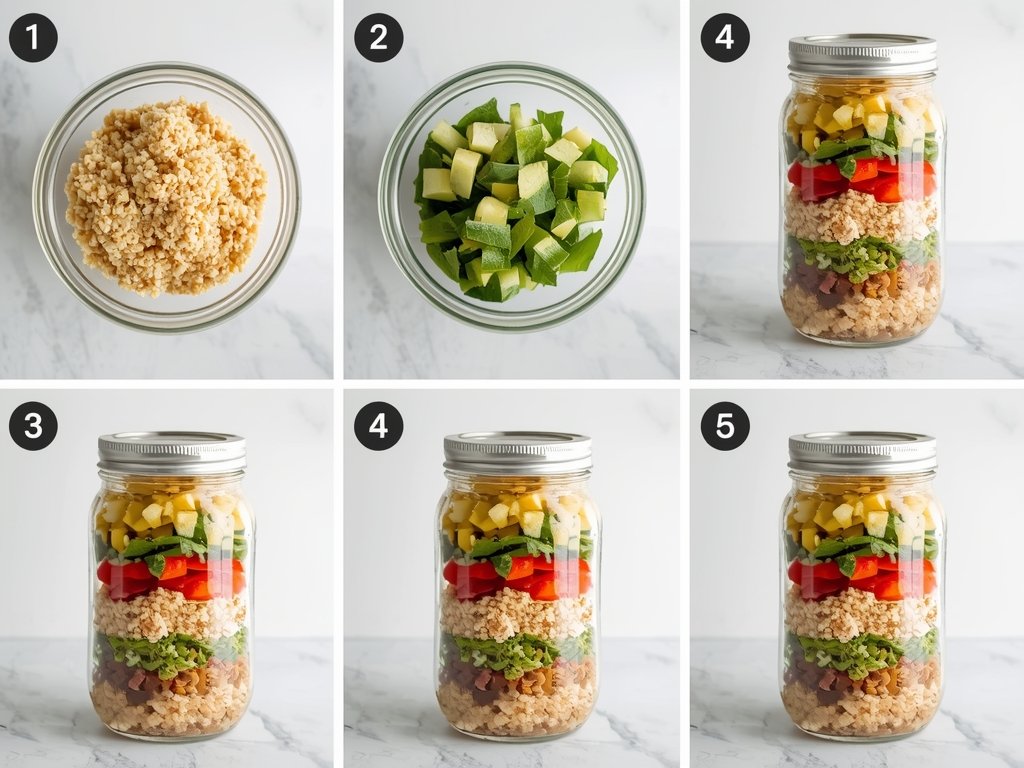
Cool the stuffing quickly, in shallow containers, before it goes into the fridge. Spread it no more than a couple of inches deep, lid it once it is cold — covering a warm stuffing traps condensation, and condensation makes the top soggy — and put it in the coldest part of the fridge, not the door, where the temperature swings every time the door opens. Label the container with the date it was cooked: a stuffing cooked on Thursday, eaten on Friday and Saturday, has one or two days left on Sunday, not four. The Glad storage guide gives the same numbers — 3 to 4 days in the fridge, with the same shallow-container cooling and the same 165°F reheat — and it adds the habit that makes the rule easy: label the bag, especially when freezing, so the decision is a date and not a guess.
Portion the stuffing into the amounts you will actually eat, rather than storing one large container and opening it every day: every opening lets warm air in, and a container opened four times ages faster than four small containers opened once each. Keep the stuffing away from raw meat in the fridge, on a shelf above it or on a different shelf entirely, so nothing drips onto it. And do not taste-test your way to a decision on day five: stuffing that has been in the fridge for five days should be thrown away, even if it looks and smells fine, because the bacteria that matter do not always change the look or the smell. The 3-to-4-day clock is the rule, and the fridge does not grant extensions.
The Freezer: Portions, Labels and the 1–2 Month Window
For longer storage, freeze the stuffing. Divide it into meal-sized portions — single servings in freezer bags, or family portions in airtight containers — press the air out, seal it, and label each bag with the date. Freeze it as soon as you know you will not eat it in the next day or two, rather than waiting until day four: stuffing frozen on day two tastes better than stuffing frozen on day four, because it has had less time to dry out and stale in the fridge. The freezer window is about quality, not safety: at 0°F, frozen food stays safe indefinitely, and the months are about taste and texture, which fade as the stuffing loses moisture.
How long is the window? Most storage guides give frozen stuffing 1 to 2 months for the best quality, and the Glad guide gives up to 1 month — while the USDA’s FoodKeeper data lists cooked stuffing for up to 4 to 6 months. The honest way to read that spread is that 1 to 2 months is the quality window most cooks should plan on, and the longer figure is the outside edge for well-wrapped stuffing in a freezer that holds a steady 0°F. Either way, label the date and use the oldest bag first, and do not refreeze stuffing that has already been thawed: thaw it, reheat it, and eat it, or throw it away. For the full freezing guide, see our guide to freezing leftover stuffing.
Uncooked Stuffing: Freeze It, Never Refrigerate It
Uncooked stuffing follows a different rule, and it surprises everyone who makes stuffing ahead: never refrigerate it. The USDA guidance is explicit — do not refrigerate uncooked stuffing. If stuffing is prepared ahead of time, it must be either frozen immediately or cooked immediately. The reason is the same as for cooked stuffing, only worse: raw eggs, raw meat juices, and moist bread, held cold but not frozen, are an ideal place for bacteria to grow, and the fridge does not stop them, it only slows them. Mix the wet and dry ingredients, put the mixture into a shallow container, and freeze it immediately — or put it straight in the oven.
Frozen uncooked stuffing is safe to cook straight from frozen: do not thaw it first, cook it until it reaches 165°F, measured with a food thermometer in the centre. And never stuff a bird with leftover cooked stuffing, or with uncooked stuffing that has been refrigerated: the stuffing inside a bird heats slowly, and the bird is done before the stuffing is safe. If you made stuffing ahead for the holiday, the safe version is the frozen one, cooked from frozen on the day — and our guide to make-ahead stuffing covers the make-ahead methods that follow this rule.
How to Thaw and Reheat Stored Stuffing (165°F)

Thaw frozen stuffing in the fridge overnight, never on the counter: a bag left on the counter thaws unevenly, with warm edges and a frozen middle, and the warm edges spend hours in the danger zone. Better still, skip thawing entirely and reheat the stuffing straight from frozen: place the frozen portion in an oven-safe dish, add a splash of broth or melted butter, cover tightly with foil, and bake at 350°F for 45 to 50 minutes, until the centre reaches 165°F, then uncover for the last 10 minutes to crisp the top. The microwave also works from frozen, in 2-minute increments with stirring between each interval, but it is a poor choice for a large portion.
Whatever method you use, the target is the same: reheat cooked stuffing to 165°F, just as for all leftovers, checked with a food thermometer in the centre of the dish, not at the edge. The edges will be hot long before the middle is, and a thermometer in the middle is the only honest check. Reheat only the portion you plan to eat: stuffing that is heated, cooled and heated again loses quality each time, and each cycle adds risk. If the stuffing was frozen in portions — single servings in bags, or pressed into a muffin tin and frozen in pucks — the reheat is faster and the portions are exact, which is the real payoff of freezing in portions in the first place.
Signs the Stuffing Has Gone Bad
The signs are the same as for any cooked leftover, and they are worth knowing because stuffing hides them well: its herbs and seasoning mask smells that would be obvious in plain food. A sour or off smell is the first sign — stuffing that smells sharp, acidic, or different from the day it was made should be thrown away, not tasted. A slimy texture is the second: stuffing that feels slick or sticky on the fingers has bacterial growth, even if it looks normal. Visible mould is the third, and it is not a scrape-it-off situation: mould on a moist, starchy food sends roots through the whole dish, and the only safe answer is the bin.
The fourth sign is the calendar, and it is the one people argue with most: stuffing that has been in the fridge for more than 4 days is past its window, even if it looks and smells fine, because the bacteria that cause food poisoning do not always change the look or smell of food. The same goes for stuffing that sat out for more than two hours, or more than one hour above 90°F: the time in the danger zone is the risk, and no reheating undoes it. When in doubt, throw it out — stuffing is cheap to make and expensive to get wrong, and the bin is the right place for a dish you cannot vouch for.
What to Do With Stuffing on Day 4
Day four is the deadline, not the start of a grace period, and the best use of day-four stuffing is the one that uses it up completely. Reheat it properly, to 165°F, and serve it as a side one last time. Or turn it into something new: stuffing pressed into a muffin tin and baked until crisp makes stuffing muffins; stuffing rolled into balls with an egg and fried or air-fried makes stuffing balls; stuffing crumbled over a soup makes a crunchy topping; stuffing layered under a fried egg makes breakfast. The soup that follows the stuffing by a day is the best use of the rest of the bird, and our guide to leftover turkey soup is the recipe that uses the carcass the stuffing came out of.
What day four is not for is freezing the stuffing for later: stuffing frozen on day four has already spent four days in the fridge, and freezing does not reverse that. Freeze on day one or two, when the stuffing is still fresh, and the frozen bag tastes like the day it was made. The habit that saves the most stuffing is the simplest one: portion it on the day it is cooked, label it, and freeze what you will not eat by Monday. The stuffing that fed twelve people on Thursday can feed four people on Friday, four more on Saturday, and still leave a bag in the freezer for next month — but only if the bag went into the freezer while the stuffing was still fresh.
The Bottom Line
Store leftover stuffing out of the bird, in shallow containers, in the fridge within two hours of serving, and eat it or freeze it within 3 to 4 days. Freeze it in portions, labelled with the date, for 1 to 2 months of best quality. Never refrigerate uncooked stuffing — freeze it immediately or cook it straight away — and never stuff a bird with leftover cooked stuffing. Reheat it to 165°F in the centre, thaw it in the fridge or cook it straight from frozen, and throw it away if it smells sour, feels slimy, shows mould, sat out for more than two hours, or has been in the fridge for more than four days. Stuffing stored that way is safe, and it tastes like the day it was made — which is the whole point of keeping it at all.

Ghani is the founder of TwiceTasty and a passionate home cook who believes no meal should go to waste. What started as a personal mission to transform leftovers into exciting new dishes has grown into a community of food lovers who share the same philosophy.