Follow Me On Social Media!

A roast chicken is the leftover that feeds a household for days — Sunday’s roast becomes Monday’s sandwiches, Tuesday’s soup, and Wednesday’s salad — but only if the storing is done right on the day it is cooked. The mistakes are small and common: the bird goes into the fridge whole, still warm, in the roasting pan, and the meat in the middle stays warm for hours while the outside looks cold. Or the chicken sits on the counter through a long dinner and a longer clear-up, and the two-hour window closes without anyone noticing. The rules for how to store leftover roast chicken are short, and they are the same rules that govern every cooked leftover, with one chicken-specific step that matters more than the rest: take the meat off the bone before it goes into the fridge.
The Short Answer: Off the Bone, 3–4 Days in the Fridge
The short answer is that leftover roast chicken keeps for 3 to 4 days in the fridge, taken off the bone and packed in shallow airtight containers, and it must go into the fridge within two hours of cooking. In the freezer, plain roast chicken keeps for about 4 months for best quality, and chicken stored in broth or gravy keeps for about 6 months. The freezer times are about quality, not safety: at a steady 0°F, frozen food stays safe indefinitely, and an older portion is not dangerous, only drier. Reheat the chicken to 165°F in the centre, and thaw frozen chicken in the fridge overnight, never on the counter. If you only do one thing, do this: carve the bird while it is still warm from the oven, while carving is easy and the meat comes off the bone cleanly.
How Long Does Roast Chicken Last in the Fridge?
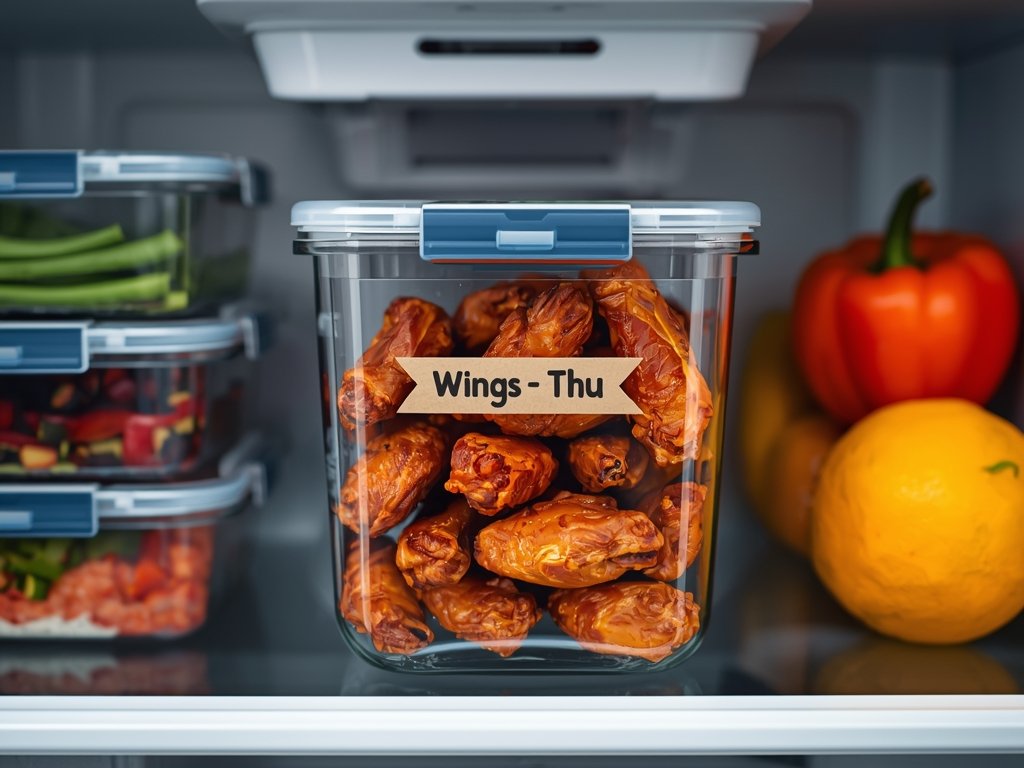
In the fridge, roast chicken follows the USDA rule for cooked leftovers: 3 to 4 days at 40°F or below. The Budget Gourmet Mom storage guide, citing the USDA Food Safety and Inspection Service chicken storage chart, gives the same numbers — cooked chicken lasts 3 to 4 days in the refrigerator at 40°F or below, whether it was roasted, grilled, baked or bought as a rotisserie bird — and the FoodSafety.gov cold food storage chart lists cooked poultry at the same 3-to-4-day window. The clock starts from the day the chicken was cooked, not from the day you first carved it, so a chicken roasted on Sunday and eaten on Monday and Tuesday has one day left on Wednesday, not four. Label the container with the cooking date, and eat it or freeze it by day four.
Two details decide whether those four days are safe ones. The first is the two-hour rule: refrigerate the chicken within 2 hours of cooking, or within 1 hour if the room is above 90°F, because the danger zone between 40°F and 140°F is where bacteria multiply fastest, and a roast chicken left on the counter through dinner and the washing-up can spend most of that window warm. The second is the fridge itself: keep it at 40°F or below, store the chicken on a shelf rather than in the door, where the temperature swings every time the door opens, and keep it away from raw meat, on a shelf above it or on a different shelf entirely, so nothing drips onto it. A chicken that sat out for more than two hours should be thrown away, not refrigerated: the fridge cannot undo the time it spent warm.
How Long Does It Last in the Freezer?
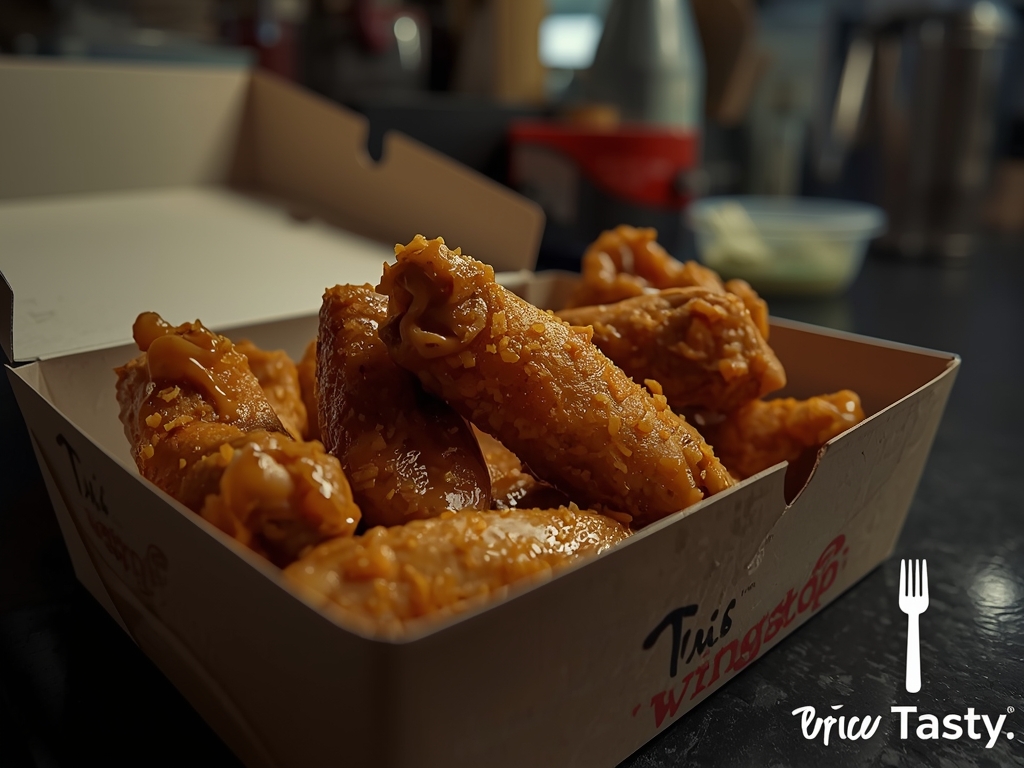
In the freezer, roast chicken keeps far longer than it does in the fridge, and the exact window depends on how it is packed. Plain roast chicken — meat on its own, in a bag or container — keeps for about 4 months for best quality, according to the USDA FSIS chicken storage chart. Chicken stored in broth or gravy keeps for about 6 months, because the liquid protects the meat from drying out, and chicken in a casserole or soup keeps for 4 to 6 months for the same reason. Some general guides give a wider range of 2 to 6 months for cooked chicken; the 4-month figure for plain chicken and the 6-month figure for chicken in liquid are the USDA chart numbers, and they are the ones to plan on.
As with every frozen food, the months are about quality, not safety: food kept at a steady 0°F stays safe indefinitely, and an older bag of chicken is not dangerous, only drier and more likely to have freezer burn. The practical difference between 4 months and 6 months is moisture: plain chicken dries out from the surface inward, while chicken packed with a splash of broth, or in gravy, stays moist because the liquid freezes around the meat and shields it. So if you know a portion will be in the freezer for a while, pack it with a spoonful of pan juices or broth — it costs nothing, and it is the difference between chicken that reheats moist and chicken that reheats dry. For the full freezing guide, see our guide to freezing cooked chicken.
Whole Bird or Off the Bone?
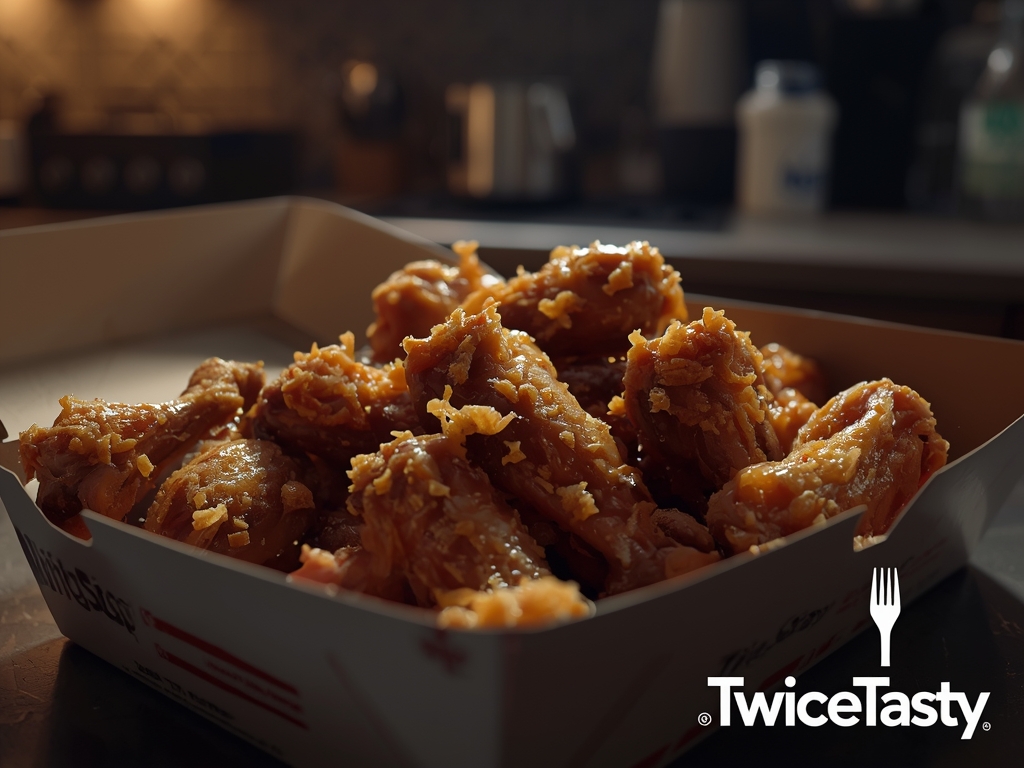
Take the meat off the bone. A whole roast chicken is a large, dense mass, and the meat near the bone cools slowly — the outside of the bird may reach fridge temperature in an hour while the meat deep inside is still warm, and warm meat held for hours is the textbook case for bacterial growth. Carving the bird also solves the space problem: a whole chicken takes up a shelf, while the same meat in two shallow containers takes up half of one, and the carcass goes into a pot for stock instead of taking up room in the fridge. The same logic applies to a whole bone-in breast or a leg quarter: take the meat off the bone, and the pieces cool fast enough to be safe.
Pack the meat in shallow airtight containers or zip-top bags with the air pressed out. Separate the white meat from the dark meat if you can, because they reheat differently — breast meat dries out faster than thigh meat, and mixed meat means the breast is overdone by the time the thigh is hot. Keep the skin with the meat if you like it, but it will go soft in the fridge and softer in the freezer; if crisp skin matters, peel it off, store it separately, and crisp it in a hot oven or an air fryer when the chicken is reheated. Label each container with the contents and the date, and use the oldest one first. And do not store the chicken in the roasting pan: it is wide, shallow and uncovered, and it lets the meat dry out and pick up fridge smells.
How to Store Leftover Roast Chicken Step by Step
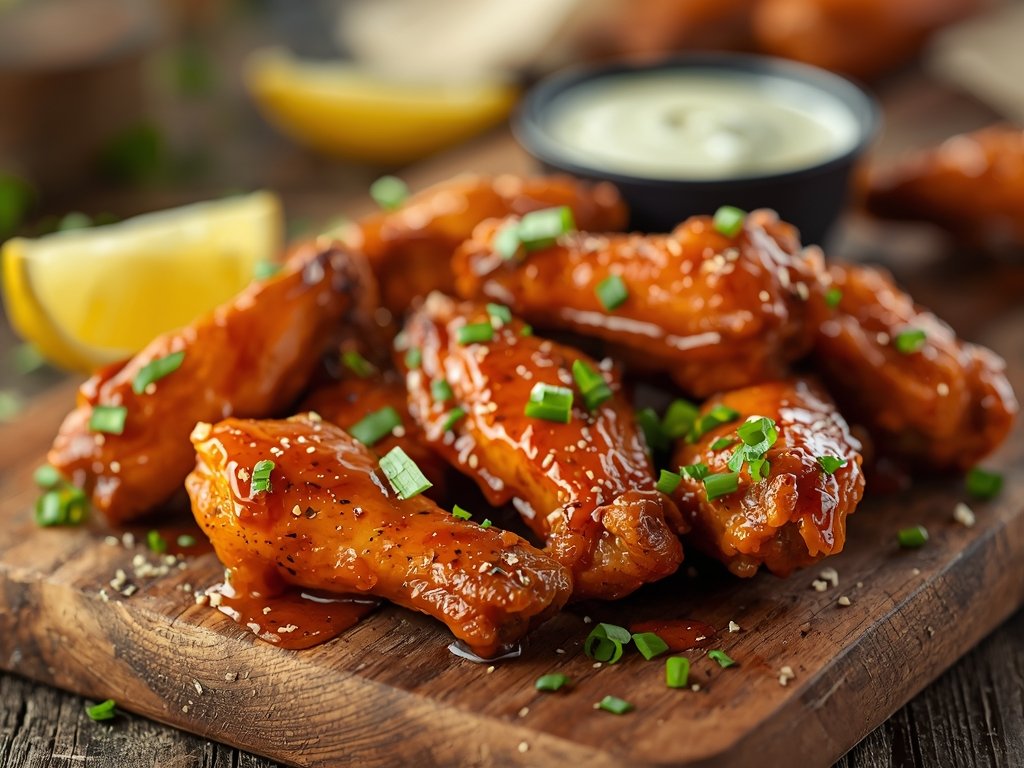
Carve the chicken while it is still warm from the oven, as soon as it has rested for 15 to 20 minutes — the meat comes off the bone cleanly while it is warm, and the carving is done before the two-hour window is half over. Pull the breast meat off in slices, take the thighs and drumsticks off the bone, and pick the smaller pieces of meat off the carcass with your fingers or a fork. Put the meat for tonight’s dinner aside, and pack the rest into shallow airtight containers while it is still slightly warm: hot food can go directly into the refrigerator, according to the USDA, and waiting for it to cool completely on the counter only eats into the two-hour window.
Decide on the same day whether each container is for the fridge or the freezer. Fridge containers are the ones you will eat within 3 to 4 days; freezer containers are everything else, and they should go in on day one or two, while the chicken is still fresh, not on day four. Chicken frozen on day two tastes better than chicken frozen on day four, because it has had less time to dry out, and freezing does not reverse that. Add a spoonful of pan juices or broth to each freezer container, press out the air, label it with the date, and freeze it flat. Put the carcass in a pot with water and vegetable scraps, and make stock the same day. For the bigger bird, see our guide to storing leftover turkey safely, and for the freezing numbers, our guide to freezing cooked turkey.
How to Thaw and Reheat Roast Chicken
Thaw frozen chicken in the fridge overnight — that is the safest method, and it gives the most even result. The USDA lists three safe ways to thaw leftovers: in the refrigerator, in cold water in a leak-proof bag, or in the microwave, and the counter is not one of them: a portion left on the counter thaws unevenly, with warm edges and a frozen middle, and the warm edges spend hours in the danger zone. A flat freezer bag thaws in the fridge in about 8 to 12 hours; a thick container takes a full day. Once thawed, use the chicken within 3 to 4 days, the same as any leftover, and do not refreeze it after it has been thawed and reheated.
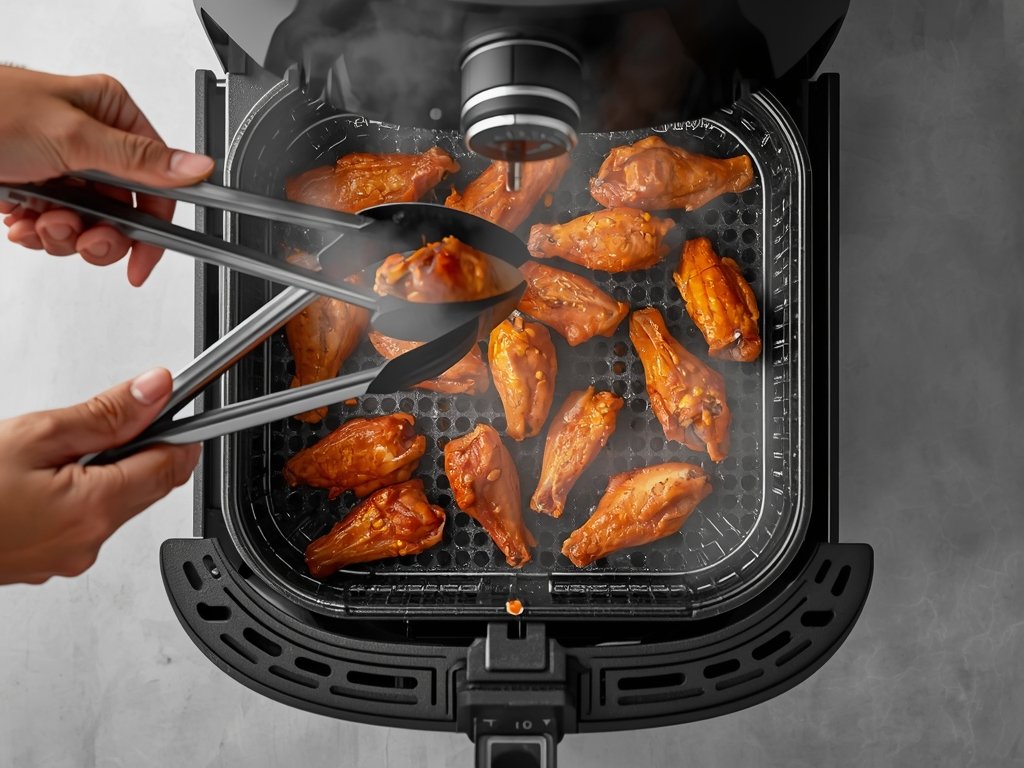
Reheat the chicken to 165°F in the centre, checked with a food thermometer, not at the edge. The oven is the best method for larger pieces: put the chicken in an oven-safe dish, add a splash of broth or water, cover tightly with foil, and bake at 350°F until the centre reaches 165°F, then uncover for the last few minutes if you want the skin to crisp. The microwave works for single portions, in short bursts with stirring between each one, but it is a poor choice for a large piece, because it heats unevenly. The same 165°F target applies to rotisserie chicken, which is simply a roast chicken bought ready-made — our guide to reheating rotisserie chicken covers the method in full. And serve the reheated chicken with a fresh batch of gravy if the original is gone: see our guide to freezing gravy.
What to Do With the Skin and the Carcass
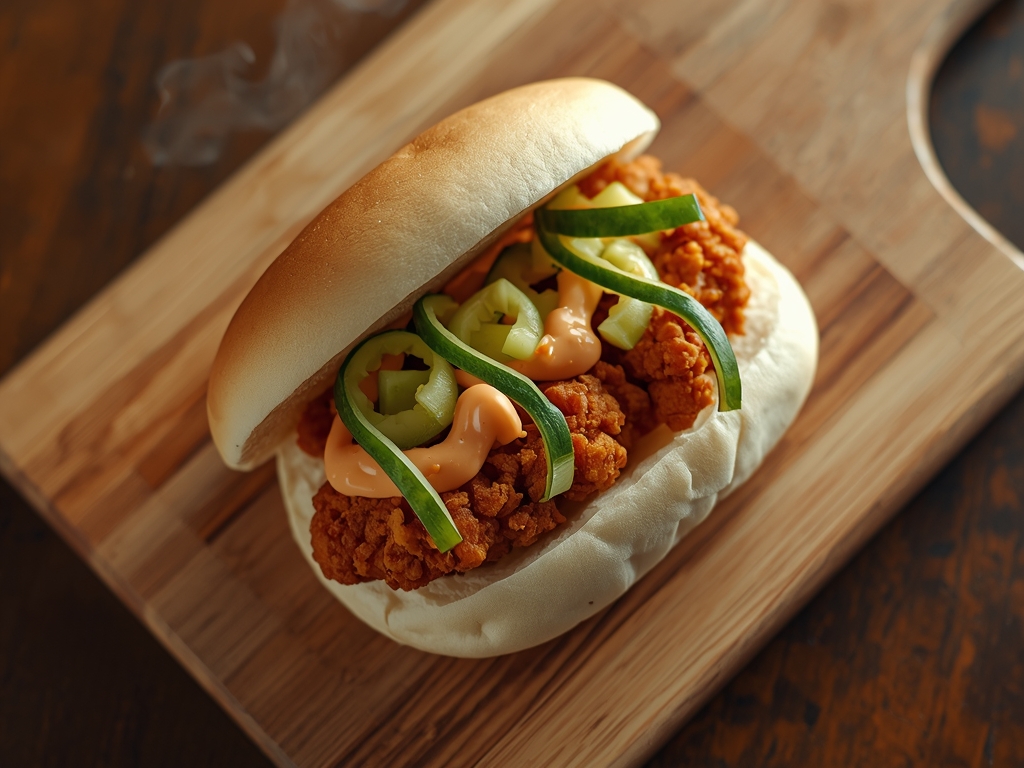
The skin is the part of a roast chicken that storage treats worst, and it is worth deciding what to do with it before the chicken goes into the fridge. Skin stored with the meat goes soft within hours, because it absorbs moisture from the meat and from the air in the container, and it goes softer still in the freezer. If you eat the chicken cold, in sandwiches or salads, the soft skin is barely noticeable, and it can stay with the meat. If you reheat the chicken and want crisp skin, peel the skin off before storing, keep it in its own small container, and crisp it separately in a hot oven or an air fryer for a few minutes while the meat reheats — the skin crisps faster on its own than it does on the meat, and the meat stays moist under its foil cover.
The carcass is the part people throw away too soon. A roast chicken carcass, with the meat picked off it, makes a pot of stock in about two hours of simmering, and the stock freezes for months — far longer than the meat. Put the carcass in a pot with water, an onion, a carrot and a stalk of celery if you have them, bring it to a simmer, and skim the surface. Strain the stock, cool it fast in shallow containers, and freeze it in portions for soup later in the week. The carcass itself should not go into the fridge for days while you decide: either make the stock the same day, or freeze the carcass on the day the chicken was cooked and make the stock from frozen. A carcass left in the fridge for four days is past its window, the same as the meat.
Signs Your Roast Chicken Has Gone Bad
The signs are the same as for any cooked leftover, and they are worth knowing because roast chicken hides them well: roasting seasoning and pan juices mask smells that would be obvious in plain food. A sour or off smell is the first sign — chicken that smells sharp, acidic, or different from the day it was cooked should be thrown away, not tasted. A slimy texture is the second: chicken that feels slick or sticky on the fingers has bacterial growth, even if it looks normal, and the sliminess is most obvious on the surface of the breast meat. Visible mould is the third, and it is not a scrape-it-off situation: mould on cooked meat sends roots through the whole piece, and the only safe answer is the bin.
The fourth sign is the calendar, and it is the one people argue with most: chicken that has been in the fridge for more than 4 days is past its window, even if it looks and smells fine, because the bacteria that cause food poisoning do not always change the look or smell of food. The USDA is explicit on this point: cooked chicken stored beyond 4 days should be discarded regardless of reheating, because reheating to 165°F kills bacteria but does not destroy all the toxins some of them leave behind. The same goes for chicken that sat out for more than two hours, or more than one hour above 90°F: the time in the danger zone is the risk, and no reheating undoes it. When in doubt, throw it out — a roast chicken is cheap to replace and expensive to get wrong.
The Bottom Line
That is how to store leftover roast chicken: off the bone, in shallow airtight containers, in the fridge within two hours of cooking, and eat it or freeze it within 3 to 4 days. Freeze plain chicken for about 4 months of best quality, or 6 months packed in broth or gravy, with the air pressed out and the date on the label. Thaw it in the fridge overnight, reheat it to 165°F in the centre, and crisp the skin separately if it matters to you. Make stock from the carcass on the same day, and throw the chicken away if it smells sour, feels slimy, shows mould, sat out for more than two hours, or has been in the fridge for more than four days. Stored that way, a Sunday roast feeds a household for days — which is the whole point of roasting a whole bird.

Ghani is the founder of TwiceTasty and a passionate home cook who believes no meal should go to waste. What started as a personal mission to transform leftovers into exciting new dishes has grown into a community of food lovers who share the same philosophy.