Follow Me On Social Media!

Green bean casserole is the dish that suffers most from being stored wrong, because its best feature — the crisp fried-onion topping — is also the first thing storage destroys. The beans and the creamy sauce underneath survive the fridge and the freezer reasonably well, but the topping goes soft within hours, the sauce thickens as it sits, and the beans lose their bite a little more each day. That does not mean leftover green bean casserole is a lost cause. It means the storage method has to protect the topping separately from the rest of the dish, and the freezer has to be used with a clear-eyed view of what it does to a creamy casserole. This guide covers how to store leftover green bean casserole in the fridge and the freezer, the topping problem, and how to reheat it so the top crisps again.
The Short Answer: 3–4 Days in the Fridge, 2 Months in the Freezer Unbaked
The short answer is that leftover green bean casserole keeps for 3 to 4 days in the fridge, covered, in a shallow airtight container, and it must go into the fridge within two hours of serving. In the freezer, the best result comes from freezing the casserole unbaked and without the fried-onion topping, for up to 2 months of best quality; a baked casserole freezes too, for about 1 month, but the topping will not recover. The freezer window is about quality, not safety: at a steady 0°F, frozen food stays safe indefinitely, and an older portion is not dangerous, only softer and blander. Reheat the casserole to 165°F in the centre, covered at 350°F, and uncover it for the last few minutes — with a fresh handful of onions on top — to bring the crunch back.
How Long Does Green Bean Casserole Last in the Fridge?

In the fridge, green bean casserole follows the rule for every other cooked leftover: 3 to 4 days at 40°F or below. The KitchPrep storage guide gives the same numbers, and the FoodSafety.gov cold food storage chart lists cooked casseroles at the same 3-to-4-day window. The clock starts from the day the casserole was cooked, not from the day you first served it, so a casserole baked on Thursday has one day left on Sunday, not four. Label the container with the cooking date, and eat it or freeze it by day four. One source, a People expert guide, puts green bean casserole at 2 to 3 days instead of 3 to 4; the 3-to-4-day figure is the USDA rule, and the shorter figure is the cautious reading for a dish that is mostly dairy and cooked vegetables. Either way, day four is the last day.
The topping is what sets the practical limit, even before the safety limit arrives. The fried onions absorb moisture from the sauce within hours, and by the second day they are soft through; the sauce thickens as the beans release moisture and then reabsorb it, and the beans themselves go from tender-crisp to simply soft. None of that makes the casserole unsafe on day two or three — it makes it less good, and the fix is in the reheating, not in the storing. Keep the casserole covered in the fridge, on a shelf rather than in the door, and keep it away from raw meat. If the casserole sat out for more than two hours after serving, or more than one hour above 90°F, throw it away rather than refrigerating it: the fridge cannot undo the time it spent in the danger zone between 40°F and 140°F.
Can You Freeze Green Bean Casserole?
Yes, you can freeze green bean casserole — but the sources disagree about how well it freezes, and the honest answer depends on whether the casserole is baked or unbaked when it goes in. Allrecipes freezes it unbaked, without the onions, for up to 2 months, thawing it overnight in the fridge before baking. The KitchPrep guide agrees on the method and gives casseroles generally 2 to 3 months in the freezer for best quality. A baked casserole freezes for less time — about 1 month — because the sauce has already been heated once and the beans have already softened, so the second heating takes them further. For the full freezing guide, see our guide to freezing green bean casserole.
The disagreement comes from Taste of Home, which says green bean casserole does not freeze well at all: the dairy can curdle, the green beans dry out, and the crisp topping goes very sad. That warning is aimed at a baked casserole frozen with its topping on, and it is largely fair — which is why this guide freezes the casserole unbaked and without the topping, and treats a baked leftover as a 1-month proposition rather than a 2-month one. The freezer window is about quality, not safety, and the sauce is the risk: a canned-soup or sturdy white-sauce casserole freezes better than a thin, milky one, because a thicker sauce is less likely to separate. If your casserole is made with fresh green beans rather than canned, it freezes a little better, because the beans hold their shape; canned beans are already soft and go softer still.
What Container and Method Work Best?

For the fridge, transfer the leftover casserole out of the baking dish and into a shallow airtight container, no more than a couple of inches deep, so it cools fast and reheats evenly. A deep baking dish full of warm casserole cools slowly in the centre, and the topping sits in a layer of steam under the cover. If you must keep it in the baking dish, cover it tightly with foil or plastic wrap pressed close to the surface, and get it into the fridge within two hours. Portion the casserole into the amounts you will actually eat, rather than storing one large container and opening it every day: every opening lets warm air in, and a container opened four times ages faster than four small containers opened once each.
For the freezer, the method depends on whether the casserole is baked or unbaked. An unbaked casserole — sauce and beans mixed, no topping — goes into a freezer-safe container or a heavy-duty freezer bag with the air pressed out, labelled with the date, and keeps for up to 2 months. A baked leftover goes into portions in freezer bags, with the air pressed out, and keeps for about 1 month. In both cases, double-wrap for anything kept more than a week: a layer of plastic wrap and then foil, or a second bag over the first, keeps air out and keeps the casserole from picking up freezer smells. Store the fried onions separately, in their original container or a sealed bag in the pantry, never in the freezer with the casserole: frozen onions thaw to mush, and fresh ones are cheap.
How to Store Leftover Green Bean Casserole Step by Step
Start as soon as dinner is over, while the casserole is still warm but no longer steaming — about 30 to 45 minutes after it comes out of the oven, well inside the two-hour limit. Scoop the topping off the portion you plan to store, if you can do it cleanly: the onions are already soft by then, and removing them now means the sauce underneath is not sitting under a wet layer all night. If the topping is baked on and will not come off cleanly, leave it and plan to add fresh onions when you reheat. Divide the casserole into meal-sized portions, pack them into shallow airtight containers, lid them once they are cold — covering a warm casserole traps condensation, and condensation makes the top soggy — and label each one with the date.
Decide on the same day whether each portion is for the fridge or the freezer. Fridge portions are the ones you will eat within 3 to 4 days; freezer portions are everything else, and they should go into the freezer on day one or two, while the casserole is still fresh, not on day four when the fridge clock has nearly run out. A casserole frozen on day two tastes better than one frozen on day four, because it has had less time to dry out and stale in the fridge. Put the fridge containers on a shelf, not in the door, and put the freezer bags flat until they are solid, then stack them. For the rest of the Thanksgiving table, the same clock applies to the bird: see our guide to storing leftover turkey safely.
How to Thaw and Reheat It — and Re-Crisp the Topping
Thaw a frozen casserole in the fridge overnight, never on the counter: a portion left on the counter thaws unevenly, with warm edges and a frozen middle, and the warm edges spend hours in the danger zone. A flat freezer bag thaws in about 8 to 12 hours; a thick container takes a full day. Once thawed, use the casserole within 3 to 4 days, the same as any leftover, and do not refreeze it after it has been thawed and reheated. You can also reheat a frozen portion straight from the freezer — the USDA says reheating frozen leftovers without thawing is safe, it just takes longer — but for a casserole the overnight thaw gives a more even result, so thaw it when you can.
Reheat the casserole covered in a 350°F oven until it is hot throughout, uncovering it for the last few minutes to help crisp the topping — that is the Allrecipes method, and it works because the cover keeps the sauce from drying out while the uncovered finish lets the top dry and crisp. Add a fresh handful of fried onions for the last 5 minutes, whether or not the original topping survived: fresh onions are what makes a reheated casserole taste like a fresh one. The target is 165°F in the centre, checked with a food thermometer, not at the edge. If the sauce has separated or looks thin after thawing, stir it gently before it goes into the oven, and add a spoonful of cream if it needs body. For the full reheating method, see our guide to reheating green bean casserole.
What to Do With the Topping
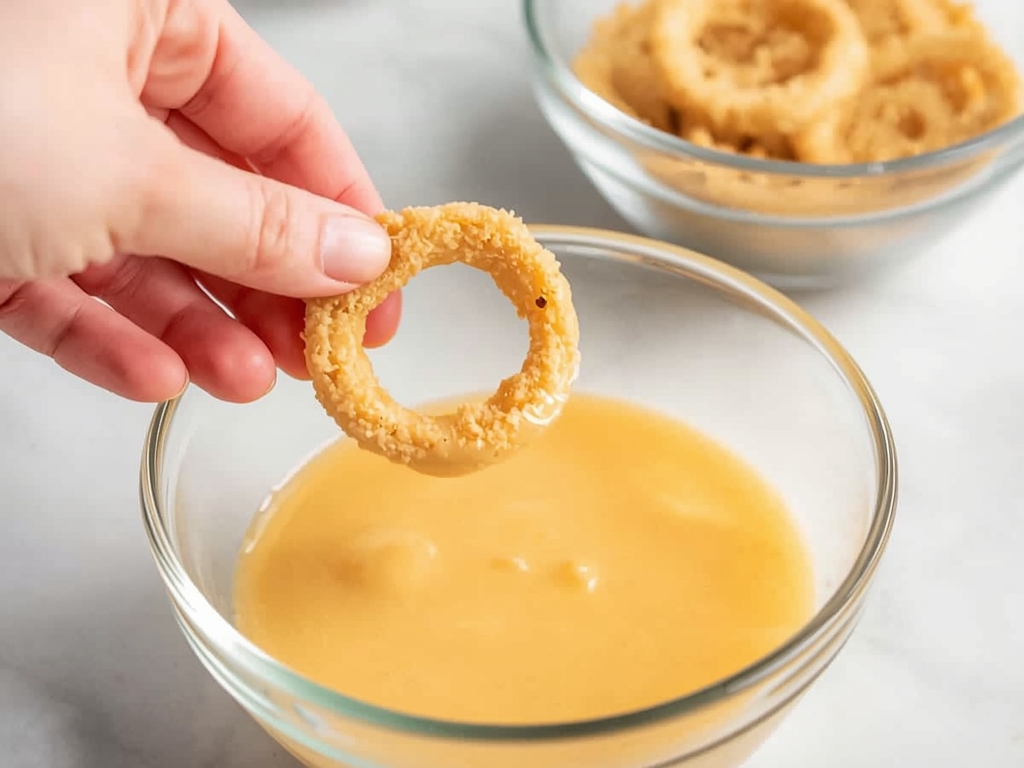
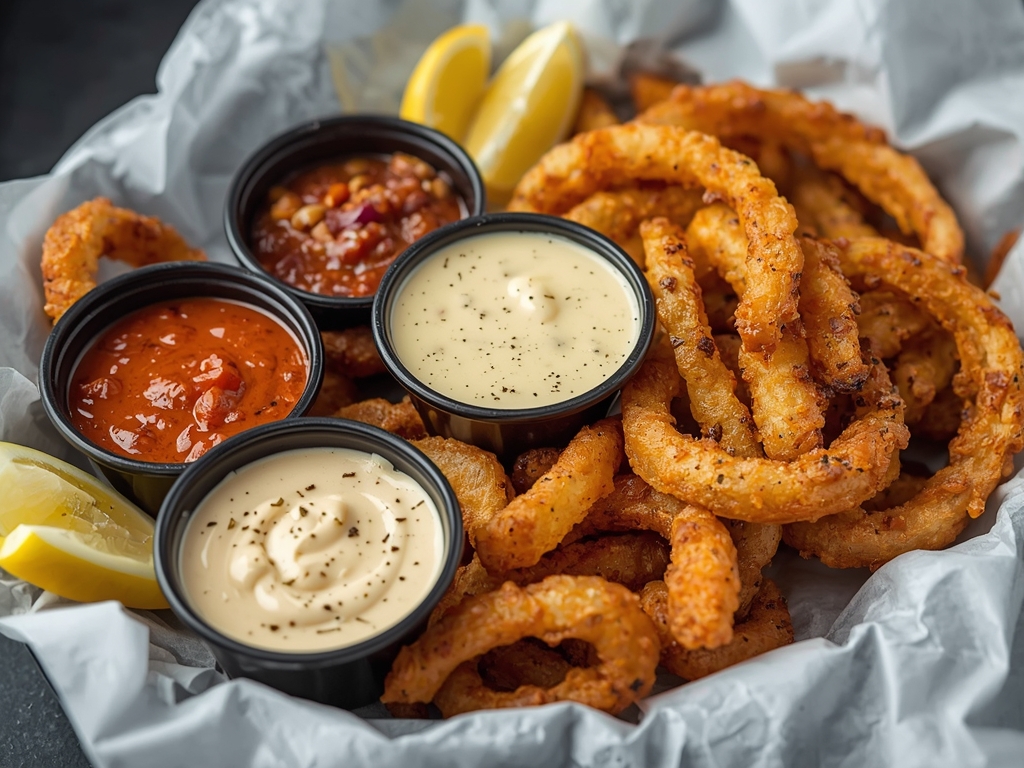
The topping deserves its own paragraph, because it is the part of the dish that storage treats worst and the part that matters most at the table. Fried onions are crisp because they are dry, and everything about storing a casserole — steam, condensation, sauce, fridge humidity, freezer air — makes them wet. An onion topping that spent a night in the fridge under a lid is soft, and no amount of reheating brings back the original shatter; the oven finish helps, but it crisps the outside of a soft onion rather than restoring a crisp one. The fix is to treat the topping as a fresh garnish, not a leftover: keep a small bag of fried onions in the pantry, and add a fresh handful when the casserole is reheated.
The same logic applies to any topping beyond onions. A casserole topped with cheese will reheat with the cheese melted back into the sauce; a casserole topped with breadcrumbs or cracker crumbs will reheat with the crumbs soft, and a fresh sprinkle of crumbs with melted butter for the last few minutes is better than trying to rescue the old ones. If you are freezing the casserole unbaked, the topping question answers itself: freeze the sauce and beans, keep the onions in the pantry, and top it fresh when you bake it. And if you have more casserole than you can eat in four days and no room in the freezer, the topping is not the problem — the uses are; our guide to what to do with leftover green bean casserole covers them. For the rest of the plate, see our guide to freezing roasted vegetables.
Signs Your Green Bean Casserole Has Gone Bad

The signs are the same as for any cooked leftover, and they are worth knowing because the sauce hides them well: cream and seasoning mask smells that would be obvious in plain food. A sour or off smell is the first sign — a casserole that smells sharp, acidic, or different from the day it was made should be thrown away, not tasted. A slimy texture is the second: beans or sauce that feel slick or sticky on the fingers have bacterial growth, even if they look normal. Visible mould is the third, and it is not a scrape-it-off situation: mould on a moist, creamy dish sends roots through the whole dish, and the only safe answer is the bin.
The fourth sign is the calendar, and it is the one people argue with most: a casserole in the fridge for more than 4 days is past its window, even if it looks and smells fine, because the bacteria that cause food poisoning do not always change the look or smell of food. The same goes for a casserole that sat out for more than two hours, or more than one hour above 90°F: the time in the danger zone is the risk, and no reheating undoes it. A sauce that has separated into a watery layer and a curdled layer after thawing is not necessarily unsafe — separation is a texture problem, and stirring usually fixes it — but if the separated sauce also smells sour, throw it away. When in doubt, throw it out: green bean casserole is cheap to make and expensive to get wrong.
The Bottom Line
That is how to store leftover green bean casserole: covered in the fridge for 3 to 4 days, in shallow airtight containers, labelled with the date, and into the fridge within two hours of serving. Freeze it unbaked, without the topping, for up to 2 months of best quality, or baked in portions for about 1 month — and remember a thin sauce separates and a crisp topping goes soft. Thaw it in the fridge overnight, reheat it covered at 350°F to 165°F in the centre, and finish it uncovered with fresh fried onions for the last few minutes. Throw it away if it smells sour, feels slimy, shows mould, sat out for more than two hours, or has been in the fridge for more than four days. Stored that way, the casserole is safe, and with a fresh topping it tastes like the day it was made.

Ghani is the founder of TwiceTasty and a passionate home cook who believes no meal should go to waste. What started as a personal mission to transform leftovers into exciting new dishes has grown into a community of food lovers who share the same philosophy.