Follow Me On Social Media!

A mashed potato casserole is built to be made ahead: potatoes whipped with butter and cream, spread in a baking dish, topped with cheese or crumbs, and baked until the top turns golden. That make-ahead nature raises the obvious question once the holiday is over and half a dish is left — can you freeze mashed potato casserole, or does the freezer ruin the very texture that makes it good? The answer is yes, you can freeze it, and it holds up better than plain mashed potatoes do, because the fat in the butter, cream and cheese protects the potatoes as they freeze. But the freezer window for a mashed potato casserole is shorter than the window for most casseroles, and the sources disagree about exactly how short, so this guide gives you the numbers each source actually gives and the conservative window to plan on.
The Short Answer: Yes, Freeze It in Portions for 2–4 Weeks
Yes, you can freeze mashed potato casserole. It keeps 3 to 4 days in the fridge, and in the freezer its best quality window is 2 to 4 weeks — shorter than the 3 to 4 months the USDA gives for leftovers in general, because potatoes lose texture in the freezer faster than most foods. The freezer time is about quality, not safety: at a steady 0°F, frozen food stays safe indefinitely, and an older portion is not dangerous, only drier and more watery. Freeze it in meal-sized portions, in airtight bags or containers with the air pressed out, label each one with the date, and reheat it to 165°F. If you only remember one number, make it two weeks: a casserole eaten within two weeks of freezing tastes close to the day it was made, and every week after that the texture drifts further from it.
How Long Does Mashed Potato Casserole Last in the Fridge?
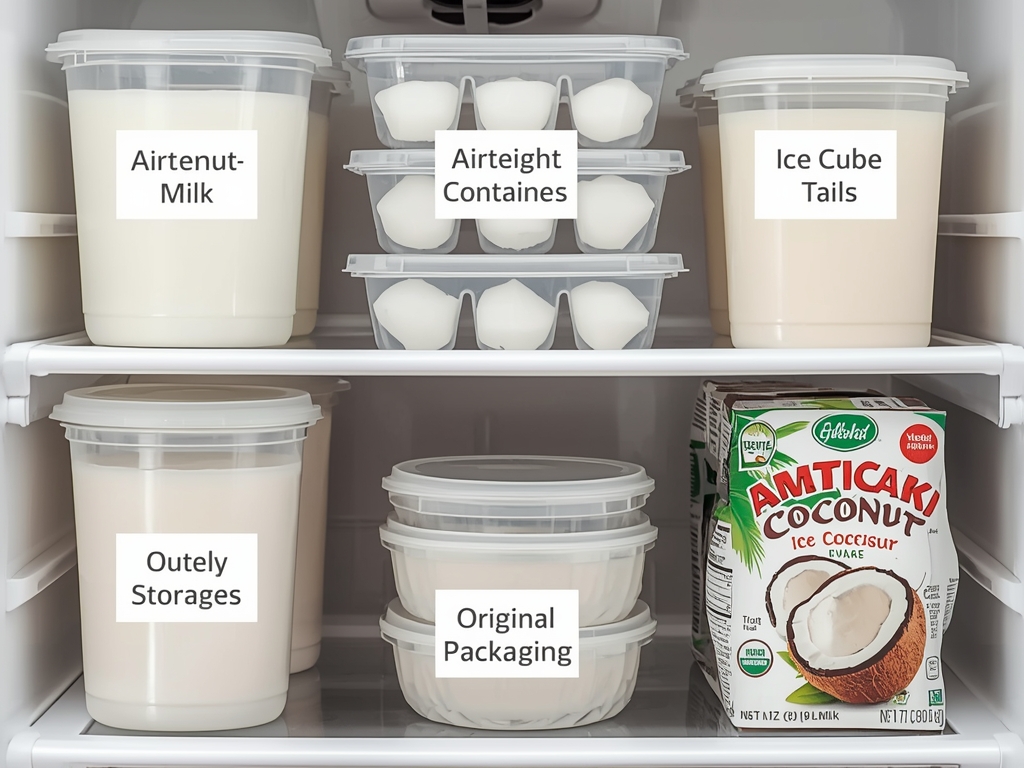
In the fridge, a mashed potato casserole follows the same rule as every other cooked leftover: 3 to 4 days, kept at 40°F or below. The FoodSafety.gov cold food storage chart lists cooked leftovers at 3 to 4 days in the refrigerator, and a potato casserole is no exception — the dairy and the potatoes are both perishable, and the fridge only slows bacterial growth, it does not stop it. The clock starts from the day the casserole was cooked, not from the day you first served it, so a casserole baked on Thursday and eaten on Friday and Saturday has one day left on Sunday, not four. Label the container with the cooking date when it goes into the fridge, and eat it or freeze it by day four.
Cool the casserole fast before it goes into the fridge, and do not leave it sitting on the counter while the rest of dinner is cleared away. Refrigerate it within 2 hours of cooking — 1 hour if the room is above 90°F — because the danger zone between 40°F and 140°F is where bacteria multiply fastest. Spread the leftover casserole into shallow containers, no more than a couple of inches deep, so the middle cools as fast as the edges; a deep baking dish full of warm potatoes can stay warm in the centre for hours. Keep it covered once it is cold, on a shelf rather than in the door, where the temperature swings every time the door opens. If the casserole sat out for more than two hours, throw it away rather than refrigerating it: the fridge cannot undo the time it spent warm.
Can You Freeze Mashed Potato Casserole for Months?

This is where the sources disagree on whether you can freeze mashed potato casserole for months, and the disagreement is worth stating plainly rather than smoothing over. The USDA’s general guidance for leftovers is 3 to 4 months in the freezer for best quality, and some potato-bake guides repeat that figure, giving a potato bake up to three months. But the university extension services that test home freezing of potatoes specifically are far more cautious: Clemson Cooperative Extension lists mashed potatoes at 2 weeks at 0°F, Penn State Extension says prepared cooked potatoes should be stored for only a few weeks, and North Dakota State University gives 2 weeks. The Whole Fork freezing guide collects these figures side by side and follows the extension services rather than the general guidance, and this guide does the same.
The reason potatoes get a shorter window is that freezing changes them: when a potato freezes, the water separates from the starch, so reheated potatoes can turn watery and grainy, and the Idaho Potato Commission notes that mashed potatoes can oxidize and turn gray in a matter of days. A casserole has one advantage over plain mashed potatoes: Penn State notes that butter, cream, sour cream or cream cheese provides fat that helps potatoes keep their texture in the freezer, and a casserole is rich in exactly those ingredients. So plan on 2 to 4 weeks of best quality — two weeks for the best result, four weeks as the outside edge — and remember the months are about taste and texture, not safety, because food kept at a steady 0°F stays safe indefinitely. For the plain-potato numbers, see our guide to freezing mashed potatoes.
What Container Should You Freeze It In?

Freezer bags beat rigid containers for a mashed potato casserole, because you can press the air out and freeze the portion flat, which thaws faster and more evenly than a thick block. Spoon single servings or family portions into heavy-duty freezer bags, press out as much air as you can without squeezing the potatoes through the seal, seal the bag, and lay it flat in the freezer until it is solid. Rigid airtight containers work too, especially for a whole casserole, but leave a little headroom at the top because the potatoes expand slightly as they freeze, and press a layer of plastic wrap directly onto the surface before putting the lid on — air touching the surface is what causes freezer burn and graying.
Double-wrap anything kept more than a week: a layer of plastic wrap or foil around the bag or container, or a second bag over the first, keeps air out and keeps the casserole from picking up freezer smells. Label every portion with the contents and the date, in marker on the bag or on masking tape, because a frozen bag of mashed potato casserole looks exactly like a frozen bag of anything else, and the date is the only thing that tells you whether it is two weeks old or two months old. Use the oldest bag first. And do not freeze the casserole in its baking dish uncovered, or in a thin sandwich bag: the dish takes up a shelf, cools slowly, and leaves the surface exposed to air, and a thin bag tears and lets air in.
How to Freeze Mashed Potato Casserole Step by Step

Freeze the casserole while it is still fresh, not on the day the fridge clock runs out. A casserole frozen on day one or two tastes like the day it was made; a casserole frozen on day four has already spent four days drying out in the fridge, and freezing does not reverse that. Let the casserole cool until it is no longer steaming — about 30 to 45 minutes on the counter, well inside the two-hour limit — then portion it. If the topping is crumbs or cheese, scrape most of it off before freezing and add a fresh topping when you reheat: crumbs go soggy in the freezer and cheese can turn grainy, while the potato base freezes well. If the topping is already baked on and you would rather keep it, freeze the casserole as it is and accept a softer top.
Pack the portions, press out the air, seal, label and freeze flat — and for the neatest portions, spread the cooled casserole thin in a freezer bag, freeze it flat, then break off what you need. Freeze an unbaked casserole the same way if you assembled it ahead and never baked it: wrap the dish tightly in plastic wrap and then foil, or portion it into bags, and bake it from frozen or thawed later. Our guide to make-ahead mashed potatoes for Thanksgiving covers the assemble-ahead version in full. Either way, freeze it the same day you decide you will not eat it within the next day or two, rather than letting it sit in the fridge while you decide.
How to Thaw and Reheat a Frozen Mashed Potato Casserole

Thaw the casserole in the fridge overnight — that is the safest method, and it gives the most even result. The USDA lists three safe ways to thaw leftovers: in the refrigerator, in cold water in a leak-proof bag, or in the microwave, and the counter is not one of them: a portion left on the counter thaws unevenly, with warm edges and a frozen middle, and the warm edges spend hours in the danger zone. A flat freezer bag thaws in the fridge in about 8 to 12 hours; a thick container takes a full day. Once thawed, use the casserole within 3 to 4 days, the same as any leftover, and do not refreeze it after it has been thawed and reheated.
You can also reheat the casserole straight from frozen — the USDA says reheating frozen leftovers without thawing is safe, only slower. Put the frozen portion in an oven-safe dish with a splash of milk or cream and a knob of butter, cover tightly with foil, and bake at 350°F until the centre reaches 165°F, then uncover for the last 10 minutes to crisp the topping. Stir once or twice as it heats, because the potatoes thaw from the edges inward. In the microwave, use 50% power in short intervals with stirring between each one, as Penn State recommends for frozen mashed potatoes. Check the temperature with a thermometer in the centre of the dish, not at the edge. For the full method, see our guide to reheating mashed potatoes so they stay creamy, and serve it with frozen gravy if the original is gone.
What Changes After Freezing, and How to Fix It
Expect the texture to change, and plan for it rather than being surprised by it. The most common change is wateriness: the water that separated from the starch while the potatoes were frozen pools as the casserole thaws, and the potatoes can look loose and wet. Stirring in a spoonful of butter, cream or cream cheese as the casserole reheats brings most of it back, because the fat re-emulsifies the potatoes and the stirring redistributes the moisture. If the casserole still looks loose after stirring, cook it uncovered for a few extra minutes so the excess moisture evaporates, or stir in a spoonful of grated cheese, which thickens the mixture as it melts.
The second change is colour: mashed potatoes can turn gray as they oxidize in the freezer, and the change is cosmetic rather than a safety problem, but it is unappetising, and it is worst in casseroles that are low in fat. The butter and cream in a casserole slow it down, and pressing the air out of the bag and wrapping the surface slows it further, but a casserole that has been frozen for two months will look duller than one frozen for two weeks. The third change is the topping: a cheese topping can turn grainy and a crumb topping goes soft, and neither recovers fully — the fix is a fresh topping added for the last 10 minutes of reheating. If the thawed casserole smells sour or off, or shows mould, none of these fixes apply: throw it away.
What Not to Do With a Frozen Mashed Potato Casserole
Do not freeze a casserole that sat out for more than two hours, or more than one hour above 90°F. Freezing stops bacterial growth, it does not kill the bacteria that grew while the food was warm, and a casserole that spent the afternoon on the table is not made safe by the freezer. Do not thaw the casserole on the counter, and do not leave a thawed portion in the fridge for a week while you decide what to do with it: thawed leftovers follow the same 3-to-4-day clock as fresh ones. Do not reheat the same portion twice — reheat only what you plan to eat, because each heating and cooling cycle dries the potatoes out further and adds risk.
Do not freeze the casserole in one giant block and chip away at it over a month, either: every time the block comes out and goes back in, the surface thaws and refreezes, and the texture gets worse each time. Portions are the whole method. And do not treat the freezer as a way to rescue a casserole that is already past its best: if the casserole has been in the fridge for five days, or smells off, or has visible mould, the bin is the answer, not the freezer. If you thaw a portion and cannot finish it, turn it into something else the same day rather than freezing it again — our guide to leftover mashed potato ideas has the uses that work best for potatoes that have already been frozen once.
The Bottom Line
So, can you freeze mashed potato casserole? Yes: it keeps 3 to 4 days in the fridge and 2 to 4 weeks in the freezer for best quality, in meal-sized portions, with the air pressed out and the date on the label. The freezer window is shorter than the general 3-to-4-month figure because potatoes lose texture as water separates from the starch, and the extension services put mashed potatoes at about two weeks — so plan on two weeks for the best result, four weeks as the outside edge. Thaw it in the fridge overnight or reheat it straight from frozen, bring the centre to 165°F, and stir in a spoonful of butter or cream to bring the texture back. Freeze it while it is fresh, portion it before it goes in, and it will taste like the day it was made.

Ghani is the founder of TwiceTasty and a passionate home cook who believes no meal should go to waste. What started as a personal mission to transform leftovers into exciting new dishes has grown into a community of food lovers who share the same philosophy.